





 Portuguese
  English
  Spanish
  5 min of reading
  0 comments


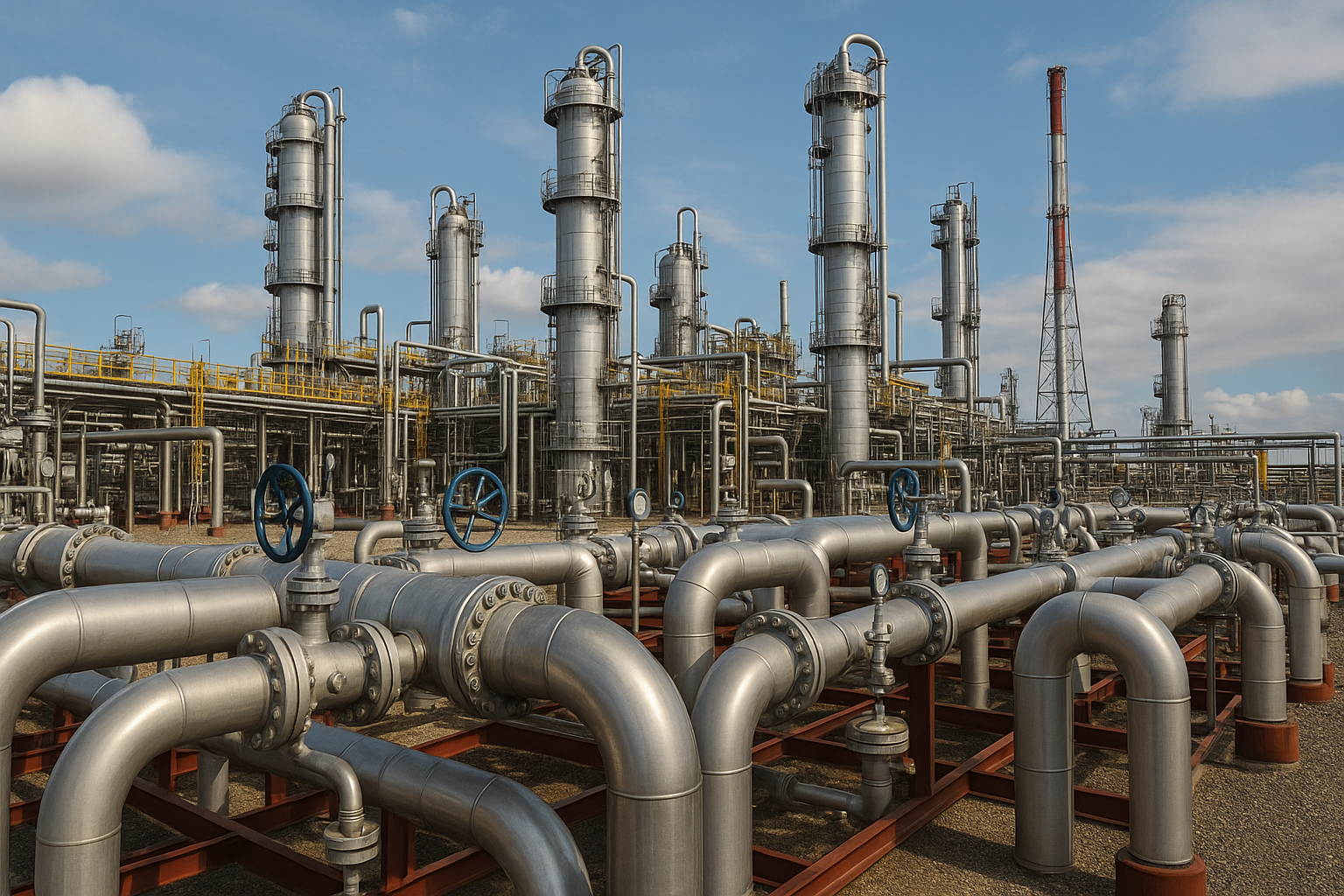
Understand How Innovation in Oil and Gas Is Transforming Production, Energy Consumption, and the Future of the Sector in Brazil and Worldwide.
The oil and gas industry has always played a central role in global economic and technological transformations.
Since the Industrial Revolution, the sector has provided essential energy for the growth of economies and the development of various production chains.
However, over the years, challenges have increased: reserves that are harder to explore, growing pressure for environmental responsibility, and the constant pursuit of energy efficiency.
-
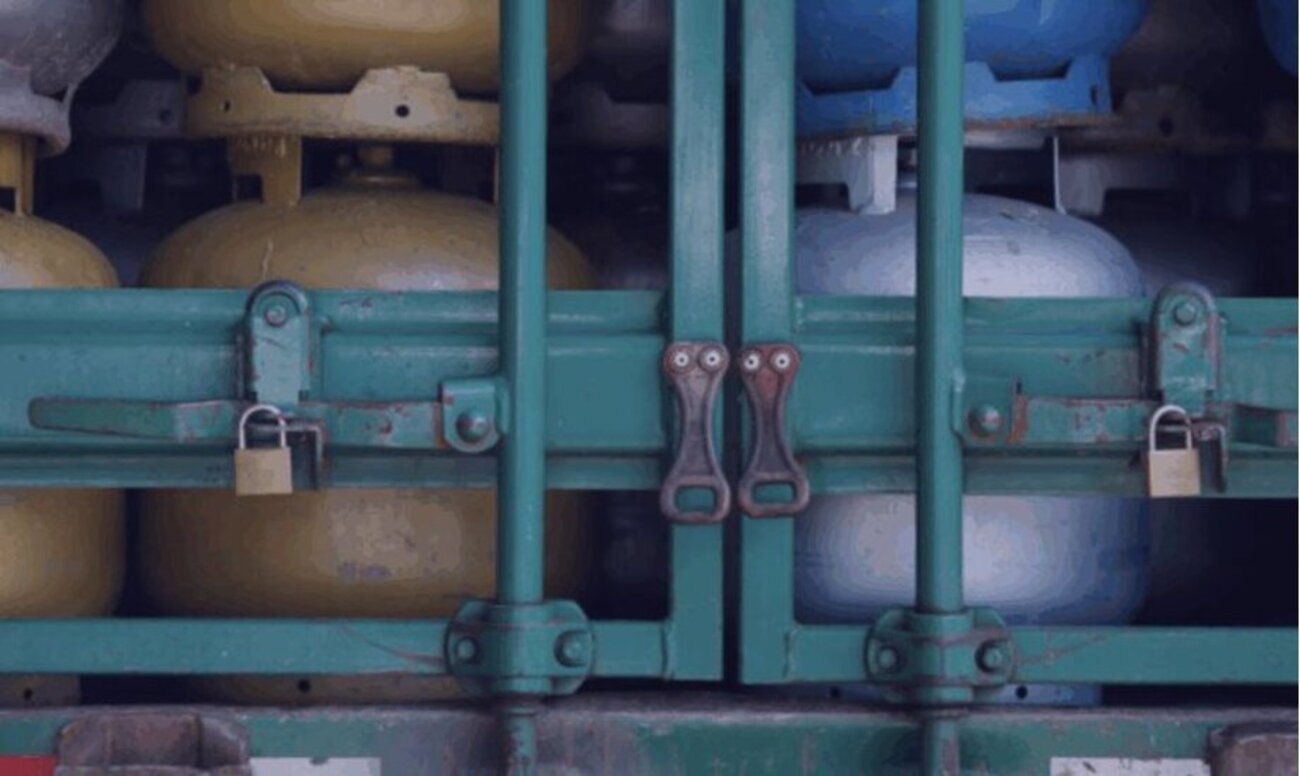
Petrobras evaluates suspension of sales to distributors and considers canceling the cooking gas auction following guidelines from the Federal Government.
-
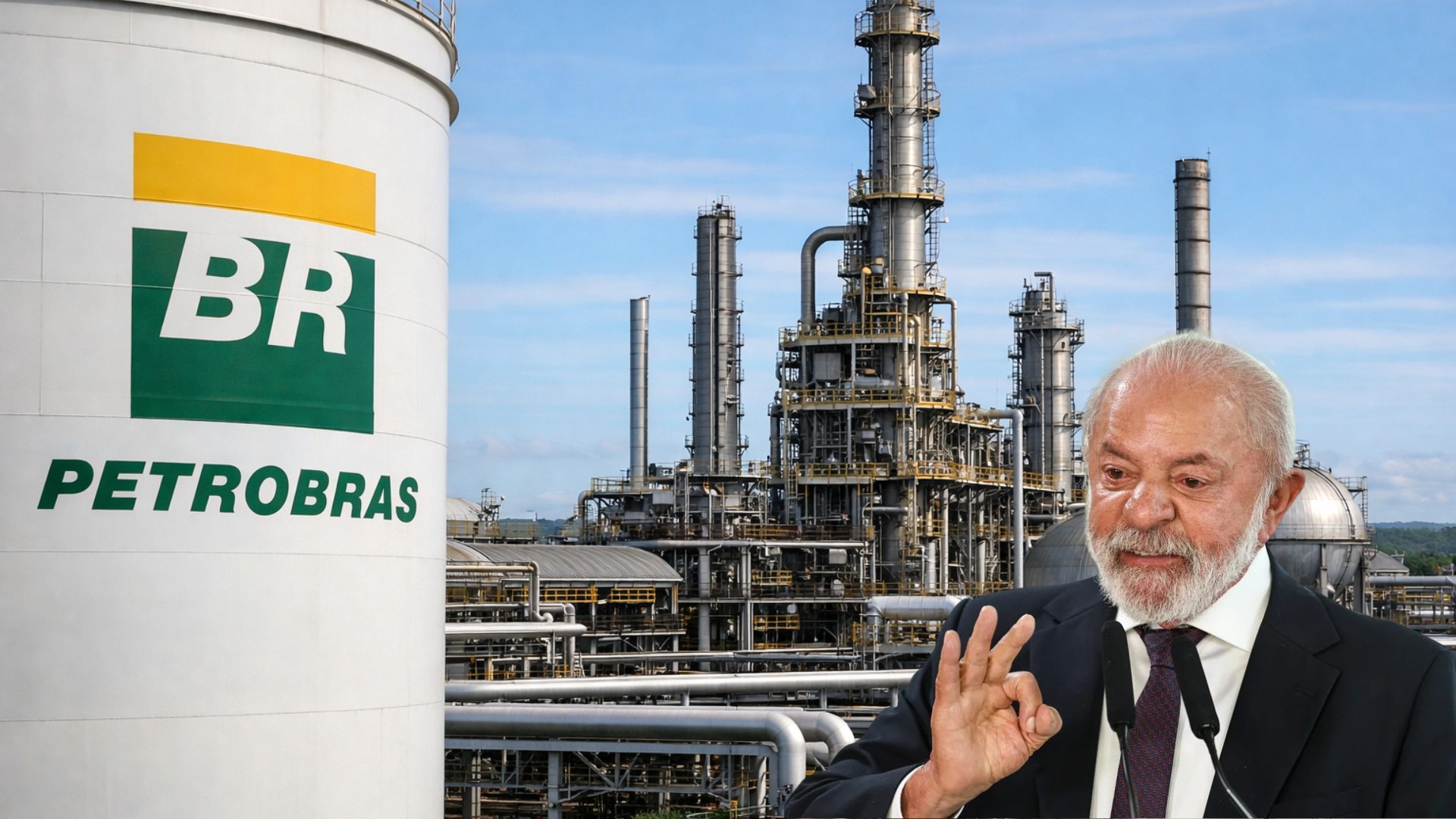
Lula reveals a masterstroke by Petrobras to undo a deal made by Bolsonaro, which involves the return of an important refinery that currently produces less than half of what was expected and makes Brazil dependent on international diesel.
-
A study confirms that the natural gas sector will reduce greenhouse gas emissions in Brazil by 0.5% and accelerate the energy transition by 2026.

-
Petrobras implements a severe adjustment and confirms a 55% increase in the price of aviation kerosene with a proposal for installment payments for the companies.


Therefore, innovation in oil and gas has become a strategic necessity to ensure the continuity and sustainability of the sector.
Moreover, global industrial and population growth has increased energy demand, creating an environment conducive to the rapid adoption of new technologies.
These technologies enable the industry to meet market needs in a more sustainable and efficient manner.
According to the International Energy Agency (IEA) report published in 2023, global demand for oil and gas is expected to remain high at least until 2040, highlighting the importance of innovation to ensure energy security.
How It All Began: A Brief Historical Overview

The commercial exploration of oil had a historical milestone in 1859, when Edwin Drake drilled the first successful well in Titusville, Pennsylvania, in the United States.
This event is considered the birth of the modern oil industry, as highlighted by the U.S. Department of Energy (DOE).
Initially, oil was primarily used for lighting, replacing whale oil. With the advent of automobiles in the early 20th century, the demand for petroleum-derived fuels grew rapidly, leading to the expansion of the global industry.
Natural gas, although known for centuries, gained commercial importance only in the 20th century, with the advancement of distribution networks and improvements in transportation infrastructure.
The Brazilian Natural Gas Association (ABEGÁS) emphasizes that this evolution transformed natural gas into a strategic energy source, particularly in Brazil.
For most of the 20th century, innovation focused on increasing drilling and refining capacity.
However, from the second half of the century onwards, the industry also began to concern itself with operational safety and environmental impacts.
According to the National Agency of Oil, Natural Gas and Biofuels (ANP), the first innovations in offshore drilling emerged in the 1960s, enabling exploration in deep waters and revolutionizing the sector.
The Importance of Innovation for the Sector

Innovating in oil and gas involves more than just creating new technologies; it means transforming extraction, refining, transportation, and environmental management processes. It also encompasses changes in business models, safety, and operational management.
Over the decades, innovation has helped the sector overcome challenges such as deep-water exploration and production in mature fields with low pressure.
Thanks to technological advancements, it has been possible to access reserves previously considered unviable, reducing costs and increasing productivity.
Furthermore, innovation allows companies to quickly adapt to changes in the global market, which is characterized by volatility in oil prices and increasing environmental demands.
According to the International Energy Forum (IEF) report from 2022, innovative technologies have driven a 40% increase in ultra-deep-water production in the past decade, demonstrating the sector’s constant evolution to maintain its competitiveness.
Impacts of New Technologies on Production, Sustainability, and New Pathways
Horizontal drilling has revolutionized oil extraction from shale rocks in the United States, creating the shale gas boom.
This transformed the United States from an importer to one of the world’s largest exporters, according to data from the U.S. Energy Information Administration (EIA) in 2021.
Other innovations, such as the use of robotics for maintenance and the application of advanced materials, have increased safety and efficiency in operations.
These advancements have expanded production capacity and reduced risks for workers and the environment, both of which are significant challenges for the sector.
Innovation also stands out for its pursuit of sustainable solutions.
Pressed by governments, investors, and society, companies are investing in technologies that minimize environmental impacts.
Carbon capture and storage systems (CCS), use of renewable energies, water reuse, and reduction of chemicals in operations are examples.
Many adopt circular economy practices to reuse waste.
This cultural transformation aims not only to meet legal standards but also to position companies as environmental leaders.
According to the Intergovernmental Panel on Climate Change (IPCC), the oil and gas industry needs to reduce emissions by 45% by 2030 to limit global warming to 1.5°C.
The energy transition is underway, and companies are investing in hydrogen, solar and wind energy, expanding their portfolios.
Impacts on the Market and the End Consumer
Innovation reduces costs, improves availability, and enhances the quality of final products.
With efficient processes, companies maintain competitiveness even in volatile markets.
This impacts fuel prices and petroleum-derived products such as plastics and fertilizers.
Moreover, consumers and investors value companies committed to innovation and the environment.
This approach provides a competitive advantage and strengthens corporate image. Innovation also generates skilled jobs and regional development.
According to the Brazilian Ministry of Mines and Energy, the energy sector accounts for 10% of national industrial jobs, a number that is growing with technological adoption.
The Future of Innovation in Oil and Gas
The future of innovation in oil and gas requires a balance between productivity, safety, and sustainability.
Companies that invest in low-carbon technology and adapt to new demands will have a better chance of thriving.
Petroleum-dependent countries need to invest in technological education, research, and incentive policies.
Collaborations between governments, universities, and companies are essential to accelerate innovations and best practices.
The Organization of the Petroleum Exporting Countries (OPEC) emphasizes that innovation is key to balancing global supply and demand, maintaining a stable market and sustainable development.
Innovation in oil and gas responds to current pressures and builds the future of global energy.
From the pioneering drilling in 1859 to the smart platforms of the 21st century, the sector demonstrates its strength in reinvention.
With responsibility, strategic vision, and sustainability, it will continue to provide efficient, clean, and smart energy.
Thus, it will continue to influence the market and the lives of billions of people.











Seja o primeiro a reagir!