





 Portuguese
  English
  Spanish
  6 min of reading
  0 comments


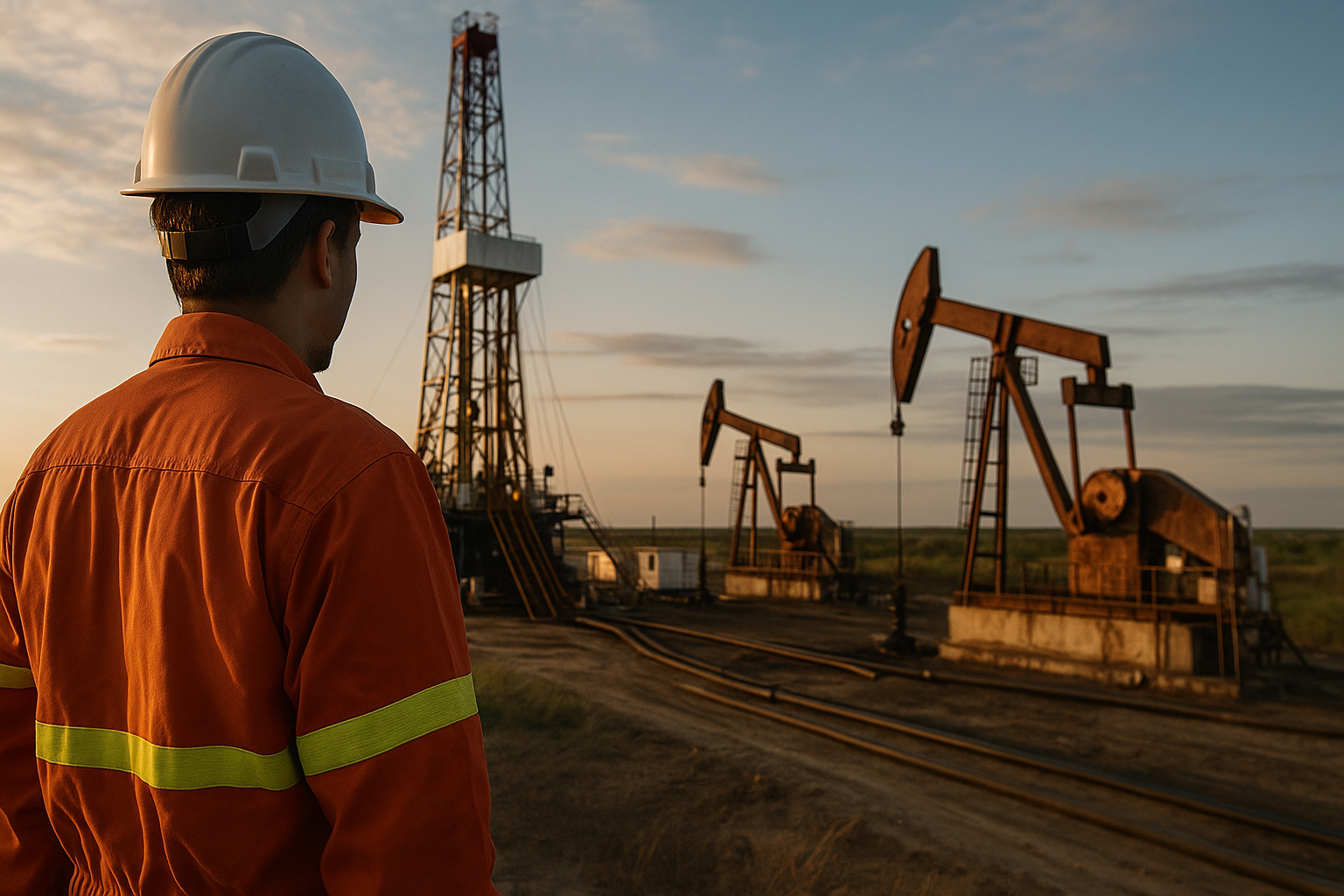
Understand How Oil and Gas Employment Drives the Economy, Generates Large-Scale Opportunities, and Impacts the Global Market in a Strategic and Sustainable Way.
The oil and gas sector has always played a strategic role in the economic development of many countries.
Indeed, from the first wells drilled in the 19th century to the large extraction platforms of today.
This industry generates billions of dollars and creates millions of direct and indirect jobs worldwide.
-
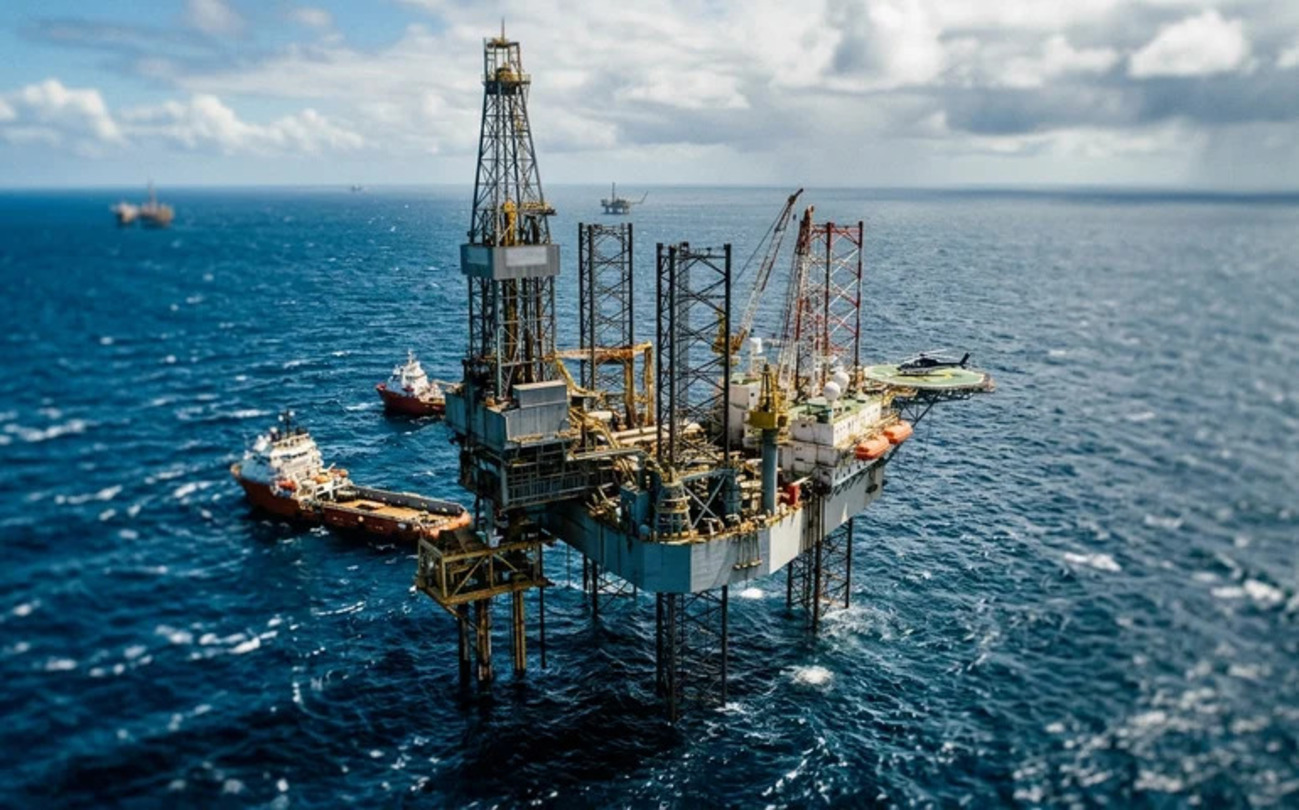
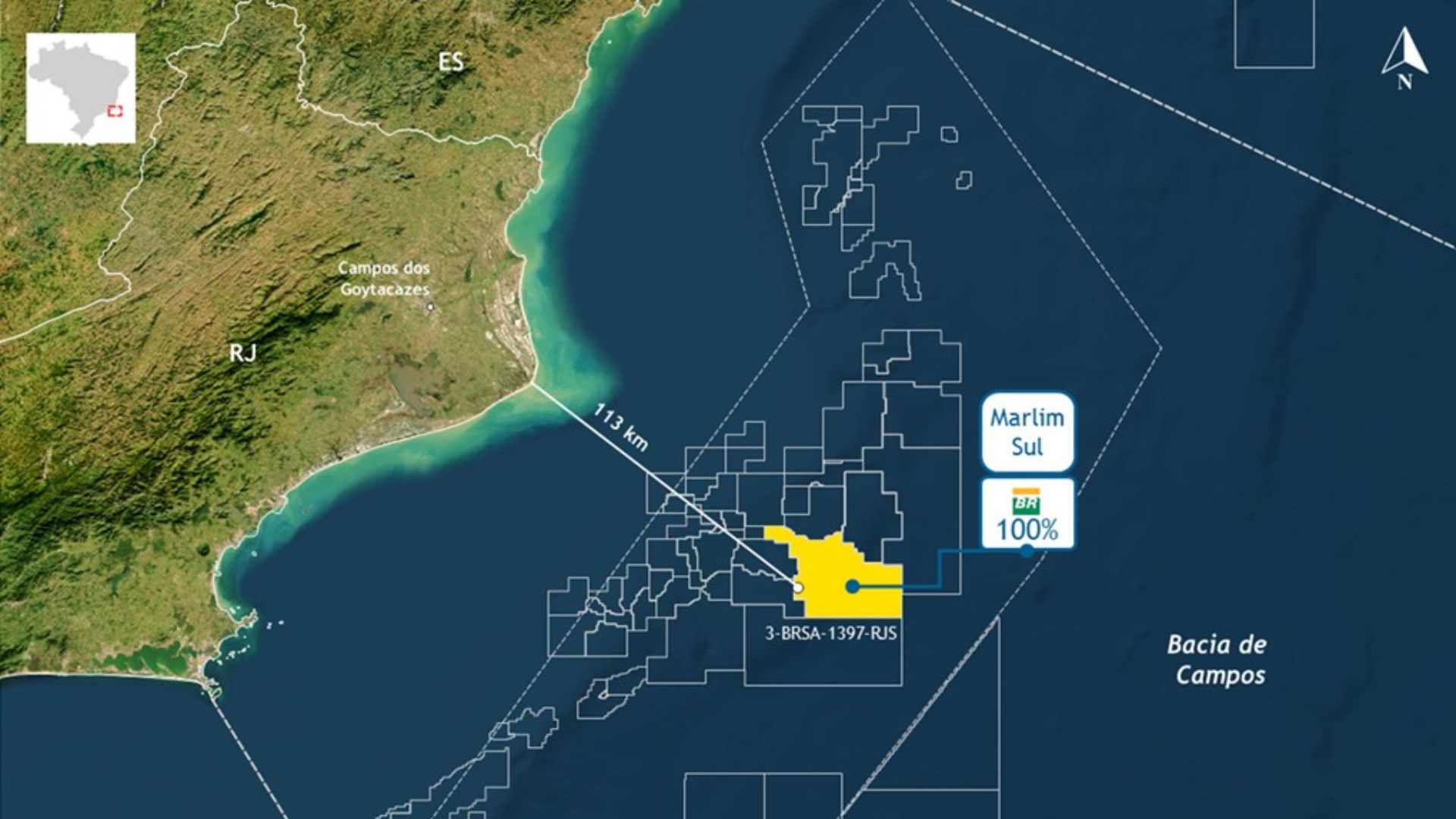
Brazilian giant expands borders in the Southeast: Petrobras confirms new oil discovery in ultra-deep waters in the pre-salt of the Campos Basin.
-
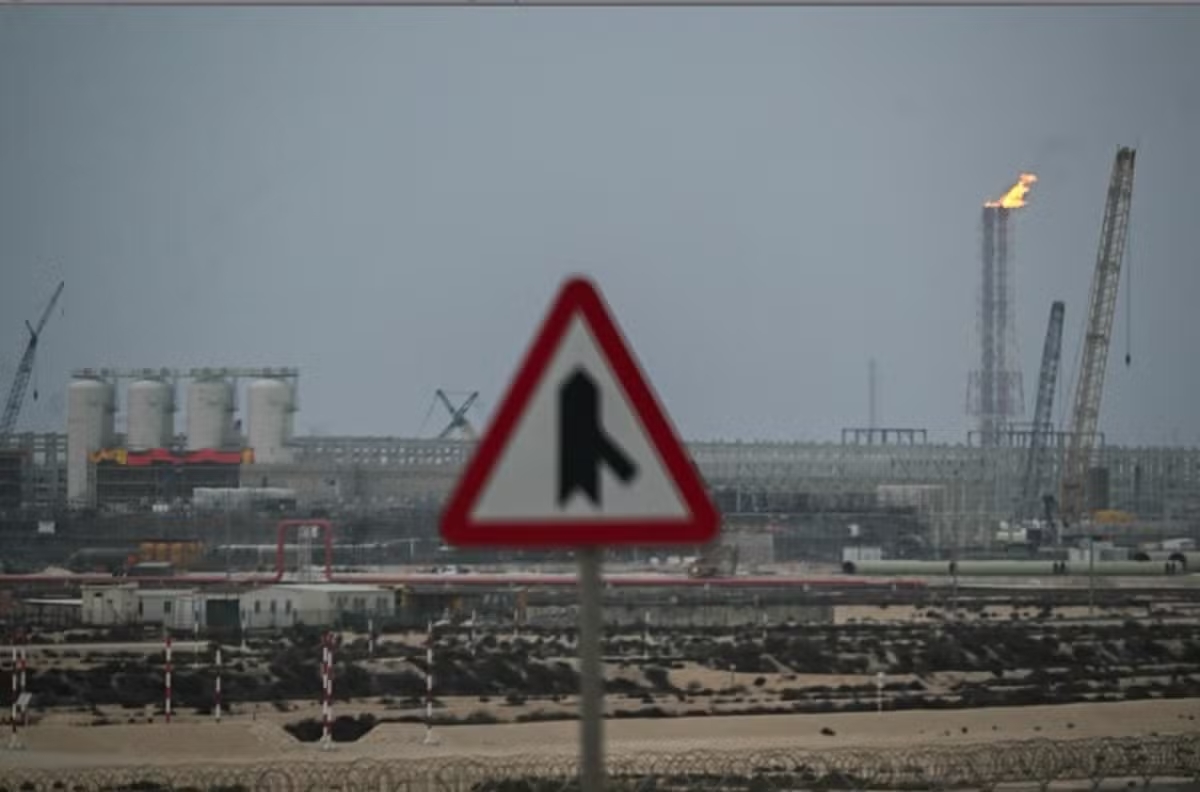
Alert in the global energy market: Severe tropical cyclone hits the coast and disrupts gas production at major plants in Australia, threatening global supply.
-
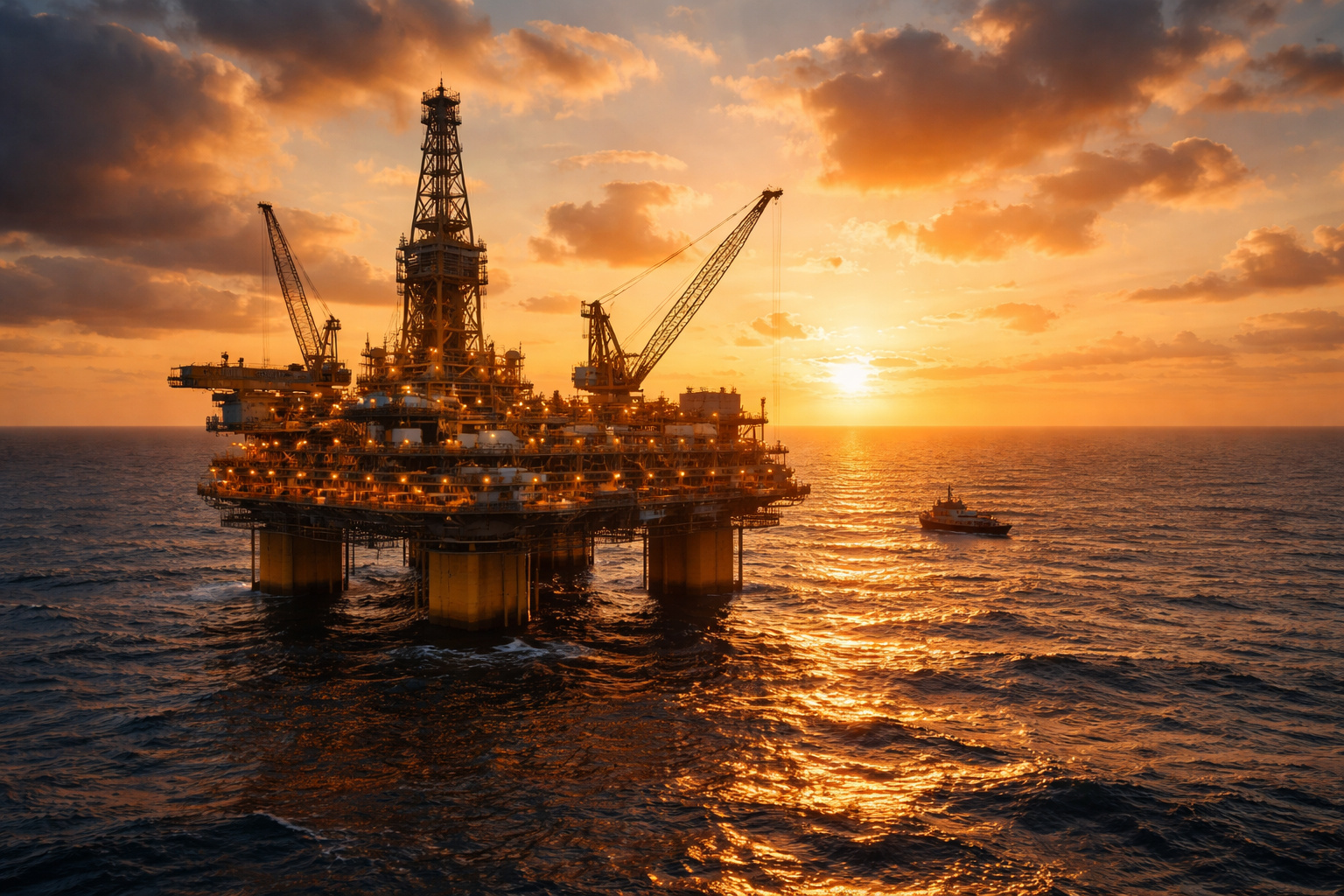
Petrobras finds high-quality oil in the pre-salt at 113 km from RJ and reignites expectations about strategic reserves in the Campos Basin.
-
Ocyan opens registrations for startups focused on innovation in the oil and gas sector and will select projects for Innovation Day with the support of Nexio.


Therefore, employment in oil and gas, besides offering attractive career opportunities, also profoundly influences the global market.
Affecting prices, investments, public policies, and even the geopolitical landscape.
According to the International Energy Agency (IEA), in its 2023 report, the oil and gas sector represents approximately 3% of global GDP.
In addition to being responsible for around 6 million direct jobs.
This significant presence shows the economic weight of the sector and its relevance to national and international economies.
Being one of the main drivers of the global economy, this sector not only creates job vacancies but also boosts complementary sectors.
Such as shipbuilding, metallurgy, transportation, and even financial sectors, which directly depend on activities related to extraction, refining, and distribution of fossil fuels.
Historical Roots of the Oil and Gas Sector
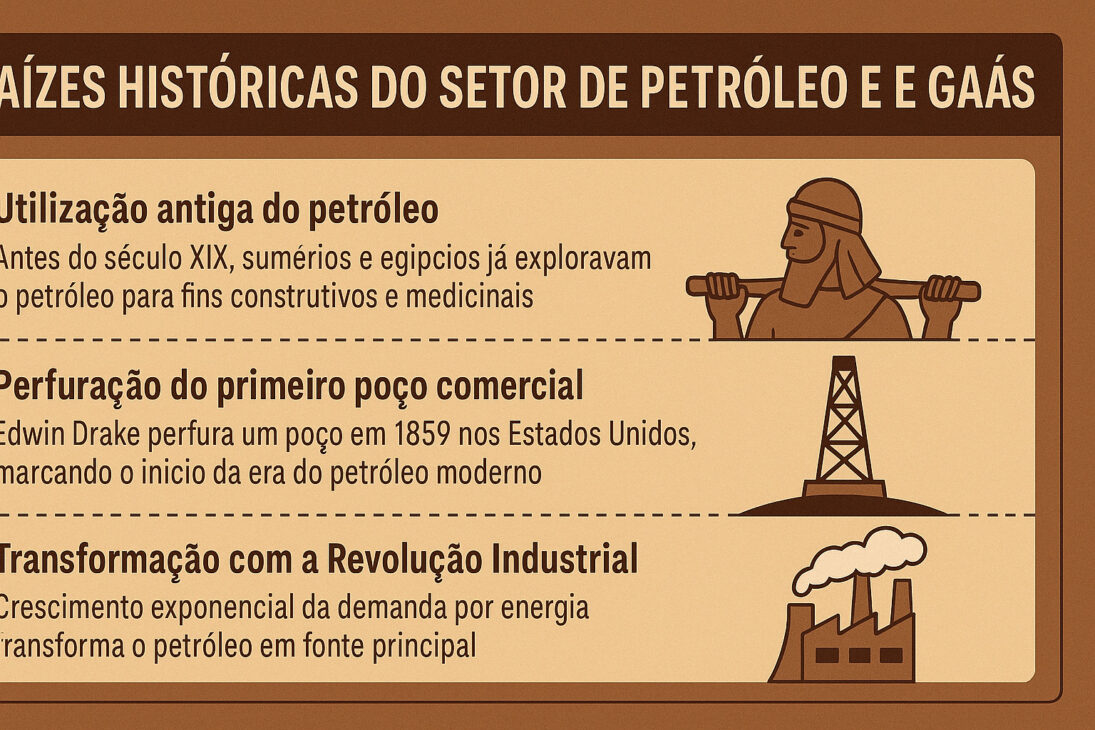
The history of oil as an energy source began in the 19th century, when Edwin Drake drilled the first commercial well in the United States in 1859, according to records from the American Society of Petroleum Engineers (SPE).
This discovery marked the beginning of the oil era as the primary energy source.
Before this, ancient peoples already used oil in a rudimentary way, mainly for lighting and waterproofing.
For example, the Sumerians and Egyptians were already exploiting natural bitumen for construction and medicinal purposes.
Thus, the discovery of large reserves and advances in drilling techniques transformed oil and natural gas into fundamental pillars of the modern economy.
From the Industrial Revolution onward, the demand for energy grew exponentially, accelerating the development of the oil industry.
According to the U.S. Department of Energy (DOE), railway transport and later automotive transport required large volumes of fuel.
Expanding the market and production on a global scale.
In Brazil, the transformation occurred mainly in the second half of the 20th century. According to Petrobras, founded in 1953, the state-owned company took on the role of exploring and developing the national oil industry.
The discovery of the pre-salt layer in 2006, according to Petrobras data, represented a technological and economic leap for the country, opening new frontiers for exploration and generating a wide creation of specialized jobs.
Job Creation and Economic Impacts
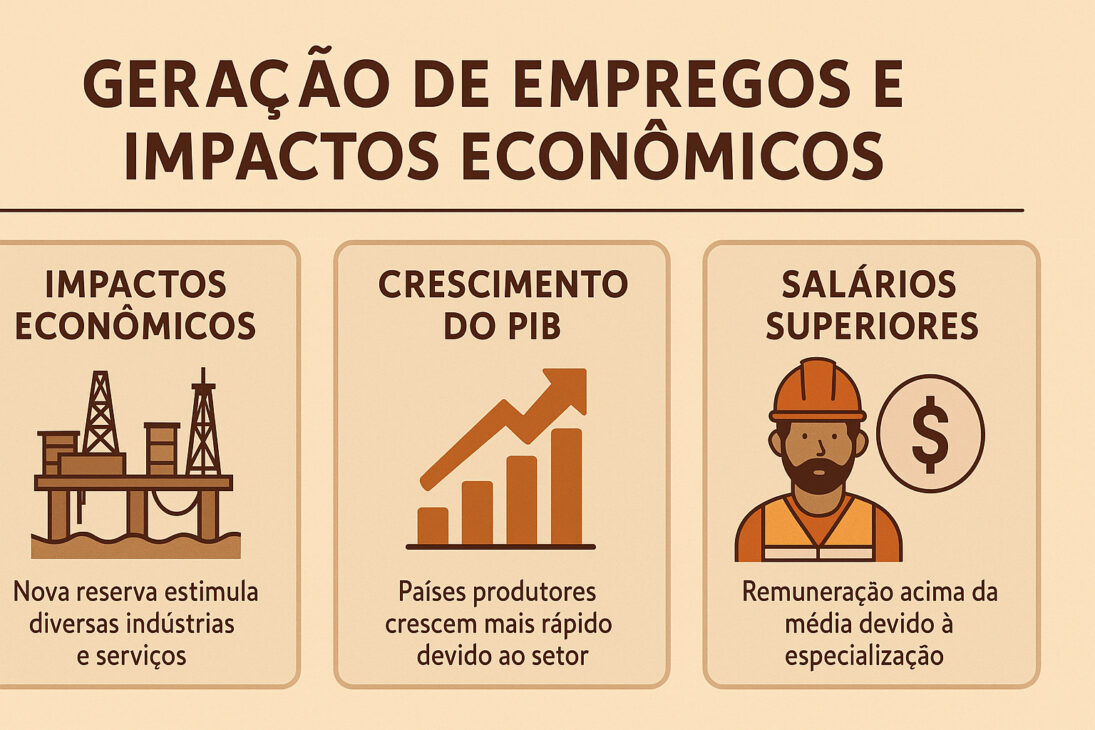
Employment in oil and gas represents much more than a simple job opportunity.
In fact, it directly contributes to the growth of cities, technological development, and the expansion of previously inhospitable areas.
For instance, when a new reserve appears, there is mobilization to create infrastructure, hire labor, install equipment, and organize transportation logistics.
In this way, this active movement not only stimulates the energy sector but also construction, commerce, hospitality, and services in general.
According to the World Bank, in 2024, oil-producing countries show an average GDP growth higher than countries without this natural wealth, mainly due to the production chain involving the sector.
Moreover, salaries in this field tend to exceed the national average, especially in technical or engineering positions.
This occurs due to the degree of specialization required and the working conditions, often in remote or difficult-to-reach locations, such as offshore platforms or desert regions.
Countries like Brazil, the United States, Saudi Arabia, Russia, and Venezuela depend significantly on this sector.
According to World Bank data updated in 2024, employment in oil and gas represents a significant portion of the Gross Domestic Product (GDP) of these countries, in addition to directly impacting human development indices.
Thus, municipalities near exploration fields grow rapidly, both in infrastructure and population, thanks to the migration of workers in search of better opportunities.
Additionally, this sector generates indirect jobs in areas such as scientific research, development of environmental technologies, and industrial safety, amplifying its social and economic impact.
Professional Training and New Demands
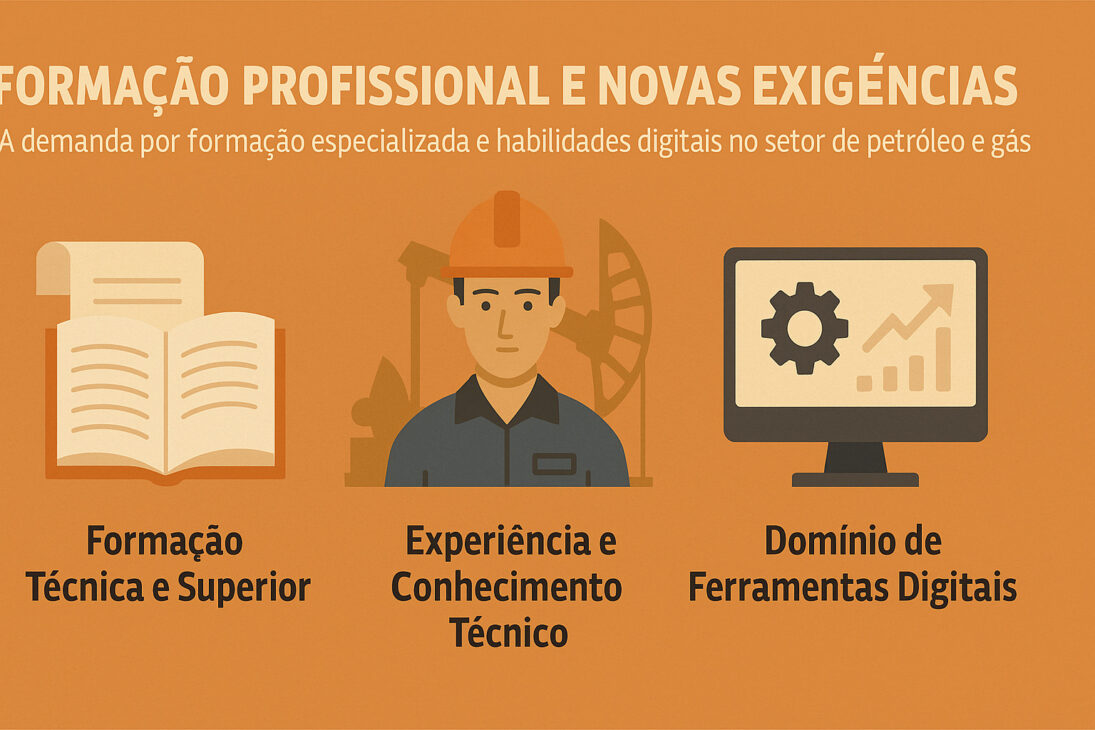
To work in this sector, companies generally require technical or higher education in areas such as petroleum engineering, chemical engineering, geology, geophysics, and production operations technology.
Moreover, there are specific courses that train drill operators, drillers, extraction supervisors, among others.
Therefore, the market values professionals with experience, adaptability, and knowledge of automation and safety technologies.
With the advancement of extraction technologies and the increasing use of software for geological data analysis, the profile of professionals has also been changing.
Today, in addition to practical knowledge, it is expected that workers master digital tools and have data analysis skills, as much of the operational decisions depend on technical information collected in real-time.
This scenario creates a growing demand for specialization and continuous training courses, leading companies to invest more in training their employees to ensure efficiency and safety in operations.
Furthermore, work safety takes priority in the sector, given that extraction and production operations involve high risks.
Therefore, professionals working in the field must follow strict protocols that ensure physical and environmental integrity, according to guidelines from the International Labour Organization (ILO) updated in 2023.
The Influence of the Sector in the Global Market
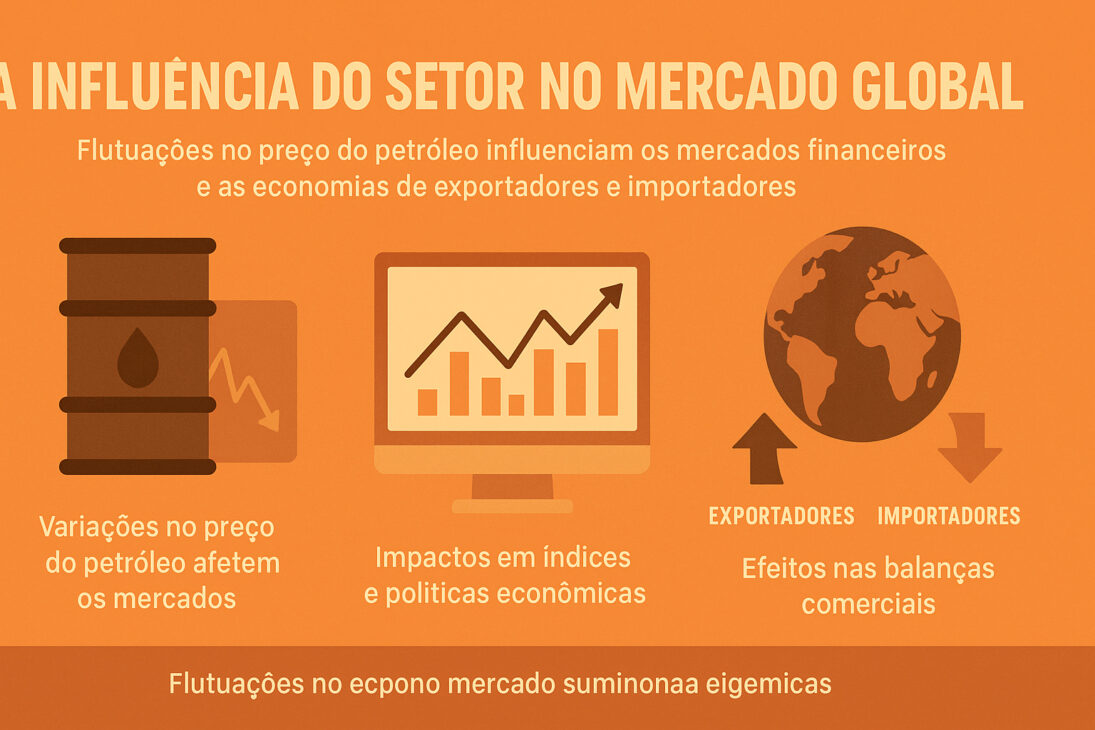
The oil and gas sector has a direct influence on the global financial market. Economists and investors closely monitor the price of oil per barrel, as any variation affects supply chains, monetary policies, and inflation indices.
When the price of oil rises, various products and services tend to become more expensive, as much of them relies on road and maritime transport — both powered by fossil fuels.
Moreover, exporting countries face deep impacts on their public budgets when international oil prices fluctuate.
In contrast, importing countries suffer changes in trade balance and industrial competitiveness.
All of this shows how oil and gas employment is part of a much larger economic machine, which goes far beyond the simple exploration of a raw material.
The market also reacts to geopolitical conflicts and political decisions that alter the production and trade of oil, impacting employment directly in various regions.
For example, embargoes and economic sanctions against certain producing countries cause market fluctuations that reverberate in hiring volumes, according to the annual report of the Organization of the Petroleum Exporting Countries (OPEC) for 2024.
Transitions and Future Challenges
Despite its strength, the oil and gas sector faces significant challenges.
The rising pressure for more sustainable and renewable energy sources leads governments and companies to invest more and more in alternatives such as solar, wind, and green hydrogen energy.
This does not mean that oil will lose its relevance immediately, but the scenario points to an energy transition, according to the Intergovernmental Panel on Climate Change (IPCC), 2023 report.
In this context, employment in oil and gas is likely to undergo transformations.
Professionals working in this market will need to adapt to new environmental demands, learn about energy efficiency, and in many cases, shift to roles related to clean energies.
Another important question involves the fluctuation in the number of available vacancies.
Since the sector depends on geopolitical factors and oil prices, moments of crisis — such as pandemics, wars, or economic embargoes — provoke retractions in hiring.
On the other hand, in periods of production increase, job offers rise significantly, especially in countries that expand their exploration capacity.
Moreover, technological innovation promises to revolutionize the industry, with the use of artificial intelligence, robotics, and automation that can both replace some traditional functions and create new areas of work for qualified professionals.
Employment in oil and gas represents one of the pillars of the global economy.
Oil and gas will remain vital energy sources for a long time and, consequently, sources of work, innovation, and growth.









Seja o primeiro a reagir!