





 Português
  Inglês
  Espanhol
  4 min de leitura
  0 comentários


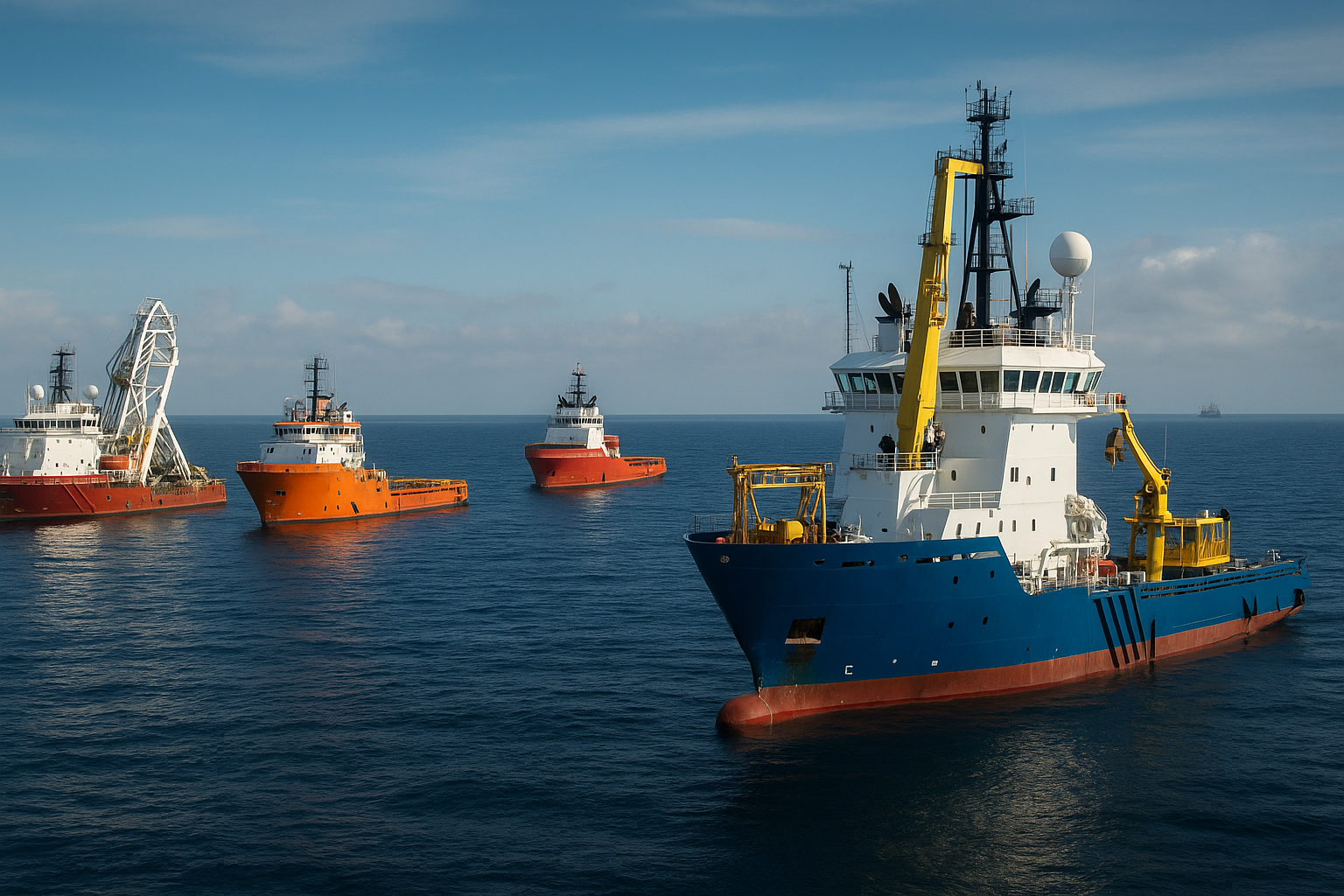
Learn About The Main Types Of Offshore Vessels And Understand How These Specialized Ships Are Essential For Exploration, Production And Innovation In The Oil, Gas And Renewable Energy Market At Sea.
Since ancient times, the oceans have always served as a source of wealth and exploration for humanity.
In fact, since the great navigations, vessels have played a key role in the economic development of various nations by transporting people and goods.
With the advancement of technology and, consequently, the increasing demand for energy, especially from the 20th century onwards, the need arose to access natural resources located far from the coast, at the bottom of the sea.
-
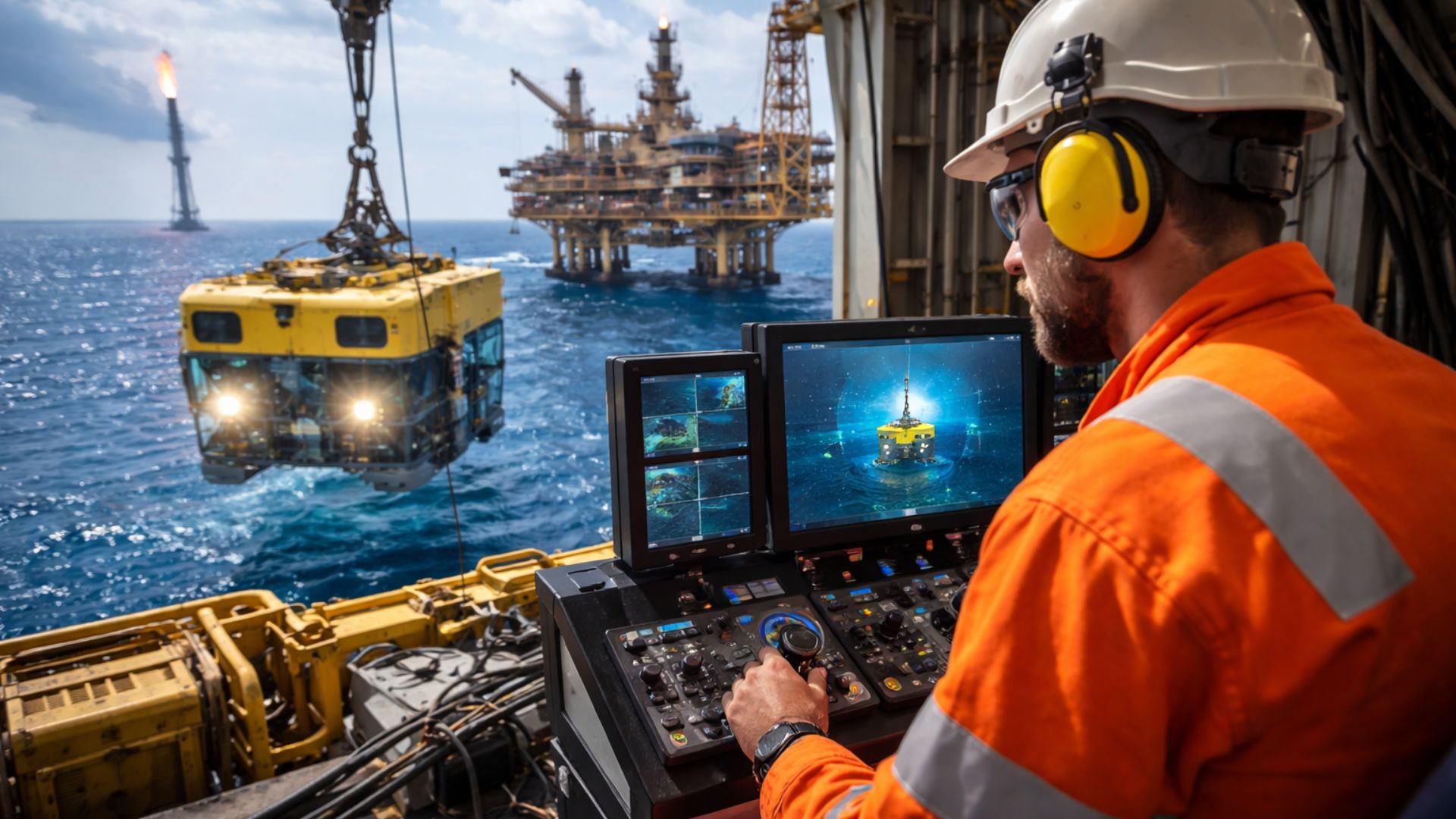
With Announcement for ROV Course in Partnership with Zen, Rio das Ostras Aims to Transform Technical Qualification into Real Jobs in the Competitive Offshore Market
-
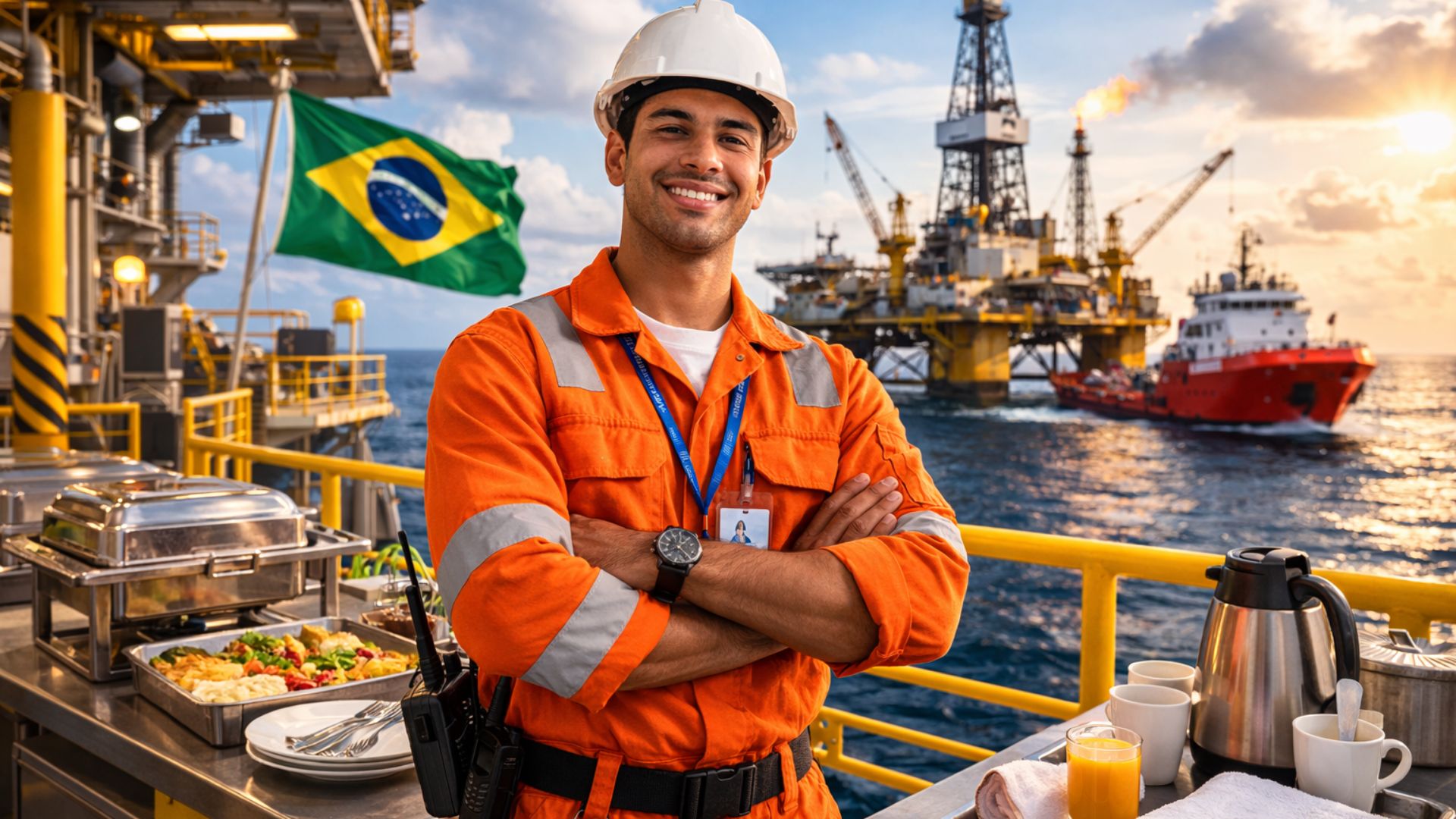
Free Offshore Steward Course in São Gonçalo Emerges as a Strategic Opportunity for Those Seeking Qualified Work at Sea
-
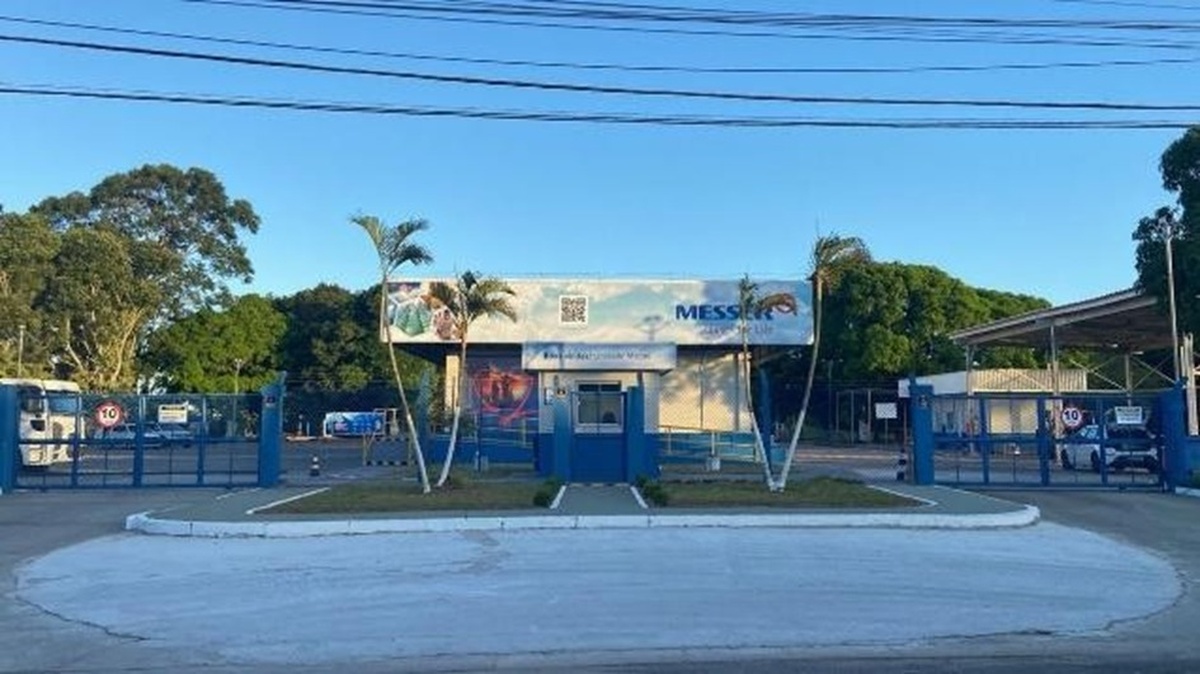
Messer Gases Reopens Branch in Macaé to Serve Offshore Oil and Gas Market in Northern Fluminense with Supply of Oxygen, Argon, and CO₂
-
Offshore Profession Simplified: Comprehensive Guide Reveals How to Trade Common Routine for High Salaries and Long Breaks in Life Aboard in the Oil Sector
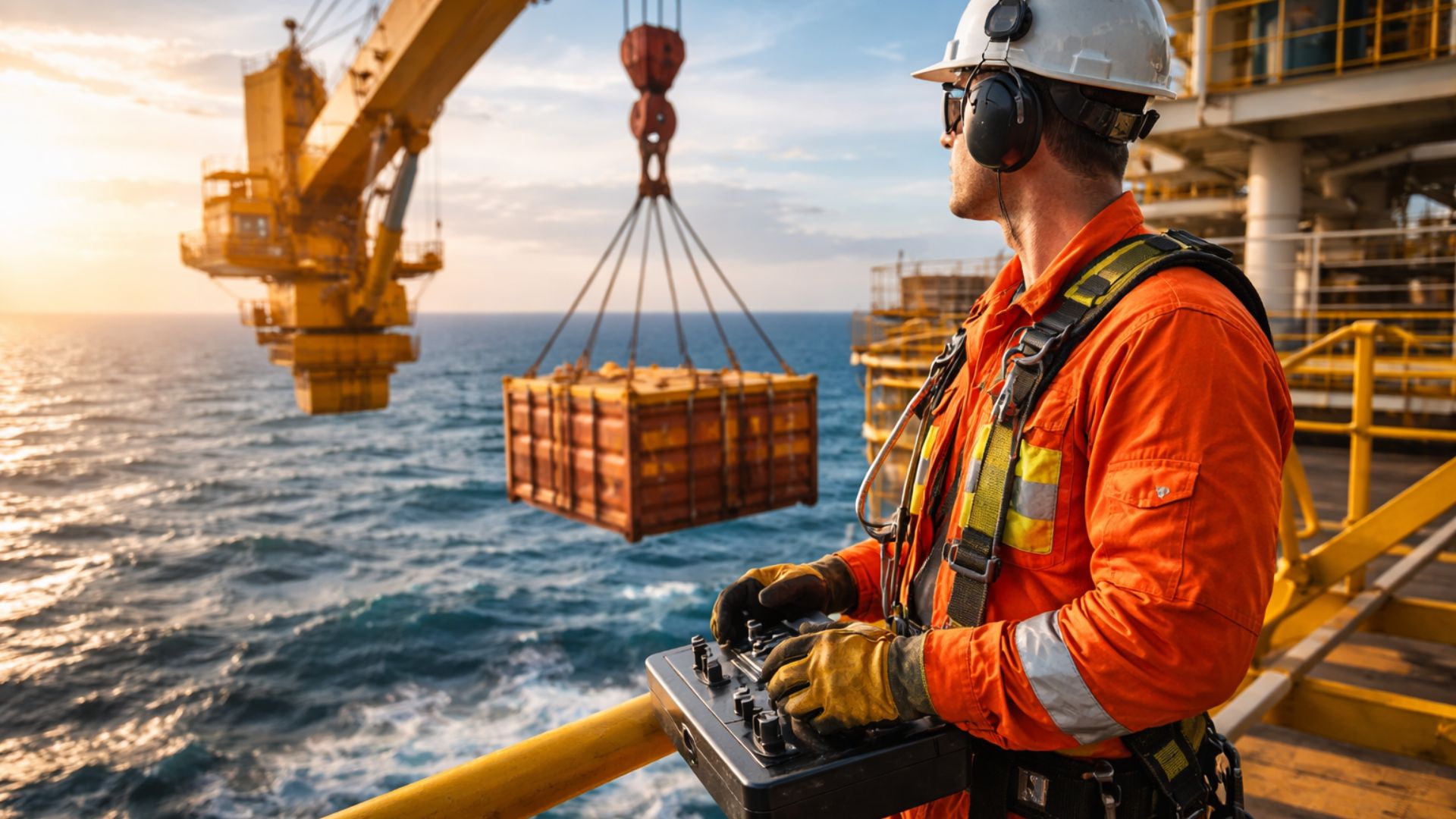

Thus, the offshore industry gained prominence, becoming a specialized sector that operates in deep waters.
In this scenario, the types of offshore vessels play an essential role in enabling complex operations at sea.
Offshore vessels are ships developed to support oil and gas exploration and production activities at sea.
They operate in different phases of these operations, transporting personnel and equipment, as well as installing and maintaining platforms.
Indeed, each type of vessel plays a crucial role in the progress of operations. For this reason, the diversity of these vessels results from the complexity and constant technological evolution in the sector.
Historically, offshore exploration began with fixed platforms installed in shallow waters close to the coast.
However, over time, the search for new oil reserves led the industry to explore areas that are increasingly distant and deep.
The advancement of maritime technology has transformed these vessels into true floating operational centers.
With advanced communication systems, sophisticated sensors, and the ability to integrate with platforms and control centers onshore, offshore vessels enhance the efficiency and safety of operations at sea.
This is essential, especially given the environmental and technical challenges of working in such hostile environments.
Main Types Of Offshore Vessels And Their Strategic Functions
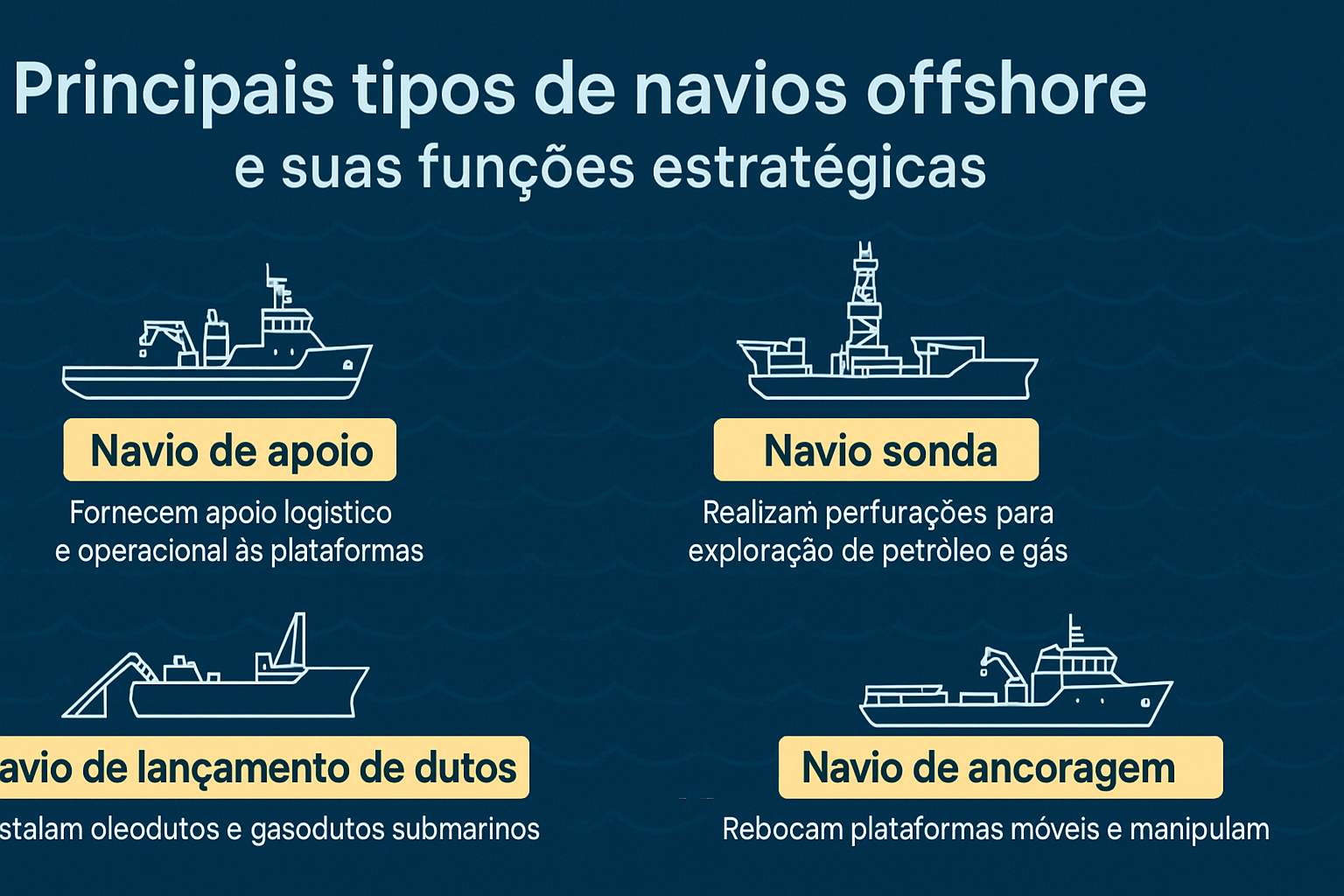
Among the main types of offshore vessels, there are support vessels, drillships, pipelay vessels, construction and maintenance vessels, supply vessels (PSV), anchor handling vessels (AHTS), among others.
Thus, each plays a strategic role in the offshore production chain.
For example, the supply vessels transport food, spare parts, fuel, and other supplies to the platforms. Without them, offshore operations would halt.
Meanwhile, AHTS vessels tow mobile platforms and position them accurately, as well as handle their anchors.
These vessels also operate in emergencies, such as fire-fighting and rescue support at sea.
Drillships function as mobile drilling platforms, equipped with drilling towers and well control systems that allow access to reservoirs at great depths.
They are true floating factories that operate autonomously for long periods, with highly qualified crews on board.
Additionally, pipelay vessels install pipelines that transport oil and gas from the platforms to storage or refining points onshore.
This operation requires extreme precision, especially in deep waters, where pressure is high and the seabed is uneven.
These vessels utilize cutting-edge equipment, such as dynamic positioning systems and massive cranes, ensuring safety and efficiency.
Furthermore, there are vessels specialized in support for heavy equipment installation projects and modular structures, used in the assembly or expansion of platforms.
This diversity shows, therefore, the complexity of the offshore industry and how each vessel is adapted for a specific function.
Innovations And Sustainability
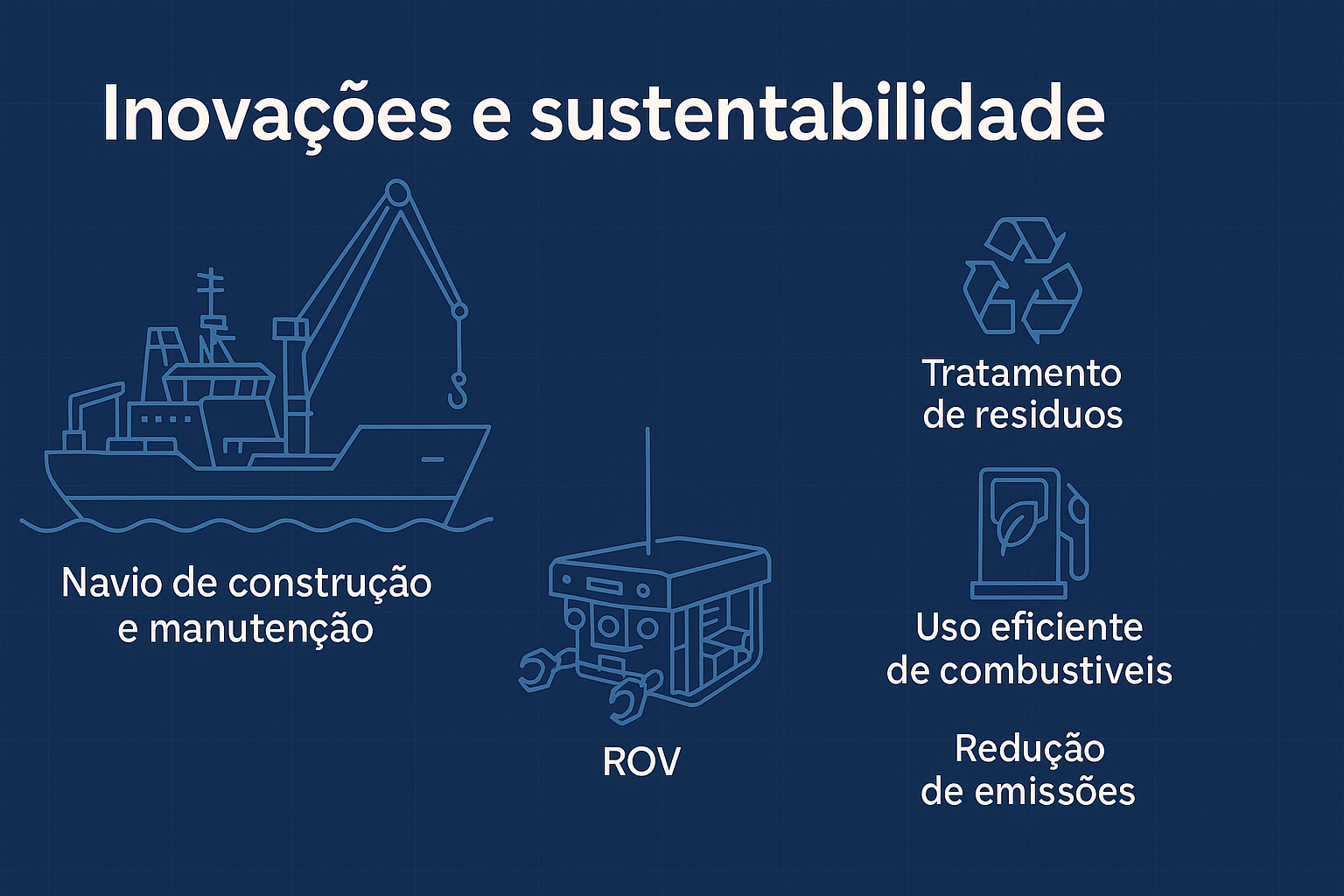
Construction and maintenance vessels install underwater structures, such as subsea trees — sets of valves and equipment that control the flow of oil in wells — and conduct inspections and repairs on submerged equipment.
Often, these vessels operate alongside submersible robots called ROVs (Remotely Operated Vehicles), controlled by technicians on board.
These types of offshore vessels operate in a highly competitive market where efficiency, safety, and sustainability are decisive.
Moreover, there is a growing effort to make operations more sustainable. Many offshore vessels already have waste treatment systems, efficient fuel use, and technologies to reduce pollutant emissions.
This demonstrates that, despite being linked to the oil industry, offshore processes are adapting to new environmental and social demands.
New Challenges In The Offshore Market
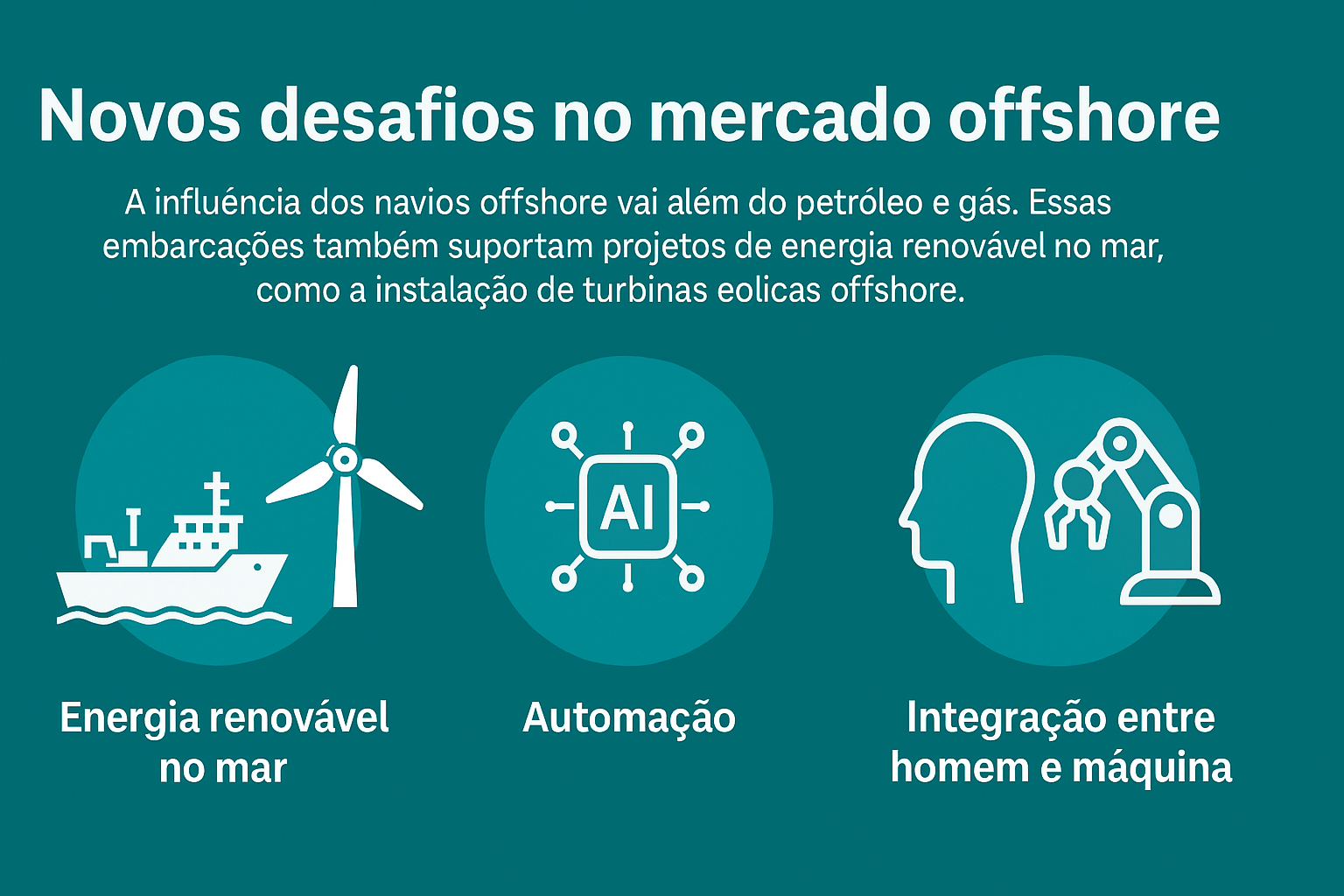
The influence of offshore vessels goes beyond oil and gas. These vessels also support offshore renewable energy projects, such as the installation of offshore wind turbines, which are gaining ground in Europe, Asia, and North America.
The know-how accumulated by the offshore industry opens doors to new sectors, expanding the role of these vessels in the global economy.
Another growing challenge is automation. The incorporation of digital technologies, artificial intelligence, and drones promises to further transform the operation of these vessels, reducing risks and increasing precision at sea.
Thus, the future of the industry is heading towards a greater integration between man and machine, in safer and more efficient environments.
With all this, it becomes clear that understanding the types of offshore vessels helps to comprehend the operation of the global energy sector.
These vessels connect technology, humans, and the sea. They enable operations that require precision, resistance to extreme conditions, and efficient logistics.
Without them, a large part of the energy production that powers the planet would not exist.
The history and evolution of offshore vessels reflect humanity’s technological advancements and its ability to overcome increasingly complex challenges.
From transporting supplies to installing platforms and turbines, these vessels are silent protagonists of a billion-dollar industry that is constantly evolving.









Seja o primeiro a reagir!