





 Portuguese
  English
  Spanish
  5 min of reading
  0 comments


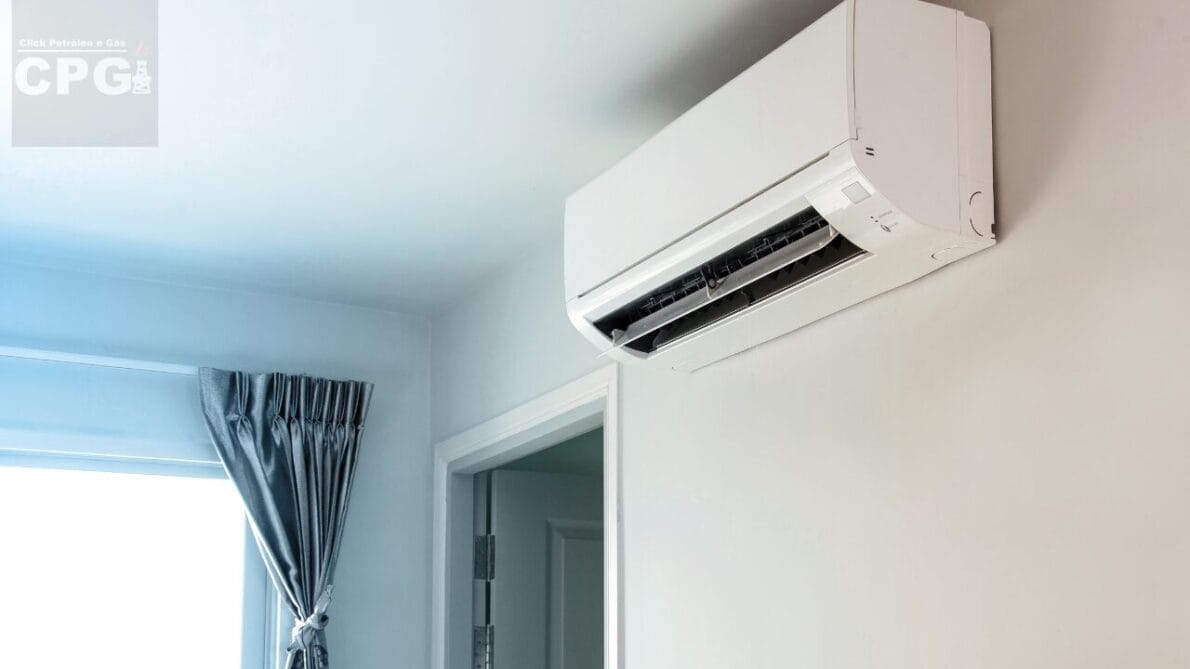
Discover The Best Methods To Use Air Conditioning And Save Energy. Keep Your Home Cool And Your Wallet Happy
Although many people have air conditioning at home, there are still questions about how to use it efficiently. Air conditioning consumes a lot of energy; for instance, keeping all the lights on in an average house throughout the day and night consumes approximately the same amount of energy as one hour of air conditioning in the same space.


Reduce The Temperature Efficiently, Saving Energy
Many people believe they can save money and energy by cooling the environment to a very low temperature, like 17°C, for a short period, and then turning it off and enjoying the cool air until it needs to be turned on again. However, it takes a lot of energy to bring a space down to such a low temperature.
While it may seem like a cost-effective option, briefly cooling the environment at very low temperatures is not the most energy-efficient choice. Here we explain what to do instead.
-
ZCC 11000 crane lands at the port of Vitória and heads to Ceará in a convoy with 64 trailers: Zoomlion, founded in 1992, builds a monster that lifts over 600 compact cars to 93 m.

-
The biggest drama of being born on Mars is not breathing: Rice biologist says that colonists’ children may cease to be Homo sapiens, shaped by low gravity, radiation, and isolation that divides humanity.

-
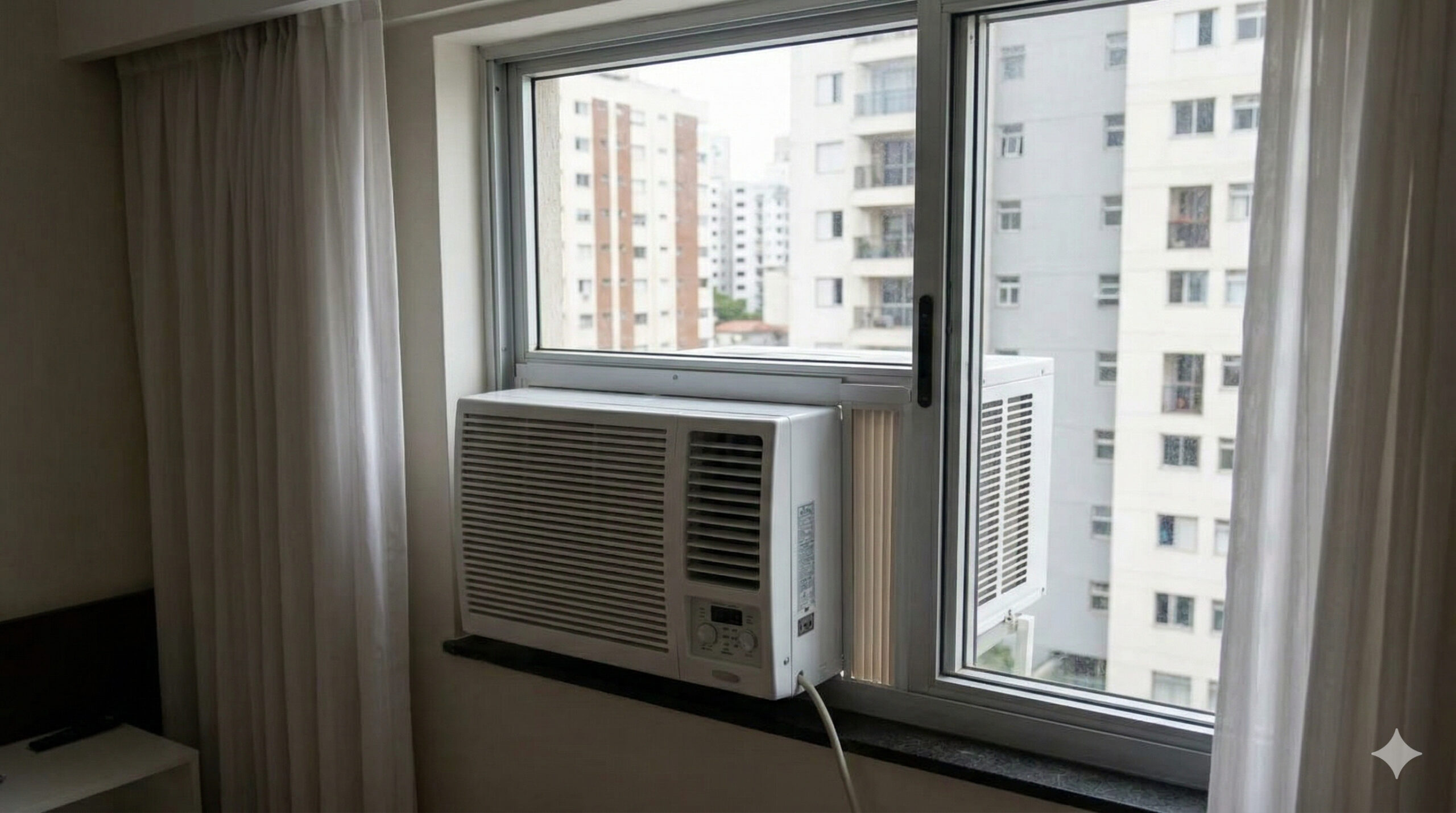
With no separate outdoor unit and designed to fit in the window, monoblock air conditioners used in Japan emerge as an alternative for those who cannot install a split system in a rented apartment.
-
China prepares a 78,000-ton pilotable floating island for deep-sea research: it accommodates 240 people for months, withstands category 17 typhoons and 9-meter waves, and uses metamaterials that dissipate nuclear explosions.

Reduce Heat Accumulation In Your Home
First, try to minimize the need for air conditioning. Look for ways to prevent your home from heating up.
Heat can enter from outside through surfaces like walls, windows, and ceilings. Hot air can seep in under doors or through open windows and vents. Appliances and people inside the house also generate heat (though the impact of heat generated by people is relatively small unless there’s a large group).
To reduce some of this heat, you can:
- Close blinds and windows before it starts to get hot.
- Use weather stripping on exterior doors to prevent hot air from coming in.
- Plant trees (deciduous trees will allow sunlight in during winter).
- Install external shades, especially on the north and west facing sides of your home.
- Improve the insulation of ceilings and walls, the glazing, and sealing of windows (if time and budget allow).
- Reduce the use of the oven and cooking on very hot days (more efficient appliances reduce this heating effect and save energy).
Solar systems on the roof provide a double benefit: they add shade to the roof to prevent heat from entering this way and offset energy use.
If you live in a two-story house, the lower level may be a few degrees cooler; being on the ground floor on a very hot day can be helpful.
Set Your Air Conditioning To The Highest Temperature That Is Comfortable
Regarding air conditioning, the most energy-efficient action is to set the temperature to the highest value that is still comfortable (26°C during the day and 22°C for sleeping is a common recommendation). Then, leave it on.
Modern units (with technology known as “inverter”) will efficiently adjust their output to maintain the indoor temperature at the value you chose.
However, be cautious; setting the temperature too low can cause the unit to use more energy than you realize (according to the star rating label).
Older units without inverters will turn on and off to maintain the temperature, and you will typically be able to hear and feel this. (On the other hand, newer inverter units do not tend to turn on and off as much; they generally stay on and continuously modulate their output).
For non-inverter units, generally, staying on much longer than being off indicates that the air conditioning is working very hard. This may suggest that the unit is too small for the space you are trying to cool, or that you have too much heat in the house (are you cooking a roast?). It could also suggest a malfunction.
Ceiling Fans And Maintenance Can Help
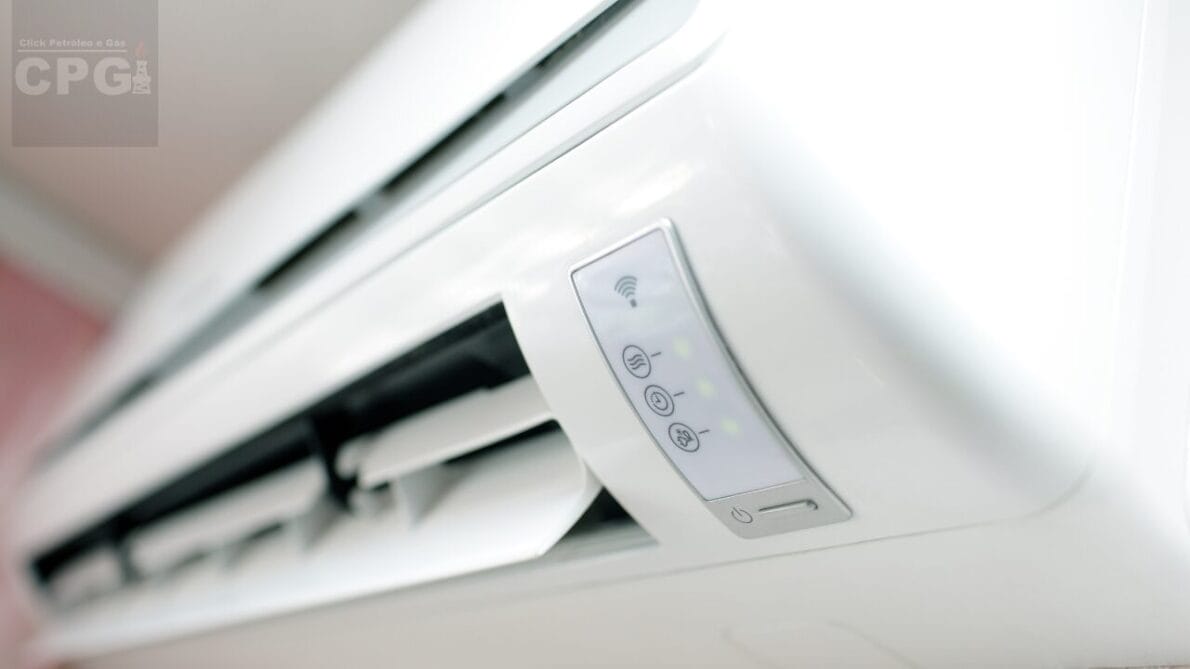
Regardless of the type of air conditioning you have, for each degree Celsius the temperature is lowered, energy consumption increases by 5% to 10%. Therefore, it is important not to overcool. Repeatedly cooling a space with air conditioning to a very low temperature throughout the day is not a smart option.
Using ceiling fans along with air conditioning can make the environment feel 2-3°C cooler due to air movement, meaning you can set your air conditioning to a higher temperature. Fans use very little energy compared to air conditioning.
Regularly clean the air filters (your manual will explain how) and ensure that the grilles and vents are not blocked by furniture or, in the case of outdoor units, by vegetation.
If parts of your outdoor units are very corroded or bent, the unit likely will not operate as well. Animals can cause damage to outdoor units, but the parts can usually be easily replaced.
If your air conditioning doesn’t seem to work well, makes unusual sounds, or if error codes appear on the control unit, have it checked.
And if a cool temperature change arrives, turn off the air conditioning and open as many windows and doors as possible to allow the breeze to flow through the house.
If you have a time-of-use electricity rate (this will be on your electricity bill if applicable), reducing use in the afternoon and evening can save a lot. Electricity prices can be double or more at those times.
An Efficient Unit Can Save Money And Energy In The Long Run
When the time comes to replace your air conditioning, carefully consider energy efficiency or star rating.
The more stars, the better; even an additional half star can offset your cost over the lifespan of the unit (especially if you also use it in the winter for heating).









Seja o primeiro a reagir!