





 Português
  Inglês
  Espanhol
  5 min de leitura
  0 comentários


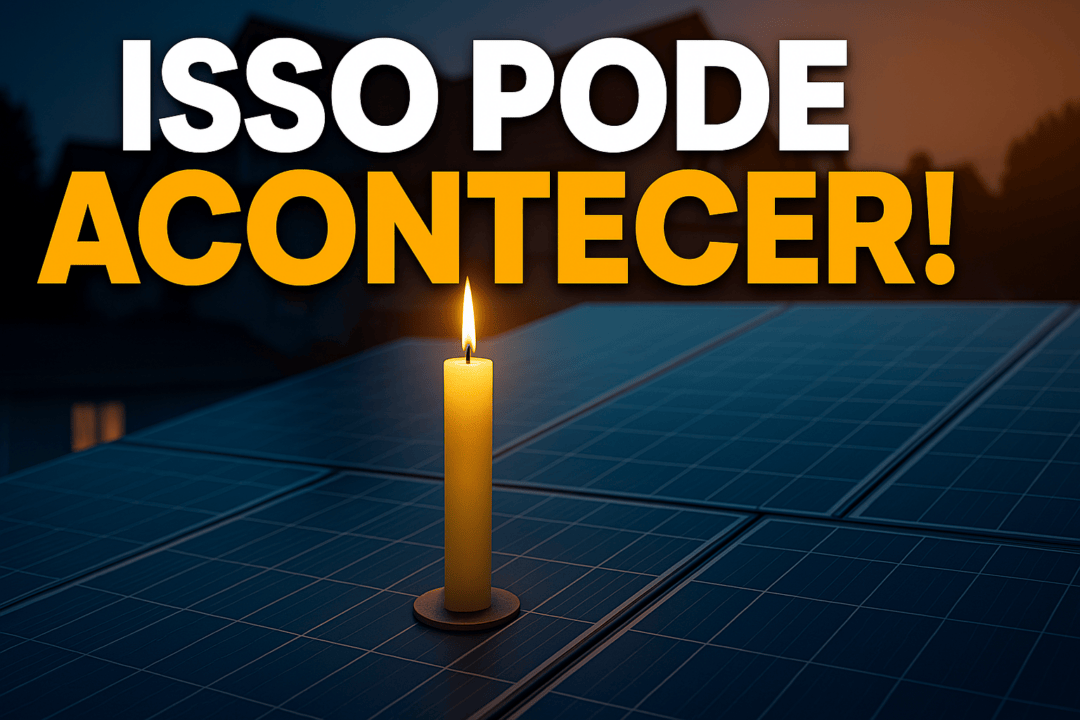
You Have Solar Energy… But Does It Work When the Power Goes Out? This Answer May Surprise You (and Prevent a Blackout in Your Home)
Do you know what happens to solar energy when there is a power outage on the grid? Understand why the type of system (on-grid, off-grid, or hybrid) makes all the difference in blackout situations and see how Aneel regulates the operation of these systems in Brazil.
Brazil has experienced significant growth in the adoption of photovoltaic solar energy, both in homes and businesses. The benefits are widely known: savings on electricity bills, lower environmental impact, and increased property value. However, a common question among many users — including those who already have a system installed — is: what happens to solar energy when the power goes out on the public grid?
At first glance, it may seem obvious to think that if the energy comes from the sun, the supply will continue normally even during a blackout. But in practice, this answer depends directly on the type of system installed, and involves technical factors, safety standards, and even Aneel regulations.
-
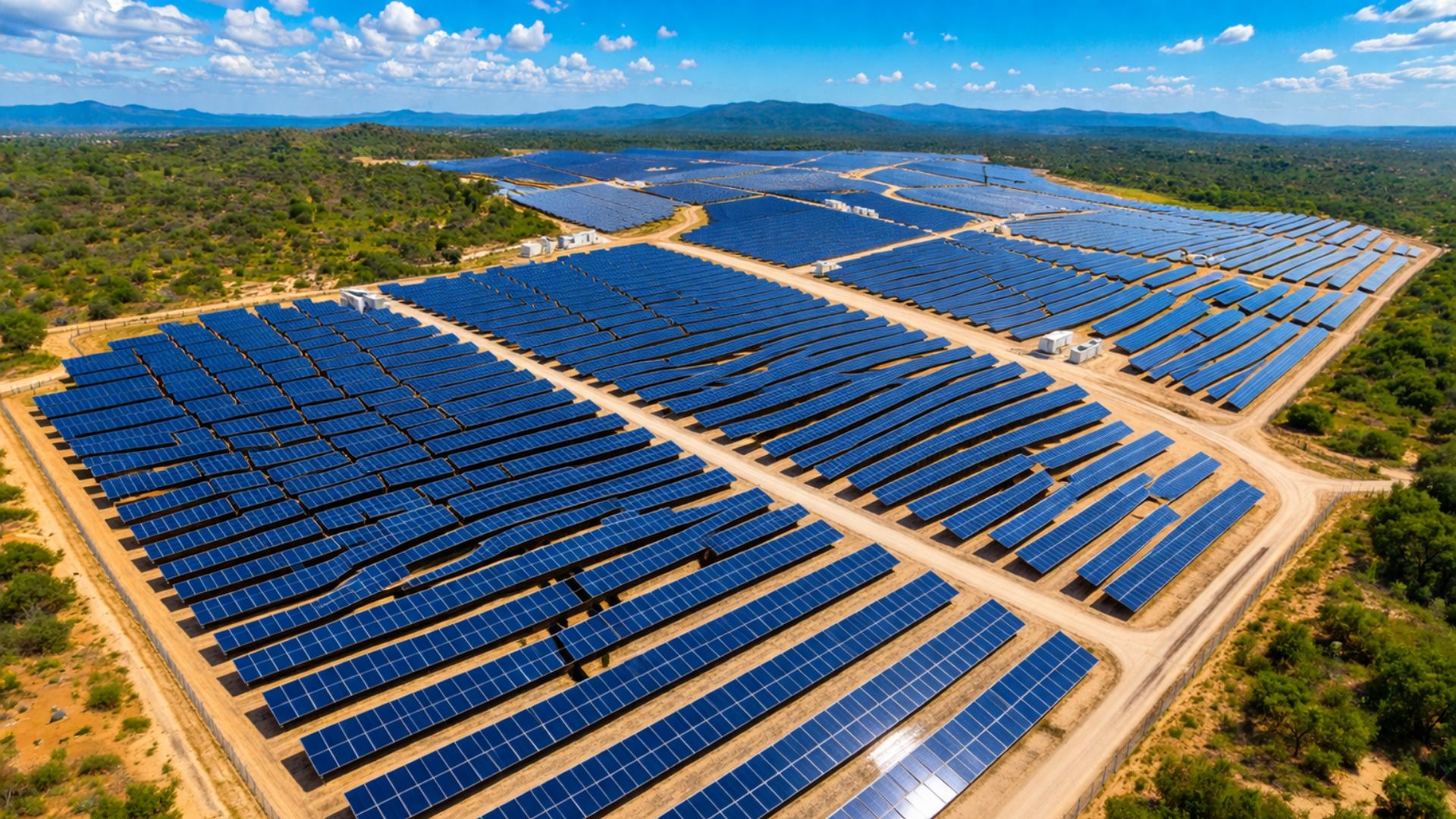
The Sol do Agreste Photovoltaic Complex begins operations in Pernambuco and accelerates the expansion of solar energy in Brazil, directly impacting the reduction of emissions and strengthening the sustainable energy matrix.
-
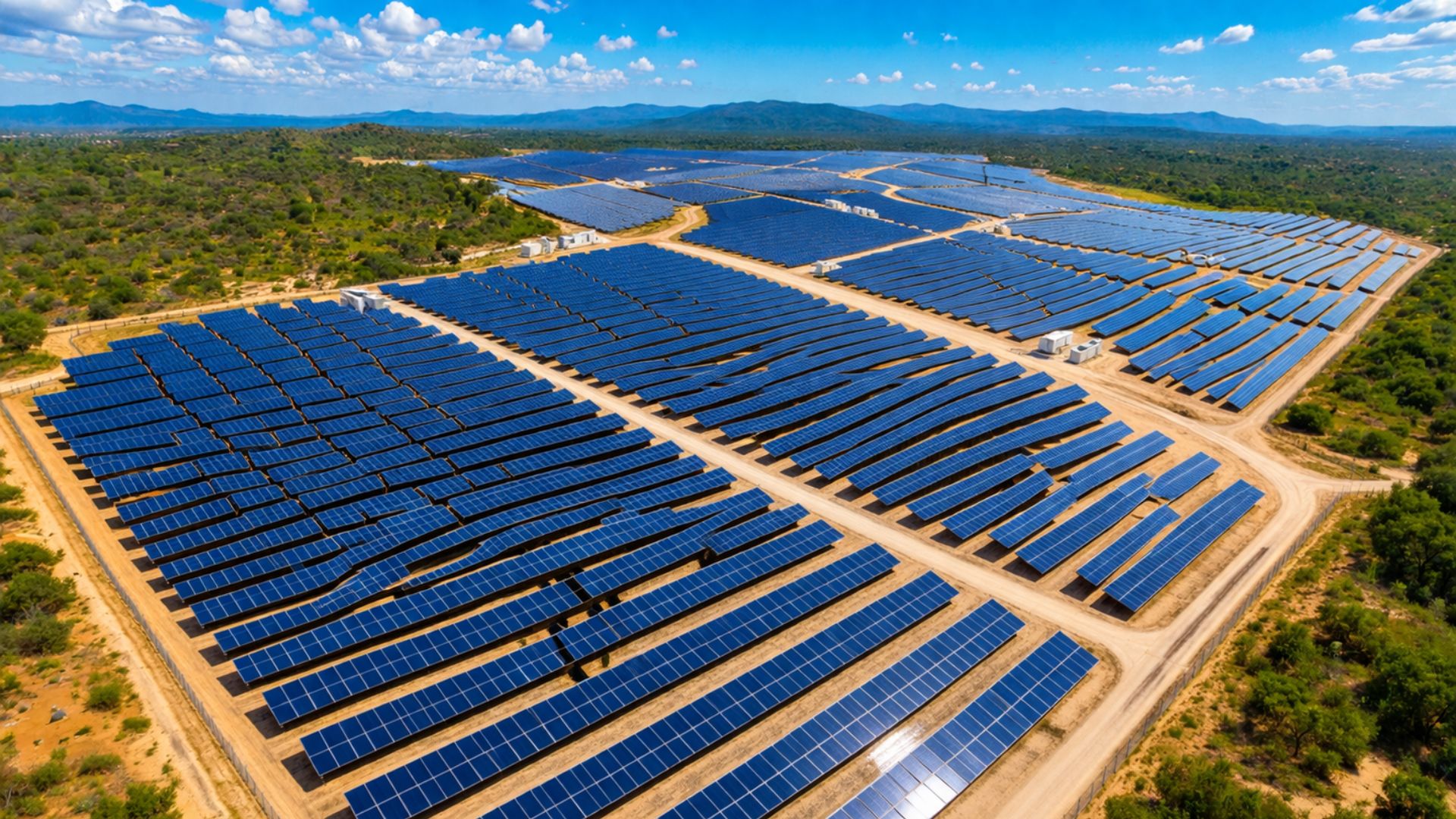
The Sol do Agreste Photovoltaic Complex begins operations in Pernambuco and accelerates the expansion of solar energy in Brazil, directly impacting the reduction of emissions and strengthening the sustainable energy matrix.
-
Roraima bets on the sun to escape high tariffs: Amid the energy crisis and price hikes, solar energy is growing in Roraima and transforming consumption in the North region.
-
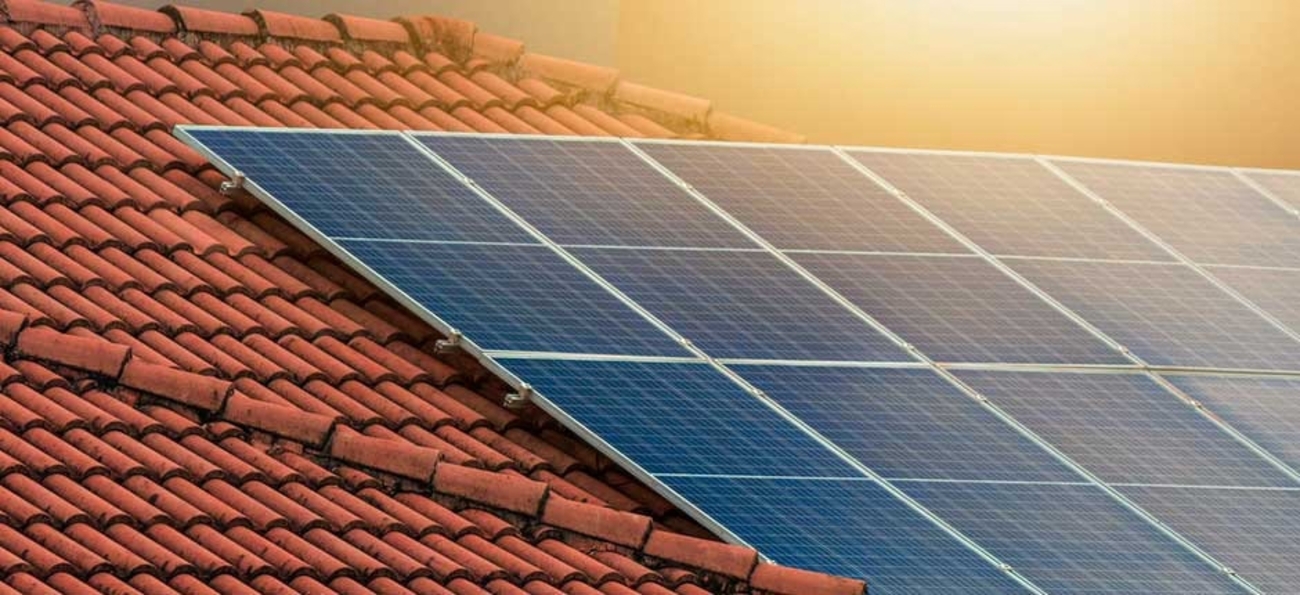
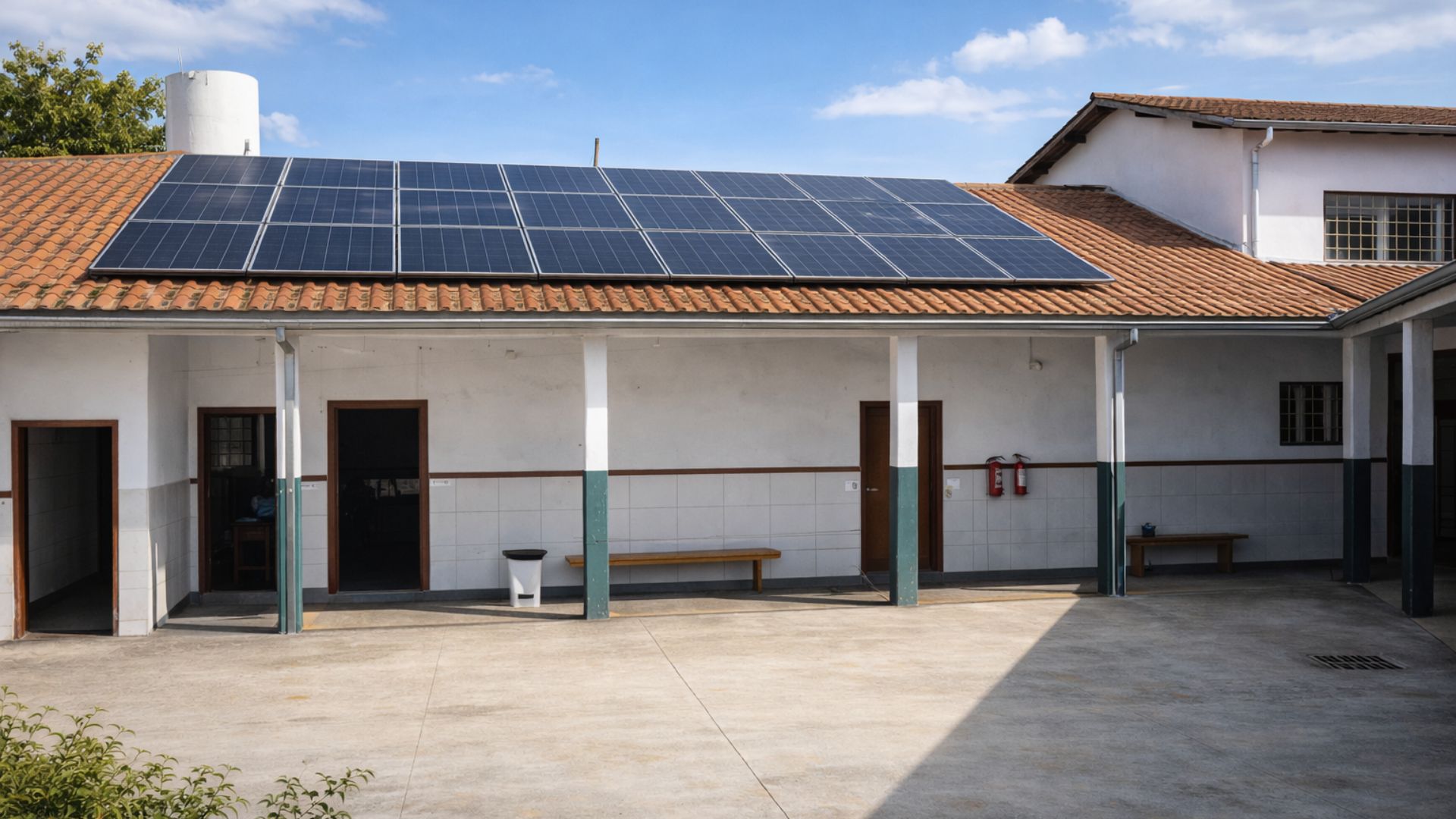
Copel boosts solar energy in Paraná and brings innovation to public schools, promoting savings on electricity bills, energy efficiency, and a direct impact on the quality of education.

Why Does Electricity Fail?


Before we understand the behavior of solar energy during power outages, it is worth remembering why electricity may fail. The causes vary by region and weather conditions:
- Storms with lightning and strong winds that knock down poles and power lines;
- Technical problems or overloads at substations;
- Water crisis, as occurred in 2021, which reduces the capacity of hydroelectric plants;
- Scheduled maintenance by utility companies;
- Accidents that damage cables or transformers.
Regardless of the reason, the interruption in supply can last from minutes to days — and in these cases, the behavior of the photovoltaic systems can be crucial to maintain comfort, safety, and the operation of appliances, work equipment, and even health items like medication refrigerators.
Does Solar Energy Work When the Power Goes Out?
The answer depends on the type of system used:
- If it is on-grid, which is connected to the power grid, it will not work during the blackout.
- If it is off-grid, with storage batteries, it will operate normally, as long as there is sufficient charge.
- If it is hybrid, it could work even without the grid, but this model is not yet regulated in Brazil by Aneel.
To understand these differences, let’s analyze how each works in practice.
On-Grid Solar Energy System: Most Common, But Vulnerable to Blackouts
The on-grid system is the most adopted model in Brazil today. It is connected to the public grid and operates through energy compensation: during the day, the solar panels generate electricity and inject the surplus into the distributor’s grid. At night, or on cloudy days, the property consumes energy from the grid, using the accumulated credits to reduce the bill amount.
This system is highly efficient from both an economic and environmental standpoint, but it has an important technical and legal limitation: in the event of a power outage on the grid, it automatically shuts down, even if the sun is shining.
Why Does the On-Grid System Shut Down During a Blackout?
The answer lies in the so-called anti-islanding system, required by Aneel. When the electrical network fails, it is necessary to ensure that no source is injecting energy into the public wiring, to protect maintenance technicians who may be working on the line. If the solar system continued to operate, it could generate shocks or fatal accidents.
Thus, the solar inverter detects the lack of voltage in the grid and shuts down the system for safety, interrupting the power supply even if solar generation is occurring at that moment.
The Anti-Islanding System: Protection and Quality
The anti-islanding has two main functions:
- Safety: prevent the grid from being energized during a blackout, preventing accidents with field professionals;
- Energy Quality: prevent phase variations from harming connected equipment, which could be damaged by unregulated power.
Therefore, even though it is technically possible to continue generating solar energy during a blackout, the on-grid system is not permitted to do so by regulatory standards.
Off-Grid Solar Energy System: Self-Sufficiency with Batteries
Unlike the previous model, the off-grid system is completely independent of the electrical grid. All energy generated by the panels is stored in batteries and used as needed by the residence, business, or rural property.
Advantages of the Off-Grid System:
- Total energy autonomy: ideal for places without access to the public grid;
- Operates normally during blackouts;
- Excellent solution for remote areas, farms, sites, or hard-to-access locations.
Limitations of the Off-Grid Model:
- High cost: batteries are expensive, and the higher the consumption, the more batteries are needed;
- Periodic maintenance and replacement of the accumulators;
- Reduced efficiency on cloudy days or during long rainy periods, requiring precise sizing.
Despite this, the off-grid system is still the only viable option for places where the electrical grid does not reach — and in these cases, solar energy continues to operate even when there is no light in the region.
Hybrid System: The Ideal Solution (Not Yet Allowed in Brazil)
The hybrid system combines the best of both worlds: it is connected to the power grid (like the on-grid) and has backup batteries (like the off-grid). When the utility’s power goes out, the system automatically switches to the batteries and maintains the power supply to the property.
This model is ideal for:
- Hospitals, clinics, and businesses that cannot be without power;
- Residences that require uninterrupted supply;
- Locations with frequent instability in the utility supply.
However, in Brazil, the hybrid system is still not approved by Aneel, due to regulatory issues. This means that, legally, it cannot be installed in connection with the public grid, although it is common in other countries like Germany, Japan, and the United States.
Solar Energy Credits: How Does the Compensation System Work?
In the on-grid model, the surplus solar energy generated during the day is injected into the distributor’s power grid. The consumer then accumulates credits in kWh, which can be used within 60 months to offset usage during non-generation hours.
Since 2012, with Aneel Regulatory Resolution No. 482, the system of electricity compensation has been regulated. The main benefits:
- Reduction of up to 95% on the electricity bill;
- Transferable credits between properties of the same owner;
- Possibility of use for families, businesses, and even condominiums;
- Protection against energy inflation and tariff flags.
Even though the system stops functioning during a blackout, the economic benefits of on-grid remain superior to conventional electricity in most of Brazil.









-

Uma pessoa reagiu a isso.