





 Portuguese
  English
  Spanish
  3 min of reading
  1 comment


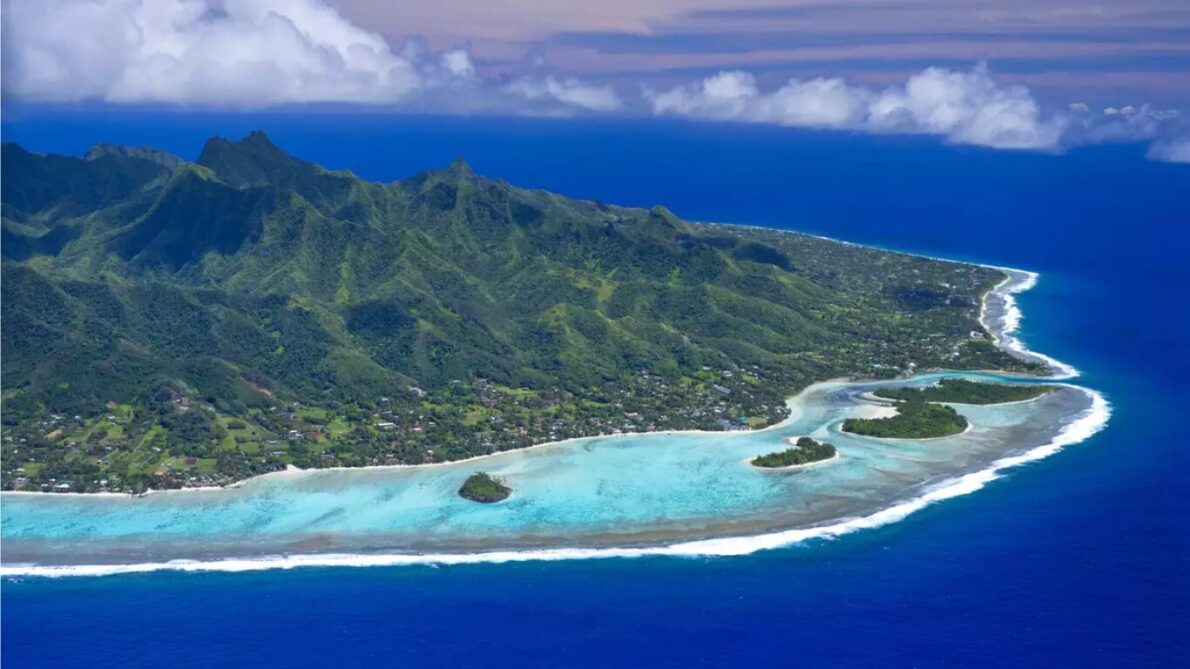

A Sustainable Future or an Ecological Disaster? The Cook Islands Face a Critical Decision on Seabed Mining.
In the blue depths surrounding the Cook Islands, a drama of global proportions is unfolding. This archipelago, home to just 15,000 souls, holds beneath its waves a potentially transformative wealth, deposits of crucial minerals for the electric car industry. The possibility of extracting these treasures from the seabed beckons with promises of prosperity, but also raises pressing environmental questions.
Amid the revolution of electric cars, seabed minerals emerge as silent protagonists, essential for fueling innovation. These resources, hidden in the depths of the Cook Islands, are the key to more efficient batteries and, therefore, a greener future. However, the extraction of these minerals presents us with an ethical dilemma: how to reconcile technological advancement with environmental preservation? The answer to this question is crucial, as we move toward an era of sustainable mobility, we cannot lose sight of the importance of protecting the natural treasures that surround us.
The Dilemma of Tourism Dependency
In March of last year, two ships anchored in the Cook Islands, but for different purposes. A gigantic cruise ship symbolized the fragile dependence on tourism. The other, less conventional, carried the hope of economic independence. Prime Minister Mark Brown saw in the second ship, owned by a mining corporation, the harbinger of an era of unprecedented wealth.
-
Unemployment rises again to 5.8% at the beginning of 2026, raising alarms about the end of temporary positions and its impact on the Brazilian job market.

-
Document organization can cut invisible costs in small businesses, a simple step that prevents waste, rework, and losses in daily operations.

-
Engineers propose a fourth traffic light for intersections – the change promises to affect crossings, queues, and waiting times.

-
Chevrolet Suburban Z71 lands in Brazil with a V8 engine, off-road design, air suspension, seven seats, and colossal size, a rare version imported for around R$ 1.3 million with luxury and exclusivity.


The Promise of Seabed Nodules
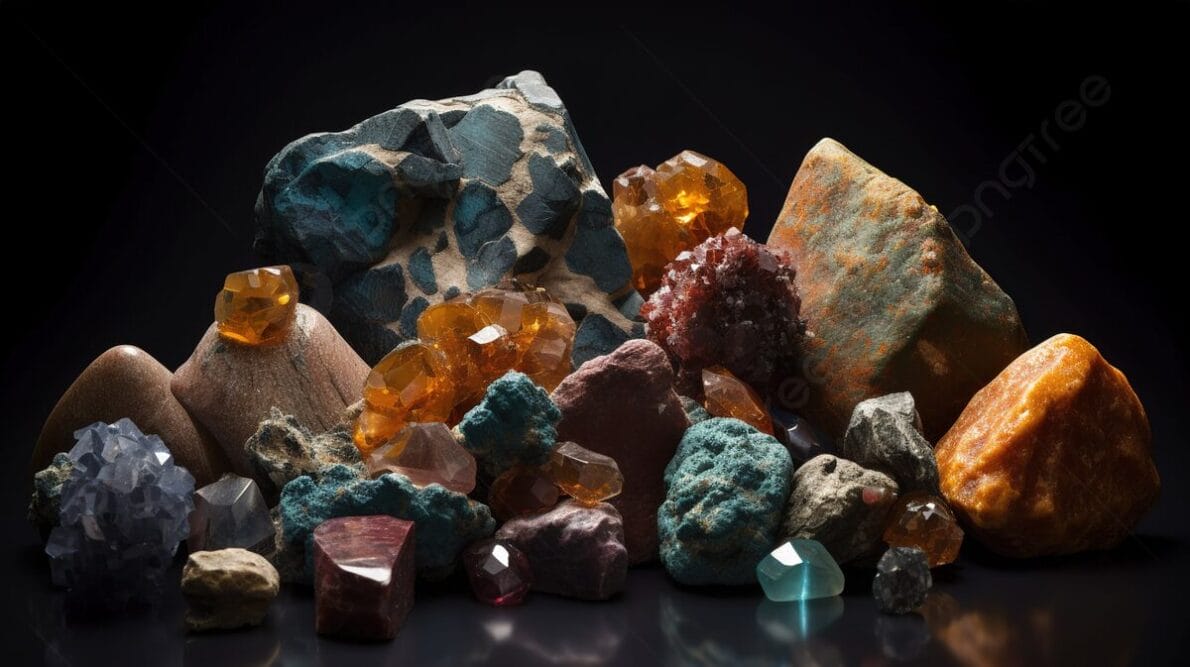
The Cook Islands are at the forefront of the race to explore seabed minerals. Never before undertaken on a large scale, seabed mining could be the key to a global energy transition. Studies suggest that the exploration of these resources could inject billions into the local economy, a significant leap for a country with a per capita income of around US$ 11,000.
Environmental Opposition and Ethical Challenges
However, the initiative faces strong opposition. Environmentalists and over 800 scientists have called for a moratorium, fearing irreparable damage to the marine depths. Large nations and corporations, such as France, Britain, Google, and BMW, have also expressed concerns. The Cook Islands government, pressured both internally and internationally, is weighing whether to allow the controversial practice.
Balance Between Economy and Ecology
Seabed mining involves technologies that may disrupt delicate ecosystems. Teina Rongo, a local marine biologist, highlights the potential risks, comparing them to the experience of Nauru, where phosphate exploitation brought wealth followed by devastation. Alex Herman, from the local seabed minerals authority, assures that the approach will be cautious and science-based, aiming to protect the “paradise” of the Cook Islands.
An Uncertain Future
The debate over seabed mining divides public opinion in the Cook Islands. While some see mining as inevitable, others remain skeptical about the benefits and possible consequences. What is clear is that the Cook Islands’ decision will have implications not only for its citizens but for the environmental and economic future of the planet.








Onde foram feitas mudanças já virão os resultados?