





 Portuguese
  English
  Spanish
  3 min of reading
  0 comments


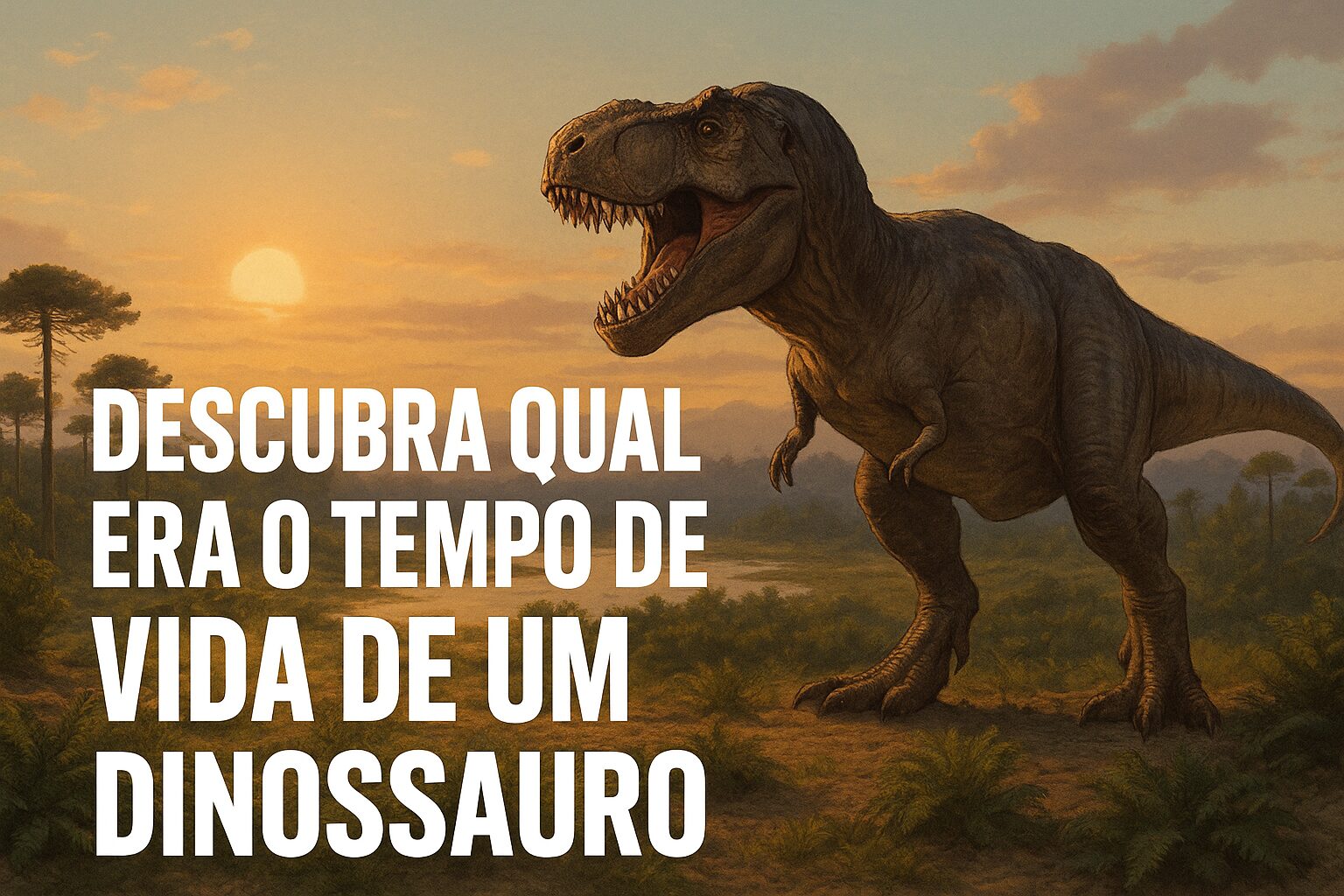
Life Expectancy Depended on Size, Type of Metabolism, and Environment in Which They Lived, Paleontologists Say
The life expectancy of dinosaurs has always sparked curiosity. Did they live for decades or centuries? Did they die of old age, diseases, or predation?
According to Paul Barrett, a paleontologist and head of fossil vertebrates at the Natural History Museum in London, the answer lies in the bones — literally.
Counting Years Like Trees
Barrett explains that by examining dinosaur bones under a microscope, it is possible to identify growth rings, very similar to those of trees.
-
Millions of people have been eating yam for centuries without knowing that this humble tuber contains a compound called diosgenin, which scientists have now discovered can improve memory and help control blood sugar levels.

-
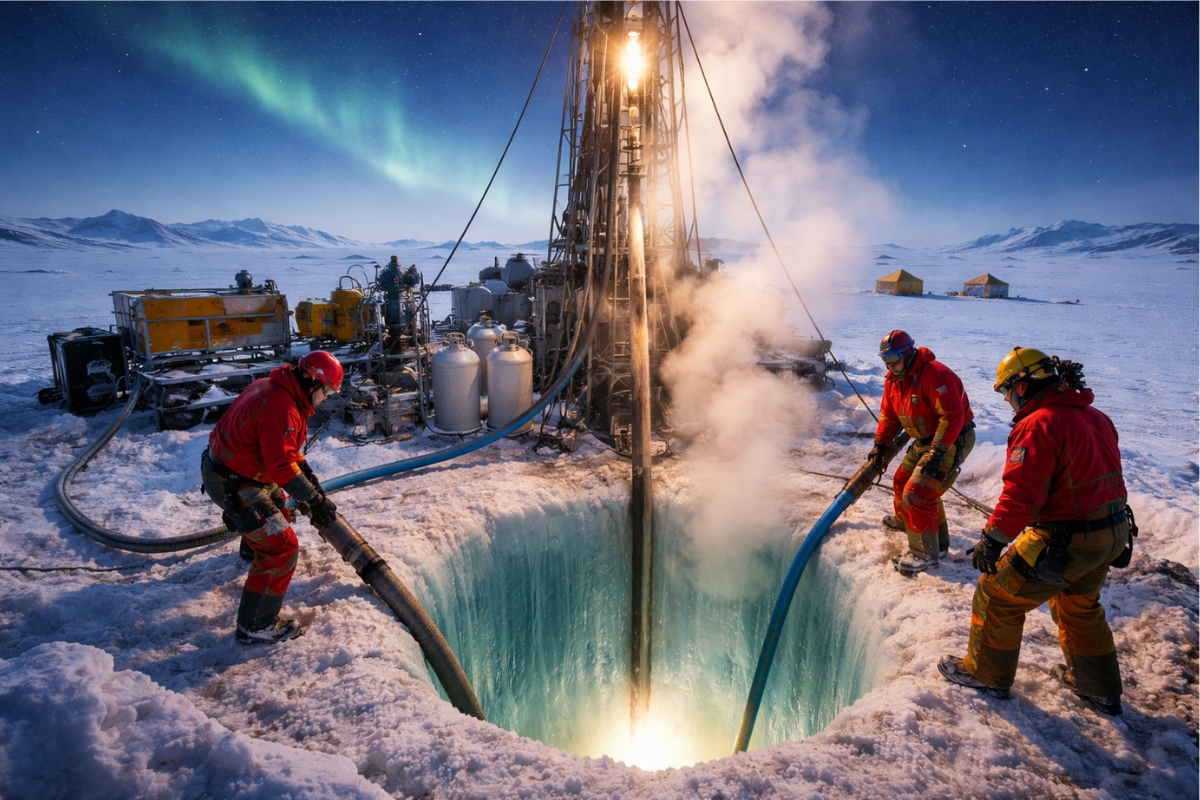
Scientists from an international project drill 1,800 meters of ice in Antarctica using hot water and discover details about one of the most intriguing places on planet Earth.
-
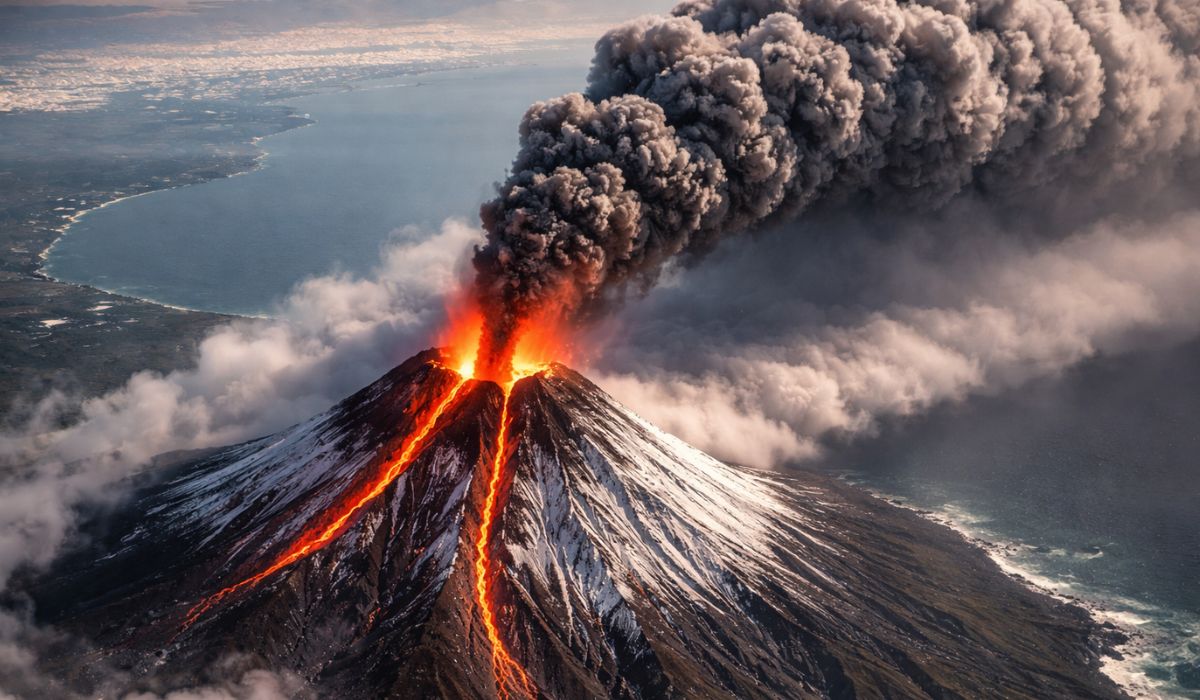
Seen from space, a colossal volcano nearly 5,000 meters high in Russia has released 1,600 km of smoke over the Pacific, forming “devil’s horns” of lava and revealing the brutal force of the Ring of Fire.
-
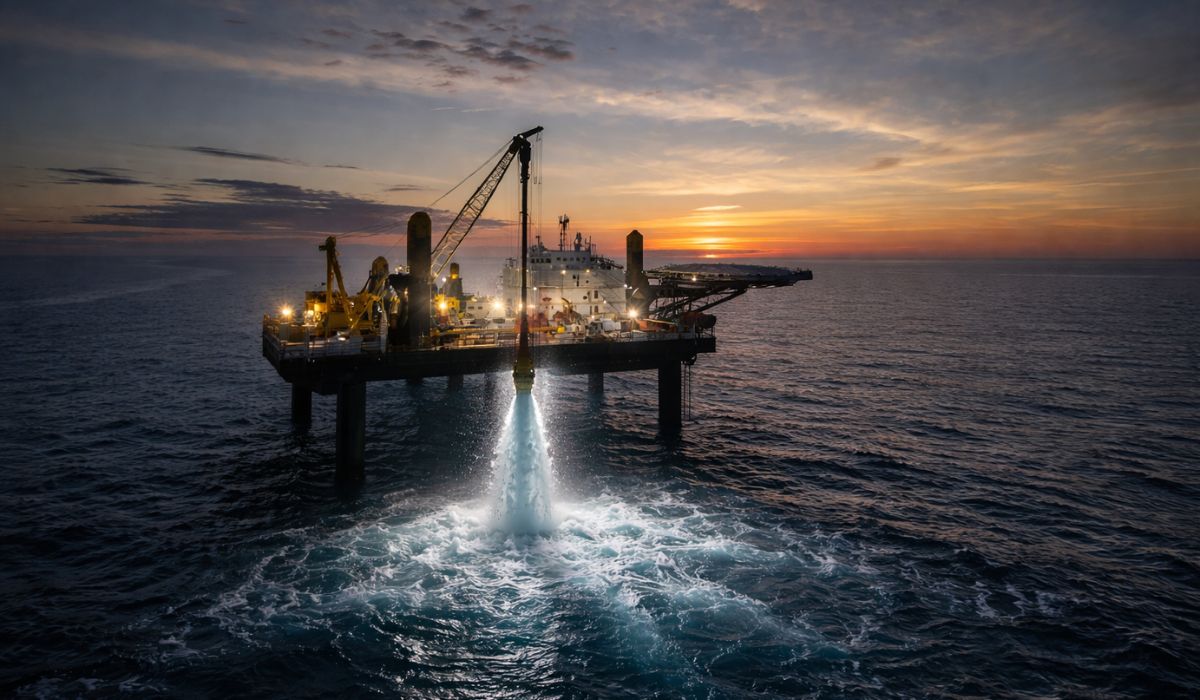
Expedition 501: Scientists drill into the ocean floor and discover a giant reserve of fresh water hidden beneath the sea, extracting nearly 50,000 liters and revealing an invisible system that could reshape the map of water scarcity.

These rings form due to interruptions in growth caused by seasonal factors, such as changes in temperature and daylight.
The technique allows for the calculation of how many years the dinosaur was growing. Wide rings indicate rapid growth, while narrow ones show periods of slow growth.
This provides an estimate of the time the animal lived while growing, but does not reveal how long it survived after reaching maturity.
Rapid Growth, Brief Life
Unlike mammals, which stop growing upon reaching adulthood, many dinosaurs seem to have died before reaching their maximum size.
According to Barrett, they reached reproductive age quickly, reproduced, and often died shortly afterward. “Live fast and die young,” summarizes the researcher.
Despite this, dinosaurs did not exhibit continuous growth throughout their lives, like crocodiles.
A few fossils show that growth eventually stopped, but most do not seem to have lived long enough to reach that stage.
Size Influences Longevity
Barrett emphasizes that, just like in modern animals, there is a correlation between the size of the animal and its life expectancy.
Giant dinosaurs, like sauropods, likely took 30 to 35 years to reach their maximum size. If they managed to avoid diseases and predators, they could live a few more years, perhaps reaching 40 or 50.
Smaller dinosaurs, such as the ornithopods Dryosaurus and Hypsilophodon, reached adult size around four or five years old. After that period, most died within three or four years unless they were very lucky.
What Caused the Death of Dinosaurs?
The causes of death were not much different from those of modern animals. In addition to predation, dinosaurs died from diseases, hunger, thirst, natural accidents such as floods, falling trees, and even lightning strikes. Barrett explains that the main cause was indeed food and water scarcity during dry periods.
For a long time, scientists believed that dinosaurs lived for centuries, like large turtles or crocodiles. But more recent discoveries show otherwise. They grew rapidly and died early, even the larger ones.
This surprised researchers. Gigantic dinosaurs, like the largest sauropods, could reach ten times the size of an elephant. Even so, they did not exceed 50 years. This finding contrasts with the life expectancy of blue whales and elephants, which live for over 70 years.
Expectations Shattered by Bones
The study of growth rings in bones helped to change this view. What was once mere speculation is now based on concrete evidence. The microscopic analysis showed that bone tissues reveal very rapid growth cycles.
This new information shatters old myths about the longevity of dinosaurs. Barrett points out that while we might expect such large creatures to live long, the reality seems to be different: they were intense and ephemeral, like rock stars.
One of the biggest surprises of modern paleontology was discovering that dinosaurs did not live as long as previously thought.
Even the largest probably did not live past 50 years. A small number, considering their size.
This discovery changes the way we see these animals from the past — fast giants that dominated the Earth but were not here for as long as we imagined.








-

Uma pessoa reagiu a isso.