





 Portuguese
  English
  Spanish
  2 min of reading
  0 comments



Do You Have An Idea Of How Much You Pay In Taxes Over The Course Of Your Life? Everyone Knows That Brazil Is One Of The Countries That Charges The Most Taxes In The World, But Do We Really Have A Sense Of How Much That Actually Impacts Our Daily Lives? Let’s Understand Better.
In Brazil, the average is that you work about 150 days, or 5 months a year, just to pay taxes. This means that every 3 years, you work 1 year and 3 months just to cover the cost of the State. Considering that you start working at 18 and go until 65, out of the 47 years of your working life, 19 will be spent working just to pay taxes.
Comparing with other countries in Latin America, we see that Argentines work around 136 days to pay taxes per year, while in Mexico it’s 108 days, in Uruguay 84 days, and in Chile only 68 days per year. All these countries have a Human Development Index (HDI) higher than Brazil, showing that the longer time spent working to pay taxes here does not translate into better public services.
Many Of The Taxes We Pay In Brazil Are Indirect, Buried In The Products We Buy


For example, basic items like rice and bread have taxes of around 16% to 18%. Items like mayonnaise and meat can have rates of 33% and 29%, respectively. Products considered non-essential, like chocolate and soda, can have taxes that reach 56%.
-
Larger than entire cities in Brazil: BYD is building a 4.6 km² complex in Bahia with a capacity for 600,000 vehicles per year, but the discovery of 163 workers in conditions analogous to slavery has shaken the entire project.

-
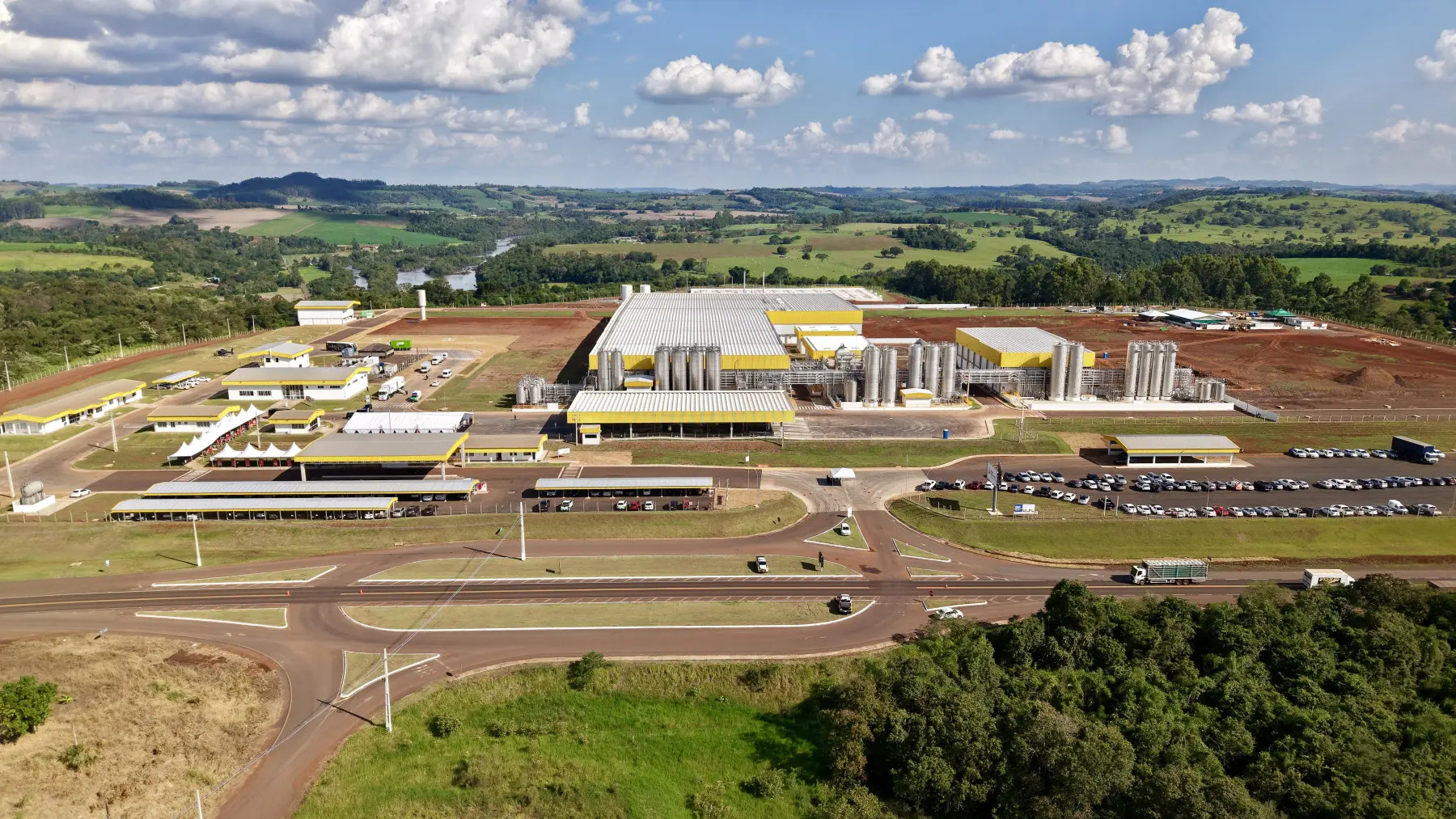
With an investment of R$ 612 million, a capacity to process 1.2 million liters of milk per day, Piracanjuba inaugurates a mega cheese factory that increases national production, reduces dependence on imports, and repositions Brazil on the global dairy map.
-
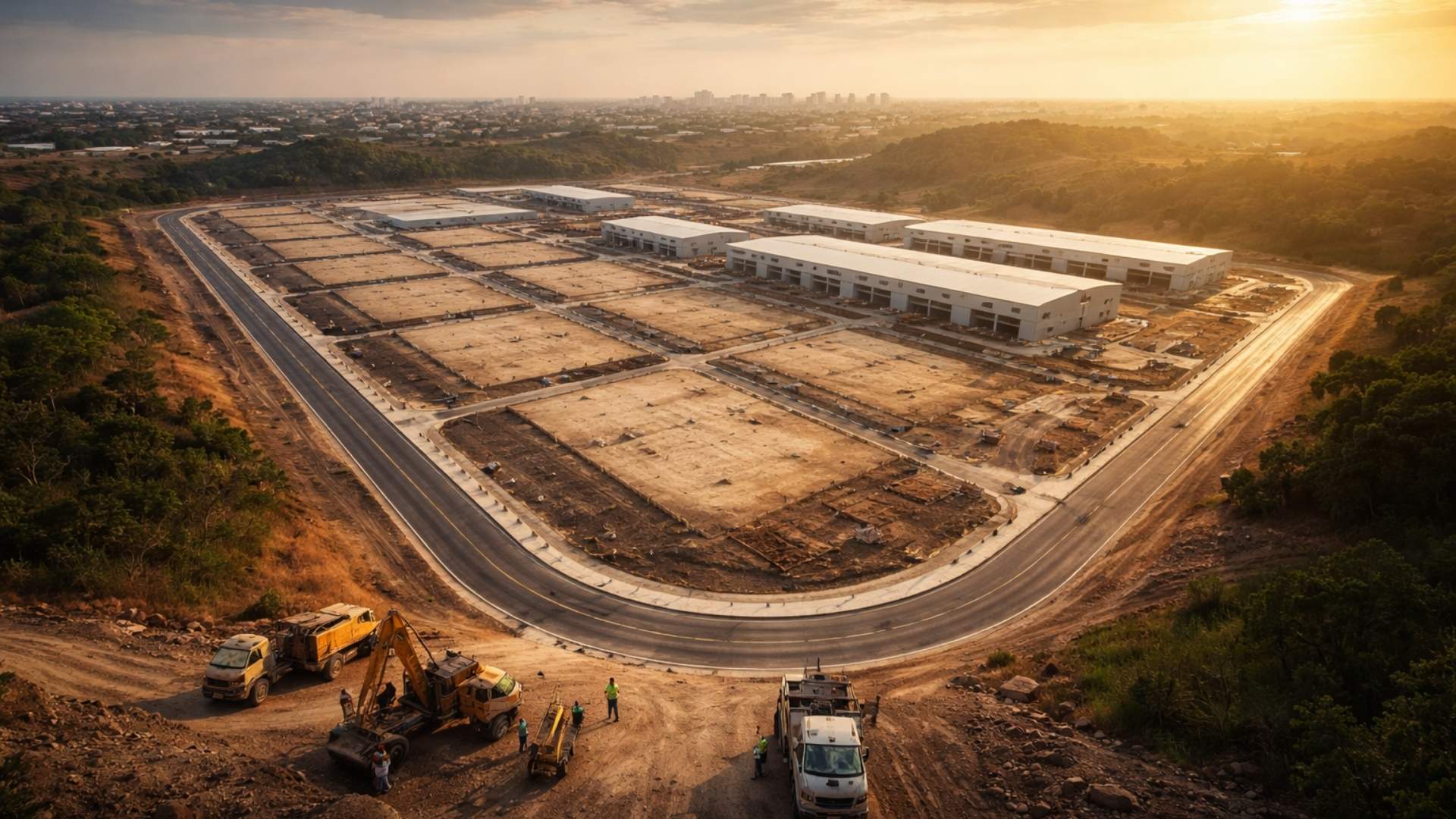
Brazilian city gains industrial hub for 85 companies that is equivalent to 55 football fields.
-
Peugeot and Citroën factory in Argentina cuts production by half and opens a layoff program for more than 2,000 employees after Brazil drastically reduced purchases of Argentine vehicles.

The Brazilian tax system is extremely complex, with different rates for different products and states. This makes it difficult even for the government to know exactly how much tax is charged on each product.
All Of This Complexity Results In A Waste Of Time And Money, Which In The End Is Passed On To The Consumer
If we consider that you earn a salary of R$ 2,000 per month, over 19 years of work dedicated solely to paying taxes, you will have paid around R$ 600,000 to the government. This amount is enough to buy land and build a house in many parts of Brazil.
It’s worth reflecting on whether the services and benefits we receive from the government are up to par with what we pay in taxes. Do those 19 years of work just to pay taxes translate into quality of life and efficient public services? Leave your opinion in the comments and share your reflections on this important topic.










Seja o primeiro a reagir!