





 Portuguese
  English
  Spanish
  4 min of reading
  0 comments


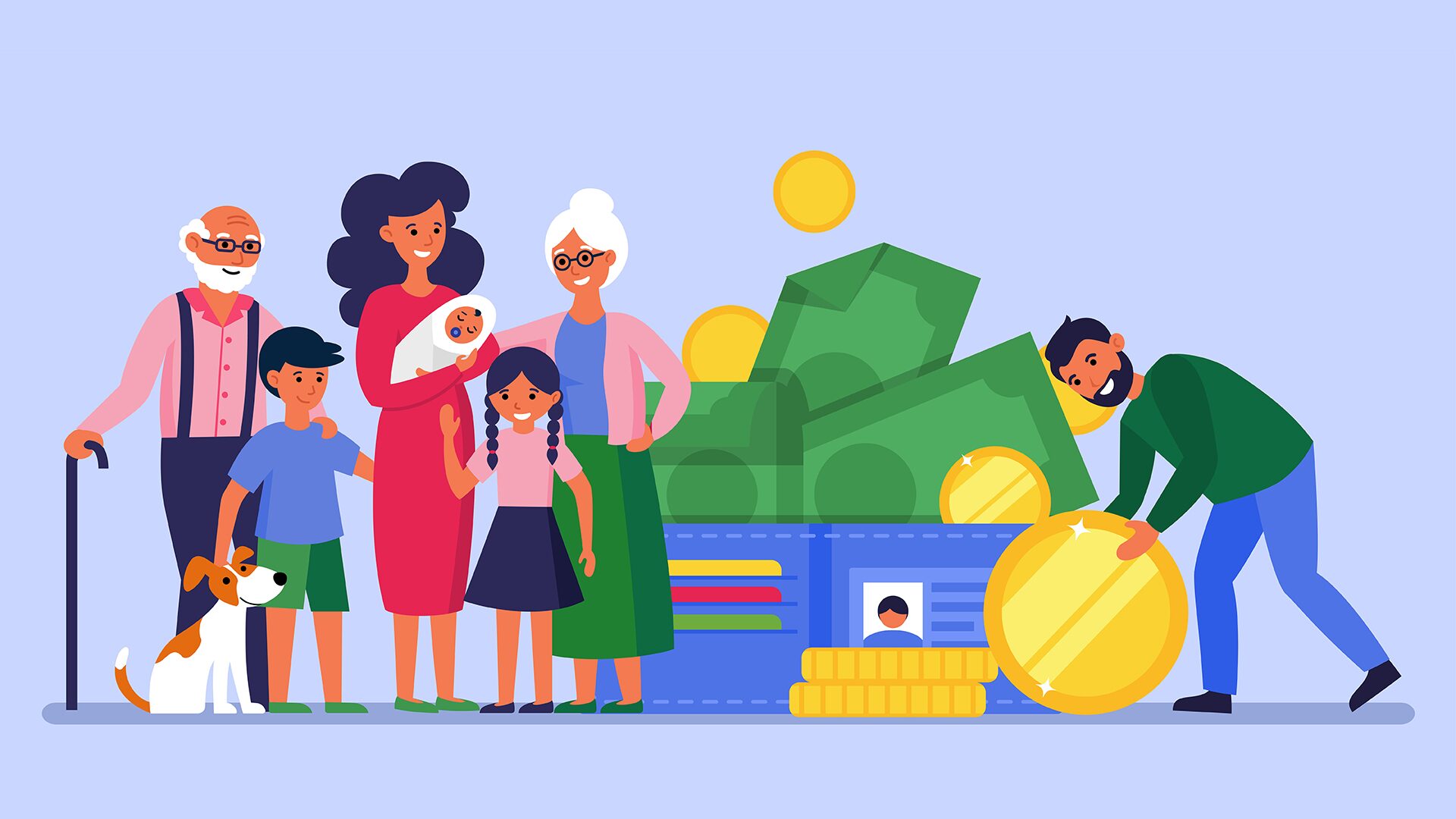
Understand How Family Income and Official Classification Can Reveal Your Socioeconomic Position in a Country with High Inequality
The Brazil is a country marked by significant social inequality, which makes the classification of “rich” or “poor” a complex issue.
This definition can vary depending on the methodology used.
To understand which class you fit into, it is essential to consider the family income and the per capita family income, which is the total family income divided by the number of residents.
-
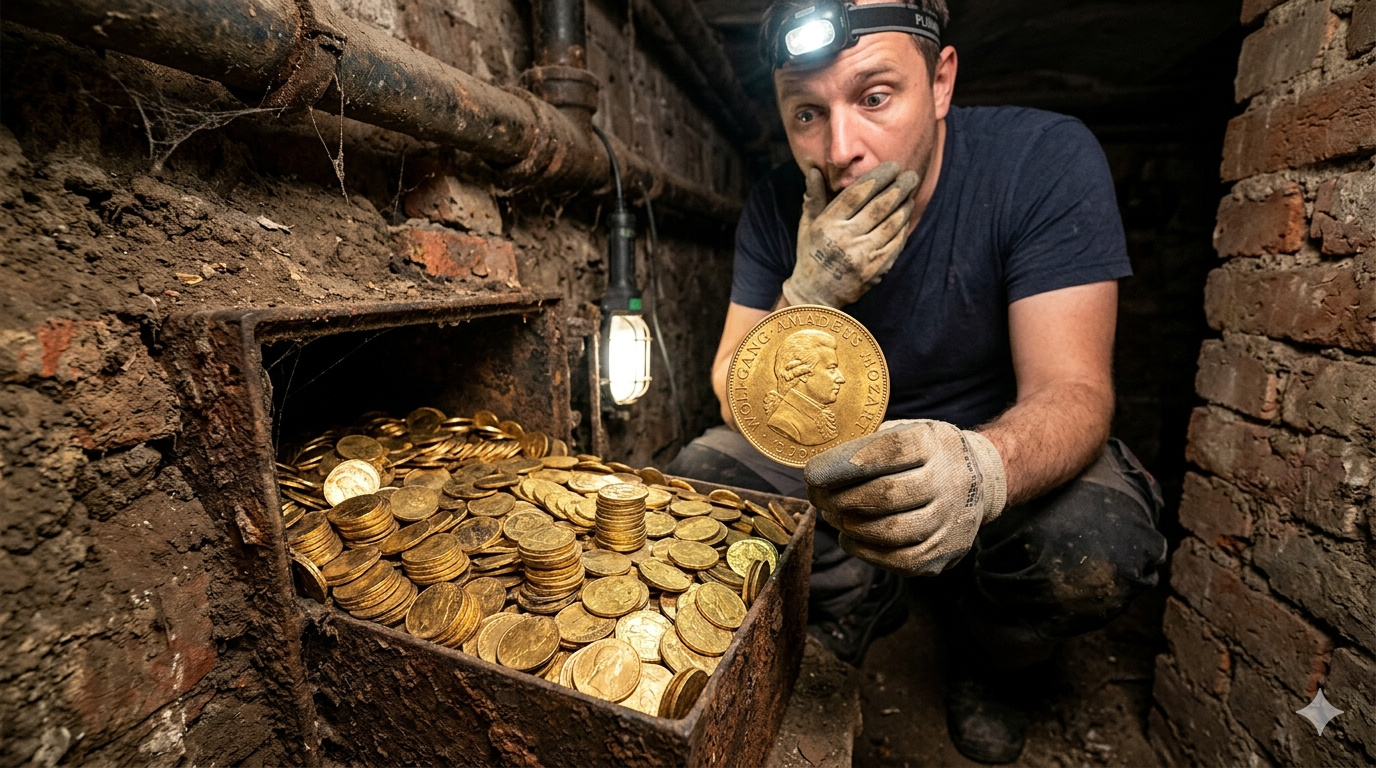
A forgotten cord on the floor of a basement in Vienna leads a plumber to a box containing 30 kilograms of gold with Mozart’s face, hidden before World War II. The treasure, worth 2.3 million euros, was just centimeters away from a worker who ignored the sign a day earlier.
-
A new Brazilian shopping center worth R$ 400 million will be built in an area equivalent to more than 4 football fields, featuring 90 stores, 5 cinemas, a supermarket, a college, and parking for 1,700 cars, potentially generating 3,000 jobs.

-
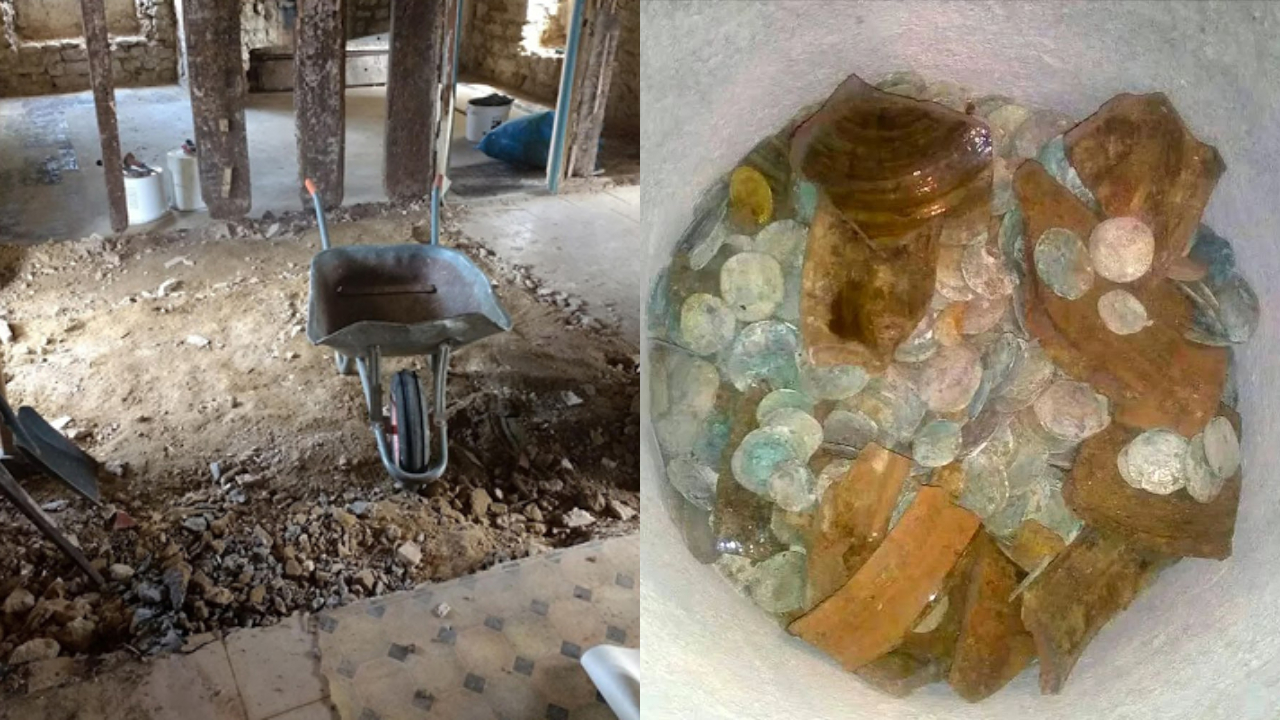
A couple buys an old chalet, breaks the kitchen floor for renovation, and finds over a thousand coins of gold and silver hidden since the English Civil War over 4 centuries ago.
-
Rigid bags with their days numbered: new trend prioritizes comfort in 2026.

In addition to income, it is also important to assess assets, investments, and access to services, which are considered part of wealth.
The IBGE (Brazilian Institute of Geography and Statistics) and the ABEP (Brazilian Association of Market Research Companies) use the Brazilian Economic Classification Criteria (CCEB) as one of the most well-known ways for this assessment.
The Importance of Family Income in Social Classification
The family income is one of the main criteria for social classification in Brazil.
It consists of the sum of all incomes received by all members of a family over a certain period.
This amount is crucial to determine the consumption capacity and quality of life of each family group.
The per capita family income, which divides the total income by the number of residents, provides a more accurate view of the financial situation of each individual within the household.
Data from the IBGE reveal that the average income of Brazilian families is unequal, reflecting the reality of a country with large economic disparities.
While some families enjoy high living standards, others face significant difficulties in meeting basic needs.
This reality highlights the importance of public policies aimed at reducing inequality and promoting inclusive economic development.
How Social Class Influences Access to Services
The social class not only defines income but also has a profound impact on access to essential services such as health, education, and housing.
Families belonging to higher classes generally have access to private health services and quality educational institutions, while those in lower classes rely on the public system, which is often overloaded and offers fewer resources.
For example, education is a determining factor for social mobility.
Children from A and B class families are more likely to attend quality schools, which can lead to better job opportunities in the future.
Conversely, children from D and E classes face significant barriers, perpetuating the cycle of poverty.
Moreover, access to health services is often unequal.
Families in higher classes can pay for health plans that guarantee fast and quality care, while those in lower classes often depend on the SUS (Unified Health System), which, although it offers free care, can present long waits and limitations in terms of resources.
The Role of Wealth in Defining Social Class
In addition to income, wealth also plays a crucial role in defining social class.
Wealth includes assets such as real estate, vehicles, and financial investments.
Owning a home, for example, can be an indicator of financial stability and, consequently, a higher social class.
The concept of wealth is particularly relevant in Brazil, where many families still struggle to achieve homeownership.
Lack of access to credit and adequate financing can hinder this achievement, perpetuating inequality.
Thus, even if a family’s income increases, lack of wealth can limit their opportunities for social advancement.
Regional Inequality and Its Implications
The social inequality in Brazil is not only a matter of class but also of region.
The country is vast and presents significant differences in terms of economic and social development.
Regions such as the Southeast, which is home to large urban centers like São Paulo and Rio de Janeiro, tend to have a higher per capita income compared to the Northeast, which has historically faced greater socioeconomic challenges.
This regional disparity directly impacts the opportunities available to residents of each area.
In some regions, access to quality jobs, education, and health services is much more limited.
This reality requires public policies to be adapted to the specific needs of each region to promote more equitable development.
The Role of Public Policies in Reducing Inequality
Given the complexity of social inequality in Brazil, it is essential to focus on effective public policies.
Income transfer programs, such as the Bolsa Família, have been implemented to support low-income families, but there is still much to be done.
Investments in education, health, and infrastructure are crucial to ensure that all sectors of the population have opportunities to improve their quality of life.
Additionally, promoting financial inclusion and facilitating access to credit can help families from lower classes invest in their businesses and their children’s education, contributing to greater social mobility.
Understanding your position within this framework is crucial for having a clearer view of the country’s economic reality and the available opportunities.
Knowledge about social classification and the inequalities that permeate Brazilian society is the first step towards fostering significant changes and promoting a fairer and more equitable future.
SOURCE: DIÁRIODOCOMÉRCIO







Seja o primeiro a reagir!