





 Portuguese
  English
  Spanish
 5 min of reading
  0 comments


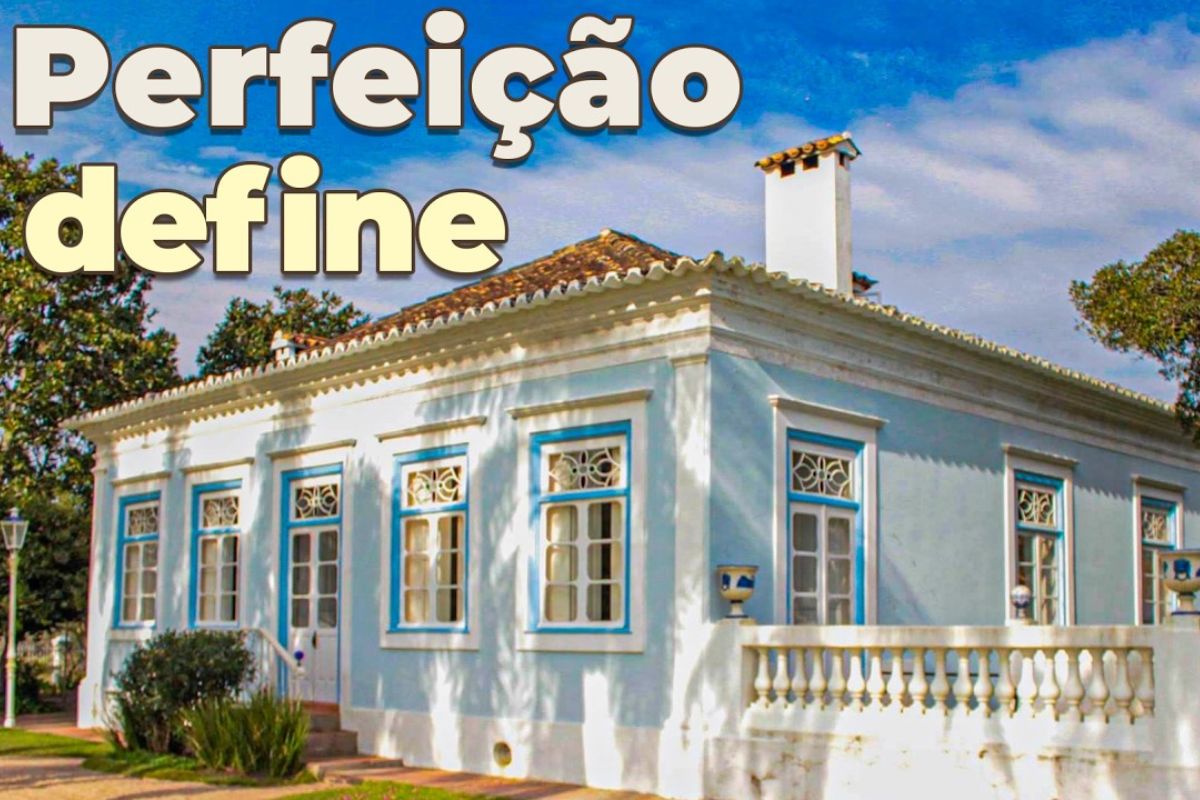
Estância da Gruta, in Southern Rio Grande, Maintains a Historic House Habited by the Same Family Since 1853, Surrounded by Endless Plains, Portuguese Tiles, Candle Holders, and a Domestic Collection That Turned into a Living Archive of the Region.
In the heart of the pampa, the flat landscape enhances the volumetry of the historic house and its service surroundings: barns, stables, and support structures for the ranching activities. The reading of the site is territorial, with open horizons that, in the 19th century, served the purpose of surveillance and defense and, today, reinforce the scale of rural heritage.
Inside, the path showcases woodwork, ceilings, high doors, locks, and glassed flags. Visitors find Portuguese tiles at the thresholds, fireplaces for current use, and an intimate circuit of rooms, bedrooms, and pantry where candle holders imported still play a scenic and functional role during festive occasions.
Architecture, Materials, and the Design of the House
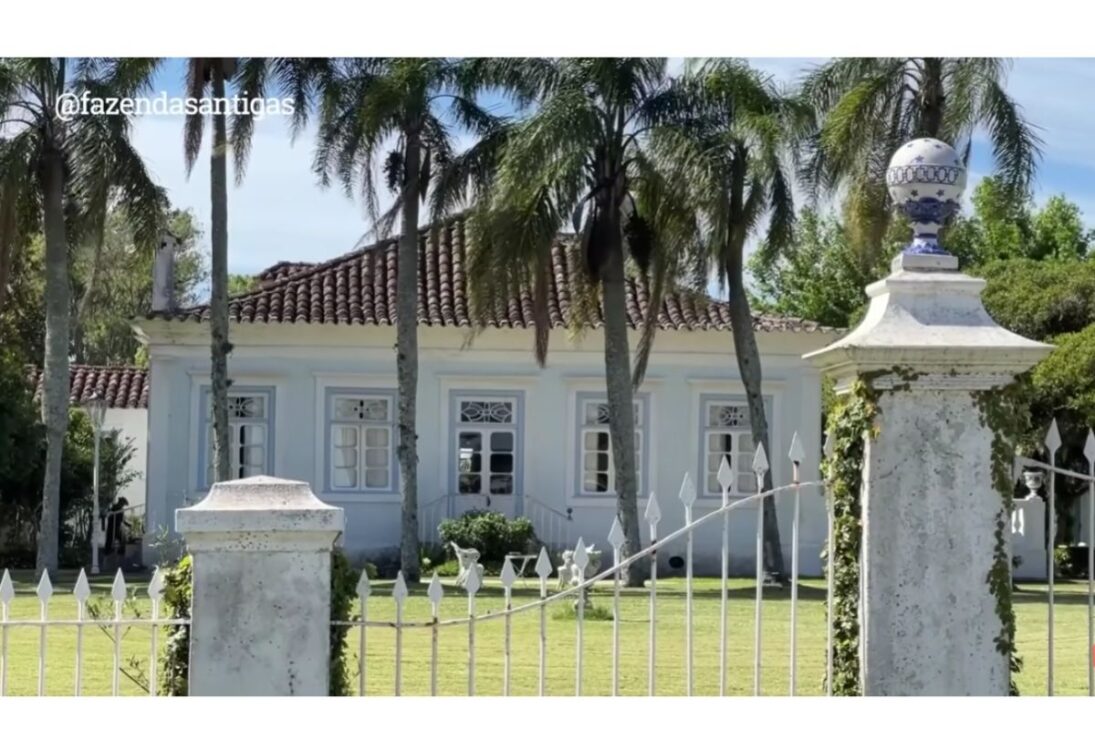
The historic house preserves floors, frames, and hardware compatible with the construction period, in addition to thick walls that dialogue with the climatic logic of the pampa.
-
Friends have been building a small “town” for 30 years to grow old together, with compact houses, a common area, nature surrounding it, and a collective life project designed for friendship, coexistence, and simplicity.

-
This small town in Germany created its own currency 24 years ago, today it circulates millions per year, is accepted in over 300 stores, and the German government allowed all of this to happen under one condition.

-
Curitiba is shrinking and is expected to lose 97,000 residents by 2050, while inland cities in Paraná such as Sarandi, Araucária, and Toledo are experiencing accelerated growth that is changing the entire state’s map.

-
Tourists were poisoned on Everest in a million-dollar fraud scheme involving helicopters that diverted over $19 million and shocked international authorities.


Glass appears as a status symbol in the glassed flags and frames, composing facades that combine generous ventilation and lighting.
The Portuguese tiles, present at thresholds, sills, and water points, compose a Luso-Brazilian grammar of finishing.
In the social area, the dining room with bronze chandeliers for 24 candles remains in use, which preserves the authenticity of the setting.
Functional fireplaces, dressing tables and period furniture complete the picture, always emphasizing surface conservation, functioning locks, and maintaining original uses.
Domestic Collection and Memory Collection
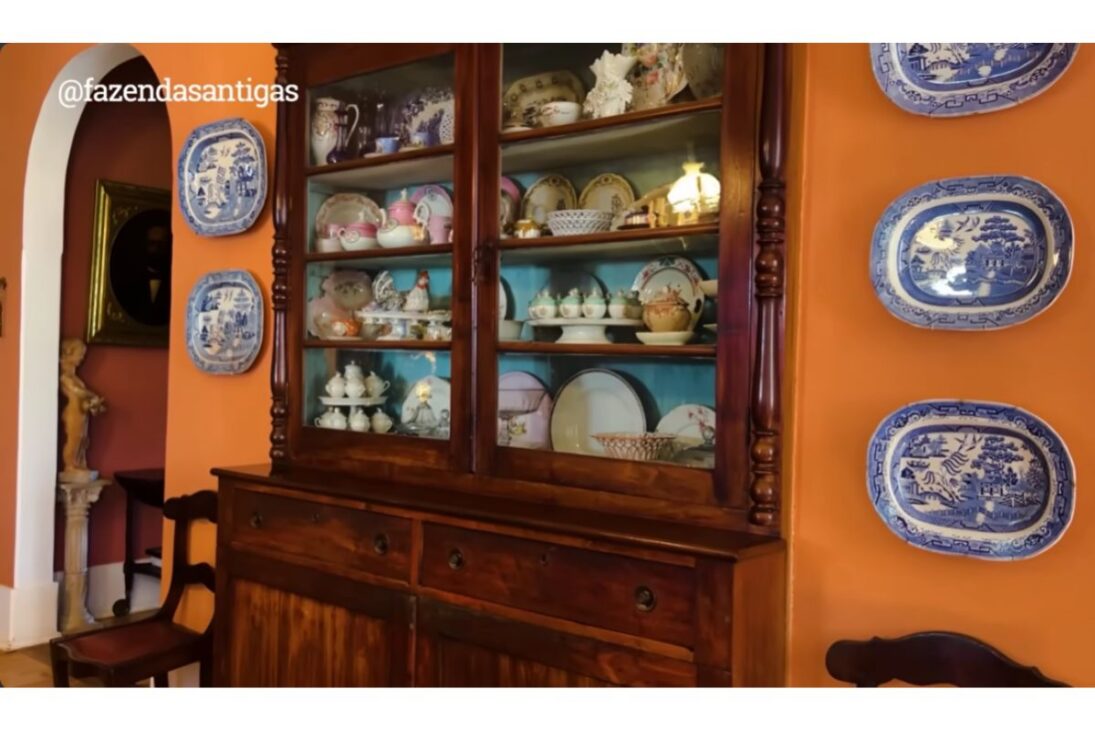
The residential core stores historical photographs, diplomas, engravings, and musical instruments, in addition to dishes marked with family initials.
There are mustache cups, creamers with monograms, and built-in cabinets that function as a domestic museum of daily life.
The collection is not vitrified: it remains utilitarian, which maintains legibility and social meaning for the objects.
Also featured are formation documents, titles, and pieces of public life of ancestors, as well as records from the Farroupilha Revolution and local history.
The result is a continuous narrative, in which the historic house is both building and, at the same time, a material archive of the family and the territory.
Patio, Services, and Living Kitchen
In the patio, the cistern with tile finishing and the old stone water troughs highlight the traditional water infrastructure.
The kitchen preserves a functional wood stove, copper pots, and hot water serpentine, maintaining culinary techniques that structure the hospitality of the place.
Everyday usage is part of preservation, and the spaces remain suitable for cooking, receiving, and warming.
These service elements, alongside the stalls and barns, tell the economy of time: horse circulation, storage, ranching activities, and support for the main house.
It is the link between built heritage and productive landscape, key to understanding the whole.
Territory, Plains, and Landscape Reading
The immediate surroundings of the historic house are dominated by wide plains and a clear horizon, where visibility has always been a strategic attribute.
The absence of large elevations amplifies the site’s scale and favors the perception of the old layout, access paths, and the relative position of the chapel, barns, and work areas.
The long view is not just aesthetic.
It organizes the occupation, explains the fences, gates, and internal routes, and helps to understand why the set remains coherent: form and function support the same territorial reading.
Mobile Heritage of Transport and Social Uses
The old family carriage is part of the collection and remains preserved with original lanterns, hardware, and keys.
On birthdays and special occasions, the vehicle returns to use on traditional routes, a practice that reinforces the transmission of memory between generations.
Conserved functionality is a preservation strategy: equipment that operates, equipment that is not lost.
The same reasoning applies to working wall clocks, service dishes, and marked furniture.
The method here is clear: keep objects in context, avoiding a rupture between collection and house.
Productive Farm: Irrigated Rice and Livestock
Estância da Gruta has been operating with irrigated rice for decades, with seeded areas receiving a constant layer of water throughout the cycle.
Irrigation by motor pumps and controlled cessation before harvesting make up the agronomic protocol described on site.
The rotation with soybeans and the use of winter pastures bring agriculture and livestock closer, optimizing soil and income.
In livestock, the herd features genetic composition oriented towards performance and adaptation, following the estate’s tradition in livestock selection.
The current productive focus coexists without conflict with the heritage, with work fronts distanced from the house and constant maintenance of accesses, drains, and fences.
Management, Safeguarding, and Contemporary Use
The preservation of the historic house combines continuous residential use, preventive maintenance, and documentation of the collection.
The family maintains a routine of minor repairs, restores pieces when necessary, and integrates the exhibition environment and domestic life.
This arrangement reduces risks of decharacterization and guides long-term decisions.
The governance of the heritage site is done through daily life: cooking on the wood stove, lighting chandeliers on special dates, activating fireplaces in winter, and keeping doors, locks, and flags operating.
The building remains alive because it functions as a home, not just as a setting.
With open plains, intact collection, and historic house in use, Estância da Gruta shows that preserving is to inhabit, maintain, and document.
The strength of the whole lies in the balance between memory, architecture, and rural production, a daily pact that sustains meaning and authenticity.
What aspect draws your attention most at Estância da Gruta: the details of the historic house, the living kitchen with its tiles and copper, or the integration with the landscape and production?










-

Uma pessoa reagiu a isso.