





 Portuguese
  English
  Spanish
 5 min of reading
  0 comments



The Rural Disbursement of the First Two Months of the Safra Plan 2025/2026 Already Moves Billions in Agricultural Credit. Understand How Rural Financing, Controlled Resources, and the Rural Product Note Work
The rural disbursement shows, in practice, how much of the money announced by the government actually reaches the field to support producers.
When talking about the Safra Plan 2025/2026, we are referring to a huge volume of resources that needs to be well understood by those following Brazilian agriculture.
According to an article published on the MAPA portal, in the first two months of this new harvest, the credit has already started to circulate among operating costs, investments, industrialization, and commercialization.
-
Unable to pass through Hormuz, Brazil activated a plan B that uses Turkey as a gateway to the Middle East: the route through Gibraltar and the Mediterranean is longer and more expensive but ensures that chicken, beef, and corn continue to reach Arab markets.

-
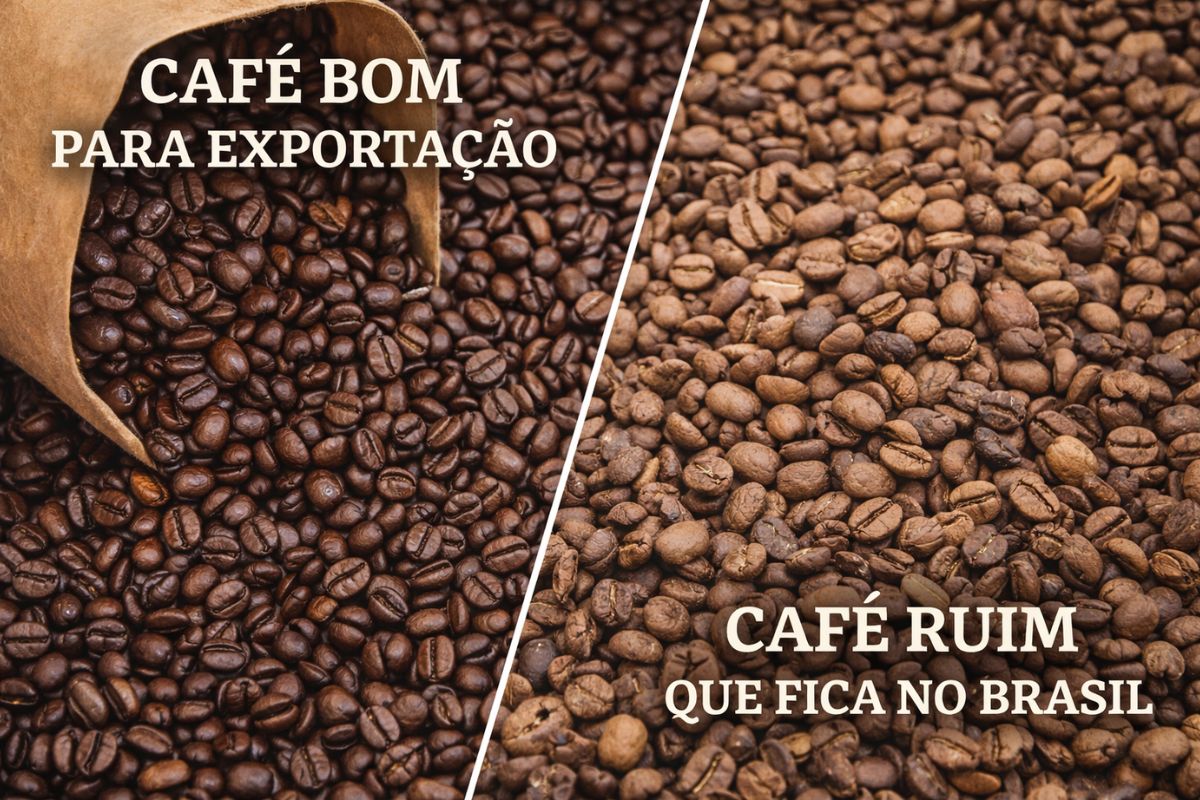
You grew up hearing that the good coffee from Brazil goes all abroad and the bad coffee stays for Brazilians, but this story has completely changed, and the numbers show that in the 1980s, thirty percent of the coffee sold here was adulterated with corn and barley.
-
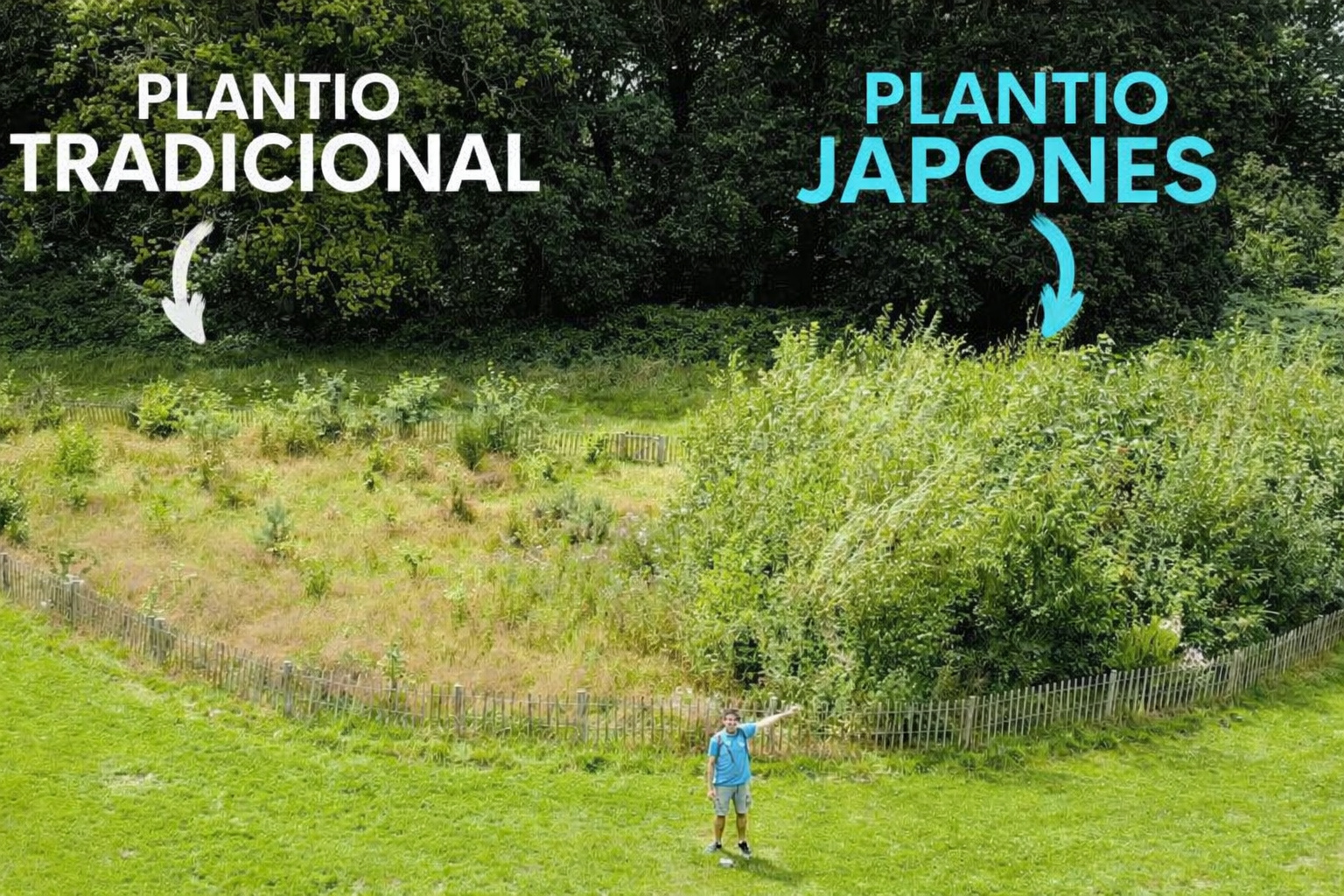
Engineer creates reforestation method that transforms small plots into dense forests in a few years using local biomass and can reduce environmental recovery costs.
-
With an investment of R$ 612 million, a capacity to process 1.2 million liters of milk per day, Piracanjuba inaugurates a mega cheese factory that increases national production, reduces dependence on imports, and repositions Brazil on the global dairy map.


The initial movement helps to understand how money circulates and at what pace this happens.
Even if the numbers seem technical at first glance, they reveal how the farmer can access financing lines to keep production running.
Resources are divided into different types, with clear rules about who can use them and how they can be applied. This dynamic affects both small and large producers and directly influences the future of food production in the country.
Next, you will discover what has been released so far, how this credit is structured, and why every detail matters to those who live off the land.
Agricultural Credit: Numbers for the First Two Months of the Harvest
The rural disbursement in July and August 2025 reached R$ 81.11 billion.
This total was divided into several fronts: R$ 33.72 billion for operating costs, R$ 4.48 billion for investments, R$ 4.36 billion for commercialization, R$ 5.36 billion for industrialization, and R$ 33.19 billion for operations linked to the Rural Product Note (CPR).
When adding the amount that has already been contracted but not yet released, the value can reach R$ 99.08 billion. This number is very close to the R$ 100.81 billion moved in the same period of the previous harvest, indicating a small reduction of 1.75%.
Although it may seem just a question of values, this data shows how rural disbursement does not depend solely on immediate release.
There is a deadline of up to 360 days for resources to reach the producer. That is, the result of the initial two months is a partial but important snapshot for understanding the dynamics of agricultural credit.
Rural Financing: Controlled Resources and Their Rules
The rural disbursement also needs to be understood from the origin of the resources. Within the Safra Plan 2025/2026, of the total R$ 516 billion announced, R$ 174.6 billion are classified as controlled resources.
They represent 34% of the total and have fixed interest rates, which are defined in advance. These amounts come from different sources, such as mandatory resources from demand deposits (MCR 6-2), the Constitutional Financing Funds (FCO, FNO, and FNE), Funcafé, and equalized resources.
In the case of equalized resources, the National Treasury covers the difference between the cost of the source and the final interest rate paid by the producer.
The planned equalized resources for medium and large producers amount to R$ 113.8 billion. Of this amount, R$ 64.25 billion is for operating costs and R$ 49.53 billion is for investment.
To facilitate this equalization, the government reserved R$ 3.9 billion in subsidy. This mechanism ensures that rural financing reaches the field on more competitive terms.
Controlled and Uncontrolled Resources: Differences That Impact the Producer
The rural disbursement is also divided between controlled and uncontrolled resources. The uncontrolled resources can be directed or not directed. The directed resources must be necessarily applied in rural credit, but the rates are set by the market.
The non-directed resources function more similarly to common bank credit, with no obligation for specific application.
In the Safra Plan 2025/2026, the directed uncontrolled resources amount to R$ 300 billion. The non-directed resources reach R$ 27 billion, which is only 8% of the total.
As the directed resources have normative application rules, they tend to carry lower charges compared to non-directed resources.
This detail is important because it shows that rural disbursement depends not only on the demand for credit but also on how banks apply the resources.
If they do not comply with the requirements, financial institutions may face penalties for failing to meet the rules of the Rural Credit Manual.
Rural Product Note: Strong Presence in the Disbursement
The rural disbursement is also strongly influenced by operations with the Rural Product Note. The planning for financing via CPR in the current cycle totals R$ 188.53 billion.
Of this amount, R$ 179.43 billion corresponds to the acquisition of CPRs used to meet the requirements of LCAs, while R$ 9.1 billion is linked to the requirements of rural savings.
The CPR is a tool that provides more agility to agricultural credit since it can be issued by the producer and acquired by financial institutions. This allows money to circulate more widely and enables different profiles of producers to access rural financing.
In the initial two months of the 2025/2026 harvest, the issuance of CPR amounted to R$ 33.19 billion, showing its relevance within the rural disbursement. This participation demonstrates how the instrument has consolidated itself as an essential part of Brazilian rural credit.
The rural disbursement of the Safra Plan 2025/2026 is still in the initial phase, but the numbers show that resources are being released consistently.
The system currently includes the participation of 25 financial institutions, including BNDES, which works alongside others and broadens the chances of hiring in high-demand programs such as Moderfrota, Proirriga, Renovagro, Inovagro, and PCA.
This structure ensures greater distribution of credit and reinforces the role of rural disbursement as a pillar to keep Brazilian agriculture moving.






Seja o primeiro a reagir!