





 Português
  Inglês
  Espanhol
  5 min de leitura
  0 comentários



Falling Unemployment, Rising Income, and Expanding Sectors! The Job Market in 2025 Promises to Transform the Brazilian Economy and Attract Investors. Discover the Impacts of This Economic Revolution, the Regional Challenges, and the Role of Technologies in the Future of Work.
In a Brazil that seeks stability amid a challenging economic landscape, the job market promises to be the balancing point for 2025.
With falling unemployment and key sectors growing, experts point out that the workforce will play a crucial role in building a stronger and more inclusive economy.
Falling Unemployment and Economic Recovery
Brazil ended 2024 with an unemployment rate of 6.1%, the lowest in over a decade, according to data from the Brazilian Institute of Geography and Statistics (IBGE).
-
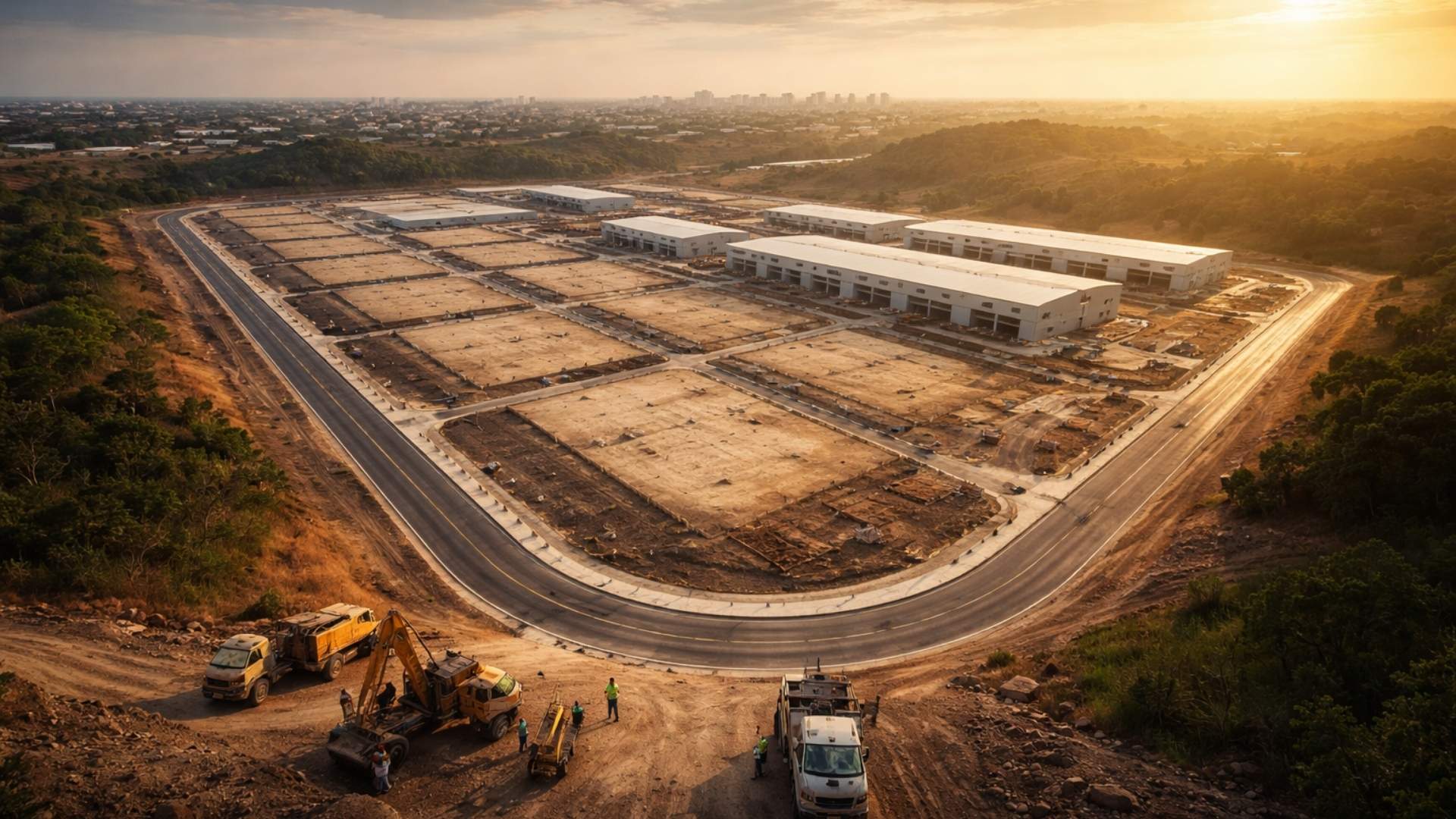
Brazilian city gains industrial hub for 85 companies that is equivalent to 55 football fields.

-
Peugeot and Citroën factory in Argentina cuts production by half and opens a layoff program for more than 2,000 employees after Brazil drastically reduced purchases of Argentine vehicles.

-
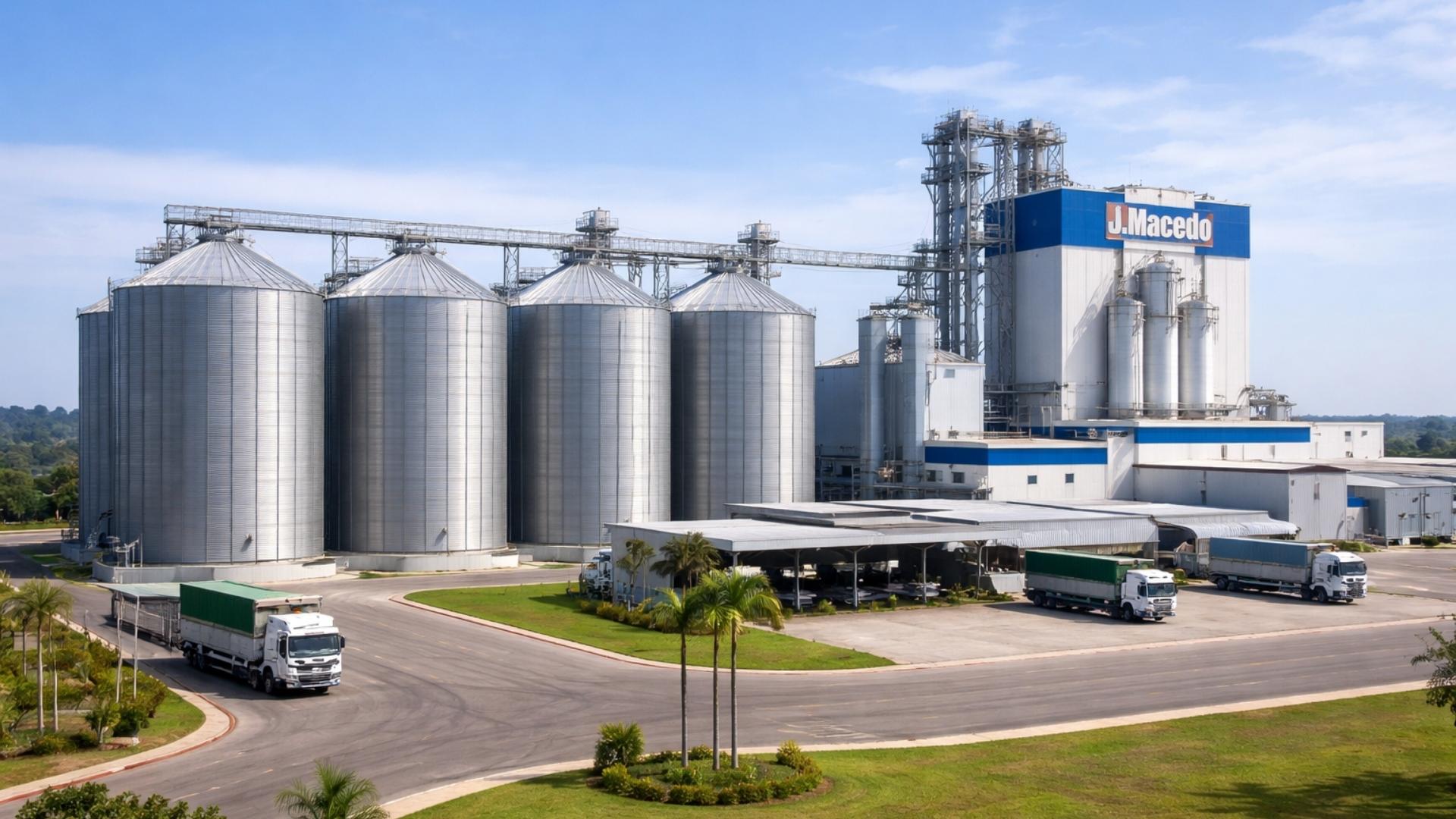
A Brazilian city gains a factory worth R$ 300 million with the capacity to process 200 thousand tons of wheat per year, a mill of 660 tons/day, silos for 42 thousand tons, and an industrial area of 276 thousand m².
-
Havan will leave the shopping mall in Blumenau to inaugurate something that the chain has never done before: a megastore in half-timbered style in the Historic Center of the city, which is expected to be completed in May and change the landscape of local retail.

This means that 6.8 million Brazilians were unemployed, a reduction of 1.4 million compared to the previous year.
According to experts, the economic recovery was driven by the expansion of sectors such as commerce and construction.
These segments not only generated new jobs but also boosted consumption and market confidence.
“When unemployment is low, there is an increase in income, which generates a positive impact throughout the production chain,” says Euzébio de Sousa, an economics professor at FESPSP, in an interview with UOL News.
The Impact on Combating Inequality
The growth of the job market is not limited to job generation. It is also a powerful tool for reducing poverty and social inequalities.
As Sousa points out, the improvement in employment creates a virtuous cycle: increased family consumption, more retail activity, and consequently, greater need for investment by companies.
Data from IBGE shows that formal job creation grew 3% in 2024, which represents more security and labor rights for millions of Brazilians. For economists, this is essential to ensure greater social equity.
Stability That Attracts Investors
With a heated job market, investor confidence also rises. “Companies see a promising future when there is an increase in employment and income. This stimulates new investments,” explains Sousa.
According to data from the Central Bank, gross fixed capital formation grew 5% in 2024, marking a breakthrough in companies’ production capacity.
This index reflects the expansion of industries and the construction of infrastructure, such as new factories and logistics systems, essential to meet the growing demand.
The Role of Education in the Job Market
Education is a determining factor for strengthening the job market. According to studies by the Institute for Applied Economic Research (IPEA), a qualified workforce has greater capacity to contribute to economic growth and the reduction of social inequalities.
In 2024, Brazil registered significant advancements in training programs, such as Pronatec and Novos Caminhos, which reached more than 1.5 million Brazilians.
However, challenges remain. The rate of functional illiteracy among adult workers is still high, reaching 20%, according to an IBGE report.
This undermines not only productivity but also the ability to adapt to new technologies, which are increasingly demanded in the job market.
Brazilian Regions: Disparities and Opportunities
The impact of the job market varies significantly between regions in Brazil. While the Southeast leads in the creation of formal jobs, the Northeast faces more acute challenges due to lower industrialization and high dependence on the agricultural sector.
However, the growth of technological hubs in the Northeast, such as Porto Digital in Recife, demonstrates that there is potential for regional economic transformation.
The creation of jobs in the information technology industry has helped to retain local talent and reduce the exodus of professionals to the Southeast.
Public Policies Are Essential
Despite advances, Brazil still faces significant challenges. According to the International Labour Organization (ILO), 38% of the economically active population is still informal, a problem that directly impacts fiscal revenue and workers’ rights.
“Investing in education and professional training is crucial to sustain the growth of the job market,” argues Sousa.
The federal government announced in September 2024 the Qualifica Brasil Program, which promises to train 3 million workers in areas such as technology and construction by the end of 2025.
International Scenario and Internal Risks
The global economy also influences the Brazilian job market. In 2024, the International Monetary Fund (IMF) predicted a global growth of 2.9%, a moderate pace that presents risks for emerging countries. However, the diversification of Brazilian exports has helped to mitigate these impacts.
Domestically, inflation is still a concern. Although controlled at 4.6% in 2024, according to the Central Bank, it could compromise purchasing power if wages do not keep up with rising costs.
The Role of Technologies and Digital Transformation
The incorporation of advanced technologies in the job market has generated both opportunities and challenges.
Automation and artificial intelligence are redefining traditional roles, requiring greater qualification from workers.
According to the National Confederation of Industry (CNI), 62% of Brazilian companies plan to invest in digitization by 2025, potentially increasing the job supply in sectors such as information technology, engineering, and logistics.
On the other hand, there is the risk of increased structural unemployment for less qualified workers. Experts warn that public policies must be implemented to ensure the training and re-employment of these professionals in new positions.
Sectors on the Rise: Where Is the Future of Work?
Sectors such as technology, renewable energy, and agribusiness lead the growth expectations for 2025. Brazil has stood out as one of the world’s leading food exporters, and advancements in technologies applied to agriculture, such as drones and smart irrigation systems, are transforming the sector.
In the energy sector, the country is also in a prominent position. The increase in investments in wind and solar parks, especially in the Northeast, has generated thousands of jobs.
Data from Absolar indicates that the solar photovoltaic sector created more than 120,000 jobs in 2024, with expansion expected for 2025.
Finally, the information technology sector continues to grow, with high demand for qualified professionals. Brazilian startups are thriving, attracting international investments and promoting innovations that have global impact.
A Market of Opportunities and Challenges
While the job market in Brazil has shown significant advances, there is still much to be done. Reducing inequalities, qualifying the workforce, and adapting to new technologies are just a few areas that require attention.
With the right policies and the engagement of all sectors of society, 2025 could be a year of great transformation.
How do you think Brazil can better seize these opportunities?








-

-

3 pessoas reagiram a isso.