





 Português
  Inglês
  Espanhol
 3 min de leitura
  0 comentários



More Than 282 Thousand Family Farmers Regularized Debts With the Desenrola Rural, Which Negotiated Almost R$ 12 Billion and Strengthened Access to Productive Credit in the Field
The Desenrola Rural has become a milestone for Brazilian family agriculture by allowing thousands of producers to regain their financial breath and food production, according to a news article published.
Launched in February by the Ministry of Agrarian Development and Family Agriculture (MDA), the program quickly surpassed expectations.
More than 282 thousand family farmers renegotiated their debts, reaching 529,706 operations and moving almost R$ 12 billion in regularizations.
-
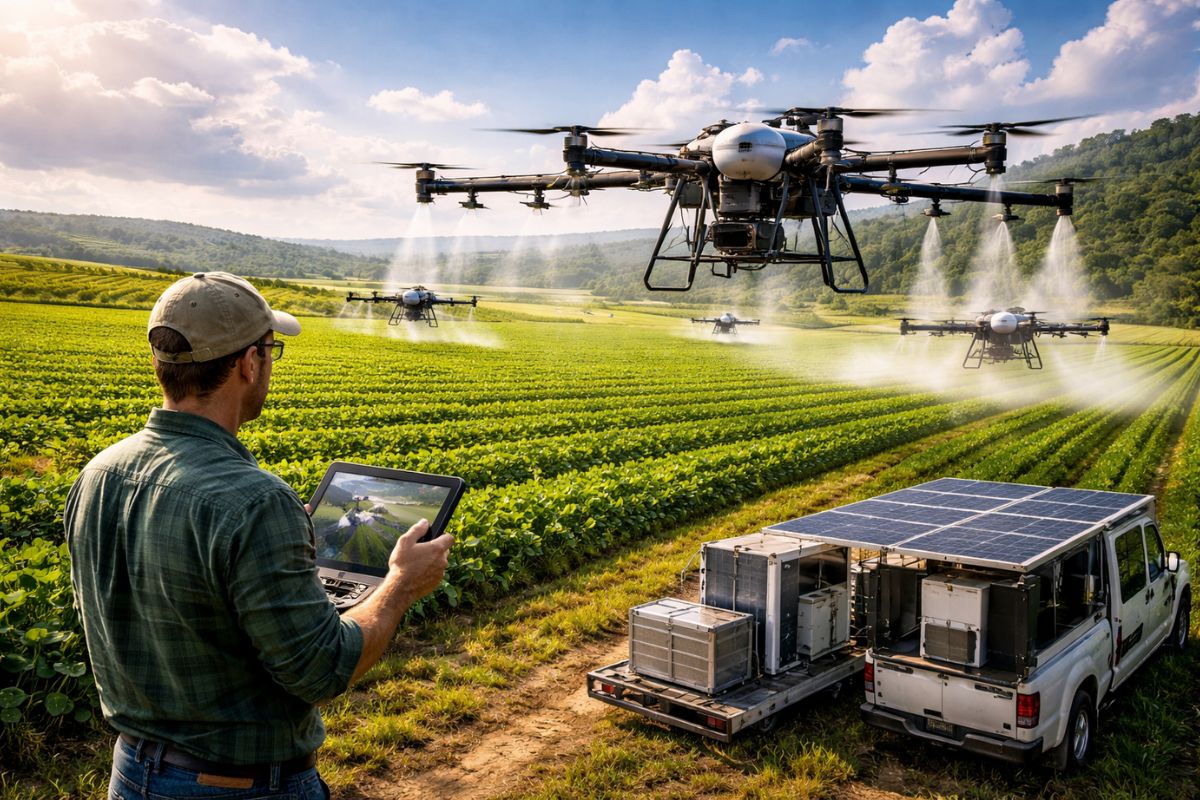
Alone, the producer applies 7,400 hectares with the T100 drone in an optimized structure, replaces the generator with a silent battery, and demonstrates how technology reduces costs, increases productivity, and even challenges the uniport in the field.
-
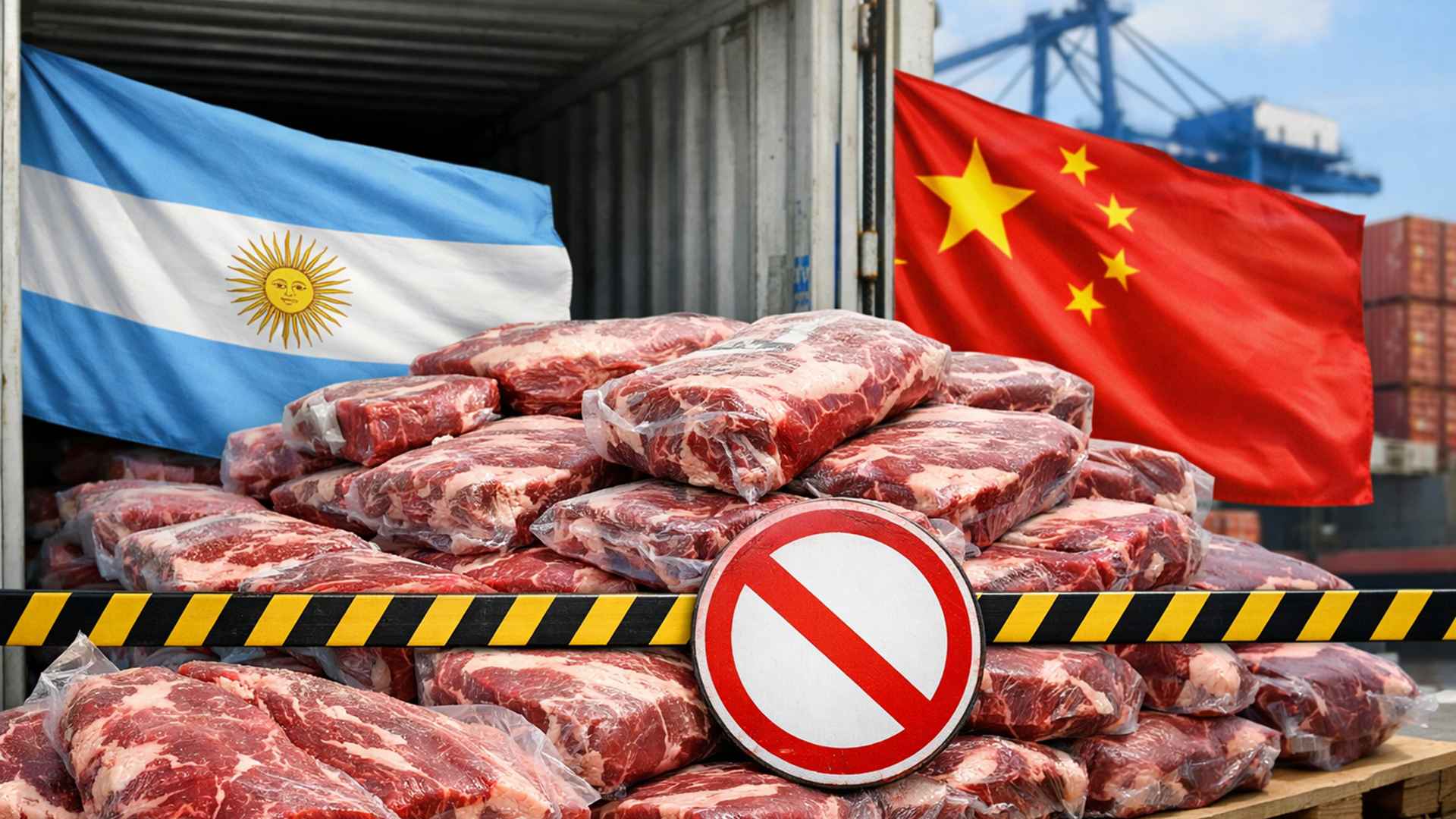
China banned the export of 22 tons of meat from Argentina.
-
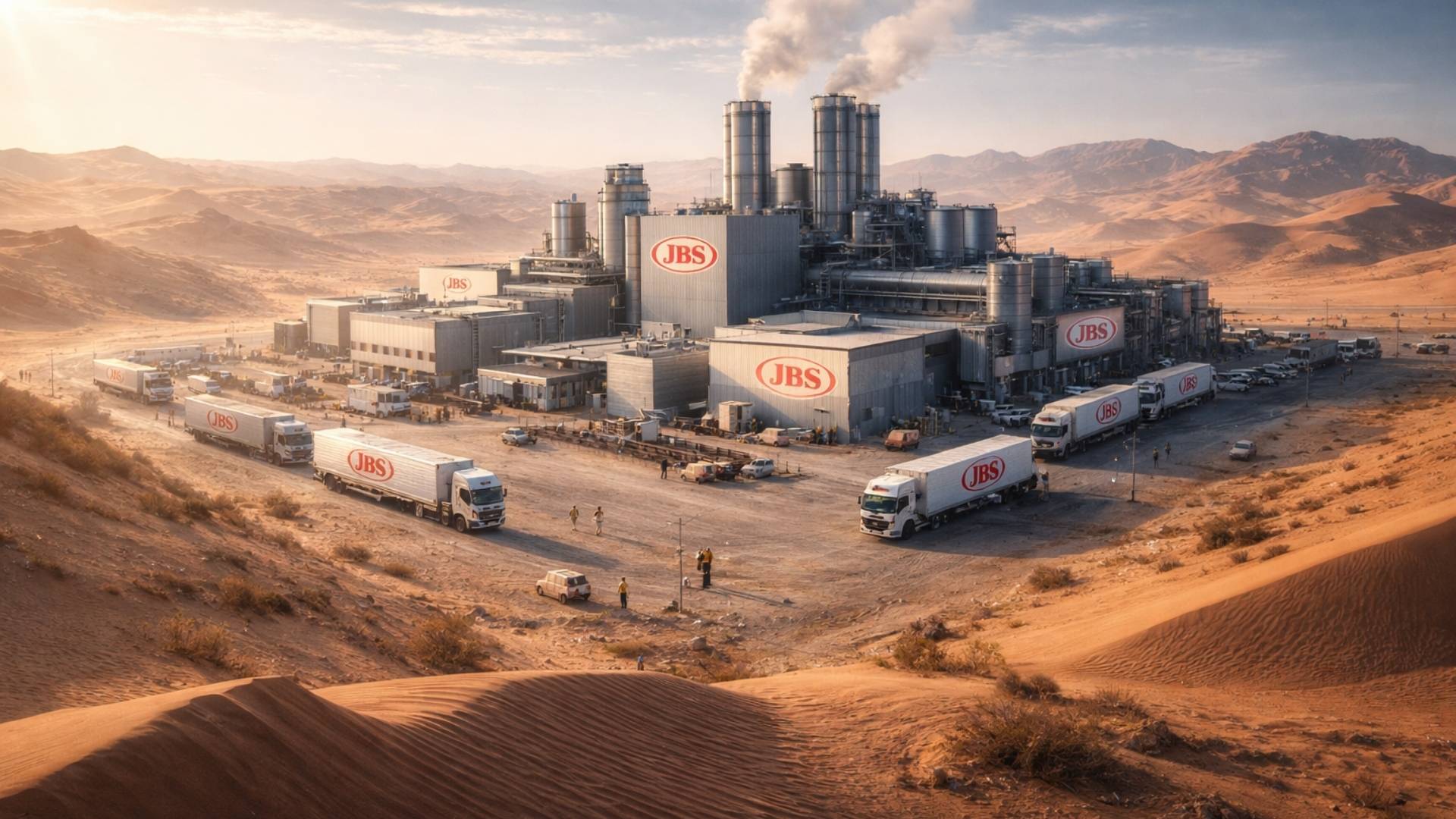
JBS, founded by the Batista brothers, continues to conquer the world: entrepreneurs built a ‘factory in the desert’ creating 3,000 jobs.
-
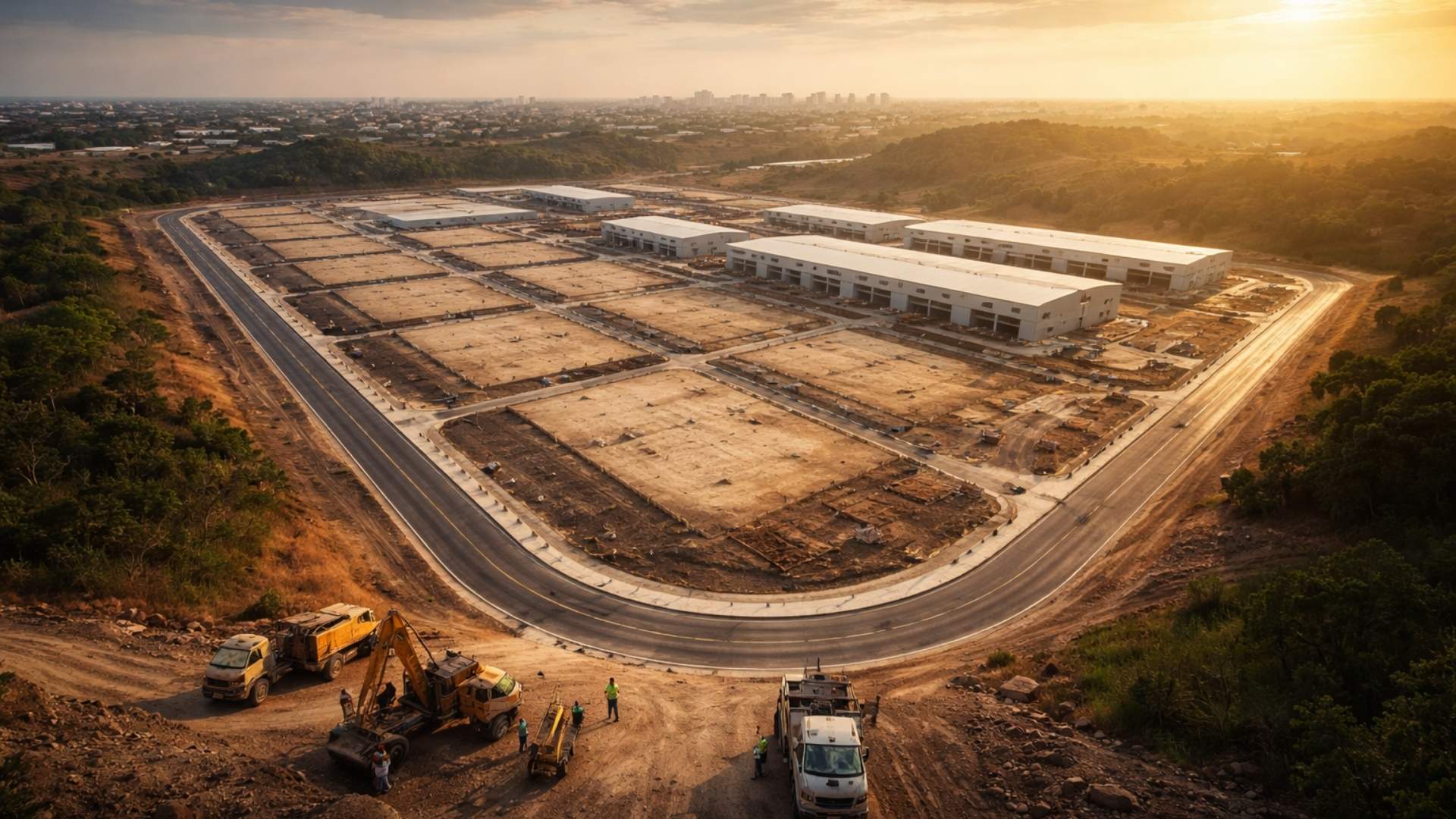
With only 1% of Brazil’s territory, Santa Catarina has built one of the most competitive industrial parks in the country, with 64,000 companies, nearly 1 million jobs, and a growth rate of 5.3% while the national industry is practically stagnant.


This initiative was designed to restore access to credit, especially through the National Program for Strengthening Family Agriculture (Pronaf), and to ensure that small producers continue to contribute to the country’s food supply.
The core proposal of the program is simple and effective: clear the producer’s name so that they can start investing, producing, and generating income again.
The mass adoption demonstrates that the public policy fulfilled its role of providing financial relief in a time of need, especially for those who live off the land.
Renegotiation of Agricultural Debts With Support from PGFN and Pronaf
A large part of the Desenrola Rural operations is related to debts registered in the Union’s Active Debt, managed by the National Treasury Attorney General’s Office (PGFN).
In total, there were 407.2 thousand renegotiated operations, involving 185.2 thousand producers and totaling R$ 9.1 billion. This volume reflects the joint effort of the government to strengthen the rural economy.
Other financial institutions also played a key role in this process. Banco do Brasil, Caixa Econômica Federal, Banco Regional de Desenvolvimento do Extremo Sul, and Sicred renegotiated R$ 2.4 billion in more than 76 thousand operations.
These numbers show the program’s reach and the direct impact on agricultural communities.
Furthermore, Incra renegotiated R$ 73 million in debts of 5,586 farmers linked to agrarian reform projects, while Banco do Nordeste and Banco do Brasil served 34,484 producers, totaling R$ 163.7 million in paid debts with resources from Constitutional Funds.
How the Desenrola Rural Strengthens Cooperatives and Traditional Communities
The Desenrola Rural is not limited to family farmers. It also includes artisanal fishermen, quilombolas, indigenous people, settlers from agrarian reform, and cooperatives linked to family agriculture, broadening the social reach of the initiative.
Those with debts registered with the Union can access the Regularize with CPF website to consult and choose the best payment option.
Debts related to Pronaf must be addressed directly with financial institutions, while installation credits can be settled at Incra or in the Citizenship Room.
The program also has the support of unions and rural associations that guide farmers through the registration steps.
This community support network strengthens the sense of belonging and promotes sustainable development in the agricultural regions.
Financial Inclusion and Rural Sustainability
The Desenrola Rural represents a new phase in the policy of strengthening family agriculture, by uniting debt renegotiation, access to credit, and incentives for sustainable production.
More than just an economic program, it is a tool for social reconstruction in the field, ensuring that the small producer continues to be a protagonist in Brazil’s food security.








Seja o primeiro a reagir!