





 Português
  Inglês
  Espanhol
  3 min de leitura
  0 comentários


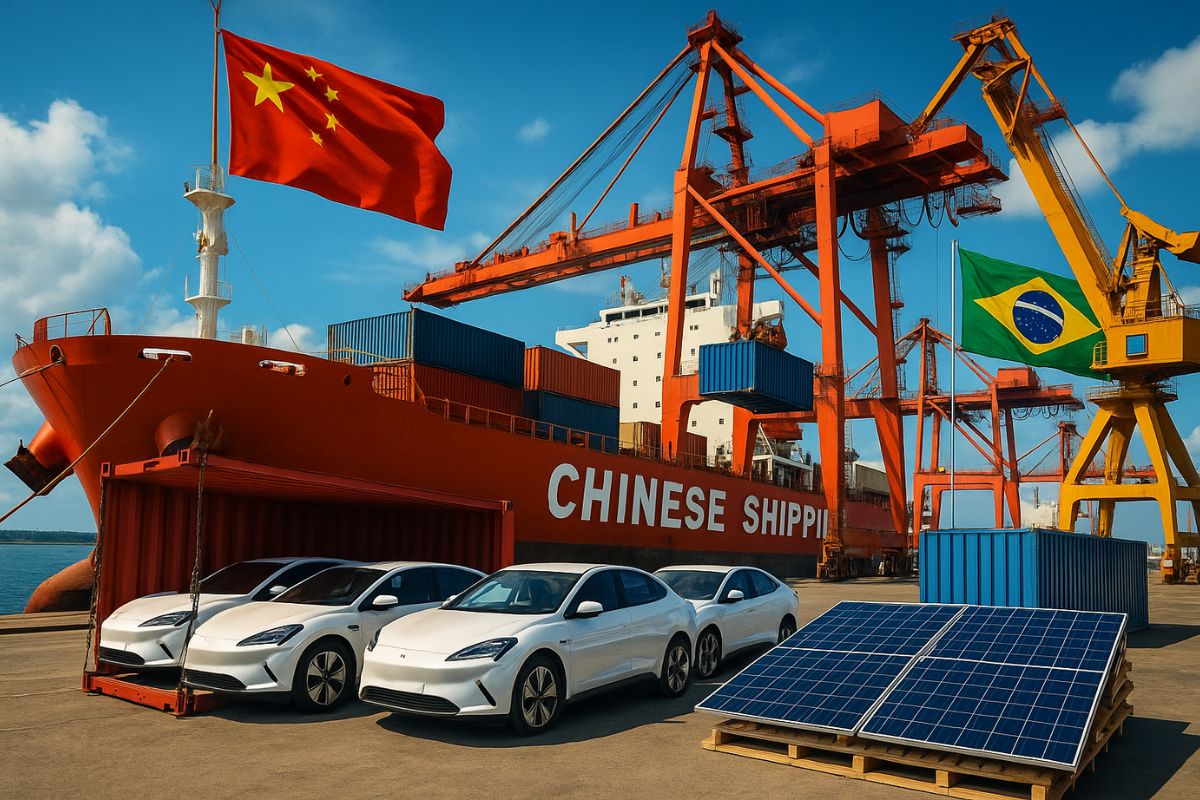
‘Chinese Dumping’: How Trump’s Tariffs Could Push Products to Brazil. US-China Trade War Redirects Production Surplus to South America, and Brazil Becomes Preferred Target
The Chinese dumping gained new momentum with Donald Trump’s return to the presidency of the United States. In 2025, the Republican resumed the tariff escalation against high-tech products coming from China, particularly targeting electric vehicles, solar panels, and industrial machinery. With no space in traditional markets, Beijing is repositioning its production to regions with lower trade barriers — and Brazil is already feeling the direct effects of this shift.
According to projections by the World Trade Organization (WTO), Chinese exports to South America are expected to grow by 9% this year, the largest increase among all regions. At the center of this new route, Brazil combines a large consumer market, established logistics, and trade agreements that make the country particularly attractive for Chinese companies.
Why Chinese Dumping Is Accelerating
China accounts for over 30% of the world’s industrial production. In recent years, the Chinese government has injected around US$ 2 trillion in credit to expand factories in strategic sectors such as electric mobility, clean energy, and semiconductors. The problem is that domestic consumption has slowed since 2021, affected by the real estate bubble and declining income of the middle class.
-
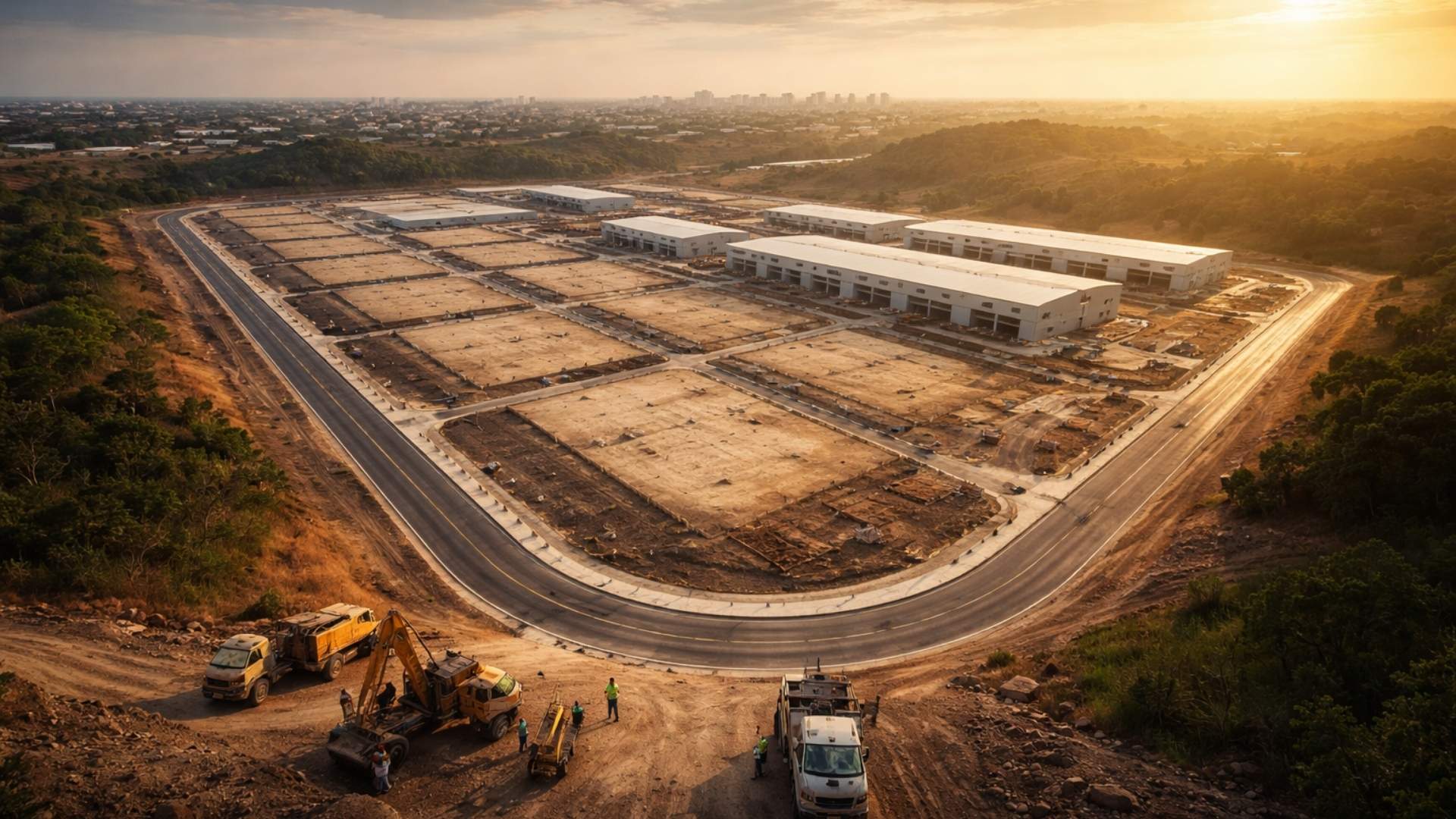
Brazilian city gains industrial hub for 85 companies that is equivalent to 55 football fields.

-
Peugeot and Citroën factory in Argentina cuts production by half and opens a layoff program for more than 2,000 employees after Brazil drastically reduced purchases of Argentine vehicles.

-
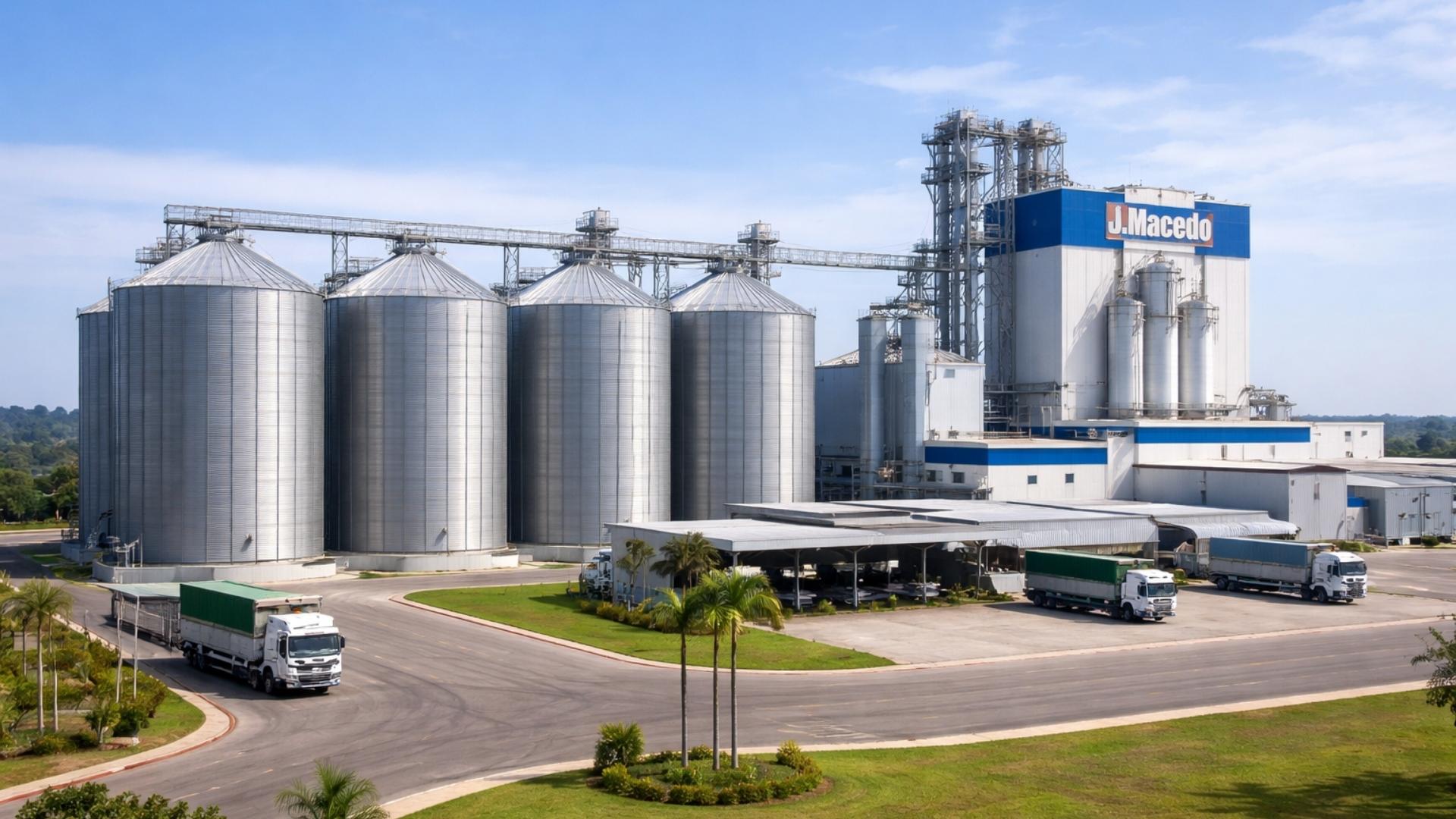
A Brazilian city gains a factory worth R$ 300 million with the capacity to process 200 thousand tons of wheat per year, a mill of 660 tons/day, silos for 42 thousand tons, and an industrial area of 276 thousand m².
-
Havan will leave the shopping mall in Blumenau to inaugurate something that the chain has never done before: a megastore in half-timbered style in the Historic Center of the city, which is expected to be completed in May and change the landscape of local retail.


With accumulated inventories and pressured margins, companies are adopting the classic strategy: exporting. However, the increase in tariffs imposed by Trump and similar measures in Europe and Mexico are forcing China to seek alternative markets, accelerating the flow to Latin America.
The Impact on the Brazilian Automotive Industry
The most visible example of Chinese dumping is in the automotive sector. In 2023, China surpassed Japan and Germany, becoming the largest exporter of cars in the world. Automakers like BYD and GWM not only expanded sales to Brazil — today 85% of electric cars imported into the country come from China — but also established local factories, taking over inactive plants from Ford and Mercedes-Benz.
Anfavea, the association representing automakers established in Brazil, accuses Chinese manufacturers of practicing dumping, selling vehicles below real cost with state support to gain market share. The fear is that, in a few years, traditional brands will lose ground to cheaper and technologically advanced models coming from China.
Solar Energy and the Repeated Effect
The trajectory of solar panels serves as a warning about how Chinese dumping can reshape entire sectors. After heavy tariffs from the US during Trump’s first term, China lowered prices and redirected exports to countries like Brazil. Between 2018 and 2023, the imported volume grew explosively, driving down costs and consolidating an absolute dominance: today, nine out of ten solar panels installed in Brazil are Chinese.
More Than Trade: Geopolitical Strategy
The movement is not limited to price and scale. The Chinese government, led by Xi Jinping, is investing in a diplomatic offensive that involves financing, infrastructure, and long-term agreements. In 2024, Brazil and China signed 37 bilateral agreements, reinforcing the idea of a “community of shared future” advocated by Beijing.
For China, conquering emerging markets is also a way to expand geopolitical influence. For Brazil, the issue is balancing access to cheaper products and technologies with the need to protect domestic industry.
Risks and Opportunities
Experts warn that the mass entry of Chinese products could weaken local production chains, jeopardizing the survival of national companies in strategic sectors. On the other hand, Brazilian consumers and businesses benefit from lower prices and quick access to advanced technologies.
The decision Brazil will have to make is not simple: to ride the wave and integrate into the global Chinese supply chain or raise barriers to preserve internal competitiveness.
Do you believe Brazil should take advantage of Chinese dumping to modernize its economy or create barriers to protect domestic industry? What is the smarter path? Leave your opinion in the comments.









Seja o primeiro a reagir!