





 Portuguese
  English
  Spanish
  6 min of reading
  0 comments


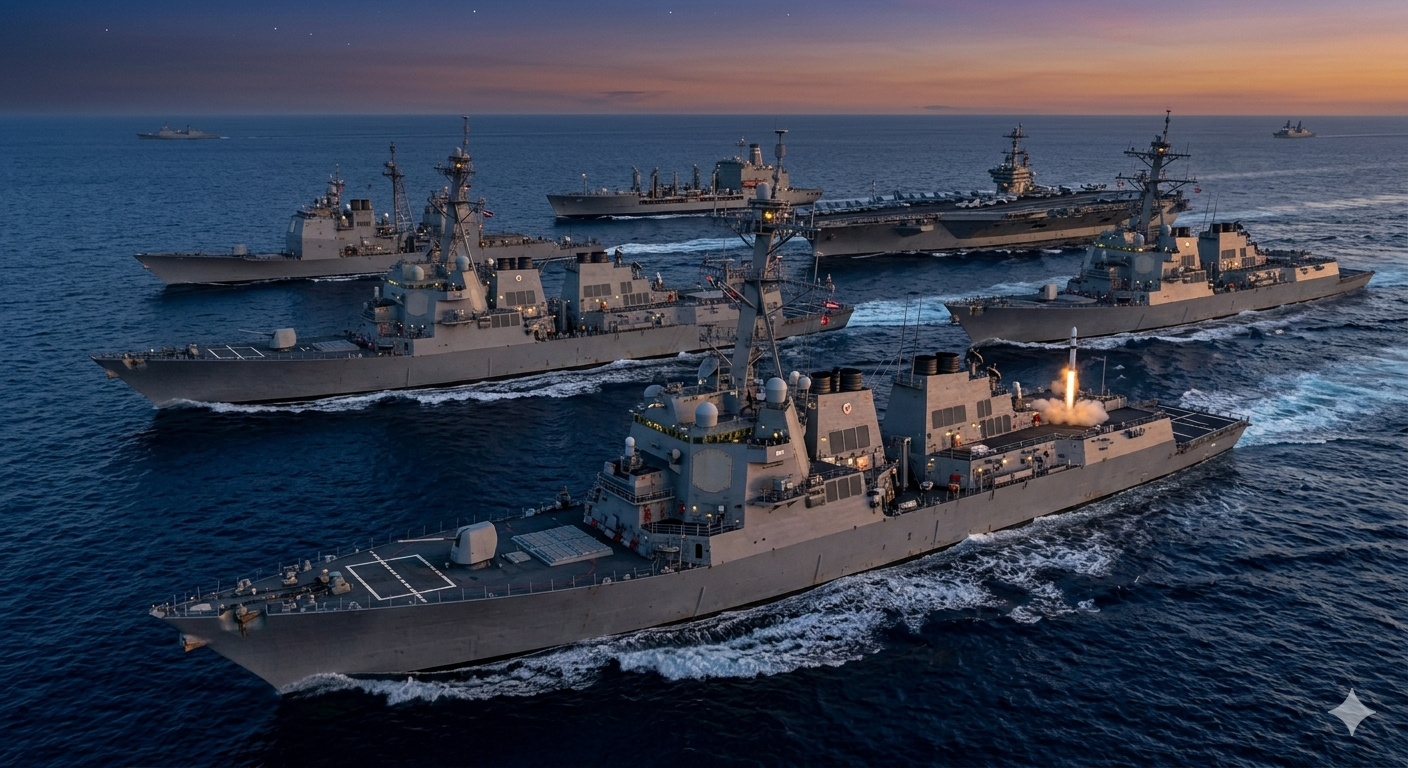
Equipped with SAMPSON radar and the Sea Viper air defense system, the British Type 45 destroyers were designed to intercept supersonic missiles and protect entire fleets against aerial attacks.
In the modern naval warfare scenario, few ships were designed with such a specific purpose as the Type 45 destroyers of the Royal Navy. These ships were developed to face one of the greatest threats in contemporary naval operations: massive missile and aircraft attacks against groups of warships.
Combining extremely sophisticated radars, advanced interception systems, and a highly integrated electronic architecture, the Type 45s have become one of the most advanced naval air defense platforms ever built in Europe.
Designed to act as the command center for the air defense of an entire fleet, these destroyers can detect, track, and intercept large-scale aerial threats, protecting aircraft carriers, escort ships, and amphibious forces.
-
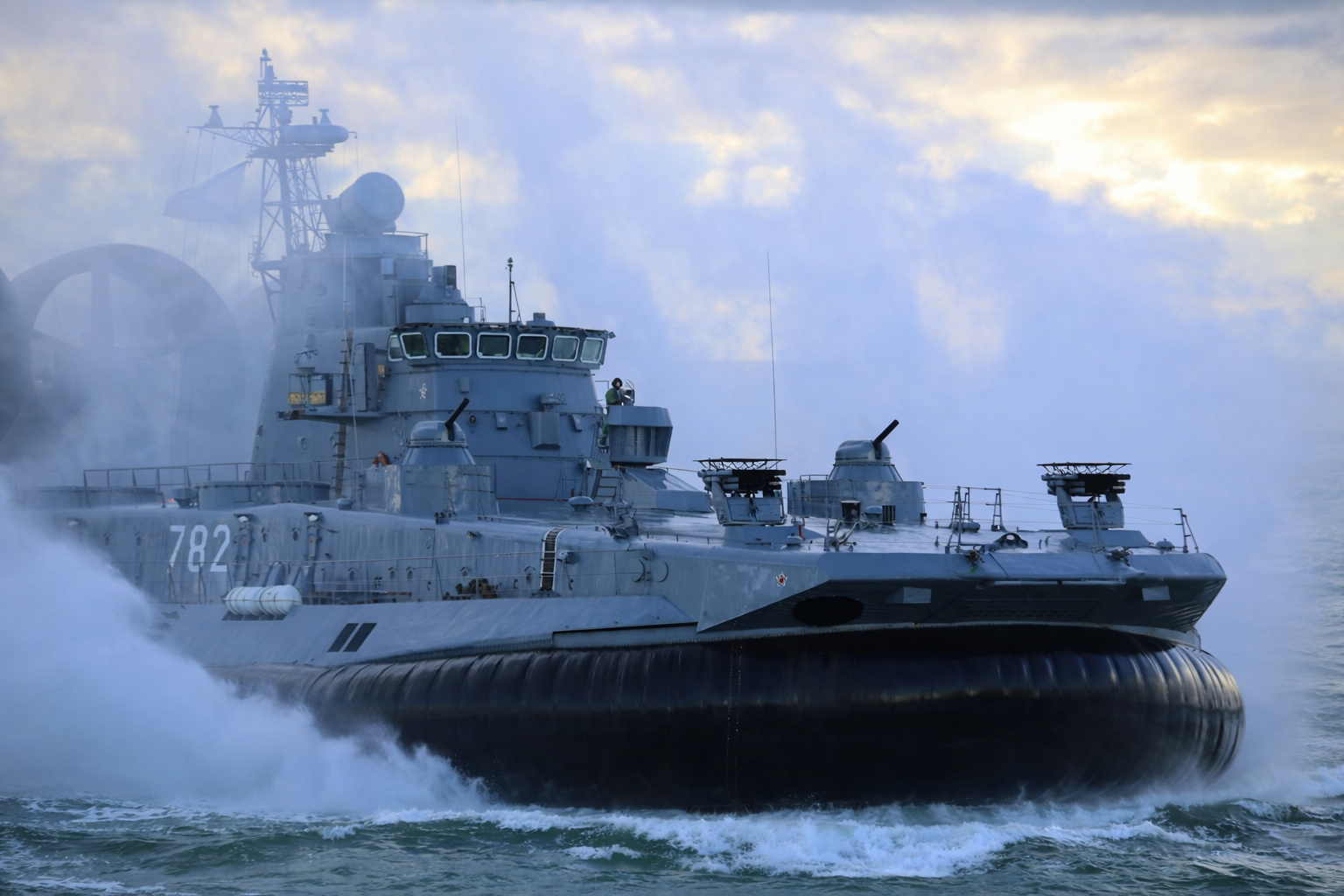
Classified as a “amphibious monster” weighing 555 tons, 57 meters long, and featuring three propellers with a diameter of 5.5 meters, the Zubr is the largest military hovercraft ever built, capable of transporting 3 tanks or 500 soldiers at speeds exceeding 100 km/h over water, ice, and sand, and China has resumed production of it to project power in the South China Sea.
-
The U.S. Army receives the first Black Hawk helicopter that can fly without pilots, be controlled by a tablet, and even land on its own during high-risk missions.

-
With 11,000 tons and sensors capable of hunting submarines at long distances, the Type 055 has become one of the most feared floating arsenals of the Chinese navy.

-
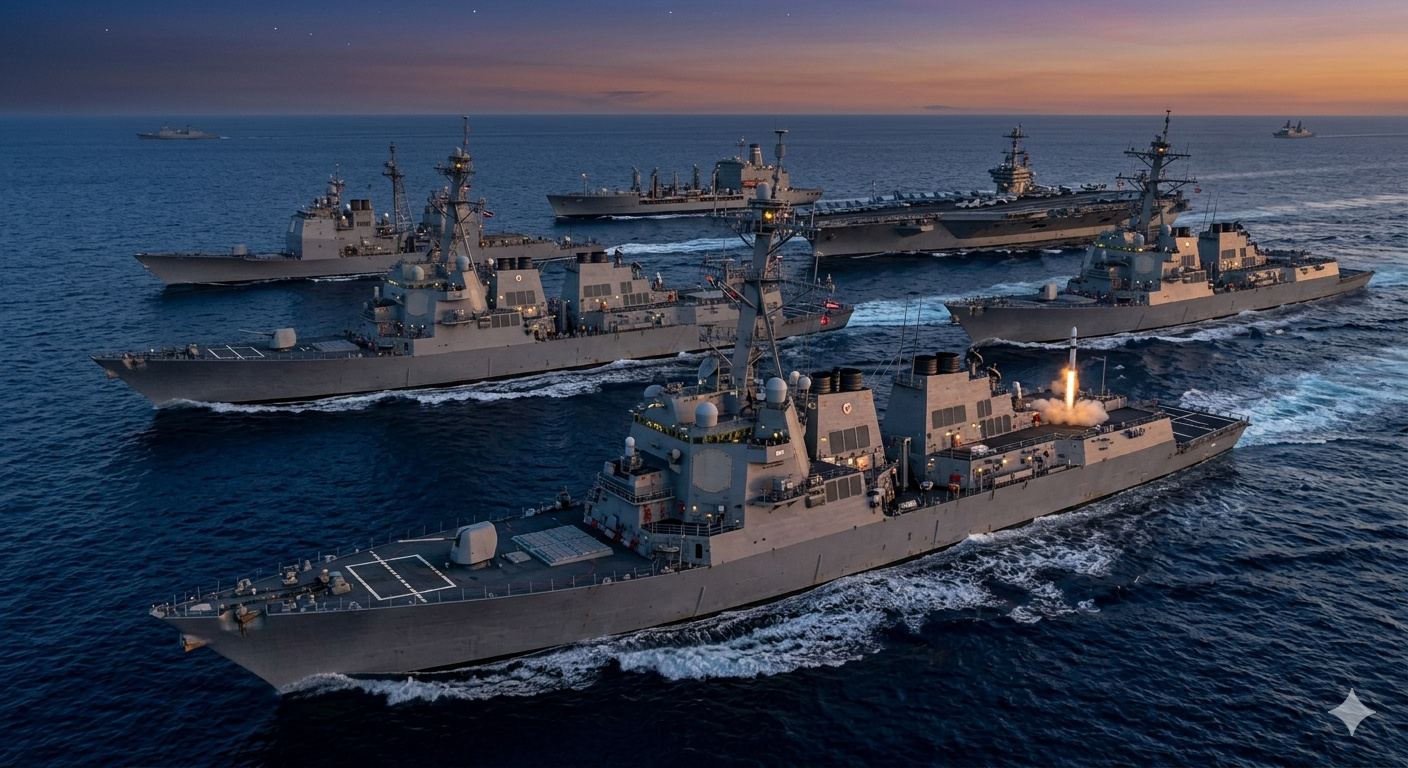
With over 15,000 tons, radars capable of tracking hundreds of targets simultaneously, and more than 120 missiles ready for launch in seconds, modern destroyers cease to be escorts and begin to dominate the naval battlefield.
The Origin of the Type 45 Destroyers
The development of the Type 45 class began in the 1990s, when the United Kingdom decided to replace its old Type 42 destroyers, which had been designed during the Cold War. The Type 42s became known for their role during the Falklands War in 1982, but their technological limitations became evident with the advancement of modern aerial threats.
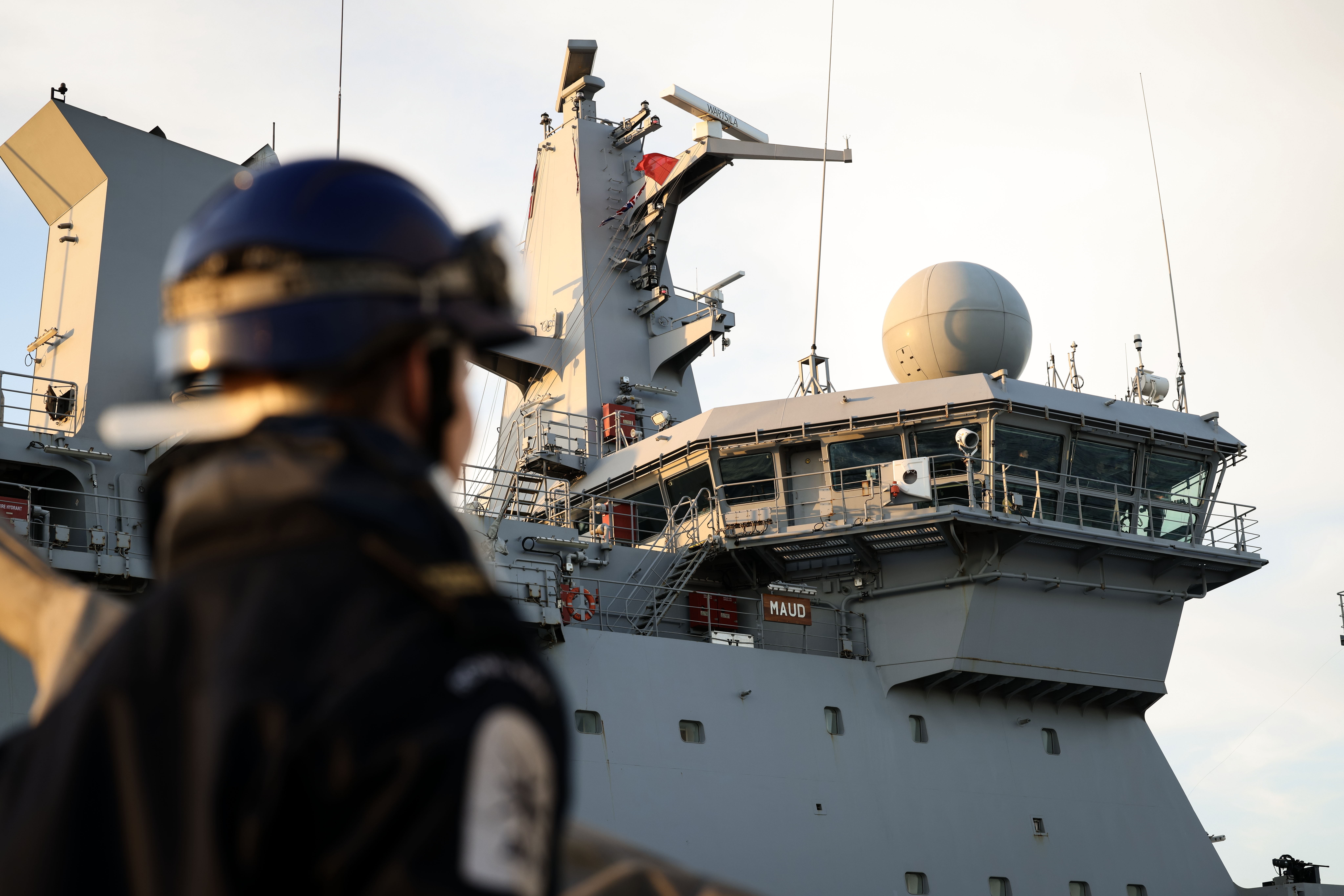
The Royal Navy aimed to create a ship capable of facing: anti-ship missile attacks, supersonic bombers, military drones, and modern combat aircraft. To achieve this goal, a new naval air defense system known as Sea Viper was developed, considered the technological heart of the Type 45 class.
The SAMPSON Radar: The “Eye” of British Air Defense
One of the most notable features of the Type 45 destroyers is the SAMPSON radar, installed in a large rotating dome above the ship’s superstructure. This radar is an AESA (Active Electronically Scanned Array) system, a technology that allows for sweeping the sky at incredibly high speeds and precision. Among its capabilities are:
- Tracking hundreds of targets simultaneously;
- Detecting aircraft at great distances;
- Tracking high-speed missiles;
- Guiding interceptors in real-time.
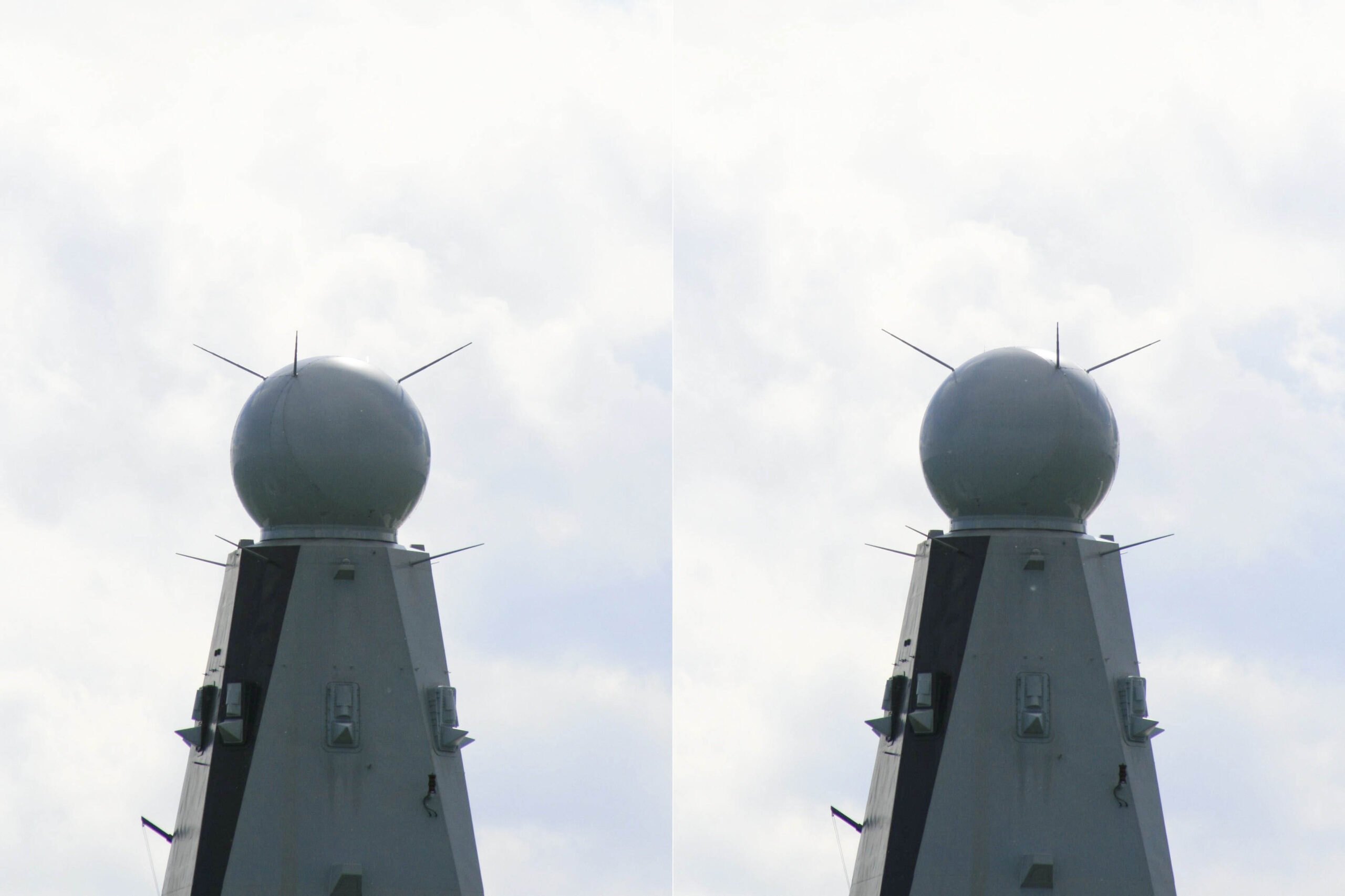
The SAMPSON works in conjunction with another radar known as S1850M, responsible for long-range air surveillance. This combination allows the ship to detect threats hundreds of kilometers away. This capability transforms the Type 45 into a true command center for naval air defense.
The Sea Viper System and the Aster Missiles
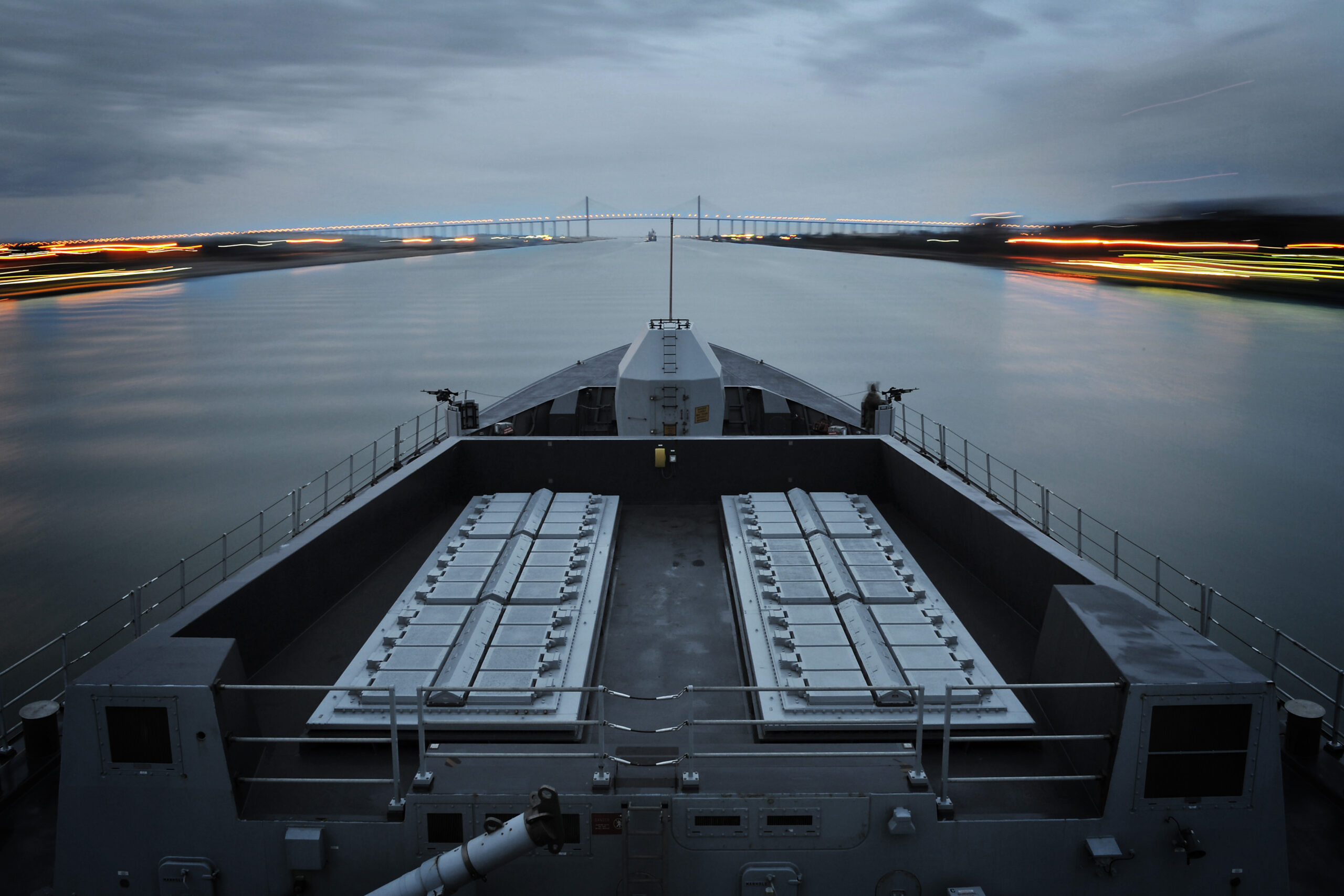
To neutralize aerial threats, the Type 45 destroyers use the Sea Viper system, based on the European Aster missiles. These missiles are launched from vertical cells located at the bow of the ship. The system uses two main types of interceptors:
- Aster 15 – used for short- and medium-range air defense
- Aster 30 – used to intercept targets at much greater distances
The Aster missiles utilize a control system called PIF-PAF, which allows for extremely rapid maneuvers during flight. This is essential for intercepting modern anti-ship missiles, which often perform evasive maneuvers. According to Royal Navy data, Aster missiles can intercept supersonic threats flying at low altitudes or executing evasive maneuvers.
The Capacity to Protect an Entire Fleet
The Type 45 destroyers were not designed just to protect themselves. They were conceived to defend entire groups of ships, including aircraft carriers. When a naval combat group is in operation, the Type 45 acts as a kind of “electronic shield.”
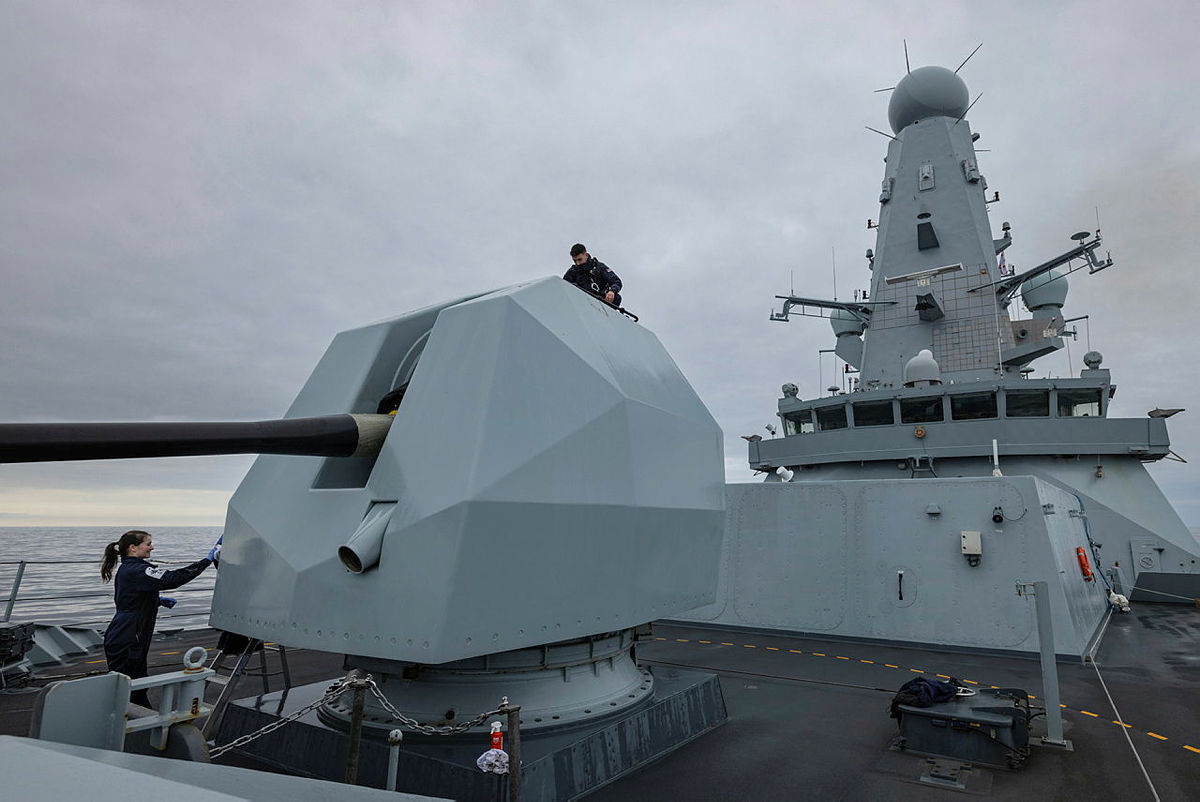
Its function includes detecting aerial threats, coordinating the fleet’s response, launching interceptors against enemy missiles, and sharing radar data with other ships. This coordination capability is crucial in modern naval operations. In a combat scenario, various ships can share sensor information and act in an integrated manner.
A Large Destroyer
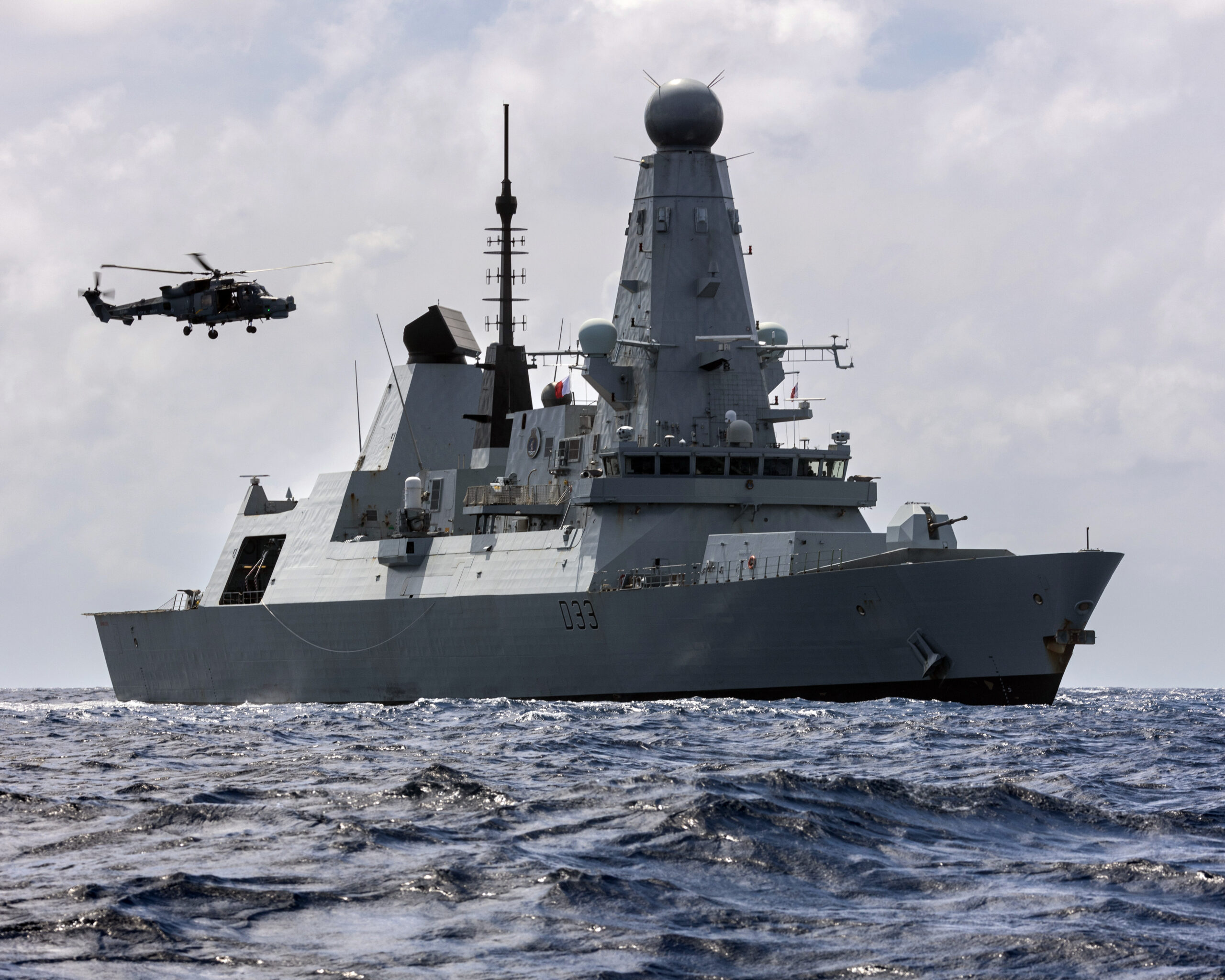
The Type 45 destroyers are large vessels by the standards of this category. Among their main technical characteristics are:
- Approximate displacement of 8,500 tons
- Length of about 152 meters
- Crew of approximately 190 personnel
The ship also has the capability to operate military helicopters. Usually, Merlin or Wildcat helicopters are used for anti-submarine warfare, surveillance, and transport missions.
Advanced Propulsion and Energy Efficiency
Another technological aspect of the Type 45 class is its propulsion system. The ships use a system called Integrated Electric Propulsion (IEP). In this model, turbines and generators produce electricity that powers electric motors responsible for moving the ship’s propellers. This system offers several advantages:
- Greater energy efficiency
- Reduction of underwater noise
- Greater operational flexibility
The reduction of noise is especially important in military ships, as it decreases the chance of detection by enemy submarines.
The Ships that Comprise the Type 45 Class
The Royal Navy has built six destroyers of this class. Among them are:
- HMS Daring
- HMS Dauntless
- HMS Diamond
- HMS Dragon
- HMS Defender
- HMS Duncan
These ships began entering service between 2009 and 2013. Since then, they regularly participate in international missions and military exercises.
The Role in Defending British Aircraft Carriers
The Type 45 destroyers have become essential pieces in protecting the new British Queen Elizabeth class aircraft carriers. These aircraft carriers are capable of operating F-35B fighters and represent the core of modern British naval power.
To protect these vessels, the Royal Navy uses combat groups composed of various ships. Within this group, the Type 45 plays the role of the fleet’s primary air defense system. It monitors the airspace around the aircraft carrier and intercepts threats before they approach.
Tests That Demonstrated the System’s Capability
During tests conducted in the Mediterranean and the Atlantic, Type 45 destroyers demonstrated the ability to intercept extremely complex targets. Among them were:
- High-speed drones
- Simulated missiles
- Low-flying aircraft
These tests were conducted to validate the performance of the Sea Viper system. The results showed that the system can intercept threats flying at supersonic speeds.
The Future of the Type 45 Class
Although they are already considered extremely advanced ships, the Type 45 destroyers continue to undergo upgrades. Modernization programs include:
- New energy systems
- Improvements in sensors
- Integration with new missiles
These upgrades are part of an effort by the Royal Navy to keep the class operational for decades. The Type 45s are expected to remain in service until at least the 2040s.
One of the Most Advanced Naval Air Defense Systems in the World
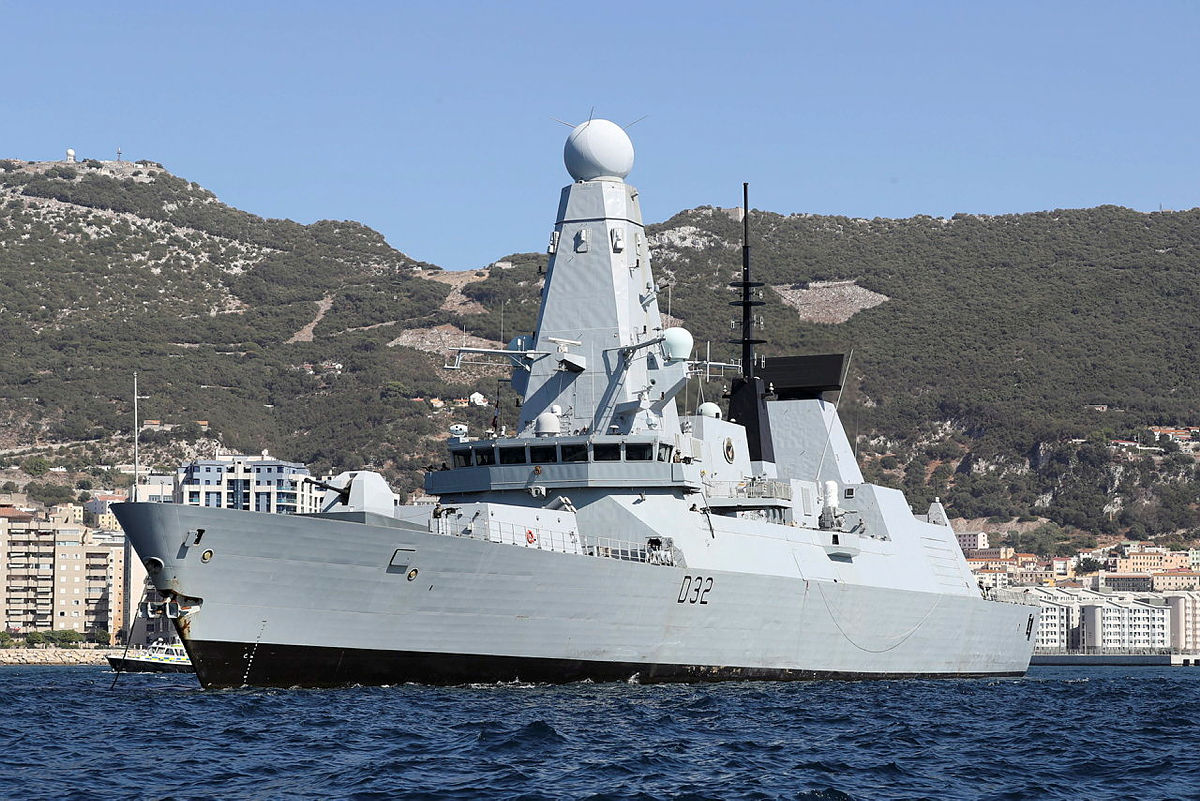
The Type 45 destroyers represent one of the greatest advancements in European naval engineering in recent decades. By combining long-range sensors, highly maneuverable interception missiles, and sophisticated command systems, these ships were designed to face the naval air warfare scenario of the 21st century.
With their ability to track hundreds of targets and intercept supersonic missiles, the Type 45s have become the primary missile shield of British fleets and one of the most advanced destroyers ever built in the world.









-

-

-

-

-

-

38 pessoas reagiram a isso.