





 Português
  Inglês
  Espanhol
  4 min de leitura
  5 comentários


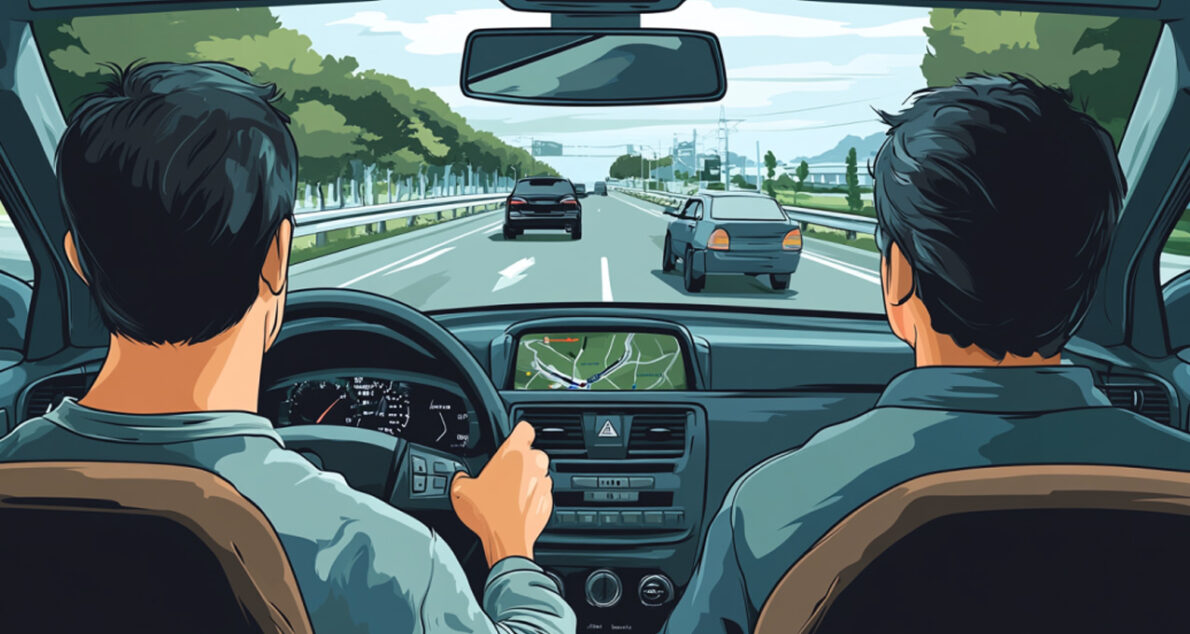

If You Are Thinking Of Getting Your National Driver’s License (CNH), Get Ready: The Rules Have Become More Strict And The Process More Challenging.
The State Department of Transit (Detran) implemented three new decrees in 2024 that promise to transform obtaining the CNH into a true test of endurance for future drivers.
The changes are not mere formalities; they aim to prepare new drivers to face the complexities of modern traffic, but the question remains: are you ready to take on this new challenge?
New Rules For The CNH In 2024: More Rigor In The Practical Exam
-
Brazilian city gains industrial hub for 85 companies that is equivalent to 55 football fields.

-
Peugeot and Citroën factory in Argentina cuts production by half and opens a layoff program for more than 2,000 employees after Brazil drastically reduced purchases of Argentine vehicles.

-
A Brazilian city gains a factory worth R$ 300 million with the capacity to process 200 thousand tons of wheat per year, a mill of 660 tons/day, silos for 42 thousand tons, and an industrial area of 276 thousand m².

-
OMODA & JAECOO grows in Europe in 2026 with an integrated strategy of sales, innovation, local production, and technological advancement in the United Kingdom, Italy, and Spain.


According to the BMC News portal, Detran has made significant updates to the CNH obtaining process. The three new decrees published this year mainly focus on the practical exam, which has been revamped to include more complex maneuvers and a longer evaluation time.
Now, candidates will have to demonstrate skills in more complex situations, such as hill parking and clutch control, in addition to being evaluated under different traffic conditions, both urban and highway.
These changes are not just to “complicate life” for new drivers, but rather to ensure that they are truly prepared to face Brazilian traffic, which becomes more chaotic every day.
Why Are These Changes Necessary?
According to experts, these new rules aim to increase traffic safety. In 2023, Brazil reported a 12% increase in accidents involving newly licensed drivers, highlighting the need for more rigorous training. The new requirements seek to create more aware and skilled drivers, capable of handling unexpected situations on the road.
What To Expect From The New Practical Exam?
With the new rules, the practical exam now has a longer duration, allowing the examiner to assess the candidates’ skills more accurately.
In addition to the already known maneuvers, such as parallel parking and reverse, others have been added, such as hill parking, starting on steep inclines, and emergency maneuvers.
Furthermore, the exam also requires the candidate to demonstrate vehicle control in adverse situations, such as rain, fog, and low visibility conditions.
These changes mean that preparation for the exam demands much more than just knowing how to drive; it is necessary to have strong emotional control to handle pressure during the test.
How To Prepare For The New Requirements?
With the complexity increasing, preparation becomes essential. Constant practice of the new required maneuvers is crucial for success in the exam.
Driving schools have already begun offering specific courses to adapt to these changes, including training in simulators that replicate the new evaluation conditions.
In addition to practice, staying calm is fundamental. Many candidates fail not due to a lack of skill, but because of nerves that lead them to make mistakes. Breathing techniques and anxiety control can be as important as the hours of practice behind the wheel.
Impact Of The New Rules On The Driving School Market
Driving schools, in turn, also needed to adapt. With the need to better prepare students for these new requirements, many institutions invested in new equipment and technologies, such as advanced driving simulators that replicate the conditions candidates will face in the practical exam.
This, naturally, has also reflected in the cost of the licensing process. The average cost to obtain the CNH in 2024 has risen about 15% compared to the previous year, according to data from the National Federation of Driving Schools. However, many consider this investment necessary to ensure that new drivers are truly prepared for the demands of the streets.
Future Of Training New Drivers In Brazil
These changes in the CNH obtaining process represent a global trend towards making drivers more prepared and aware of their responsibilities on the road. Countries like Germany and Japan already adopt even stricter licensing systems, and Brazil seems to be following this direction.
For future drivers, the message is clear: being prepared has never been more important. The new rules demand dedication and practice, but also provide the assurance that, in the end, the new driver will be truly ready to face traffic, contributing to accident reduction and making the streets safer for everyone.
The changes may seem intimidating, but they are essential for the training of more aware and prepared drivers. And what do you think, will these new requirements really improve the quality of drivers in Brazil? Or do you believe that the process is becoming excessively complicated?









acho que a mudança de ficar quem dirigem alcoolizado excelso de velocidade tem que mudar,quanto as demais regras não seria preciso,porque é muita responsabilidade dirigir alcoolizado e fazer manobras arriscadas colocando o cidadão de bem em risco,eu dirijo a mais de 25 anos nunca provoque acidente no nunca desrespeitei semáforo sempre obdecir as placas,ater chamar alguns que são habilitados de inrespondavel já chamei,porque alcoolizado jogou o carro pra cima do meu,sei que estou errado,tenho vontade de tirar a habilitação mais é as condições, não pretendo causar acidentes mais estou correndo risco por causa de certos inrespondavel.
E só lembrando era só 15 horas de aula prática.
É como tocar gaita ou vc toca ou desiste.
Essa regras não são novas todos os que tiraram a CNH na década de 70 a 85 na prova prática fazia o **** de rampa (controle de embreagem) e estacionamento em ( Em aclive e declive).
Na época tinha instrutor de verdade que não só ensinava, más passava os macete do trânsito para o aluno.
Quem tirou a CNH nesta época se lembrará