





 Português
  Inglês
  Espanhol
 3 min de leitura
  0 comentários


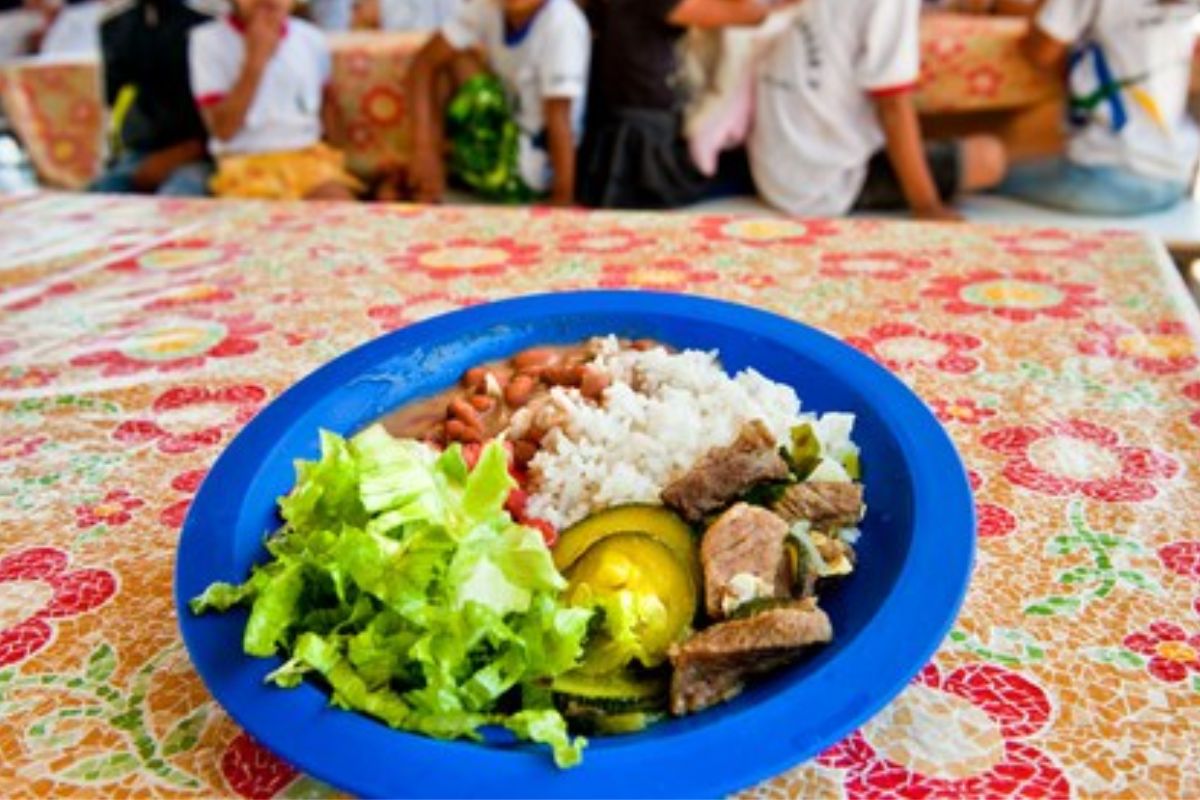
Brazil Celebrates Advances In Access To Food With Public Policies That Strengthen Family Farming, Expand Social Programs, And Ensure Food Security On World Food Day
The World Food Day, celebrated on the last day of October 16, gains a new meaning in 2025, when Brazil celebrates significant achievements in the fight against hunger and the promotion of fair and sustainable access to food, according to a report published.
After leaving the UN Hunger Map, the country reaffirms its commitment to public policies that unite social inclusion, support for family production, and the fight against waste.
Programs such as the Family Agriculture Harvest Plan, the National School Feeding Program (PNAE), and the Food Acquisition Program (PAA) have expanded the reach of healthy food and strengthen the local economy.
-
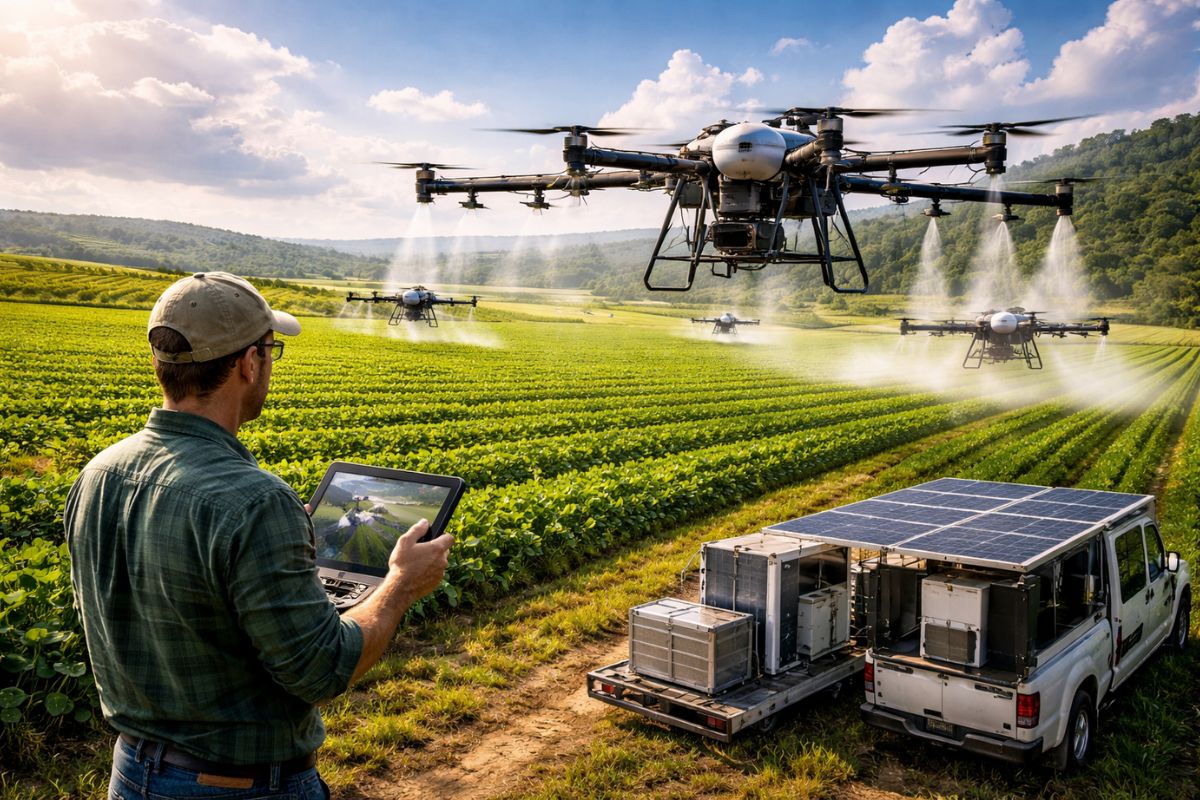
Alone, the producer applies 7,400 hectares with the T100 drone in an optimized structure, replaces the generator with a silent battery, and demonstrates how technology reduces costs, increases productivity, and even challenges the uniport in the field.
-
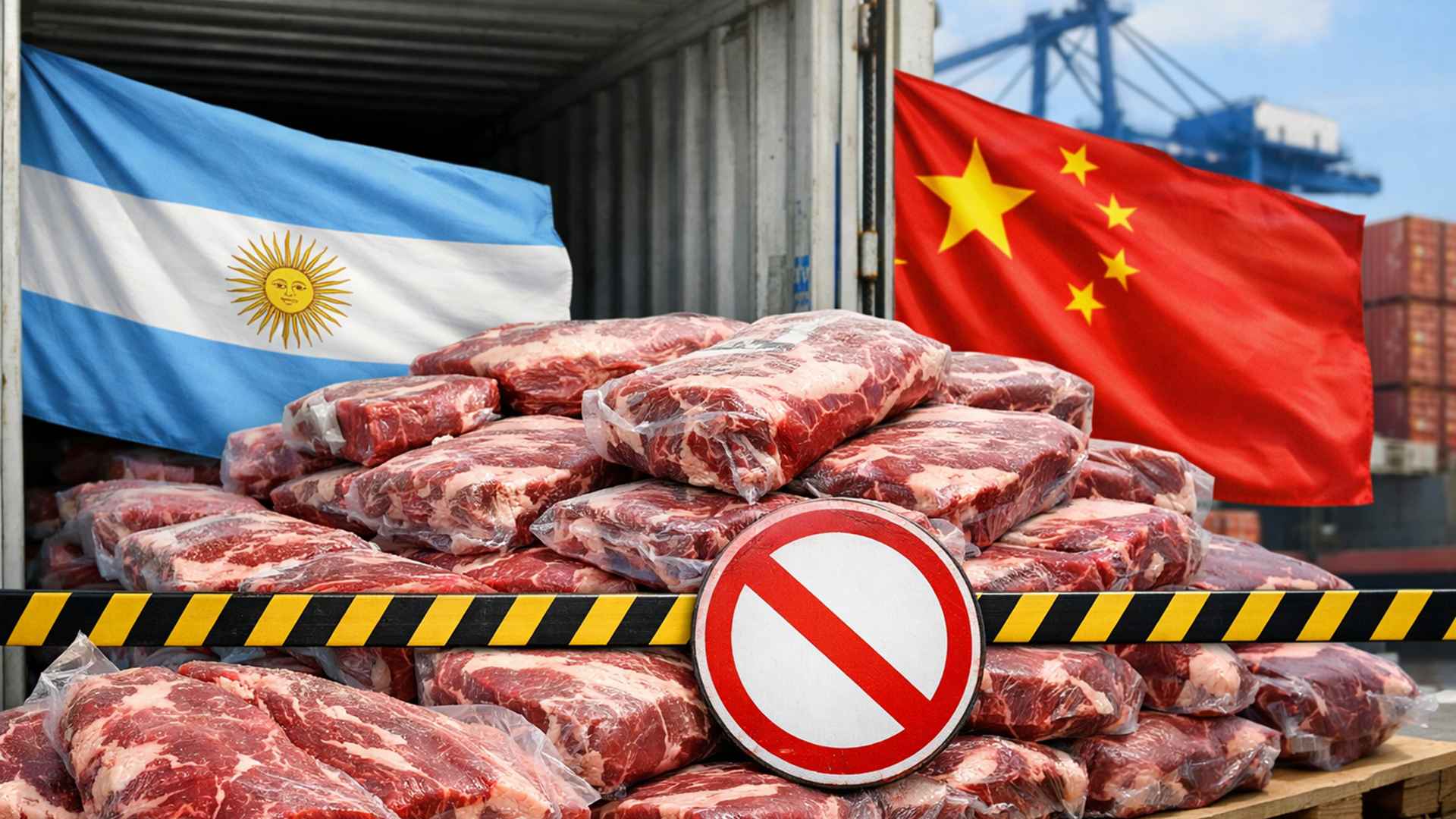
China banned the export of 22 tons of meat from Argentina.
-
JBS, founded by the Batista brothers, continues to conquer the world: entrepreneurs built a ‘factory in the desert’ creating 3,000 jobs.

-
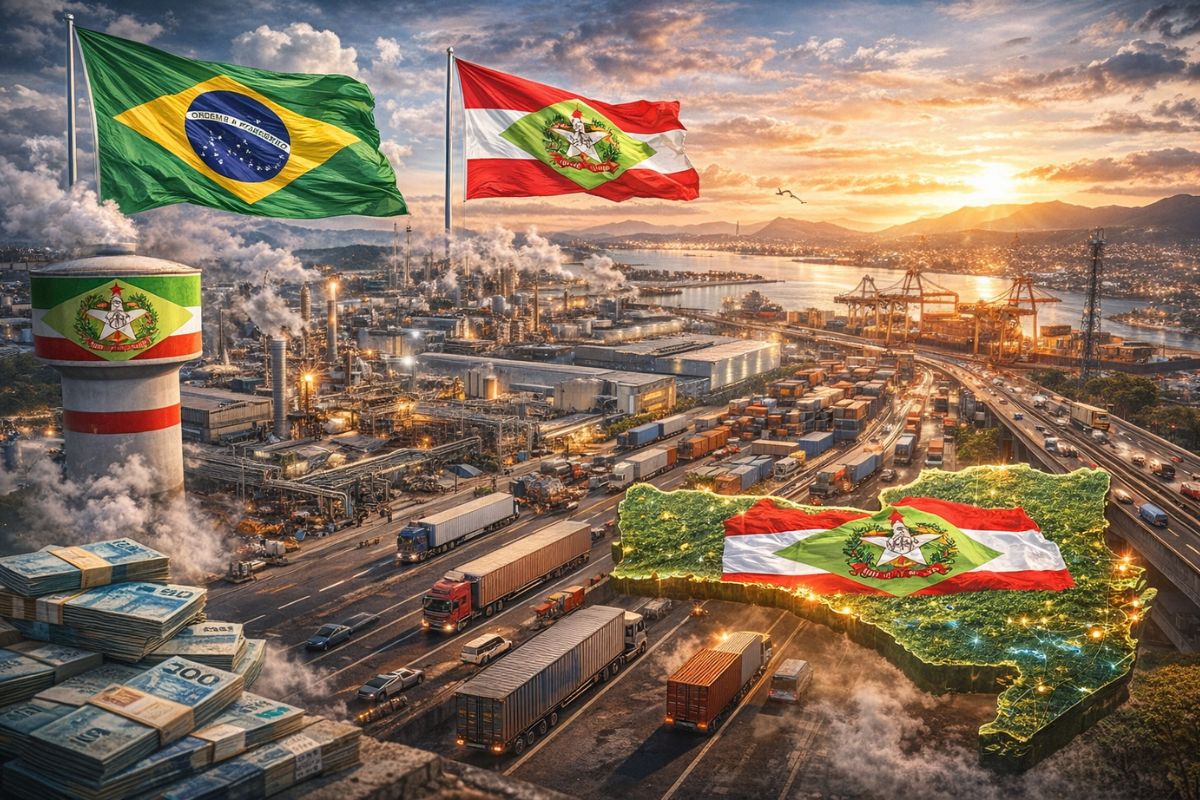
With only 1% of Brazil’s territory, Santa Catarina has built one of the most competitive industrial parks in the country, with 64,000 companies, nearly 1 million jobs, and a growth rate of 5.3% while the national industry is practically stagnant.

The recreation of the Ministry of Agrarian Development and Family Agriculture (MDA), in 2023, also represented a strategic milestone, connecting governments, producers, and consumers on the same food security agenda.
Family Farming And Food Security At The Center Of Public Policies
The expansion of policies aimed at family farming and food security has been essential for strengthening national production and valuing small producers.
In 2025, more than 4.5 million families benefit from programs that stimulate sustainable production and facilitate access to credit, such as Pronaf and PNRA.
These incentives guarantee income in the countryside and expand the supply of fresh and diverse food in schools, markets, and local fairs.
The World Food Day reinforces the role of these farmers in building more resilient food systems, capable of facing climate change and economic crises without compromising the food security of the population.
Social Programs And Fighting Hunger Drive Sustainable Development On World Food Day
The set of social programs implemented by the government has been decisive for reducing inequality and food insecurity.
With the expansion of the PAA and the PNAE, millions of students and families in vulnerable situations now have daily access to balanced meals.
Additionally, the Rural Promotion and Stock Formation Program help balance the supply and prevent food waste.
The presidential sanction of projects that ensure credit and support for marketing reinforces the state’s presence as an active agent in guaranteeing food sovereignty.
During World Food Day, these advances are recognized as pillars of a model of sustainable development that integrates social justice and productive efficiency.
Policies To Combat Waste And International Cooperation For Food
Actions aimed at combating waste and international cooperation for food have gained prominence on the national and global agenda.
In September, President Luiz Inácio Lula da Silva signed laws that expand investments and strengthen sustainable production.
At the FAO World Food Forum in Rome, Lula emphasized that the fight against hunger must be a permanent state policy with continuous financing.
World Food Day symbolizes not only the celebration of internal achievements but also Brazil’s commitment to building a global network of food solidarity.
By reaching less than 2.5% of the population at risk of undernourishment, the country reaffirms its leadership in defending the human right to adequate food.









Seja o primeiro a reagir!