





 Portuguese
  English
  Spanish
  3 min of reading
  0 comments


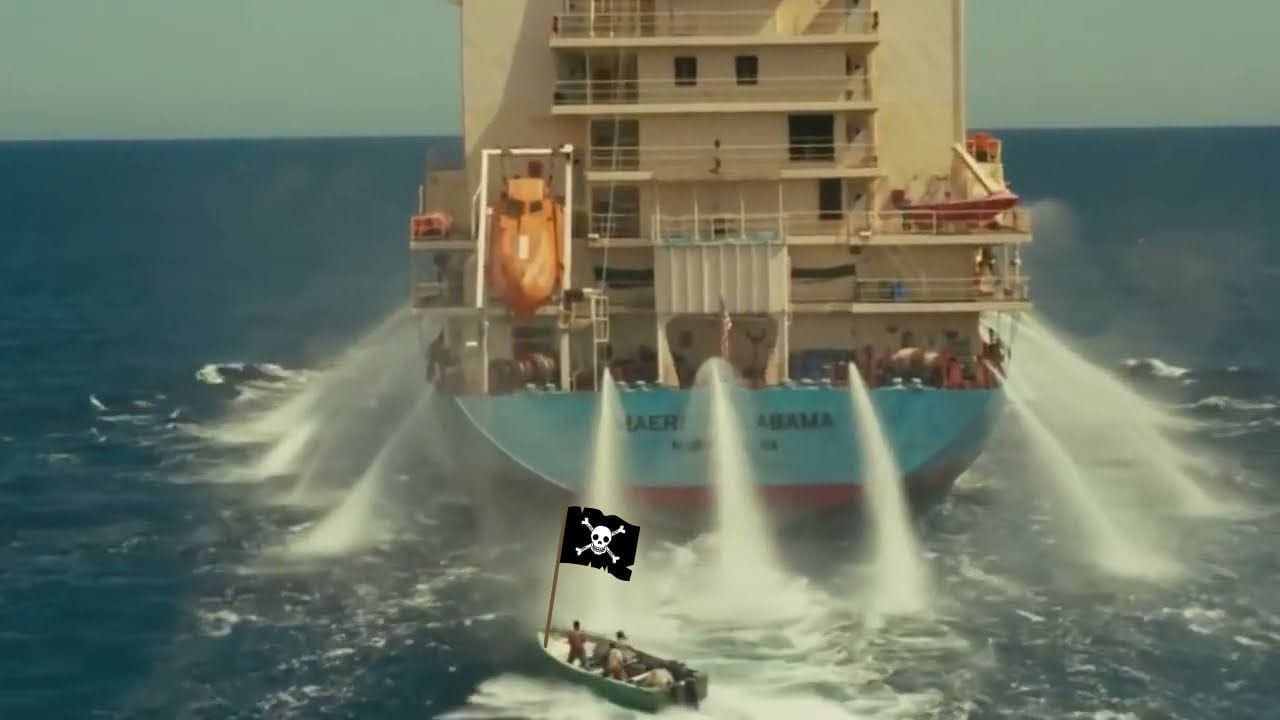
Commercial Ships Adopt Advanced Non-Lethal Defensive Techniques to Combat Maritime Piracy, Including the Use of Water Cannons, Barriers That Entangle Propellers, Armed Security, and Sonic Weapons That Disorient Pirates with High-Intensity Sound Waves. These Strategies Aim to Protect Vessels and Their Crews with Methods That Minimize Violence While Maximizing Security on Routes Vulnerable to Piracy.
Piracy may seem like a tale from the past, but it is a present reality that costs almost $16 billion annually in global losses, including theft, ransom, and shipping delays. In the face of this challenge, container ships and other models have developed creative and effective defensive methods to prevent pirate attacks without resorting to lethal violence.
One of the most employed techniques is the use of water cannons. These high-pressure hoses can launch individuals into the sea and change the direction of small vessels, serving as an effective first line of defense. Operated remotely or automatically, these hoses eliminate the need for crew exposure to danger, as pirates are often armed.
Ships Implement Physical Barriers That Drag Lines in the Ocean


In addition to the hoses, ships implement physical barriers that drag lines in the ocean. If a pirate boat attempts to approach, its propellers can get entangled in these lines, incapacitating the vessel and delaying the attack. This technique not only prevents the pirates’ advance but also forces them to give up due to the additional work needed to free themselves.
-
Historic bankruptcy of Centauro shocks the market, and the century-old company puts more than 500,000 products, machines, and complete infrastructure up for online auction.

-
New shoe factory in Ceará is expected to create 400 jobs and strengthen the local economy.

-
No one imagined it, but a mixture of sawdust with a mineral that fights fires surprises scientists with a result that changes the course of fire-resistant construction.

-
From empty land to a high-end house, wooden construction uses a lightweight system, metal structure for the foundation, ventilated ceramic cladding, and special windows to create an efficient and comfortable living space throughout the year.


Employment of Armed Guards Aboard Has Proven Extremely Effective Against Pirates
Although more costly, the employment of armed guards aboard has proven extremely effective in reducing the likelihood of pirate attacks. Simultaneously, some vessels adopt the use of sonic weapons, which emit sounds at decibel levels so high that they are unbearable to the human ear, forcing pirates to retreat without physical contact.
A more traditional but no less effective measure is the use of barbed wire. This physical barrier is easy to install and serves as a strong deterrent for pirates attempting to scale the sides of vessels. Despite its aggressive connotation, when used correctly, it is a non-combative form of protection.
Crew Members Are Trained to Quickly Implement Protection Measures
Preparation and crew training are crucial for the effectiveness of these techniques. Crew members are trained to quickly implement protection measures, conduct practical drills, and establish effective communication protocols during attacks. The crew learns to identify and report threats to the relevant authorities, ensuring a swift and organized response.
These techniques demonstrate how innovation and strategic planning are essential in the modern maritime industry, allowing ships not only to defend against pirate threats but also to ensure the ongoing safety of their cargo and crews in international waters.










Seja o primeiro a reagir!