





 English
  Francês
  Alemão
  Italiano
  Japonês
  Norueguês
  Portuguese
  Spanish
  3 min of reading


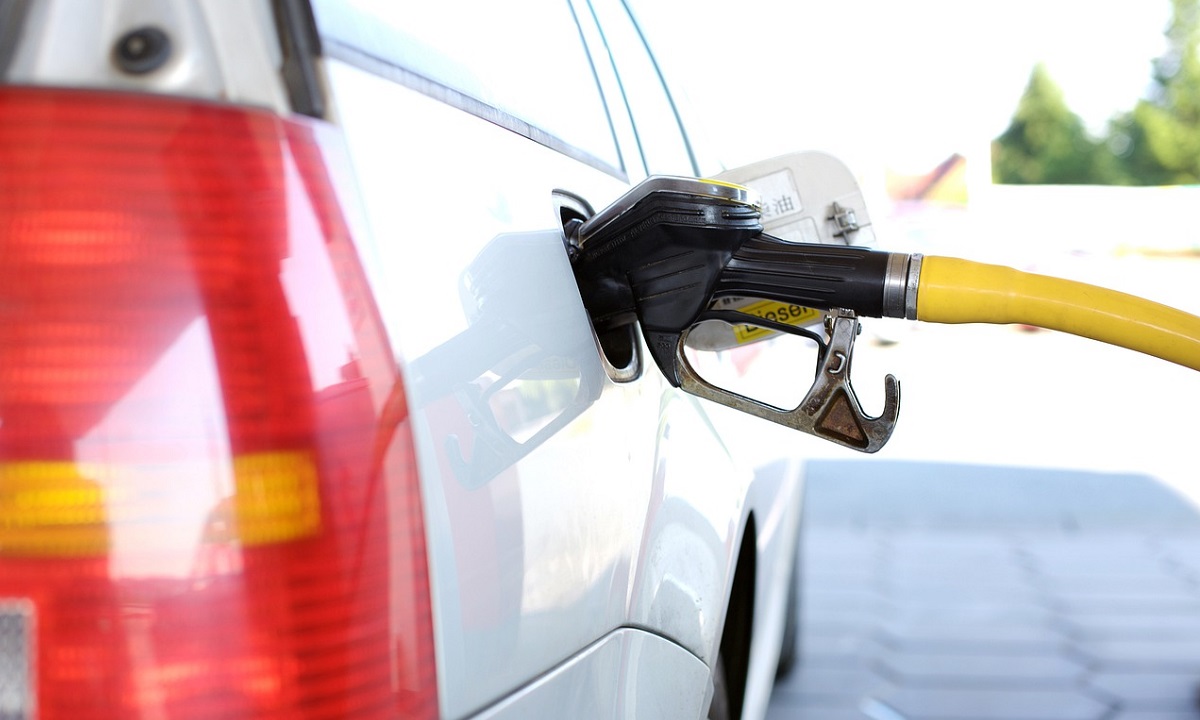
Even With The Constant Drop In Oil Barrel Prices, Diesel Does Not See Decreases In Its Value, Why? Reasons Have To Do With Global Demand For The Fuel And Inflation
The price of the oil barrel has been falling to extreme levels, similar to those before the Ukraine war. However, this has not happened with diesel, which was passed on at R$ 5.59 before the war and is now found at R$ 6.93 at gas stations, a price 24% higher according to the National Agency of Petroleum, Natural Gas and Biofuels (ANP).
Why Does This Phenomenon Happen?
The lack of adjustment in diesel fuel prices reflects throughout the economy and in the prices of the oil barrel, more than gasoline, as its price greatly pressures inflation. Diesel is extremely (if not the most) used in logistical transport, mainly in trucks, which carry food and other consumer products. The high freight costs of these trucks are passed on to consumers in the end through the price of diesel fuel.
According to experts interviewed by UOL, the price of a liter of fuel has not aligned with the drop in gasoline and oil barrel prices, as the reduction in taxes did not have a significant impact on it, since diesel already had a lower tax rate than gasoline.
-
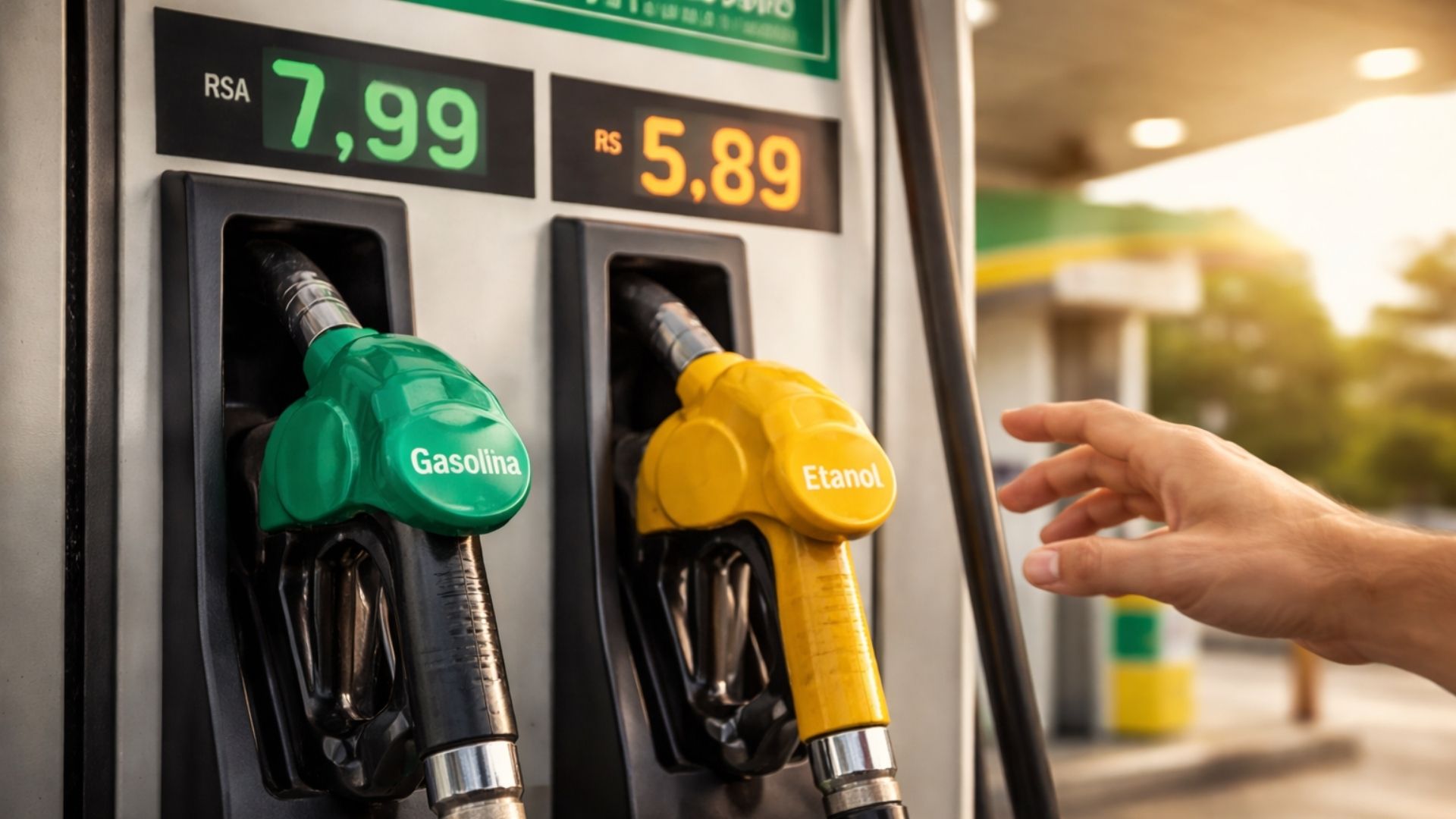
Gasoline prices soar and the question arises: is ethanol more advantageous? The 70% rule reveals the limit with gasoline.
-
The government has made a decision and is starting a test with more ethanol in gasoline, anticipating a mixture of up to 35%, diesel with 25% biodiesel, and a study to assess the impacts on engines.
-
Brazil is the largest coffee producer in the world, but four foreign companies control more than half of the domestic market, including brands that you probably have in your kitchen like Pilão, 3 Corações, Melitta, and Nescafé.

-
Expansion of Federal Institutes: 38 new campuses and R$ 200 million for public education; see the cities included.


For example, the ICMS (Tax on Circulation of Goods and Services) ceiling for gasoline was set at 18%, while it had a higher ICMS in many states, such as São Paulo, where it was 25% and was reduced to 18%, resulting in a significant reduction in the final consumer price, while the diesel tax was 13.3%, already below the 18% limit, even with the drop in the oil barrel price. Therefore, there was no impact at gas stations, according to Filipe Ferreira, director of the financial information company Comdinheiro.
Does The Price of Fuel (Diesel) Relate to Its Usage?
The use of diesel is different from that of other fuels like gasoline, which is predominantly used by individuals for personal transportation, such as in cars. Diesel, on the other hand, has a more commercial focus, being utilized in trucks for logistics or industrial purposes.
“Diesel has a specific price dynamic. It is more important than gasoline and, therefore, there is a difference in demand and commerce concerning gasoline. With the war and demand for oil barrels, there was also a change in this trade, with Europe imposing sanctions on Russia and turning to the American market”, comments Carla Ferreira, a researcher at the Institute of Strategic Studies of Oil, Natural Gas and Biofuels (Ineep). Additionally, the increased demand for fuel and oil barrels caused market prices in the U.S. to rise, raising prices worldwide.
Diesel Price Drops in August Led ANTT to Reduce Road Freight Tables by Up to 4%
ANTT (National Land Transport Agency) published in the Official Gazette of the Union (DOU) on Tuesday, the 23rd, a new table listing the minimum prices for road freight, with an average reduction ranging from 3.16% to 4%. The negative adjustment in road freight values by ANTT comes after Petrobras announced the reduction of diesel prices on two occasions this August. The last reduction occurred on the 11th, when there was a 4% decrease (or R$ 0.22 per liter) at the state-owned refineries.
According to the law, whenever fluctuations in the price of diesel oil in the national market exceed 5%, whether up or down, ANTT must publish new values for freight.
The National Policy on Minimum Freight Rates for Road Cargo Transport, which ANTT is responsible for, was enacted in 2018 by the government of Michel Temer, following the national truck drivers’ strike that paralyzed the supply of diesel and other fuels in the country.









Seja o primeiro a reagir!