





 Portuguese
  English
  Spanish
  3 min of reading
  0 comments



While the Federal Police accepts candidates of any age up to 75 years, the Military Police in states like São Paulo restricts registration to 30, creating a strong contrast in competition announcements, according to the portal FDR.
Joining a police career is the goal of thousands of Brazilians seeking stability, good salaries, and growth opportunities. But one essential detail can thwart this dream: the maximum age to participate in a competition. The criterion varies according to the institution—Federal Police, Civil Police, or Military Police—and even from state to state, resulting in significant disparities.
In the Federal Police (PF), considered the most coveted career, there is no age limit for entry.
The only restriction is the mandatory retirement at 75 years, as provided in the Constitution, which applies to all public servants.
-
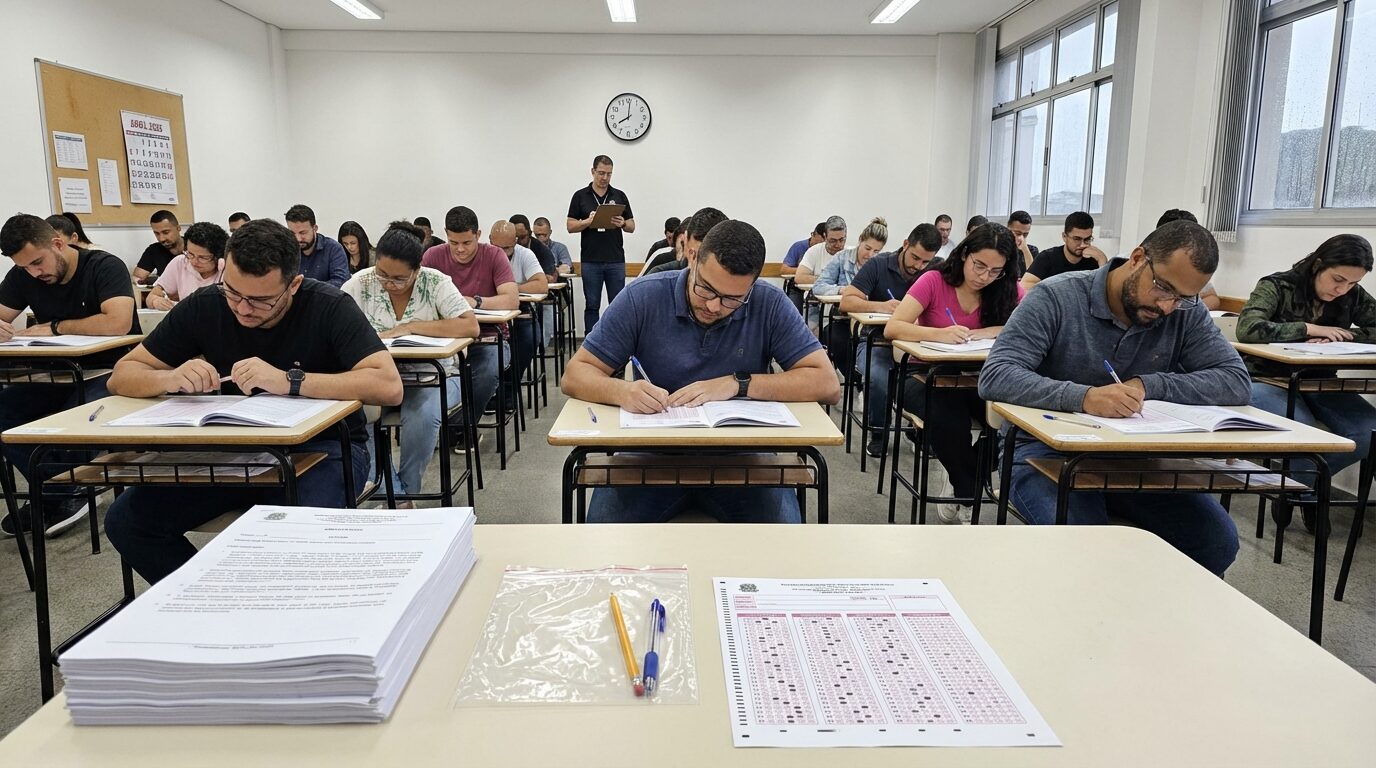
FCC releases the answer key for the Barueri 2026 contest after exams with 23,191 registered candidates, 124 vacancies, and salaries of up to R$ 22,200, with appeals scheduled for April 28 and 29.
-
The Technical Assistance and Rural Extension Company announced a Simplified Selection Process (PSS) with 24 temporary positions – the salary can exceed R$ 5,000.

-
Petrobras Subsidiary Opens 126 Positions With Salaries Exceeding R$ 8,000

-
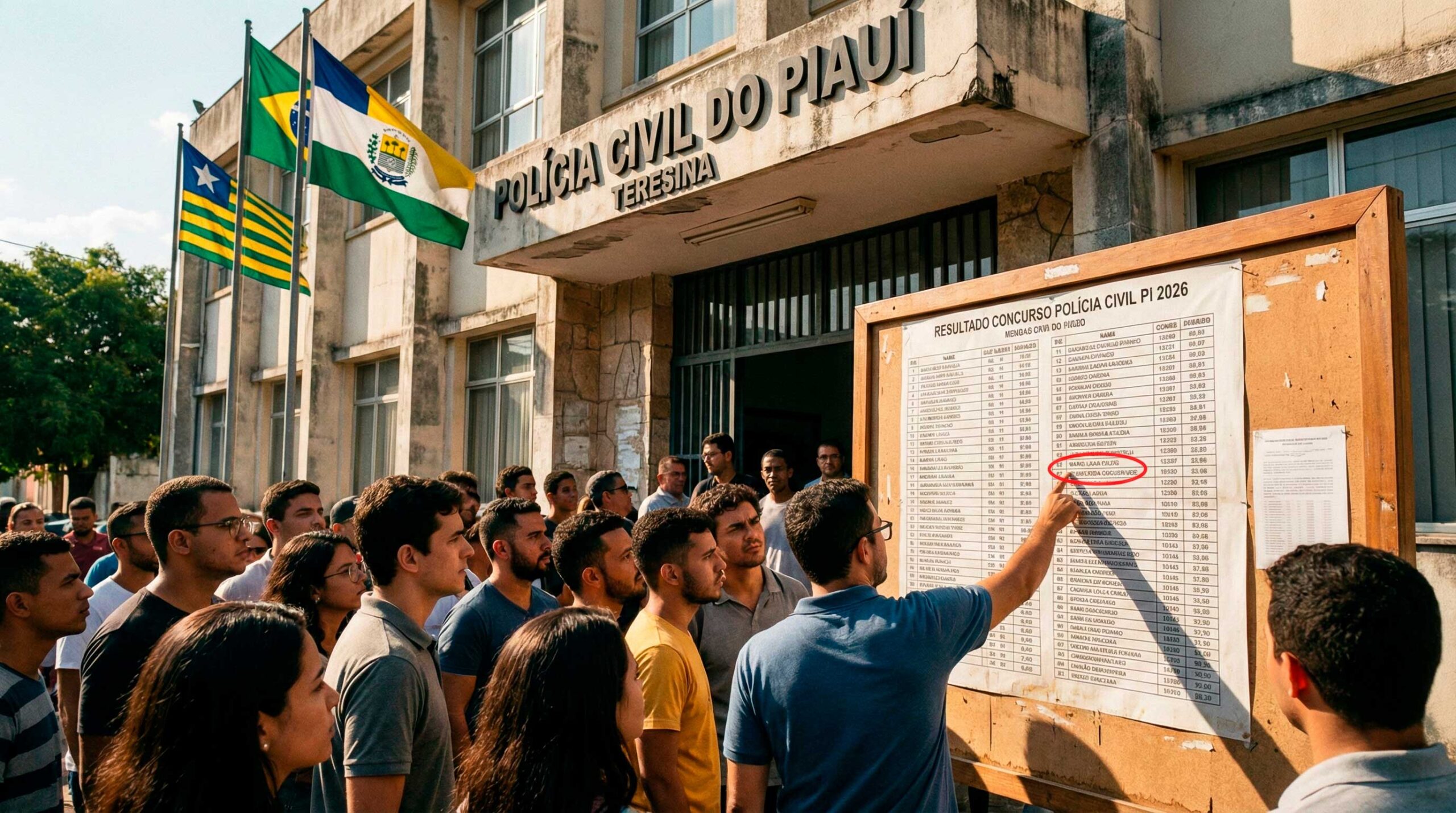
FGV Releases Preliminary Results of the Objective Test for the PC PI Contest, Opens Appeal Period, and Confirms Dates for Next Stages with Approval Criteria and Detailed Salaries

This means that anyone who meets the other requirements for education, health, and physical fitness can apply up to that age, making the PF the most flexible institution on this issue.
How It Works in Civil Police
In the state Civil Police, each state defines its own rules, which increases inequality among announcements.
In São Paulo and Rio de Janeiro, there is no age limit, allowing greater participation from candidates of different age groups. In Acre, the limit is set at 50 years, while in Mato Grosso, Mato Grosso do Sul, and Piauí, the cap is 45 years.
These differences arise from the autonomy of the states to organize their security forces.
In practice, what is allowed in one competition may be barred in another, even within the same police career.
This forces candidates to closely monitor the announcements and not assume that the rules are the same throughout the country.
The Most Restrictive Case: Military Police
The most evident contrast lies in the Military Police (PM) and the Fire Departments, which apply much stricter rules.
In São Paulo, for example, the PM-SP competitions set 30 years as the maximum age for candidates applying for enlisted and combat officer positions.
In specific roles, such as health officers and musicians, the age increases to 35 years.
In Rio Grande do Norte, there is some flexibility: soldiers and combat officers can be up to 35 years old, health officers up to 36 years, and chaplains up to 40 years.
According to experts, this difference is due to the requirement of high physical conditioning in combat roles, but the topic still generates debates and legal actions regarding potential changes.
Bill May Standardize Maximum Age
Currently, a bill is being processed in the National Congress that aims to standardize the maximum age to 35 years for enlisted and officers and up to 40 years for health officers across Brazil.
However, the proposal has not yet been approved, which keeps in effect the local criteria of each published announcement.
While the PF continues to have no age limit beyond retirement, and some Civil Police adopt caps of 45 or 50 years, the PM remains the most restrictive institution, barring many young candidates.
What This Means for Candidates
The differences highlight the lack of uniformity in access to police careers. A candidate who can compete for a position in the PF or a Civil Police may be automatically eliminated from a PM, solely based on age.
For those who wish to pursue this path, it is essential to keep track of the competition calendar and analyze the requirements in advance.
In 2025, with several announcements open and others expected, strategic planning is crucial to avoid missing opportunities due to bureaucratic details.
The divergence in rules makes it clear how entering police careers depends not only on physical and intellectual preparation but also on legal criteria that vary radically among institutions.
And you, do you think it is fair that the Federal Police allows competitions up to 75 years while the PM of São Paulo bars candidates over 30? Does this difference strengthen or hinder access to police careers?
Leave your opinion in the comments — we want to hear from those who live this reality in practice.










-

-

3 pessoas reagiram a isso.