





 Portuguese
  English
  Spanish
  4 min of reading



Is Digitization in Oil and Gas Wasting the Workforce? In today’s modern age, it is impossible not to be digital.
Digitization is the buzzword on everyone’s lips in the oil and gas sector (the digitization in oil and gas). It is seen as the cure for all the industry’s problems through operational efficiency, safety, and lack of visibility. But it is also being touted as a solution to the sector’s ongoing struggle to attract young and technology-savvy workers that are needed. It promises to radically transform how the oil and gas workforce operates. However, most companies are still confused about how to separate reality from hype.
[adrotate banner=”10″]
-
Haiti’s capital is experiencing an energy and construction crisis, facing blackouts, a blocked port, and buildings at risk after years of instability and a significant earthquake.

-
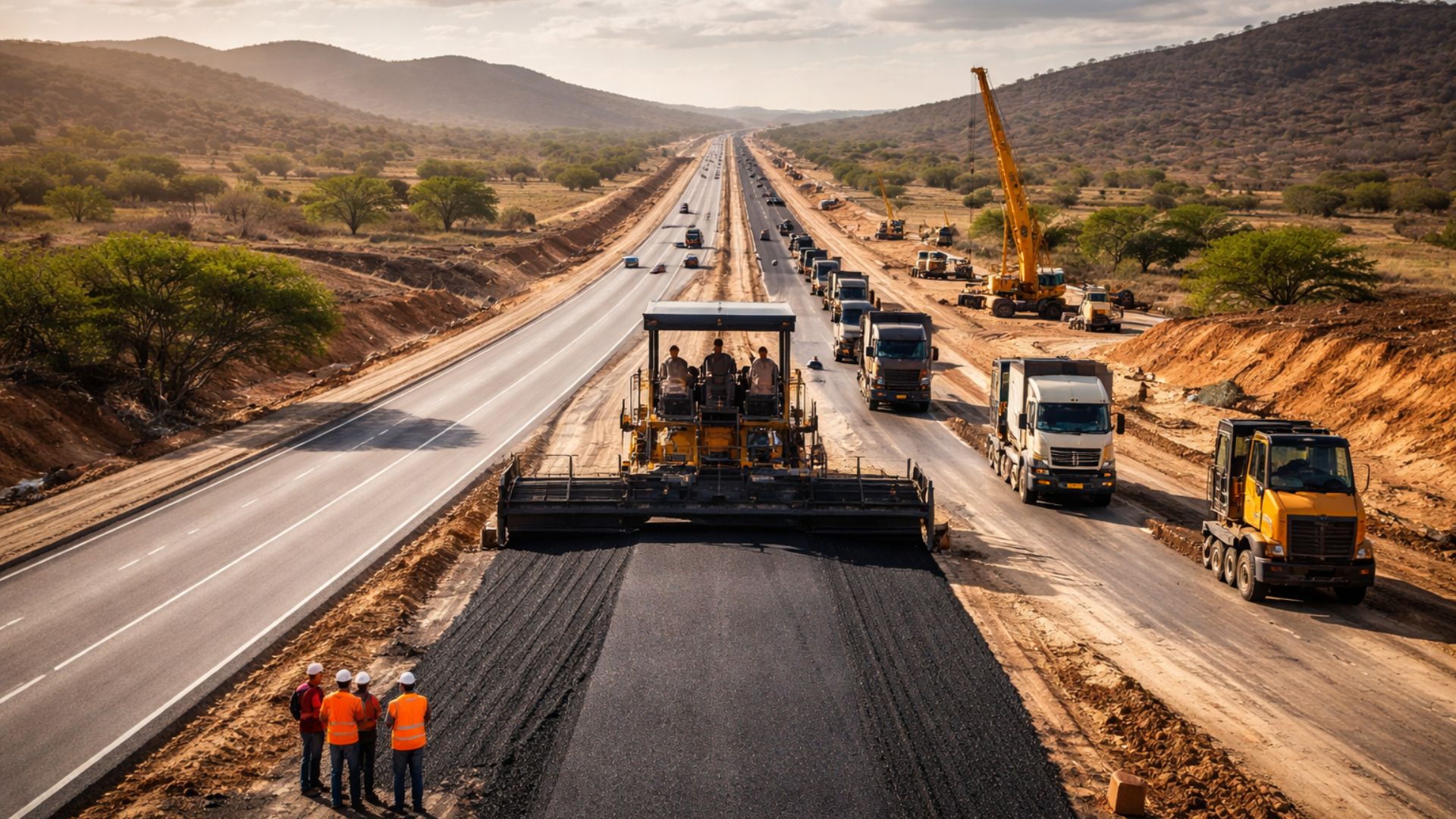
Government unlocks R$ 554 million for a highway that has been requested for decades and accelerates the duplication of BR.
-
Without bricks, without cement, and without endless construction: the cardboard house that is assembled in modules and can be moved.

-
Billions of barrels on the equatorial margin could lead Amapá to double its oil production in Brazil — the state aims to enter the route of companies in the Campos Basin, attract investments, and boost jobs and businesses in the oil and gas sector.


Is flexible work the next big recruitment tool? Can companies go digital without competing for talent with Silicon Valley? And what’s this about robots conducting job interviews? Earlier this month, I participated in a roundtable held right after the Global Energy Talent Index (GETI) report of 2018, which discussed this very topic. Present were Peter Searle – CEO, Airswift, Hannah Peet – Executive Director, Energy Jobline, Stephanie Rogers, Managing Director of Resources at Accenture, and Tony Salemme, VP of Workforce Risk Assessment Group, Industrial Info Resources.
The Appeal of Digitization
The 2018 GETI report found that the oil and gas sector is quite excited about the prospects of digitization, and Peet quickly agreed. “I think digitization can be a strong selling point for workers when the benefits are made clear,” she said. “As the GETI report showed, greater opportunities for remote and flexible work are highly sought after, with four out of ten respondents citing this as key to attracting new talent to the sector. Companies that offer flexible work have a significant advantage in attracting talent.”
Searle agreed and added that the last thing anyone wants is to be in a stagnant job. “Digitization offers a lot of room for growth,” he said. “To start with, data analytics and machine learning will transform monotonous processes into more agile and dynamic activities. People can be empowered to take on new roles where they will be intellectually stimulated and have more room for advancement.”
This involves a few things. To begin with, companies can look for people who are especially interested in utilizing new skills. It is also important for companies to show employees how these technologies support various career paths and ultimately keep their skill sets relevant as roles change.
Finally, a clear understanding of how these technologies can achieve desired business outcomes and their impact across the company will be essential. “It’s also worth noting that while new opportunities are important, compensation is still one of the main selling points for workers,” Peet added. “The benefits of digitization will complement the power of pay, but will not replace it.”
[adrotate banner=”11″]
Flexible Work
There is clearly still a divide between the potential of digitization and what is achievable. With this in mind, the conversation turned to what is realistic to expect from more flexible work opportunities. Salemme expressed the opinion that there is a strong business case for this. “The pressure for economies of scale and onshore development for offshore projects fits very well with flexible and remote work,” he said.
“Recently, we saw this in action with a major project in Papua New Guinea, where much of the initial development was done by teams in Singapore and Houston. Instead of just working on the PNG project, these teams were able to serve multiple projects remotely. The company was able to delay sending full teams to the PNG site until just before launch. This not only reduced the workload on-site but also allowed for more efficient use of these remote teams.
[adrotate banner=”12″]
Opportunities for Improvement
When discussing other ways in which digitization can help increase worker satisfaction and improve retention rates, the fact that workers are more eager to upskill for the new roles created by digitization than many imagine was raised by Rogers. “We conducted a survey that shows that workers are very interested in developing new skills to enhance their digital capabilities,” she explained.
“Where companies are not offering training opportunities, workers are taking the initiative to go out and find education themselves.”
This point is linked to what the GETI report revealed, where training and development opportunities were cited as one of the biggest drivers of satisfaction. People will want to stay with companies that invest in their futures. “Along these lines, local learning and development schemes will be essential,” Salemme said. “As powerful as multitasking is, nothing beats having strong local talent.”
READ ALSO ⇒
[adrotate banner=”13″]
[adrotate banner=”14″]









Seja o primeiro a reagir!