





 Portuguese
  English
  Spanish
  5 min of reading
  0 comments


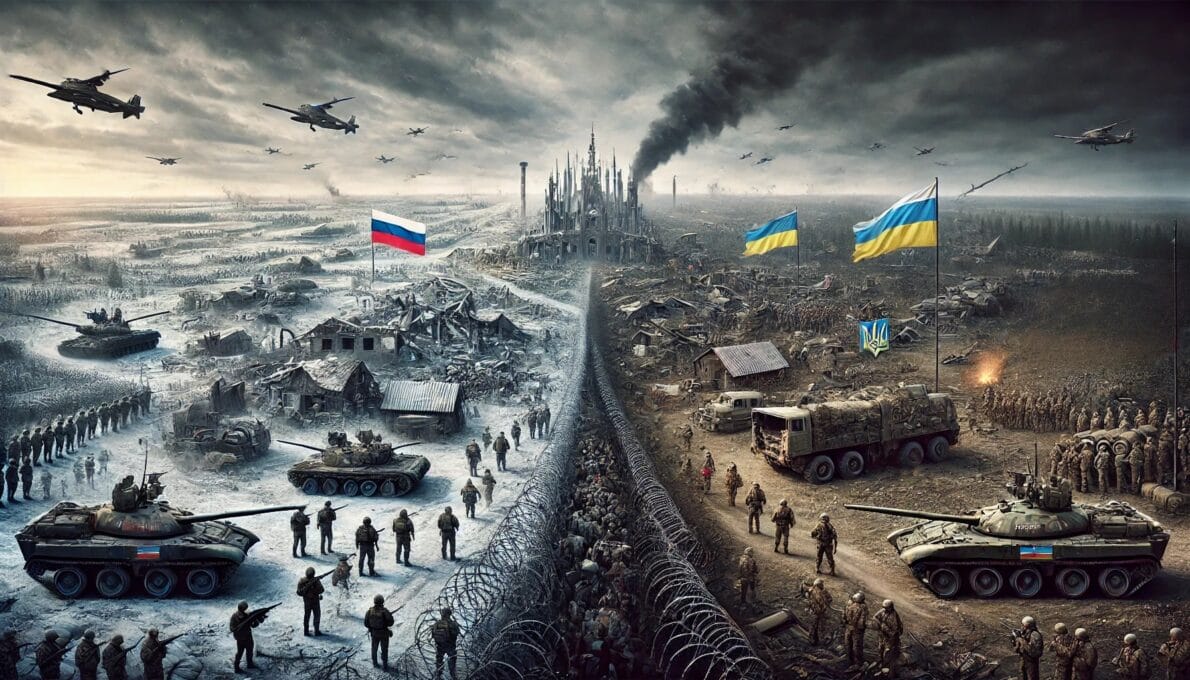
One of Putin’s Greatest Allies Surprised Everyone by Demanding That Crimea, Territory Annexed by Russia in 2014, Be Returned to Ukraine.
In recent days, an unexpected twist marked the territorial dispute between Russia and Ukraine. One of Putin’s greatest allies, the President of Turkey, Recep Tayyip Erdogan, surprised everyone by demanding that Crimea, a region annexed by Russia in 2014, be returned to Ukraine. This move left many perplexed, as Turkey has maintained a friendly relationship with Russia in recent years. So why did Erdogan make this demand now? And how does this maneuver affect the already complex geopolitical landscape of the war between Russia and Ukraine? Let’s better understand this situation.
Annexation of Crimea and the Strategic Importance of the Peninsula
Crimea is a peninsula located in Ukraine, bordered by the Black Sea, and has always played a strategic role in the region. In 2014, Russia, under Putin’s leadership, annexed Crimea, which prompted a wave of international criticism. The annexation was carried out following a referendum organized by Russia, which claimed that the majority of the local population wished to join the country. However, the international community, including the UN, considered this maneuver a violation of international law, as Crimea is recognized as Ukrainian territory.


Since then, the peninsula has become a critical point in the relationship between Russia and Ukraine. For Putin, Crimea holds immense value, both militarily and economically. The peninsula offers Russia a strategic naval base in the Black Sea, in addition to ensuring access to important trade routes. Returning Crimea would be a huge blow for Putin, both domestically and globally.
-
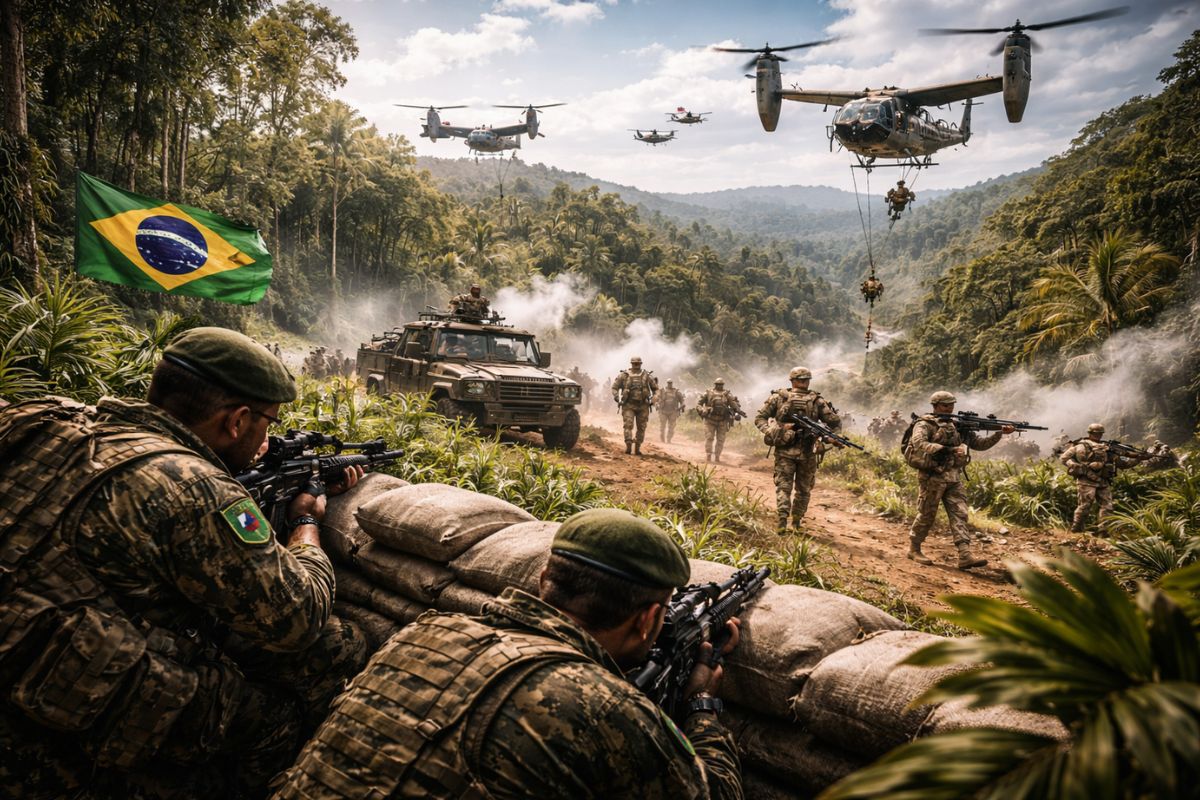
If the USA were to go to war with Brazil, Washington’s greatest fear would not be the attack itself, but facing a vast territory, prolonged resistance, and a costly, chaotic, and unpredictable occupation.
-
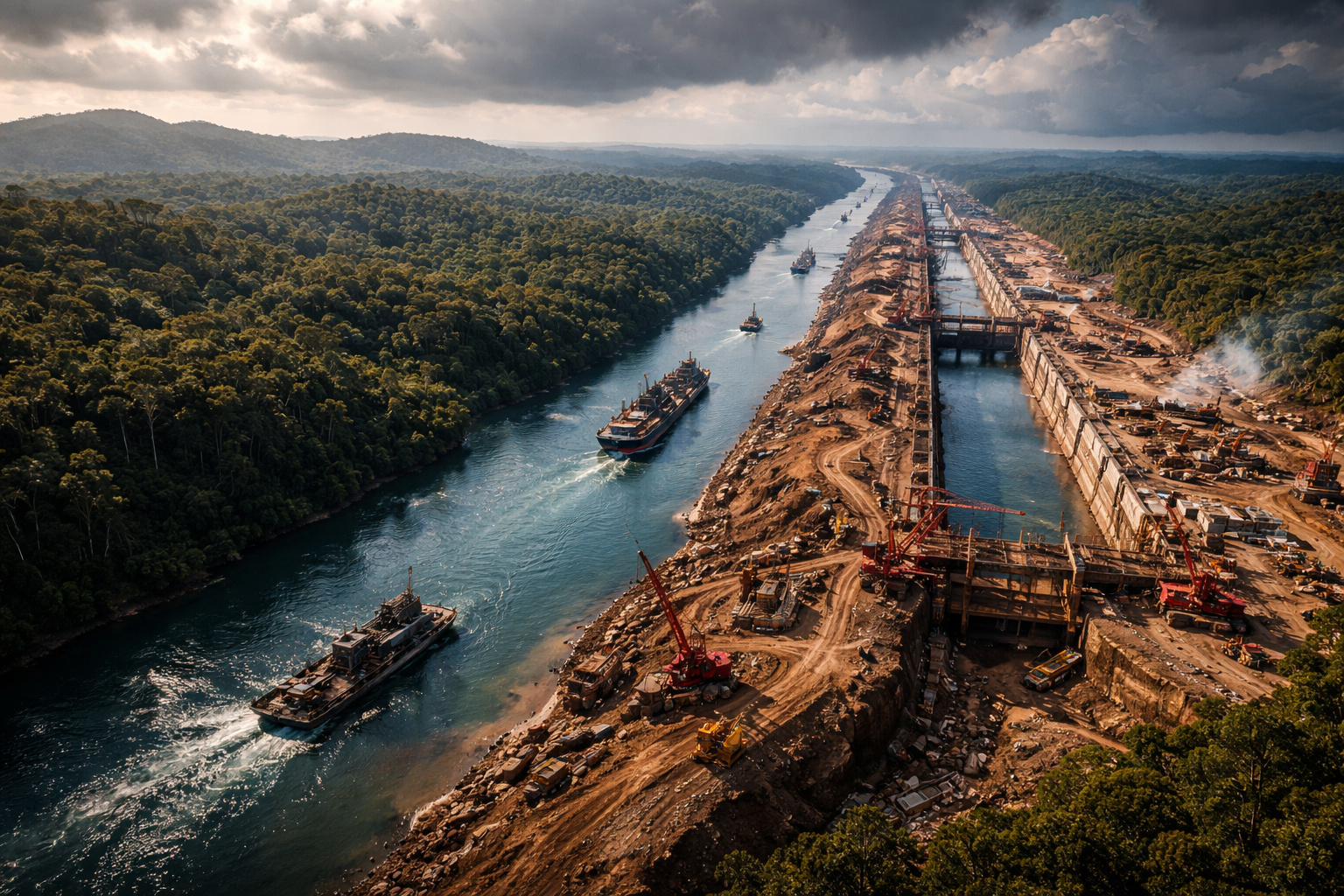
In 2013, Nicaragua sold the concession for a canal to rival Panama to a Chinese billionaire who lost 85% of his fortune, disappeared, and was declared bankrupt. Now the project resurfaces with a new route, a new Chinese partner, and a cost of $64.5 billion.
-
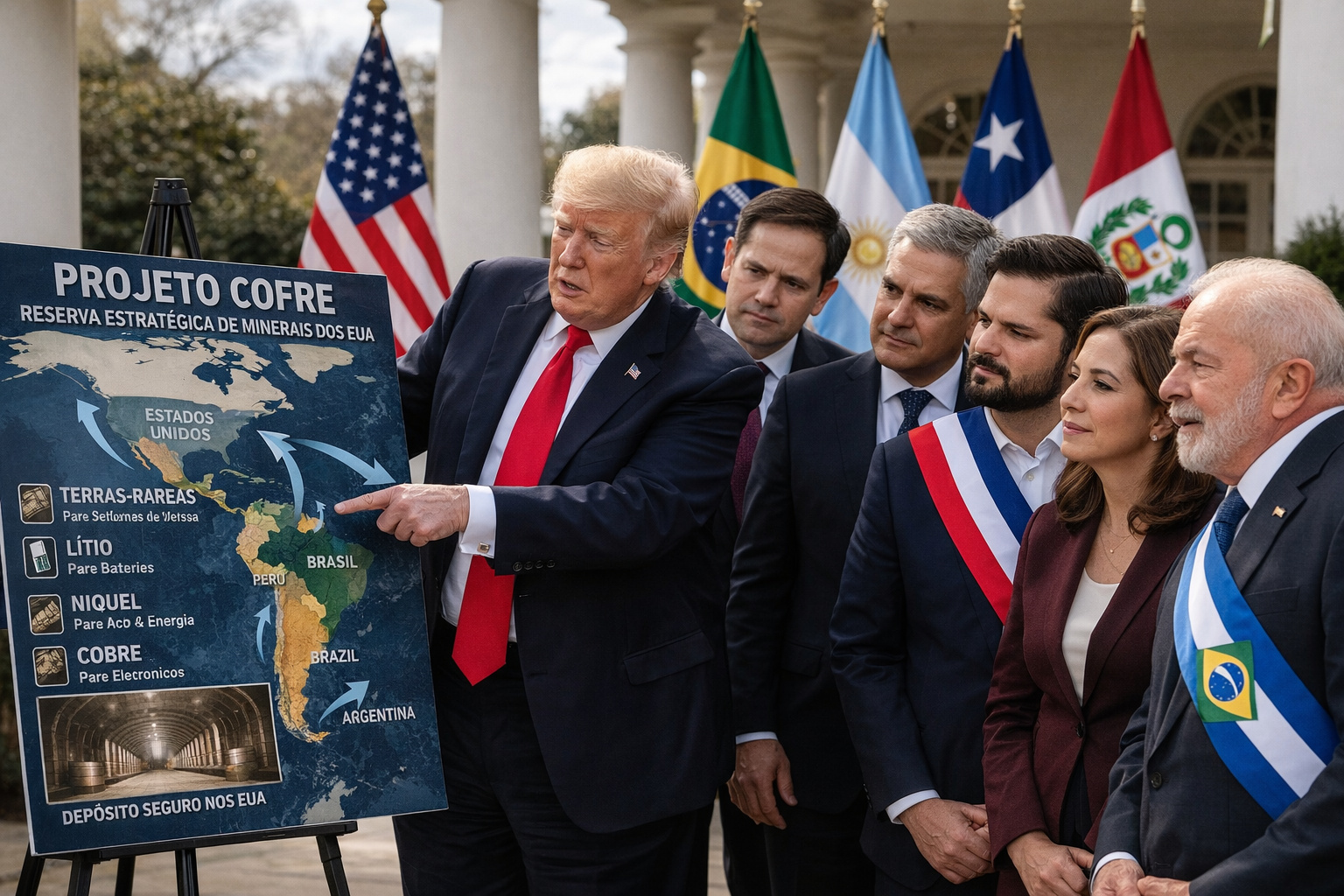
The USA announces a mysterious billion-dollar vault project to store critical minerals, but what intrigues experts is not just the plan itself, but why Latin America, including Brazil, has entered the center of this global dispute against China.
-
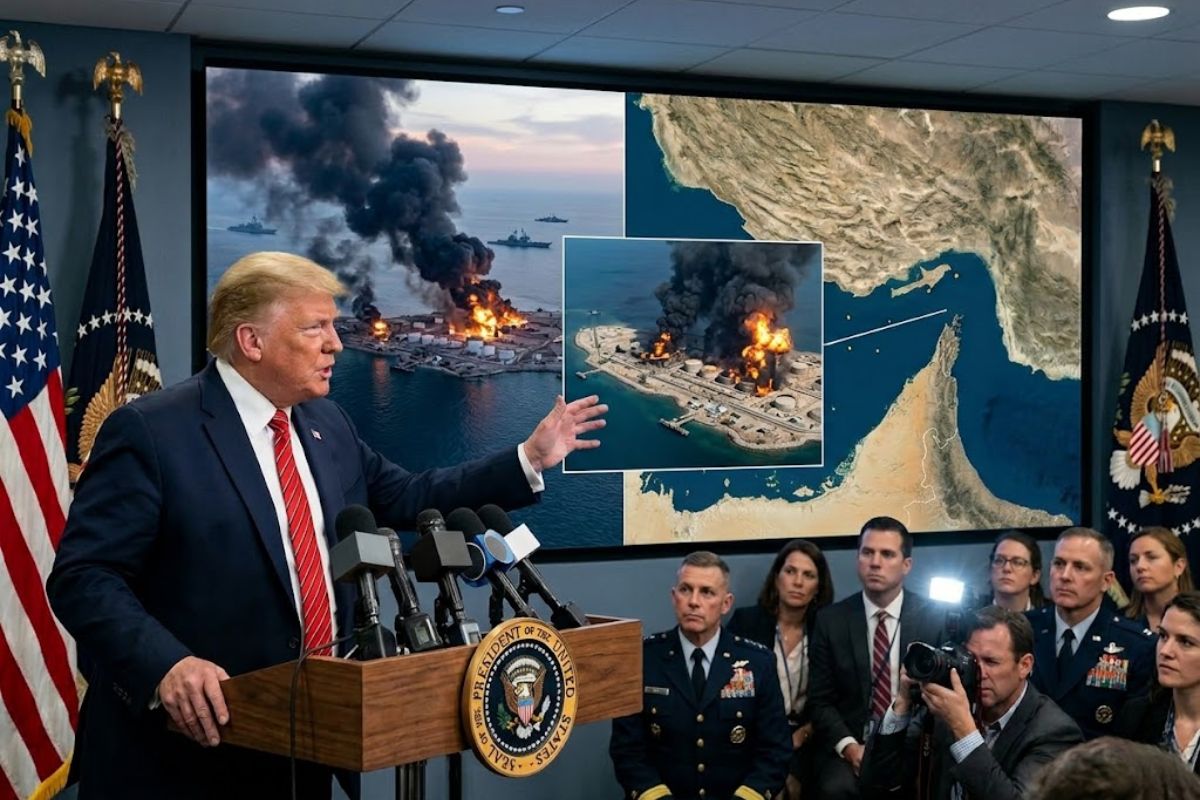
Trump Announces Bombing of U.S. Military Targets on Iranian Island Responsible for About 90% of Iran’s Oil Exports, Warns of Further Attacks if Navigation in Strategic Strait of Hormuz Is Threatened
The Surprising Demand of Erdogan: What Is Behind It?
Erdogan’s demand for Putin to return Crimea to Ukraine has caused surprise, especially because Turkey has maintained good relations with Russia in recent years. Erdogan, known for his skill in balancing international interests, has always known how to “play both sides.” Turkey is a NATO member, a Western military alliance that Putin sees as a threat. At the same time, Erdogan maintains trade agreements with Russia, such as the construction of a nuclear power plant in partnership and the supply of natural gas.
However, the Turkish president has always made it clear that he has never recognized Russia’s annexation of Crimea. What makes this moment so interesting is the context in which the war between Russia and Ukraine is intensifying, and Erdogan decides to reinforce his support for Ukraine. This raises the question: why is Erdogan making this demand now?
The Role of Crimean Tatars and Erdogan’s Political Move
A possible explanation for Erdogan’s renewed support for Ukraine lies in the historical relationship between Turkey and the Crimean Tatars. This ethnic group has a long history with Turkey, and since Russia took control of Crimea, the Tatars have faced persecution. By stating that the Tatars must live in peace and safety in their homeland, Erdogan sends a clear message to Putin and the world: he is positioning himself as a defender of human rights.
This is a clever move by Erdogan to gain international support. By defending the Tatars, he strengthens his image as a leader concerned with human rights, something that may improve his relationship with the West, especially with the United States and the European Union. However, it is hard to believe that Putin would simply relinquish Crimea, given its strategic importance to Russia.
The Delicate Relationship Between Russia and Turkey
Despite appearances of a solid friendship, the relationship between Erdogan and Putin has its complications. In recent years, Turkey has maintained a unique position, avoiding imposing sanctions on Russia following the invasion of Ukraine in 2022, while at the same time providing military drones to the Ukrainian government. Erdogan has proven to be a true master at maintaining a balance between both sides of the conflict.
This ambiguous stance of Erdogan raises the question: is he merely playing to gain points with the West, especially with NATO, or is there something more to this political move? The answer may lie in Erdogan’s attempt to position Turkey even more influence in the global geopolitical landscape, especially while the war in Ukraine continues.
Would Russia Return Crimea?
The question that remains is: would Putin actually consider returning Crimea to Ukraine? The most likely answer is no. The peninsula is vital for Russia in military and economic terms, and relinquishing this territory would be seen as a sign of weakness, something Putin would hardly accept.
However, by demanding the return of Crimea, Erdogan is not only challenging Putin but also showing the West that Turkey is “on the right side of history.” This stance may strengthen Turkey’s position within NATO and improve its relations with Western countries, while maintaining its relevance as a mediator in the conflict between Russia and Ukraine.
The Future of Relations Between Russia, Turkey, and Ukraine
As the war between Russia and Ukraine intensifies, Turkey’s position becomes increasingly delicate. If Erdogan continues to press Putin over Crimea, the relationship between the two countries may deteriorate further. However, the President of Turkey is known for his ability to play both sides and, for now, continues to maintain strategic agreements with Russia while also approaching the West.
The future of relations between Russia, Turkey, and Ukraine remains uncertain, but one thing is clear: Erdogan is playing a high-stakes geopolitical chess game. By demanding the return of Crimea, he positions himself as a defender of the Tatars and human rights, while balancing his trade and strategic ties with Russia. It remains to be seen how Putin will react to this new pressure and whether the relationship between the two countries will be significantly affected.






Seja o primeiro a reagir!