





 Português
  Inglês
  Espanhol
 3 min de leitura


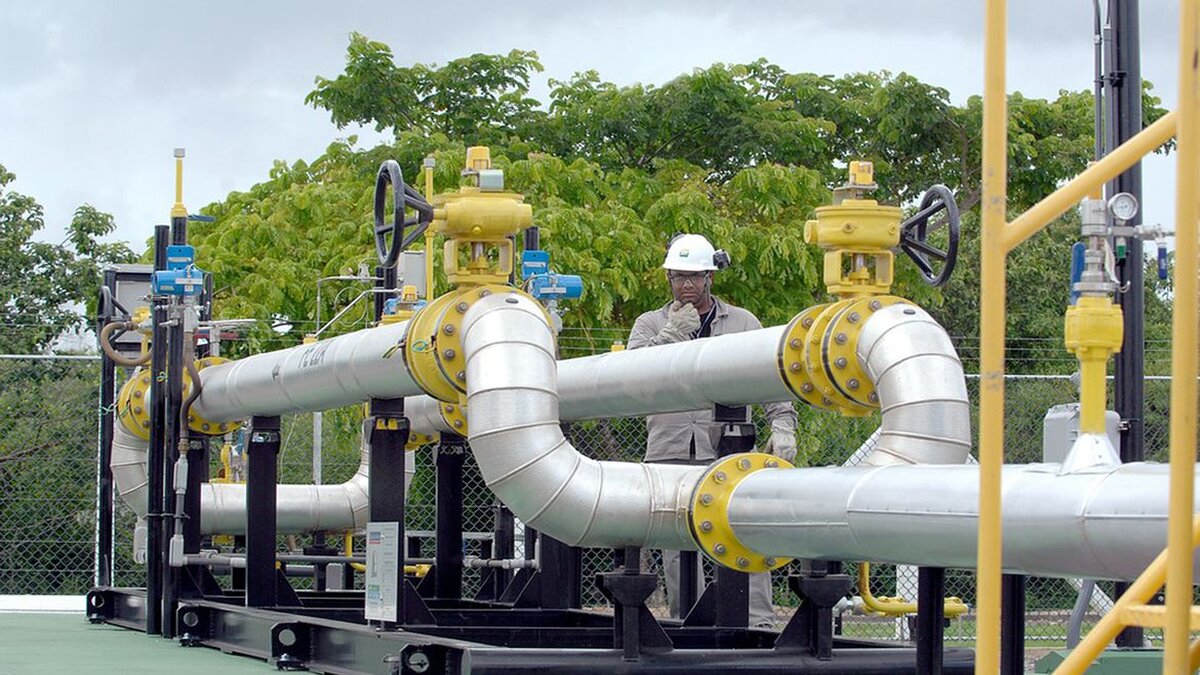
As a way to reduce dependence on natural gas supply in the states of Rio Grande do Sul and Santa Catarina, the distributors Sulgás and SCGás will expand their contracted capacity in the Gasbol for new suppliers of the commodity.
The natural gas distributors from Rio Grande do Sul, Sulgás, and from the state of Santa Catarina, SCGás, are, this Monday (06/20), looking towards possible new contracts with suppliers for internal supply in the future. This is because the companies intend to expand their contracted capacity in the Gasbol, the Bolivia-Brazil Pipeline, as a way to guarantee a reserve of capacity for future contracts for fuel supply in both states.
Contracted Capacity for Natural Gas Transportation by Sulgás and SCGás in Gasbol Should Be Increased Year After Year for New Suppliers of the Resource
In addition to Petrobras, the distributors from RS and SC, Sulgás and SCGás, won the 3rd public call of Gasbol, held by the Brazilian Transporter Bolivia-Brazil Gas Pipeline (TBG) for the transportation capacity contracting until 2026 in Gasbol.
Thus, the companies are now seeking new ways to reduce their dependence on the state-owned company and, to this end, intend to expand their contracted capacity of natural gas in the pipeline to reserve it for future contracts with suppliers.
-
Offshore industrial demand in Macaé skyrockets with the recovery of oil and gas and could grow by up to 396% by 2026 in the Campos Basin.
-
Offshore industrial demand in Macaé surges with the recovery of oil and gas and could grow by up to 396% by 2026 in the Campos Basin.
-
Brazilian giant expands borders in the Southeast: Petrobras confirms new oil discovery in ultra-deep waters in the pre-salt of the Campos Basin.

-
Alert in the global energy market: Severe tropical cyclone hits the coast and disrupts gas production at major plants in Australia, threatening global supply.


Both companies highlighted that their current plans for Gasbol include a significant reserve of transportation capacity, which should be expanded over the coming years, so that internal supply can be made with other companies besides the state-owned one.
For this, TGB will play an essential role, as the company confirmed future works on the pipeline, which will allow for stable gas delivery to Rio Grande do Sul at 1.728 million m³/day until 2026.
Moreover, the state of Santa Catarina will also benefit from the Gasbol expansion works, as the gas exit capacity in the region will grow by 78% starting in 2024, from 826 thousand m³/day to around 1.47 million m³/day. Thus, the natural gas distribution company SCGás will be able to take advantage of the increased capacity to diversify internal supply with new contracts, just as Sulgás intends to do over the next four years of contract with TGB.
Distributors Now Aim for Diversification of Internal Natural Gas Supply and Seek New Suppliers with the Expansion of Gasbol.
The instability of internal command at Petrobras and the conflicts in the international oil and gas market have led several companies in the sector to seek to streamline their fuel supply chain.
Thus, the distributors from Santa Catarina and Rio Grande do Sul are also looking for more security in their internal supply with the increased capacity of Gasbol, while the state-owned company intends to reduce its capacity with TGB over the next four years of the contract.
The main reason for this search for new suppliers is the fact that the contracts between Petrobras and the distributors foresee a declining supply curve of gas over the coming years.
Thus, a source from one of the distributors involved in the public call stated: “We purchased complementary capacity [in Gasbol] to, in the future, try to contract new suppliers. With this, we reserve a transportation capacity for these new suppliers.”
Now, SCGás and Sulgás await the expansion works of Gasbol by TGB in the region, which has a project presented by the transporter that aims to expand the compression stations (Ecomps) in Araucária (PR) and Biguaçu (SC) to ensure better quality in the supply to the states over the coming years.










Seja o primeiro a reagir!