





 English
  Francês
  Alemão
  Italiano
  Japonês
  Norueguês
  Portuguese
  Spanish
 4 min of reading
  0 comments


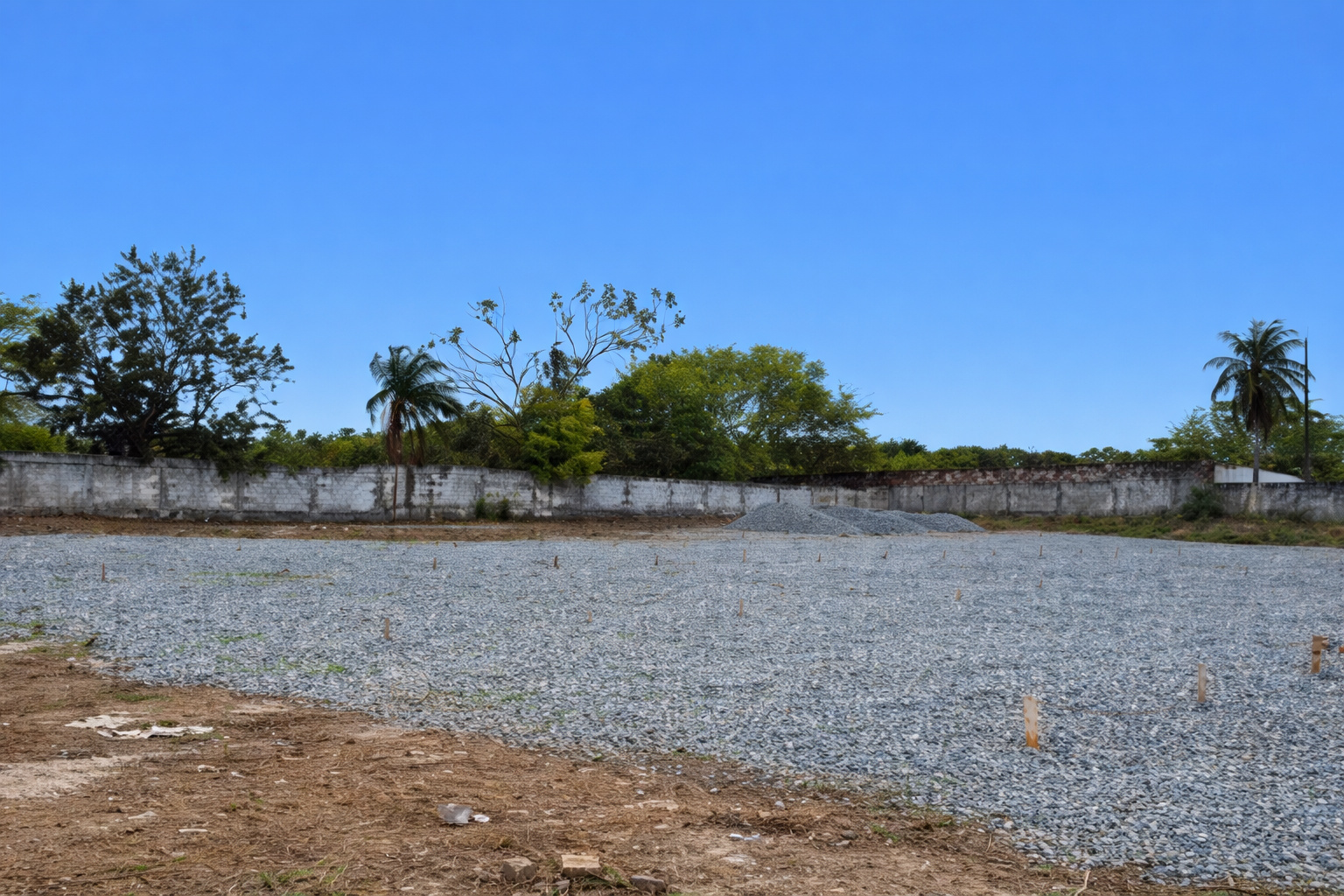
Understand How the Solar Power Plant and the New Central Archive Drive a More Sustainable Industrial District, Joining Clean Energy, Logistical Efficiency, and Urban Planning in João Pessoa.
Currently, the construction of a more sustainable industrial district has ceased to be merely a trend and, above all, has come to represent a concrete need for cities seeking balanced growth. Over the past decades, industrial areas have concentrated high energy consumption and significant environmental challenges. However, over time, public and private managers have begun to recognize the urgency of transforming this model. In João Pessoa, for example, this change takes shape with the progress of the new solar power plant and the central archive in the industrial district, which together symbolize a new pattern of urban development.
Historically, industrial districts emerged as engines of economic growth and consequently brought together factories, warehouses, and essential services. For many years, the priority was almost exclusively on productivity and job creation. However, environmental issues remained sidelined. With the maturation of the sustainability debate, it became evident that there was a need to reconcile economic efficiency and environmental responsibility.
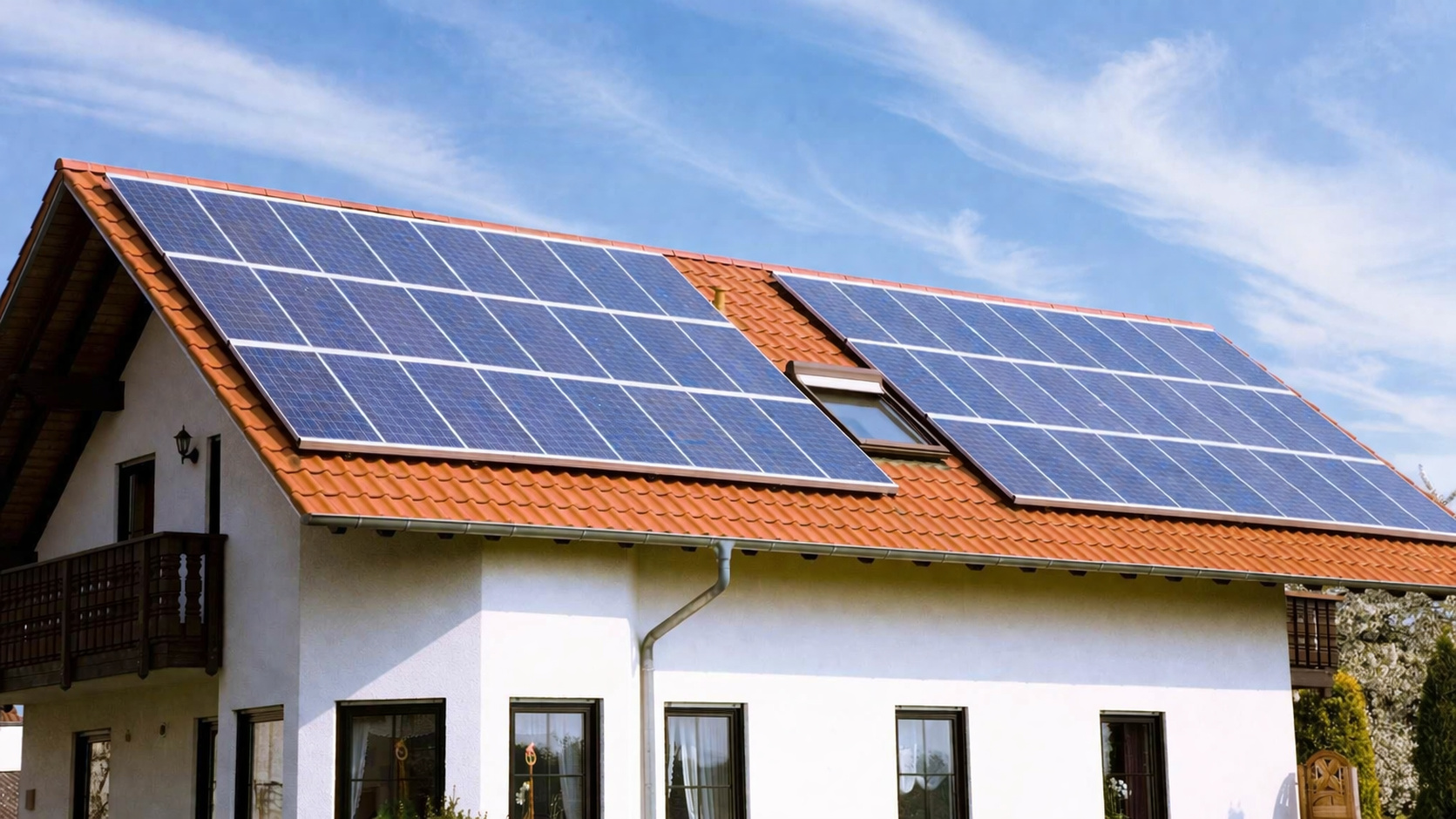
In this context, the concept of a more sustainable industrial district has begun to incorporate new elements. Highlighted among them are the use of renewable energies, the modernization of infrastructure, and the optimization of logistical flows. Solar energy, in turn, represents a decisive advance, as it not only reduces operational costs but also decreases dependence on fossil sources and, consequently, contributes to the reduction of greenhouse gas emissions.
-
A study reveals the expansion of renewable energy procurement in Brazil and shows how companies are taking advantage of opportunities to reduce expenses, ensure energy efficiency, and strengthen strategic environmental commitments.

-
Mato Grosso do Sul excels in the sugar-energy sector: the state reaches a milestone of 22 operating mills and accelerates the production of clean energy in MS with a focus on sustainability.

-
National energy dilemma: Brazilians support clean energy but reject increases in tariff costs to finance the sustainable transition.
-
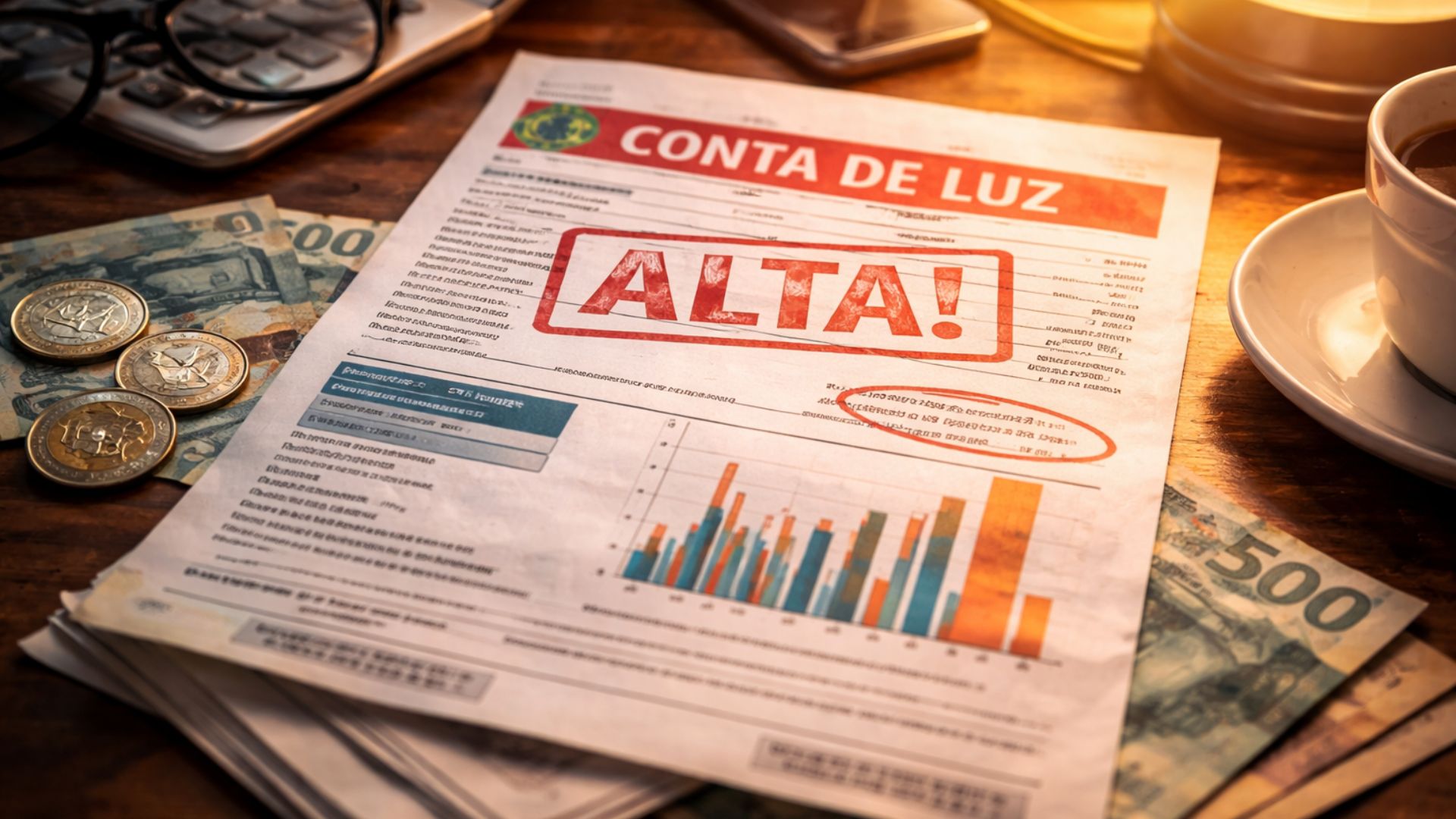
Research indicates that Brazilians support clean energy and wish to advance in the energy transition, but reject paying more on their electricity bill, showing a direct conflict between cost and sustainability.

Solar Energy as the Basis of a More Sustainable Industrial District
In this scenario, the construction of the photovoltaic power plant in the industrial district of João Pessoa reinforces this transformation. Initially, the teams completed fundamental stages of the infrastructure, such as the power substation. Then, with the arrival of the solar modules, the project advanced to a decisive phase. Thus, the district is approaching a scenario of greater energy autonomy and stability in electricity supply.
In recent years, Brazil has significantly increased the use of solar energy, especially after the implementation of rules that encouraged distributed generation. Furthermore, the Northeast has gained prominence due to the high solar incidence throughout the year. By installing a photovoltaic power plant in an industrial district, local management leverages the natural conditions of the region while also strengthening regional development.
In addition to environmental benefits, solar energy also ensures greater financial predictability. As a result, institutions can better plan their investments and reduce operational risks. Thus, the more sustainable industrial district solidifies itself as an efficient, modern model prepared for the future.
Logistical Modernization and Efficient Document Management
Alongside clean energy generation, sustainability also depends on the organization of internal processes. In this regard, the new central archive plays a strategic role in the more sustainable industrial district. By centralizing the documentary collection, the administration improves internal management, reduces unnecessary movements, and consequently optimizes the use of physical spaces.
For many years, public agencies faced difficulties related to scattered archives and inadequate structures. However, with the implementation of a central archive planned from the outset, these problems are beginning to be overcome. Additionally, the new space ensures better conservation conditions and greater agility in accessing information.
In this way, by streamlining document logistics, the industrial district starts to operate more integrated. As a consequence, it reduces indirect impacts on the environment and improves the quality of services provided to society, thereby reinforcing the commitment to sustainability.
Sustainability, Innovation, and Vision for the Future
Beyond physical works, the construction of a more sustainable industrial district requires, above all, a change in mindset. That is, it becomes essential to adopt a vision that values innovation, planning, and conscious use of resources. In this context, projects that prioritize energy efficiency and logistical organization reflect an approach aligned with the current demands of society.
From an economic standpoint, sustainable initiatives tend to generate consistent benefits over time. On one hand, the reduction of energy costs improves financial predictability. On the other, the appreciation of the area attracts new investments. Thus, more organized environments favor productivity and ensure greater stability for operations.
Moreover, the constant monitoring of construction plays a crucial role. By meeting deadlines and maintaining quality oversight, management ensures that projects achieve their objectives. Thus, the commitment extends beyond the delivery of structures to encompass the lasting results that they will provide.
Positive Impacts for João Pessoa and for the Coming Decades
Finally, the progress of the construction work in João Pessoa clearly demonstrates how sustainability can move from discourse to concrete actions. The combination of renewable energy, modern infrastructure, and efficient management thus creates a more balanced environment ready for the challenges of urban growth.
In the long term, the consolidation of a more sustainable industrial district tends to benefit the entire city. After all, the reduction of pressure on the traditional power grid, combined with the better use of public resources, serves as an example for new projects. This way, the industrial district ceases to be merely a productive space and begins to operate as a hub of innovation and sustainable development.
Thus, the works of the new solar power plant and the central archive in João Pessoa represent a milestone in the evolution of Brazilian industrial districts. By combining clean energy, logistical efficiency, and administrative organization, the project points to a more balanced future. Consequently, it strengthens the concept of a more sustainable industrial district and prepares the city for the next decades of responsible growth.









Seja o primeiro a reagir!