





 English
  Francês
  Alemão
  Italiano
  Japonês
  Norueguês
  Portuguese
  Spanish
  7 min of reading
  0 comments


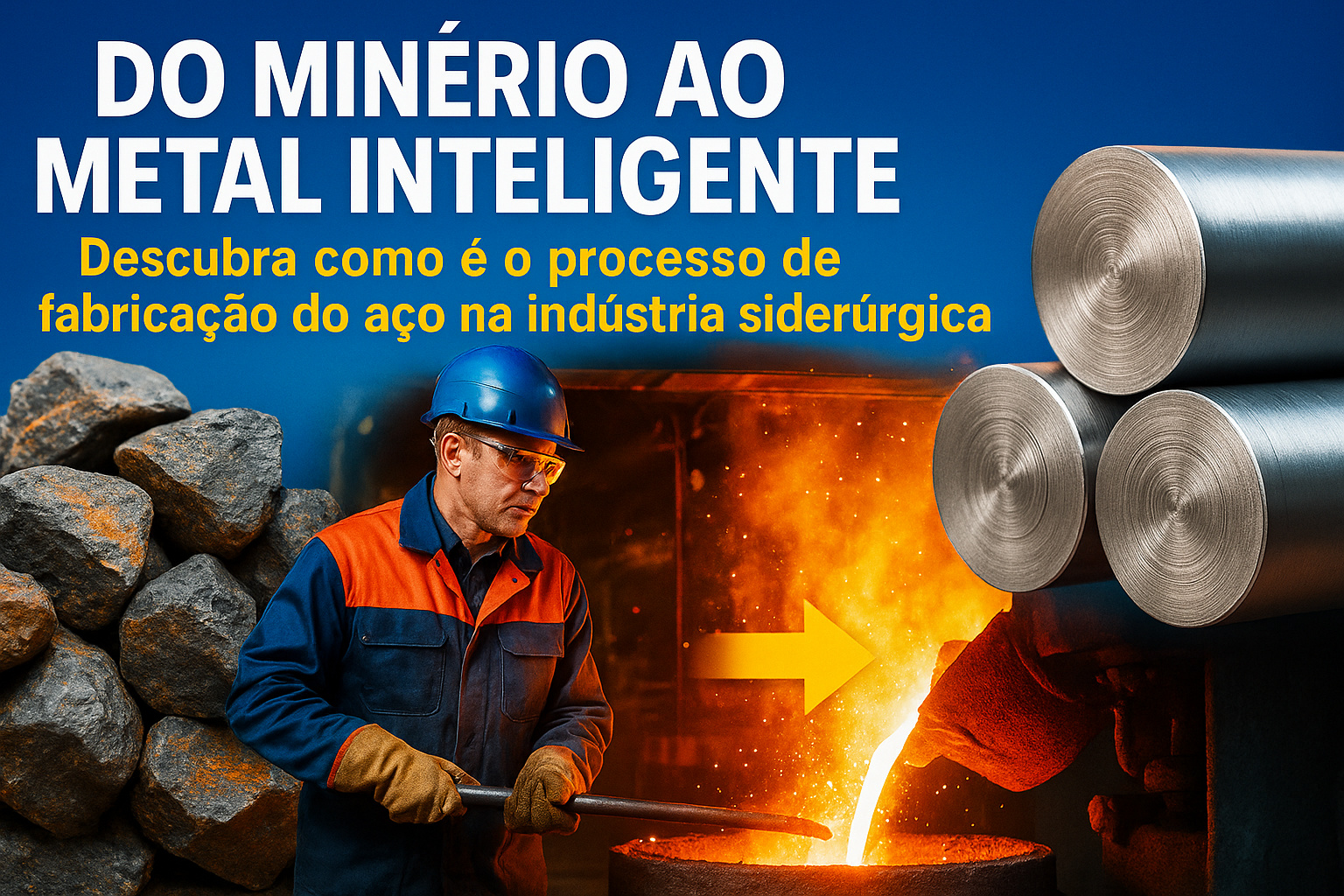
Discover How Iron Ore Transforms into High-Performance Steel. Understand the Stages of Steel Production, from Raw Materials to Sustainability, in a Comprehensive Overview of the Steel Industry Until It Reaches Your Home.
What Is Steel and Why Is Its Production Essential?
Steel is a metallic alloy composed mainly of iron and small amounts of carbon, as well as other elements like manganese, silicon, chromium, nickel, and vanadium.
Steel is present in practically everything in our daily lives. Its versatility, strength, and ability to be molded make it indispensable in sectors such as construction, automotive, naval, rail, and consumer goods.
Main Stages of the Steel Manufacturing Process
1. Extraction and Preparation of Raw Materials
-
New shoe factory in Ceará is expected to create 400 jobs and strengthen the local economy.
-
No one imagined it, but a mixture of sawdust with a mineral that fights fires surprises scientists with a result that changes the course of fire-resistant construction.
-
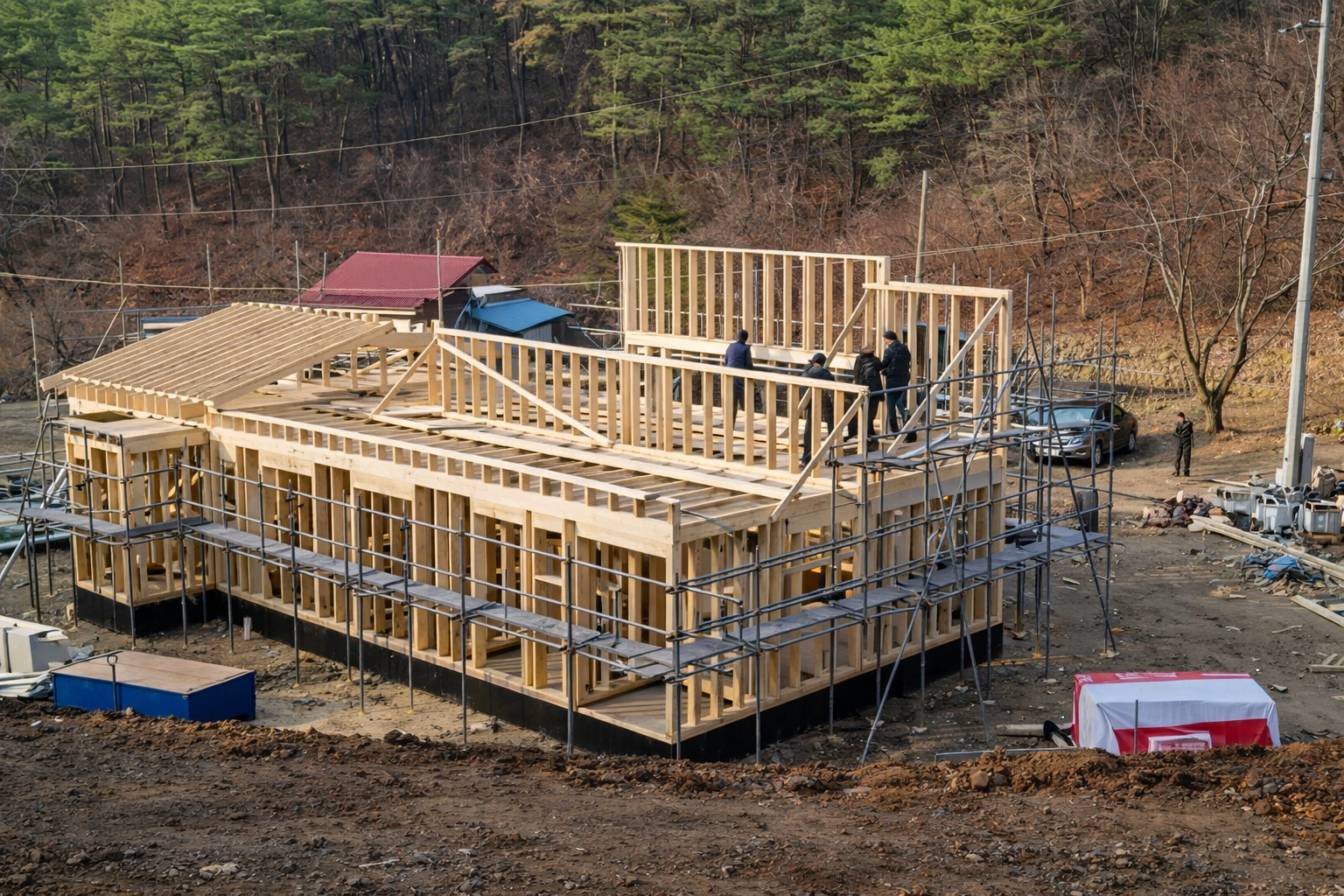
From empty land to a high-end house, wooden construction uses a lightweight system, metal structure for the foundation, ventilated ceramic cladding, and special windows to create an efficient and comfortable living space throughout the year.
-
From vacant land to a high-end house, wooden construction uses a lightweight system, a metal structure for support, ventilated ceramic cladding, and special windows to create an efficient and comfortable living space throughout the year.

Everything starts with the extraction of the raw materials that give rise to steel. The main ingredient is iron ore, which is usually found in nature in forms called hematite or magnetite. Additionally, metallurgical coal is used, which undergoes a special process in furnaces known as coking, where it is transformed into coke, a type of fuel rich in carbon. Limestone also plays a role here, a rock that acts as a “cleaner,” helping to remove impurities during the process.
Once extracted, these materials are crushed, screened, and transported to the steel mills, where everything truly starts to transform into the steel we use in our daily lives.
2. Production of Pig Iron in the Blast Furnace
In the steel mill, one of the most important pieces of equipment is the blast furnace. It operates like a large vertical furnace, where the transformation of iron ore into a liquid metal called pig iron takes place. This process occurs thanks to the heat generated by the burning coke, which also produces a gas called carbon monoxide. This gas reacts with the iron ore and helps to separate the pure iron from other substances.
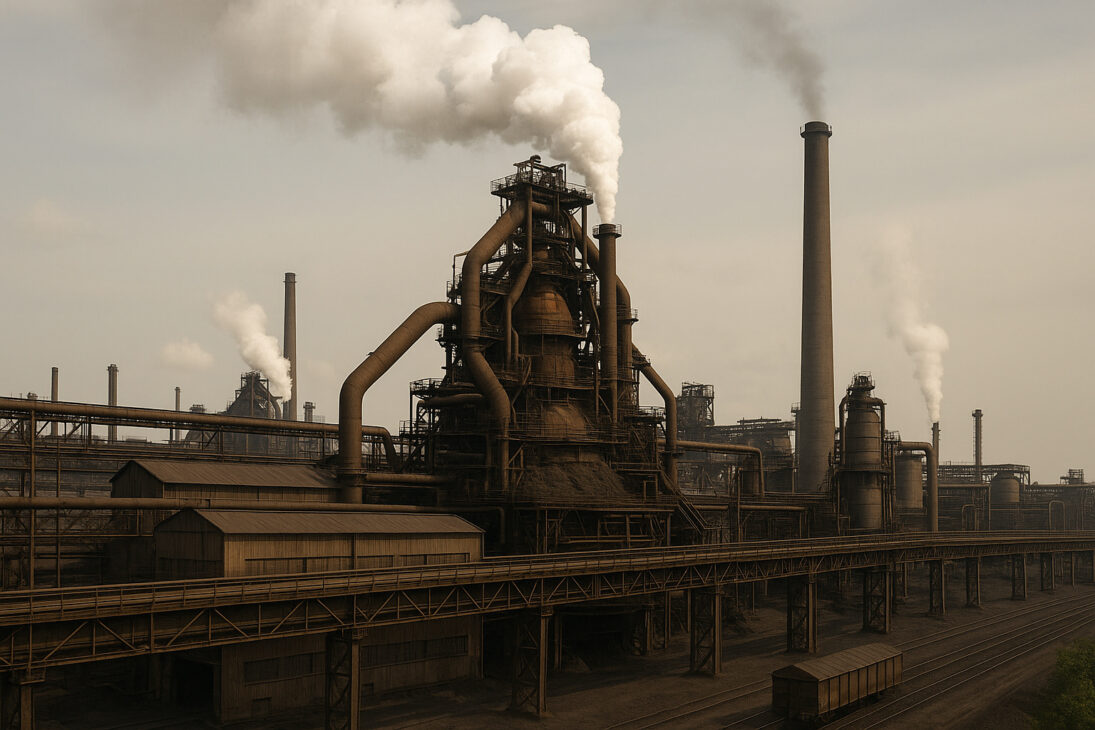
During this stage, limestone also comes into action. When heated, it releases a substance called calcium oxide, which helps remove impurities from the material.
The result is liquid pig iron, which has a high carbon content — about 4%. This material drains to the bottom of the blast furnace and will serve as the basis for the next stage: the actual production of steel.
3. Conversion of Pig Iron into Steel
After the liquid pig iron is removed from the blast furnace, it cannot yet be used directly, as it contains too much carbon and other impurities, such as sulfur and phosphorus. To transform it into steel, it undergoes a stage called conversion, where these impurities are removed.
One of the most commonly used methods in the world for this is through the LD converter, also known as the Linz-Donawitz process. In this method, the pig iron receives a injection of pure oxygen. This oxygen reacts with the unwanted elements and eliminates them, leaving the iron purer and transforming it into steel. This process is quick, efficient, and utilizes the heat from the chemical reactions, without requiring much extra fuel.
Another very common way to produce steel is with the electric arc furnace (EAF). This method is widely used when the raw material is scrap metal, meaning recycled steel. In this case, melting occurs through very powerful electric arcs generated between large graphite electrodes. This system has several advantages: it saves iron ore, allows for more precise control of the steel composition, and also has less environmental impact.
Secondary Refining: Final Adjustments of the Metallic Alloy
After the conversion of pig iron into steel, the material still needs to go through some important adjustments before being shaped. This phase is called secondary refining, and it works as a “finishing” of the liquid steel to ensure it has exactly the desired characteristics.
During this process, the steel undergoes special techniques to remove unwanted gases, such as oxygen and hydrogen, which can form bubbles and weaken the material. This is done through vacuum degassing, where the steel is exposed to very low pressure so that these gases escape.
Additionally, chemical elements called alloying elements are added, such as nickel, chromium, or vanadium, depending on the type of steel to be produced. These elements help provide specific properties to the steel, such as strength, hardness, or flexibility. Temperature regulation is also performed to ensure that the material is at the right point for the next stage.
Two techniques widely used in this process are RH/OB (Recirculating Heating/Oxygen Bubbling), which mixes steel with oxygen to aid in cleaning, and LF (Ladle Furnace), a special furnace that allows fine control of the steel’s composition and temperature.
With these precautions, the steel reaches the ideal quality to be solidified and transformed into high-performance final products.
Solidification: Continuous Casting
With the steel already adjusted and purified, the moment arrives to transform it from liquid to solid. This process is known as continuous casting. In this, the liquid steel is carefully poured into molds made of copper that are cooled with water. This causes the steel to begin solidifying in a controlled and continuous manner, while still being slowly pulled out of the mold.
This method brings several advantages. First, it prevents waste, as almost all the steel is utilized. Furthermore, the controlled solidification ensures a more uniform internal structure, which means stronger and more reliable steel. Another benefit is the high production speed, making the process more efficient.
At the end of this stage, the steel is already solid, but it is still not in the final form we use in our daily lives. It comes out in blocks called semi-finished, which can have different shapes, depending on what will be produced next. There are three main types:
- A slab, which is a large plate used to make steel sheets;
- A bloom, used to manufacture train tracks and large construction beams;
- And a billet, which is used to make rebar and other long, thin products.
These blocks proceed to the next stage: rolling, where the steel will take its final shape.
Rolling: Transforming Steel into Commercial Products
After solidification, the steel undergoes hot or cold rolling.
Hot Rolling
With the steel already solidified into semi-finished blocks, it’s time to shape the material. This stage is called rolling, and one of the most common ways to perform it is through hot rolling.
In this process, the steel blocks are reheated to extremely high temperatures — usually above 1,000 °C — which makes the material more malleable, that is, easier to mold. Then, it passes through large rollers that flatten and elongate, giving it the desired shape.
Hot rolling is ideal for creating large and strong parts. Among the main products made this way are thick plates, widely used in the naval industry and in the manufacture of large metal structures; structural profiles, such as beams and columns used in constructions; and rail tracks, which require high resistance to support the weight and impact of trains.
This process transforms raw steel into products that already start to resemble what we find in our daily lives — and there is still one more stage to provide fine finishing and precision.
Cold Rolling
After hot rolling, some products still go through another stage called cold rolling. Unlike the previous one, this process is done at room temperature, meaning without reheating the steel. Even without heat, the material continues to be molded by rollers, but now with more pressure and precision.
This technique is used to make the steel even stronger and with a much finer and more uniform finish. Furthermore, cold-rolled steel usually has more exact dimensions, which is essential for industries that require high precision.
Among the most common products made with this type of rolling are thin sheets, widely used in the manufacture of cans, industrial parts, and lightweight structures; coils, which are large rolls of steel primarily used by the automotive industry; and parts used in the production of household appliances, such as refrigerators, washing machines, and stoves, products that require beauty, durability, and precision.
This final stage completes the steel transformation process, preparing the material for various applications in our daily lives.
Types of Steel Produced
| Type of Steel | Main Composition | Applications |
| Carbon Steel | Iron + Carbon | Construction, piping |
| Stainless Steel | Iron + Chromium (+ Nickel) | Household utensils, medical equipment |
| Alloy Steel | Iron + alloying elements (Mo, V, Mn) | Aerospace industry, tools |
Quality Control in the Steelmaking Process
The quality of steel is monitored at all stages through:
- Chemical analysis (spectrometry)
- Mechanical tests (tension, hardness, impact)
- Non-destructive inspections (ultrasonics, radiography)
Real-time monitoring through IoT sensors.
Sustainability in Steel Production
The modern steel industry invests in technologies to reduce its environmental footprint:
- Reuse of steel slag as raw material for cement and paving.
- Capture and reuse of CO₂ in industrial processes.
- Energy efficiency using renewable energy and cogeneration.
- Circular economy: reuse of scrap and by-products.
We have seen that the manufacturing of steel is a complex process, integrating materials science, metallurgical engineering, and sustainable innovation. With the advancement of digital technologies and environmental pressures, the steel sector is moving towards a more efficient, cleaner future aligned with the Sustainable Development Goals (SDGs).
Did you already know the steel production process?








Seja o primeiro a reagir!