





 Portuguese
  English
  Spanish
  2 min of reading
  16 comments


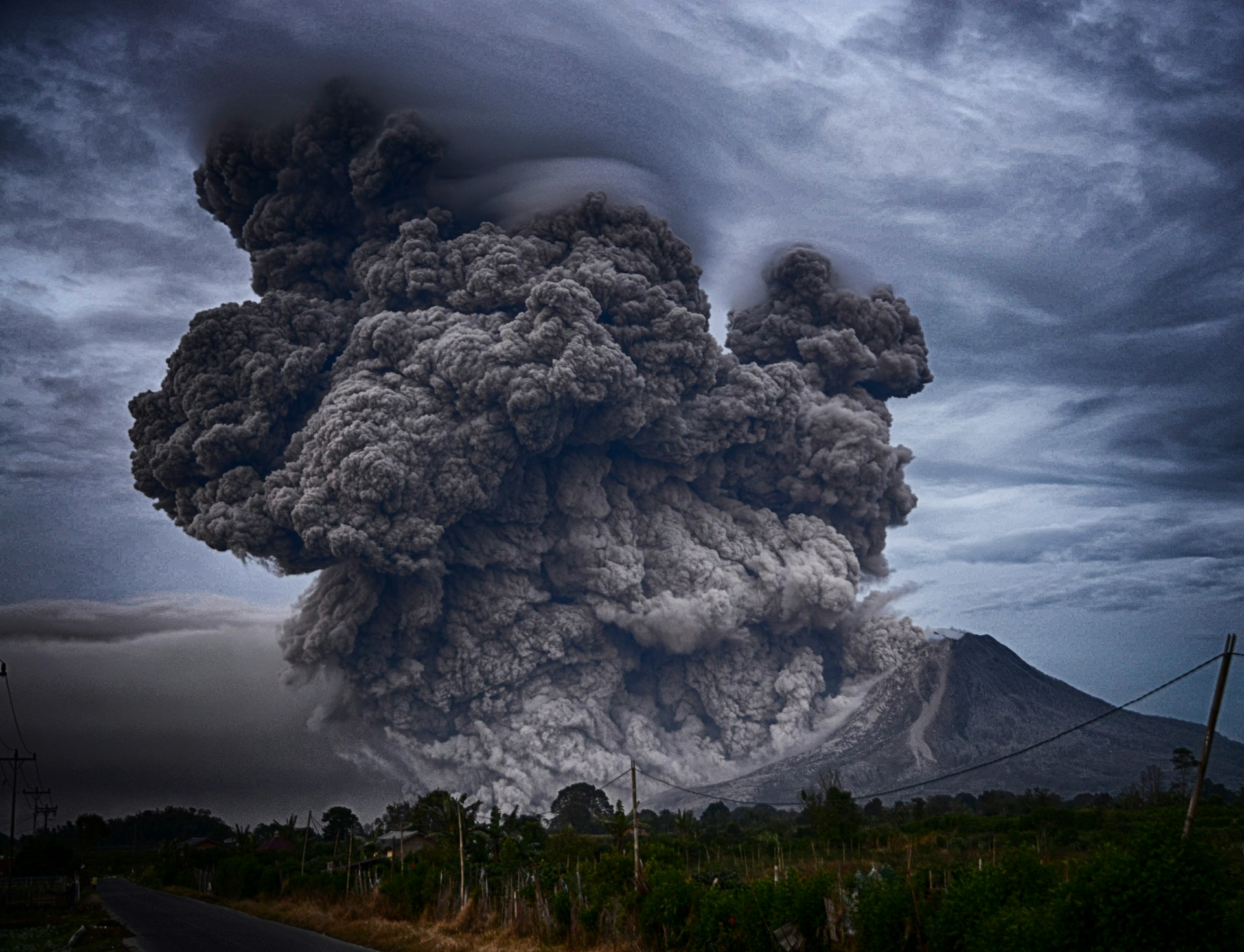


Researchers from USP Identify Two of the Oldest Volcanoes on Earth in Pará, With Almost 1.9 Billion Years and Possible Reserves of Gold and Other Minerals Below Their Structures
Two of the oldest volcanoes on the planet are in Brazilian territory, in the south of Pará. With almost 1.9 billion years, the formations were described by researchers from the University of São Paulo (USP), who released the study in 2002.
They are located between the Tapajós and Jamanxim rivers, in a remote area covered by vegetation. The oldest of them has a rounded hill shape today, with approximately 200 meters in height and 1.7 kilometers in diameter. The other reaches 300 meters in height.
The research conducted by USP revealed that beneath these structures there is an important reserve of minerals. The depth ranges from 100 meters to one kilometer and may contain gold, silver, copper, zinc, and molybdenum.
-
Motorola launched the Signature with a gold seal from DxOMark, tying with the iPhone 17 Pro in camera performance, Snapdragon 8 Gen 5 that surpassed 3 million in benchmarks, and a zoom that impresses even at night.

-
Satellites reveal beneath the Sahara a giant river buried for thousands of kilometers: study shows that the largest hot desert on the planet was once traversed by a river system comparable to the largest on Earth.

-
Scientists have captured something never seen in space: newly born stars are creating gigantic rings of light a thousand times larger than the distance between the Earth and the Sun, and this changes everything we knew about stellar birth.

-
Geologists find traces of a continent that disappeared 155 million years ago after separating from Australia and reveal that it did not sink, but broke into fragments scattered across Southeast Asia.

Before this study, it was common to associate these deposits with geological faults. The discovery showed that the volcanic rocks in the region can also harbor this type of mineral wealth.
Scientists used satellite images, radar, and analyses of the composition of the rocks to reach their conclusions. The results indicated that the area underwent intense volcanic activity during the Paleoproterozoic era and remained active for about 40 million years.
At the time of activity, the volcanoes spread lava and incandescent rocks over thousands of square kilometers. The affected territory extended from the Tocantins River in the east to the far north of the state of Pará.
Today, these volcanoes are extinct. Hidden by the forest, they pose no risk of eruptions.
According to the researchers, the structures are in good condition of preservation. They have hardly suffered erosion or impacts caused by movements of the Earth’s crust, even with the passage of so much time.
With information from Metrópoles.







Muito importante,mais preocupa por causa do desrespeito ao meio ambiente,com informações assim são bons por um lado mais preocupa por causa da ganância homana
A ciência está em constante evolução, porém a mesma não está em condições de sobrepor as leis naturais da terra, desastres naturais podem ocorrer a qualquer tempo já que o homem constrói para ele mesmo ser destruído no futuro. O criador do universo Deus é que sabe aonde e quando esses desastres naturais podem ocorrer.
E já tá menta ne
Aff, os garimpeiros ai do Pará vão já botar esse vulcão em erupção ksks