





 Portuguese
  English
  Spanish
  3 min of reading
  1 comment


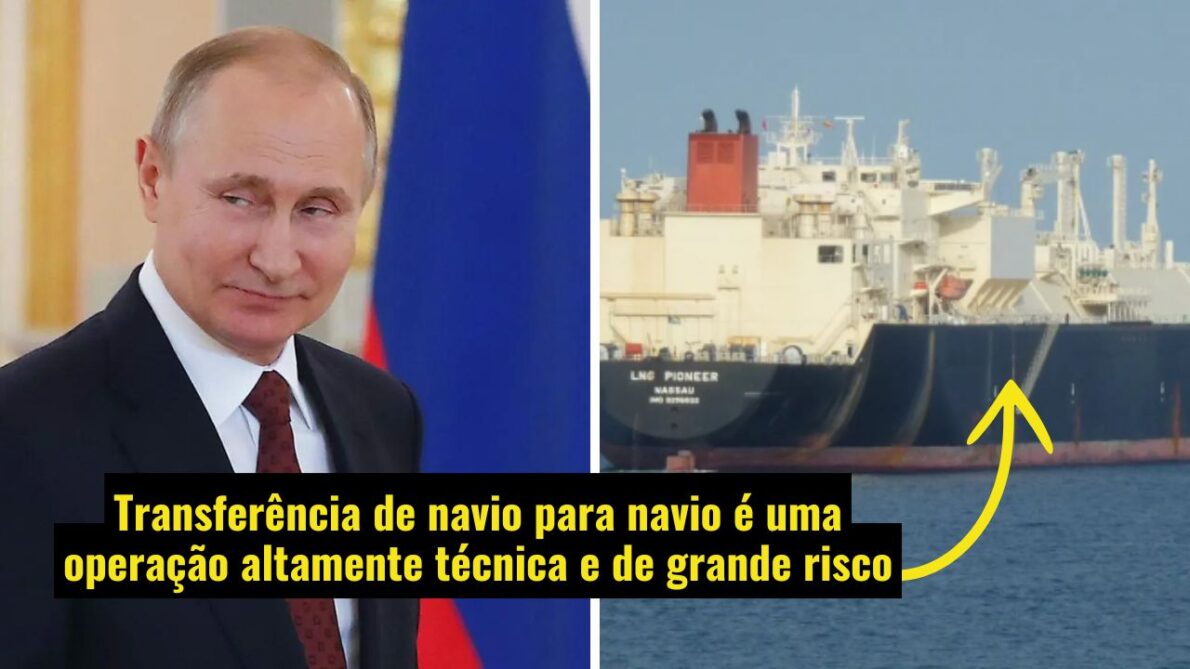

European Satellite Catches Ships Transporting Natural Gas in the Mediterranean: Russian LNG in Focus
Two ships transporting natural gas were captured by a European satellite in the Mediterranean, with the reason behind it being Russian LNG. One of these ships, the Pioneer, was placed on the U.S. blacklist last Friday, raising suspicions about Russian maneuvers to evade international sanctions.
A revealing image from the Sentinel-2 satellite, from the European Space Agency, shows two ships close to each other, about 30 km northeast of Port Said, Egypt, at the entrance to the Suez Canal. The image suggests that Russia is actively developing a fleet of specialized LNG tankers.
The Operation of the Ships Transporting Natural Gas

According to investigations by TankerTrackers.com, the two ships transporting natural gas are the Pioneer, already under U.S. sanctions, and the New Energy, which has not yet faced sanctions. The Pioneer is allegedly transferring Russian natural gas to the New Energy, a strategic maneuver to avoid the strict export restrictions imposed on the country.
-
Brazilian giant expands borders in the Southeast: Petrobras confirms new oil discovery in ultra-deep waters in the pre-salt of the Campos Basin.

-
Alert in the global energy market: Severe tropical cyclone hits the coast and disrupts gas production at major plants in Australia, threatening global supply.

-
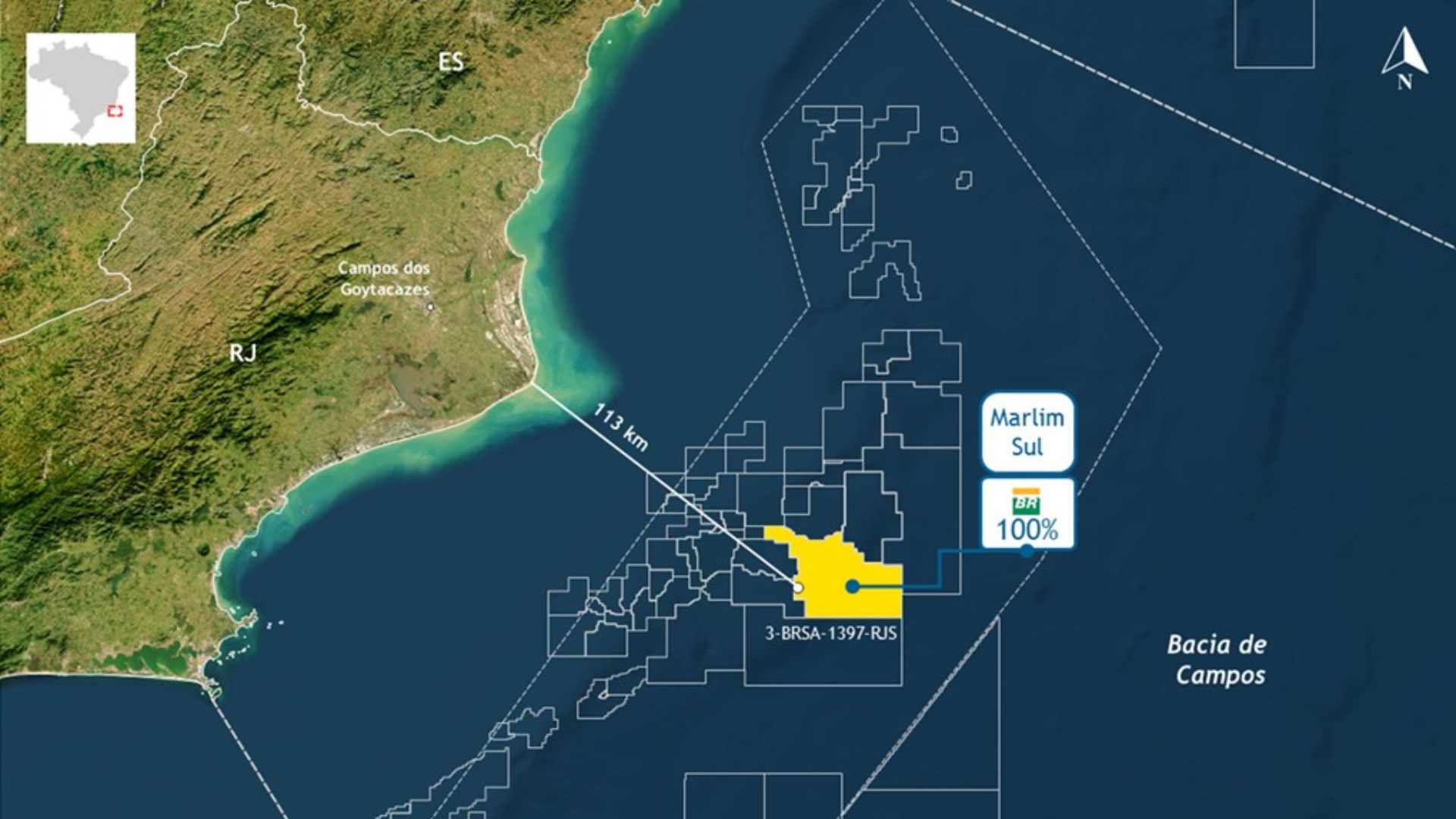
Petrobras finds high-quality oil in the pre-salt at 113 km from RJ and reignites expectations about strategic reserves in the Campos Basin.

-
Ocyan opens registrations for startups focused on innovation in the oil and gas sector and will select projects for Innovation Day with the support of Nexio.


Before being transported, natural gas is cooled and stored in liquid form, turning into liquefied natural gas (LNG). These ships transporting LNG are true technological marvels, designed to maintain the hydrocarbon at a temperature of -160 degrees Celsius.
The transfer of fuel between ships, known as STS (ship-to-ship transfer), is a highly technical and risky operation, especially when it comes to LNG. This makes the presence of these ships in the Mediterranean an even rarer occurrence.
Ghost Fleet
The Pioneer, now sanctioned by the U.S. Office of Foreign Assets Control (OFAC), is one of the first ships to transport natural gas from the new Arctic LNG 2 plant, located in western Siberia. The ship is operated by Ocean Speedstar Solutions, an Indian company. On the other hand, the New Energy, which has been operated by Plio Energy Cargo Shipping since June, raises suspicions of being part of a “ghost fleet,” as reported by Bloomberg.
There is suspicion that Moscow is assembling a fleet of tankers to circumvent American sanctions, a strategy similar to what it already uses for transporting crude oil and derivatives. When the transfer from the Pioneer to the New Energy is completed, it is likely that the New Energy will proceed through the Suez Canal towards Asia, where it will find buyers willing to acquire Russian gas.
Tracking These Ships
Tracking these ships that transport natural gas will not be an easy task. Energy tankers like these often hide their locations by turning off or tampering with their automatic identification systems, making it difficult for international authorities to monitor them.
This situation in the Mediterranean is a clear reflection of the complex network of strategies that Russia has employed to maintain its export flow of natural resources, even in the face of severe international sanctions. The use of satellites like Sentinel-2 has been essential in capturing these movements, highlighting Russian ingenuity – and persistence – in maintaining its presence in the global energy market.









Se a Rússia fechar a válvula de gás natural, a Europa morre congelada no próximo inverno que se aproxima.