





 English
  Francês
  Alemão
  Italiano
  Japonês
  Norueguês
  Portuguese
  Spanish
  5 min of reading


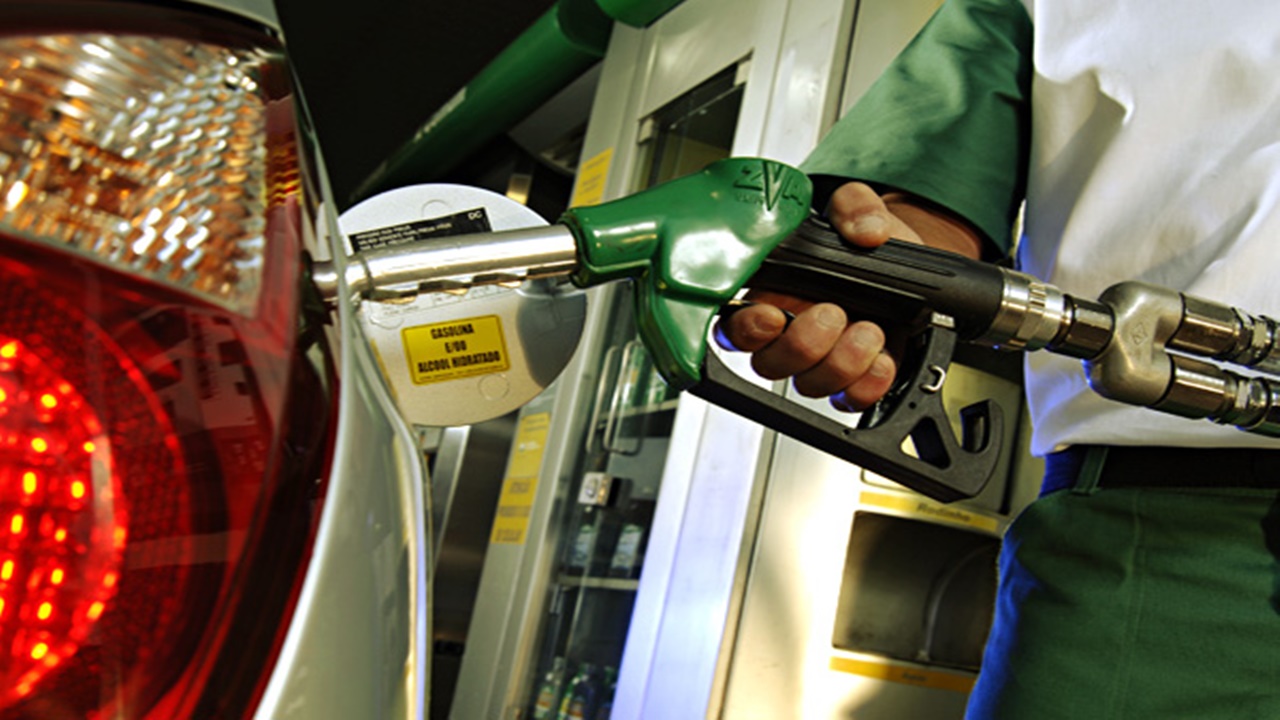
Not Even With The Dollar Plummeting Is The Price Of Gasoline And Diesel Providing Relief To Brazilians. Not To Mention That Ethanol Hit R$ 6 And GNV R$ 5 In Some Brazilian Regions, Leaving Consumers Tied Hand And Foot.
The dollar has been depreciating against the real and has accumulated losses below R$ 5 – a mark that hadn’t been reached for almost a year. The American currency closed at R$ 4.96 last Wednesday (6/23), a value close to what was registered in June of last year. However, Brazilians who hoped for relief in their pockets regarding spending on fuels, since the North American currency influences the price of oil and its derivatives, ended up frustrated when filling up with gasoline or diesel. Not to mention that ethanol has currently hit R$ 6 and GNV R$ 5 in some Brazilian regions, leaving consumers tied hand and foot.
Read Also
- Ethanol Plant Explodes and Leaves Employees Injured in Mato Grosso
- Coca Cola, the Multinational Largest Producer of Non-Alcoholic Beverages, Announces More Than 150 Job Openings in SP, RJ, MG, RS, and More
- Gasoline Prices Rise Again, Ethanol Confirms Significant Increase at the Plant, GNV Hits Record R$ 5 at Gas Stations and Consumers Have Nowhere to Run
- Bosch, Nissan, and Volkswagen Invest in Technology That Obtains Hydrogen from Ethanol; The Fuel Aims to Revolutionize the Global Automotive Industry
- Ethanol Plant in Bahia Will Demand More Than 8,000 Job Openings in Construction, Maintenance, and Logistics
- Troller Factory of the Ford Group in Ceará May Be Reinstated in Pecém for Production of Jeeps, Electric Cars, and Graphene, Which Will Reduce the Weight of Wind Turbine Blades, Desalinate Seawater, and Revolutionize Ceará’s Industries
The rise of the American currency against the real benefits Brazilian exporters, but also causes losses to the economy. The exchange rate is cited as one of the factors that will cause Brazil to exceed the Central Bank (BC) inflation target this year. With the dollar being more expensive, imported inputs also become more expensive for Brazilian consumers, leading to an increase in the cost of living.
For those expecting a reduction in prices based solely on the dollar’s variation, Rafael Schiozer, finance professor at the São Paulo School of Business Administration at Fundação Getulio Vargas (EAESP/FGV), says that the variation in fuel prices is usually about half that of the dollar exchange rate. “If the dollar falls 5%, it will drop approximately half (2.5%) at the pump,” says Schiozer.
-
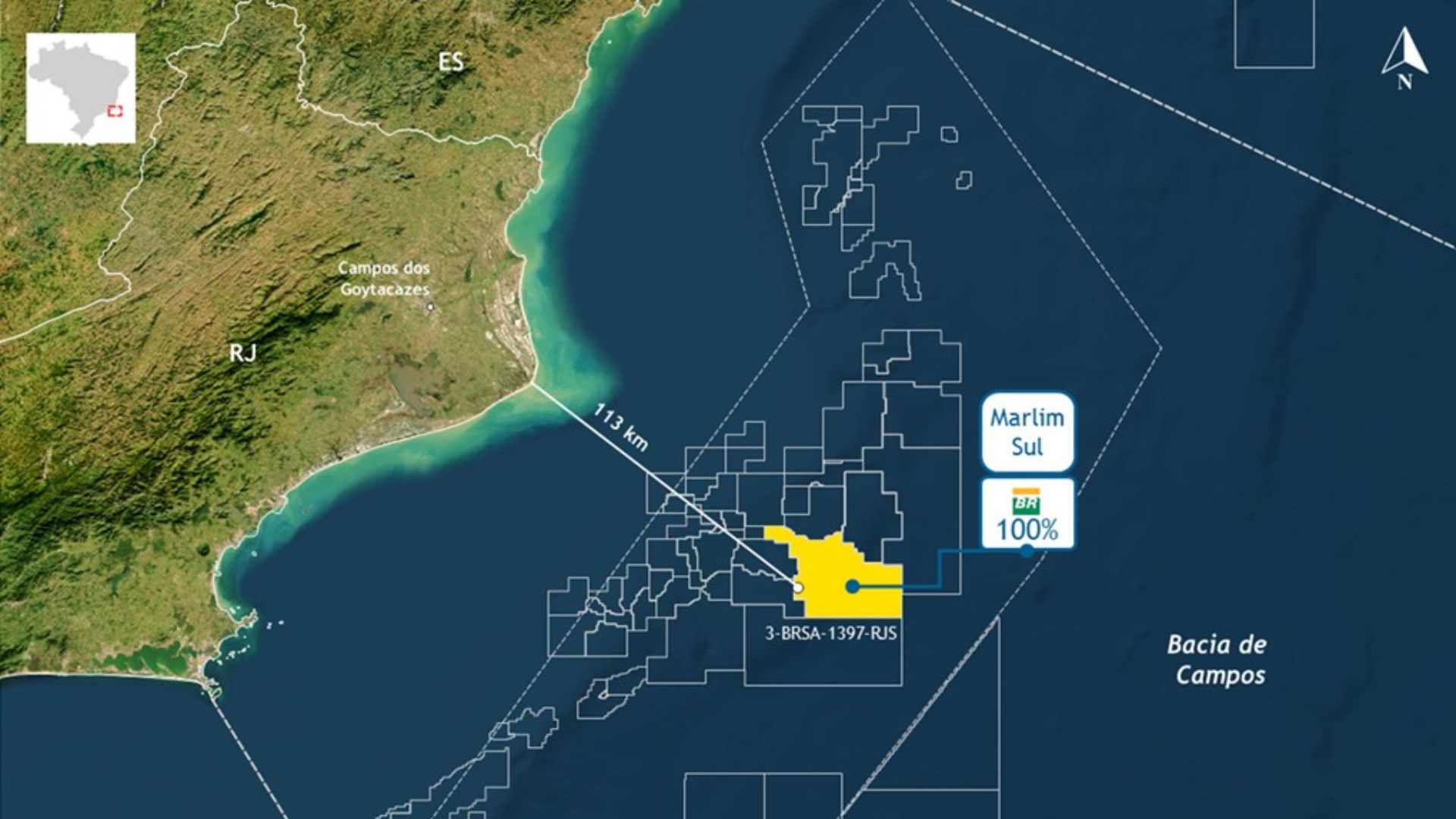
Petrobras finds high-quality oil in the pre-salt at 113 km from RJ and reignites expectations about strategic reserves in the Campos Basin.

-
Ocyan opens registrations for startups focused on innovation in the oil and gas sector and will select projects for Innovation Day with the support of Nexio.

-
Petrobras announces new oil discovery in the pre-salt of the Campos Basin and reinforces Brazil’s prominence with high-quality reserves that can increase production and energy revenues.
-
Alert in the fuel market: Analysts and a former director of ANP warn that oil prices may worsen in the coming months due to global instability.

Why Don’t Gasoline And Diesel Prices Follow The Dollar?
The price of gasoline has been increasing at gas stations week after week since mid-April, and the price of diesel has been rising without interruption since early May. A reality very different from the government’s forecast, which projected that fuel prices in the country would “drop again,” due to the falling dollar.
The price of common gasoline at the pumps surged by 28.24%, rising from R$ 4.426 in the week of April 11 to 17 to R$ 5.676 last week (June 2 to 6). During the same period, the dollar fell by 9.73%, according to data from ANP (National Agency of Petroleum, Natural Gas and Biofuels).
Meanwhile, the price of diesel increased by 7.05%, from R$ 4.196 (week of April 25 to May 1) to R$ 4.492 last week. The dollar fell by 6.8% during this period.
According to specialists, the price of gasoline and diesel does not follow the dollar because it depends on various factors throughout the entire production chain of fuels. “In addition to the international oil price, which also depends on the exchange rate because it is traded in dollars, the final price includes the costs of freight, product distribution, and also a margin [for profit] to compensate the operation,” explains Carla Ferreira, a researcher at Ineep (Institute of Strategic Studies of Oil, Natural Gas and Biofuels).


Another important factor: internationally, the price of oil per barrel is on the rise, nearing the US$ 70 range, due to high demand. Since Brazil is a fuel importer, this quotation tends to weigh on internal prices.
“The international cost of commodities has seen a significant rise, following the direction of oil prices. In the case of gasoline, the increase in dollarized cost was 46%, while for diesel the increase was 38% this year. Additionally, international logistical costs have been volatile and exceed the costs at the beginning of the year by 1%,” says Sérgio Araújo, executive president of Abicom (Brazilian Association of Fuel Importers).
Petrobras Went 40 Days Without Adjustments At The Refineries; Why Didn’t The Price Drop?
Even though oil prices abroad are higher, Petrobras has been avoiding making recurring adjustments in its International Price Parity (PPI) policy. The state-owned company went 40 days without changes, until the most recent one announced on June 11.
The Brazilian oil company reduced the price of gasoline at refineries by 1.9% and kept the diesel price unchanged. If Petrobras hasn’t increased prices at refineries, why hasn’t the price dropped?
Experts say that, in addition to the international quotation, there are various costs that impact the final price to consumers, such as federal and state taxes and logistics.
See What Comprises The Price Of Gasoline:
- Compensation For Petrobras
- Federal and State Taxes
- Ethanol Addition
- Distribution and Resale
What Comprises The Price Of Diesel:
- Compensation For Petrobras
- Federal and State Taxes
- Biodiesel Addition
- Distribution and Resale
It is precisely in the resale part where the explanation for this current scenario might lie, where consumers do not feel relief in their pockets when filling up.
“Gas stations often have an ‘autonomy’ regarding prices, which means that a drop in exchange rates or, for example, in the international oil price does not immediately reflect in the price of gasoline and diesel,” says Rosemarie Bröker Bone, coordinator of the Oil Economics Laboratory at the Polytechnic School of UFRJ (Federal University of Rio de Janeiro).
Even With The Reduction Of PIS/Cofins For Diesel, Prices At The Pumps Remained Higher
At this point, the Ineep researcher reminds us that even with the reduction of PIS/Cofins for diesel, earlier this year, by the federal government, prices at gas stations remained high.
The addition of biofuels is another factor that could favor price increases. According to the president of Abicom, biofuels have seen adjustments this year, and this resulted in a direct impact on the composition of the final prices of the products.
“Biodiesel added to fossil diesel was negotiated at auction 79 (delivery for May and June) at an average price of R$ 5.50 (+6.4%). For auction 80, which is currently taking place, the maximum reference price calculated by ANP was R$ 8 per liter on average. This value corresponds to a 70% increase in the price of biofuel,” Araújo states.
The Consequences Of The Dollar Below R$ 5 In Brazil
But what is behind the recent appreciation of the real, which strengthened against the dollar by about 15% in just three months? — The dollar weakened due to changes in American interest rates.
The increase in economic activity – which is beginning to be observed in some countries where the pandemic has weakened – brings a risk to the entire system: that of rising inflation, i.e., that higher demand for goods and services leads to rising prices all around. Too much inflation can be a problem for the economy, as rising prices reduce consumers’ standard of living if there isn’t a salary increase aligned with inflation.
Another major factor: Brazil had already been increasing its basic interest rate since March of this year. The Selic rate (the basic interest rate) rose from 2% to 4.5%. Last Tuesday (6/22), the day the real closed below R$ 5 for the first time this year, the Copom (the body responsible for decisions on interest rates) had released its minutes detailing the reasons for the most recent rate hike.
The reason for this rate hike is to try to contain Brazilian inflation, which has been accelerating sharply and is expected to close above the target set by the Central Bank. Over the last 12 months up until May, Brazilian inflation has already exceeded 8%. One of the current concerns for monetary authorities is the increasing energy prices, given the drought the country is experiencing, which could provoke even more inflation – pushing interest rates even higher.
Higher interest rates negatively affect consumption and investment in Brazil, but they can have a short-term effect of appreciating the national currency. The rise in Brazilian interest rates serves to attract foreign capital and increase demand for reais – with investors seeking higher returns for their capital.
With All This “Confusion,” Will The Dollar Remain At This Level? Or Will It Go Back Below R$ 4 As Before The Pandemic?
Making predictions about the exchange rate is notoriously one of the most difficult exercises undertaken by economists, investors, politicians, and businesspeople. With the recent drop in the value of the currency, forecasts have pointed downwards again. However, according to the most recent Focus Bulletin, it estimates that the dollar will end 2021 valued at R$ 5.10. The previous week, the same analysts were predicting R$ 5.18.










Seja o primeiro a reagir!