





 Portuguese
  English
  Spanish
  3 min of reading
  0 comments


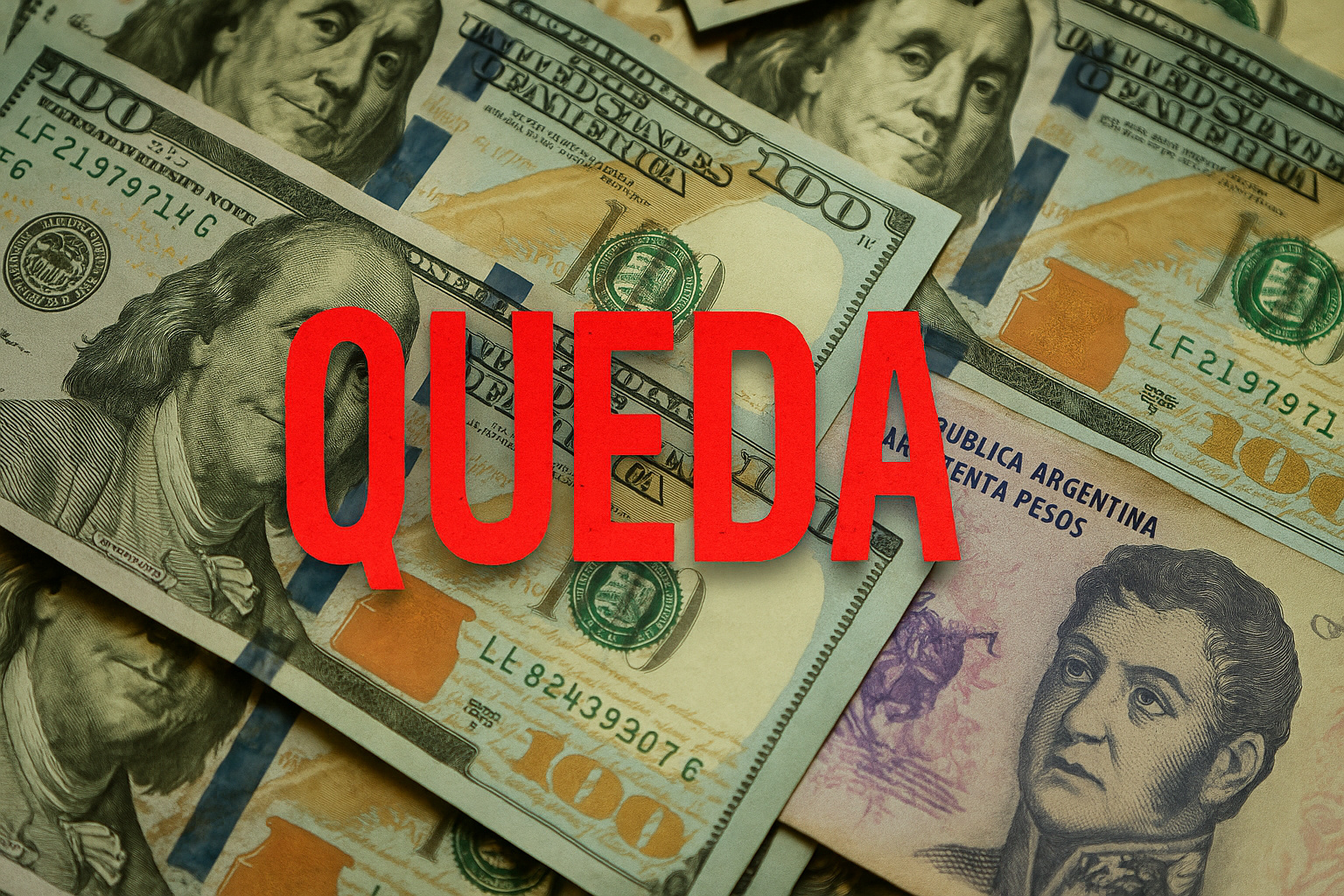
After 5 Consecutive Rises, The Dollar Falls in Argentina; US Action and Electoral Tension Explain the Turnaround in the Exchange Rate.
Dollar Falls in Argentina After 5 Days of Rises and Possible US Intervention
The Argentine market experienced a rare breather this Wednesday (23). After five consecutive sessions of rise, the official dollar fell by 0.13%, ending the day quoted at 1,489 pesos, after briefly touching the ceiling of the exchange rate band, at 1,491.56.
However, according to analysts, the relief was artificial. Market sources indicate that the dollar’s drop only occurred because the US Treasury and the Central Bank of Argentina (BCRA) may have acted together to curb the exchange rate surge.
Direct Intervention to Contain the Rise of the Dollar
According to the newspaper Clarín, Wednesday’s operations moved US$ 793 million in the spot market and US$ 922 million in futures contracts — atypical figures that raised suspicions of dollar sales by the US Treasury.
Meanwhile, La Nación confirmed that the BCRA had to spend US$ 45.5 million the day before to defend the ceiling of the exchange rate band.
-
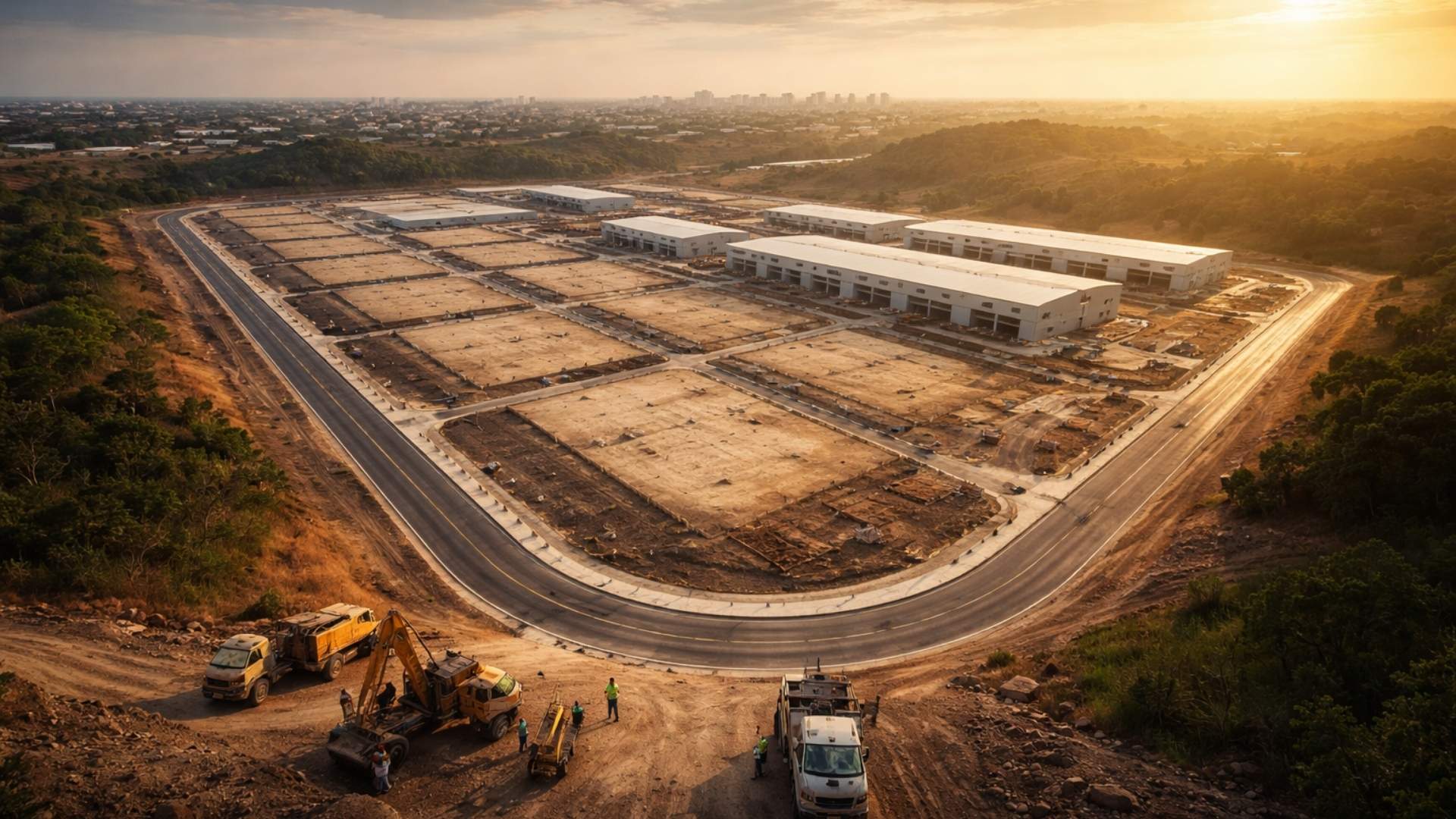
Brazilian city gains industrial hub for 85 companies that is equivalent to 55 football fields.

-
Peugeot and Citroën factory in Argentina cuts production by half and opens a layoff program for more than 2,000 employees after Brazil drastically reduced purchases of Argentine vehicles.

-
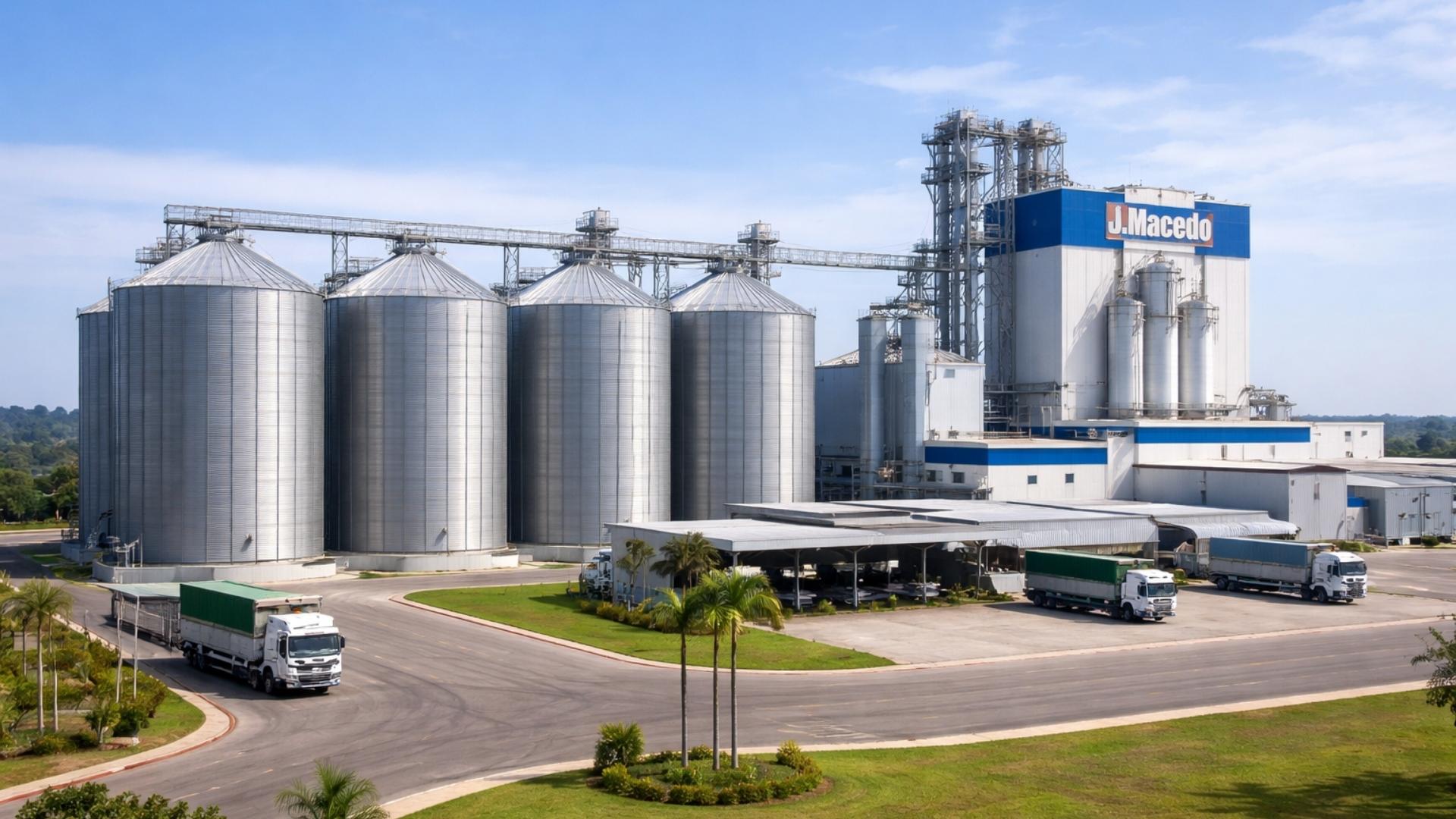
A Brazilian city gains a factory worth R$ 300 million with the capacity to process 200 thousand tons of wheat per year, a mill of 660 tons/day, silos for 42 thousand tons, and an industrial area of 276 thousand m².
-
Havan will leave the shopping mall in Blumenau to inaugurate something that the chain has never done before: a megastore in half-timbered style in the Historic Center of the city, which is expected to be completed in May and change the landscape of local retail.


Market sources cited by local media estimate that the US intervention may have reached US$ 450 million. This movement shows the increasing concern for the economic stability of Argentina, which faces intense electoral and exchange rate pressure.
Political Tension and Fear of Dollarization
The official dollar in retail stood at 1,515 pesos at the Banco Nación, the highest value in history. Meanwhile, the “blue dollar” increased even further, ranging between 1,530 and 1,550 pesos, indicating a lack of investor confidence.
According to Max Capital, the recent rise occurs because Argentines are protecting themselves before the elections. Uncertainty and fear of a return of Peronism increase the demand for foreign currencies.
“The wholesale dollar remains at the ceiling of the band, which would have required dollars sales from the BCRA. Now, everyone is waiting for Sunday to see if dollarization will hold after the elections,” said analyst Gustavo Ber to Ámbito Financiero.
Thus, the foreign exchange market is expected to remain tense until the electoral result, with the dollar reacting to each political movement.
Government Tries to Contain Speculation and Avoid New Crisis
Amid the turbulence, Economy Minister, Luis Caputo, ruled out any changes in the exchange rate regime. He stated that the country does not intend to alter the floating bands “regardless of the election outcome.”
Caputo also warned that media panic has worsened the situation. “When people turn on the TV and see people talking all the time about the end of the bands, it leads to a dollarization like the one happening these days,” he declared.
However, the minister believes that, after the elections, the exchange rate could suffer a downward correction of up to 10%, if political tension decreases and market confidence gradually returns.
Argentine Economy on Alert
The episode reinforces how the Economy of Argentina remains vulnerable to political volatility and the strength of the US dollar. Even a momentary drop in the quotation reveals how much the country relies on external interventions to contain exchange rate chaos.
Meanwhile, the market watches carefully the unfolding of the elections. Any change in the political scenario could define the next steps concerning the drop or rise of the dollar, as well as directly influence the economic recovery of the country.
For now, the drop of the dollar represents only a temporary breather. Argentina remains in a minefield, where politics, Economy, and the influence of the US go hand in hand — and any misstep could reignite a new wave of financial instability.









Seja o primeiro a reagir!