





 English
  Francês
  Alemão
  Italiano
  Japonês
  Norueguês
  Portuguese
  Spanish
 3 min of reading



Mubadala Sovereign Fund’s Interest in Buying 45% of Assets and Controlling Burger King in Brazil Causes Zamp Shares to Soar, Reaching the Highest Value Since Early April!
The board of directors of Burger King Brazil rejected the acquisition proposal made by the Arab fund Mubadala Capital, from the crown prince of Abu Dhabi, in early August. The announcement was made by Zamp, the owner of Burger King in Brazil, on August 17.
According to the statement, the decision was made after hiring a financial advisor to evaluate the proposal, which indicated that the price per share of the offer was inconsistent with the value of the company.
The decision was made after board meetings with various shareholders of the company, who reportedly raised concerns about the share price, highlighting Zamp’s recovery post-Covid.
-
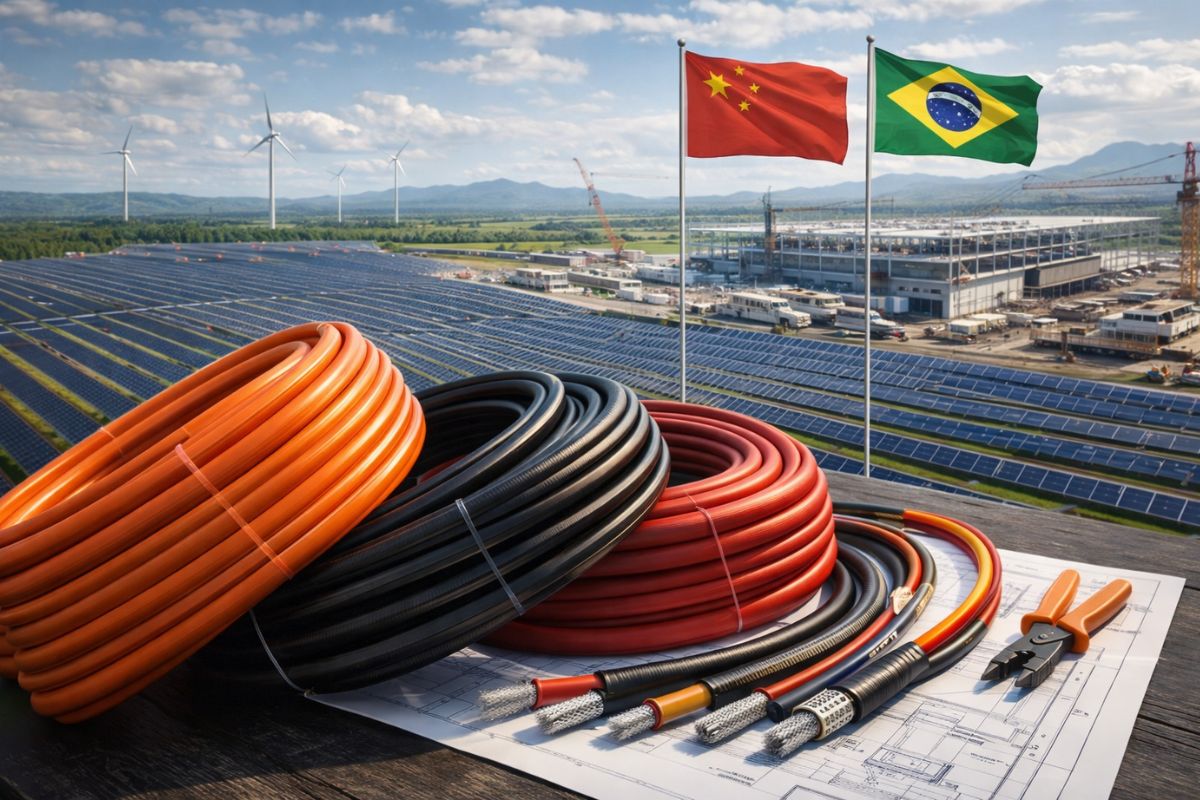
Chinese giant worth nearly R$ 4 billion that manufactures cables for electric cars, solar energy, and robotics wants to open a factory in SC.
-
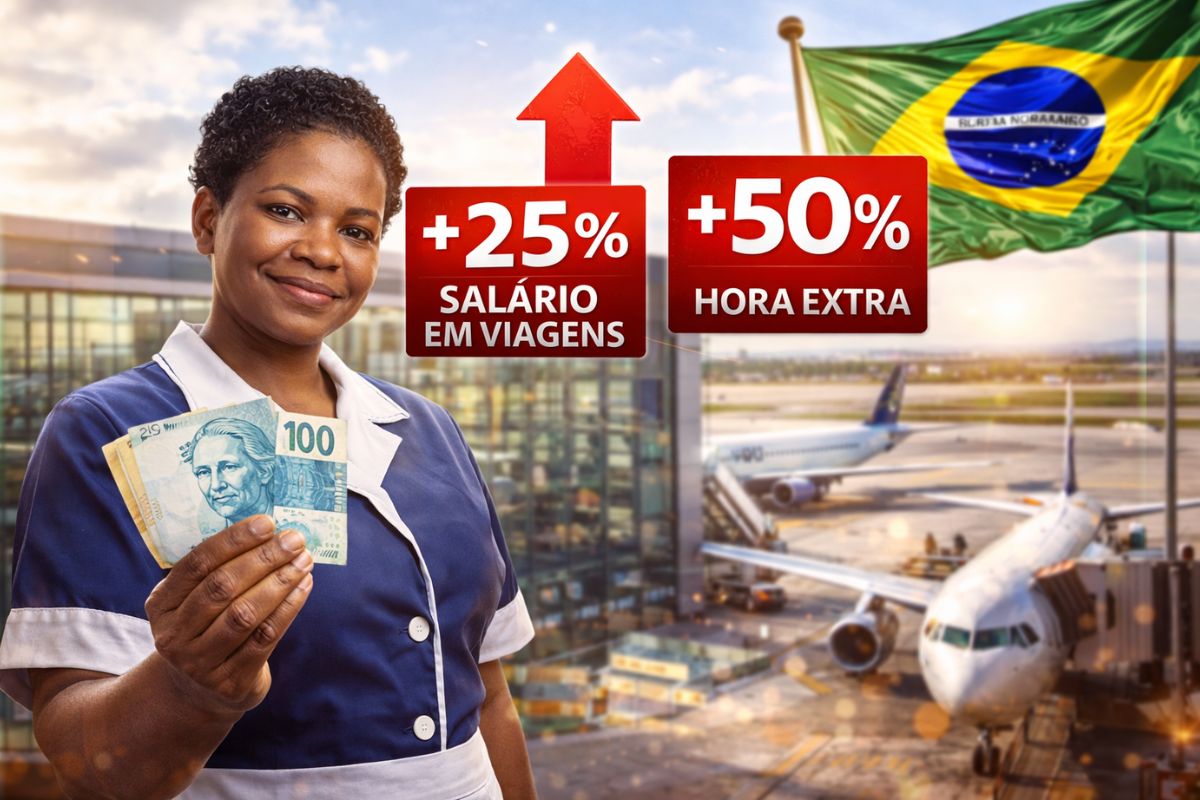
Many employers do not know, but the law guarantees domestic workers a 25% increase in salary during trips, 50% for overtime, 20% for night shifts, and 17 additional benefits that can lead to labor lawsuits if not paid.
-
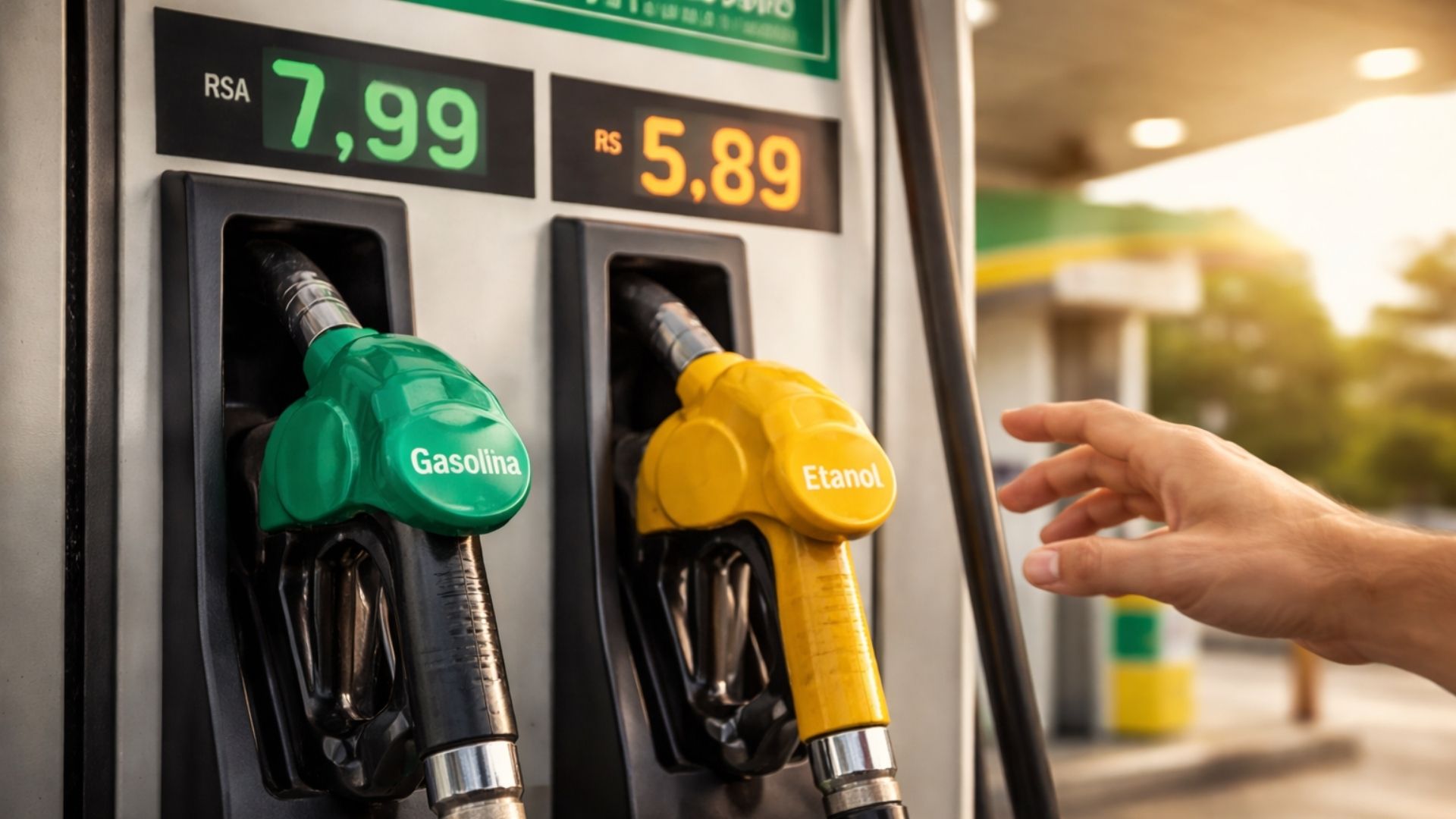
Gasoline prices soar and the question arises: is ethanol more advantageous? The 70% rule reveals the limit with gasoline.
-
The government has made a decision and is starting a test with more ethanol in gasoline, anticipating a mixture of up to 35%, diesel with 25% biodiesel, and a study to assess the impacts on engines.

Mubadala Sovereign Fund Shows Interest in Buying 45% of Burger King Assets in Brazil
The Mubadala Sovereign Fund has shown interest in buying 45% of Burger King’s assets in Brazil by presenting a proposal of R$ 938.6 million, paying R$ 7.55 per share.
The proposal was rejected because, according to the analysis report commissioned by the company, the current value range of the issued shares should fluctuate between R$ 9.96 and R$ 13.47, with a midpoint of R$ 11.72, values higher than the offer price.
Additionally, the report states that the acquisition could impact the liquidity of the company’s issued shares. It further notes that approving the proposal could lead to conflicts of interest between the fund and other shareholders, as the company currently has no controlling shareholder.
Burger King in Brazil claims that a potential new controlling shareholder would have the power, for example, to elect the majority of the board members, set administrative policies for the company, and determine the outcome of any shareholders’ deliberation.
“The controlling shareholder of the Company may have an interest in making acquisitions, divesting assets, forming partnerships, seeking financing, or making other decisions that may conflict with the interests of other shareholders and may not result in improvements in their operational results, causing a significant adverse effect on the company”, the document states.
Mubadala Says Zamp “Has High Growth Potential and Value Creation for Its Shareholders”
In the acquisition proposal announcement, Mubadala states that Zamp “has high growth potential and value creation for its shareholders”, and admires the work done by the company’s management, “especially in light of the recent challenging economic and market conditions.”
On the day the proposal was announced, Zamp’s shares surged 18.81%, reaching R$ 7.39, the highest value since early April.
Arab Fund Mubadala Takes Over Invepar’s Billion-Dollar Debt and Begins Controlling the Rio de Janeiro Metro
Mubadala, an investment fund from the United Arab Emirates, assumed control of the Rio de Janeiro Metro operator, MetrôRio, from Invepar in April this year. The process authorizing the change, signed by Governor Cláudio Castro, was published in the Official Gazette of Rio de Janeiro.
The Rio Metro was previously under the control of Investimentos e Participações em Infraestrutura S.A (Invepar), the majority shareholder of São Paulo International Airport in Guarulhos.
Mubadala Group Acquires Refinery RLAM from Petrobras for US$ 1.65 Billion in Bahia
Mubadala recently approved the purchase of a Brazilian refinery. The plant belonged to Petrobras and the transaction amounted to US$ 1.65 billion. RLAM began operating in 1950 and has the capacity to process 330,000 barrels of oil per day.
In addition to RLAM, the sale included 669 km of pipelines that are part of the refinery’s network, including short pipelines (Becan 6”, Becan 8”, and 21 oil pipelines connecting the RLAM to the Madre de Deus Terminal) and long pipelines (ORSUB, linking RLAM to the Jequié and Itabuna Terminals; ORPENE L1/14”, ORPEN 12” and ORPENE 8”, connecting RLAM to the Camaçari Petrochemical Complex).






Seja o primeiro a reagir!