





 Portuguese
  English
  Spanish
  4 min of reading
  0 comments


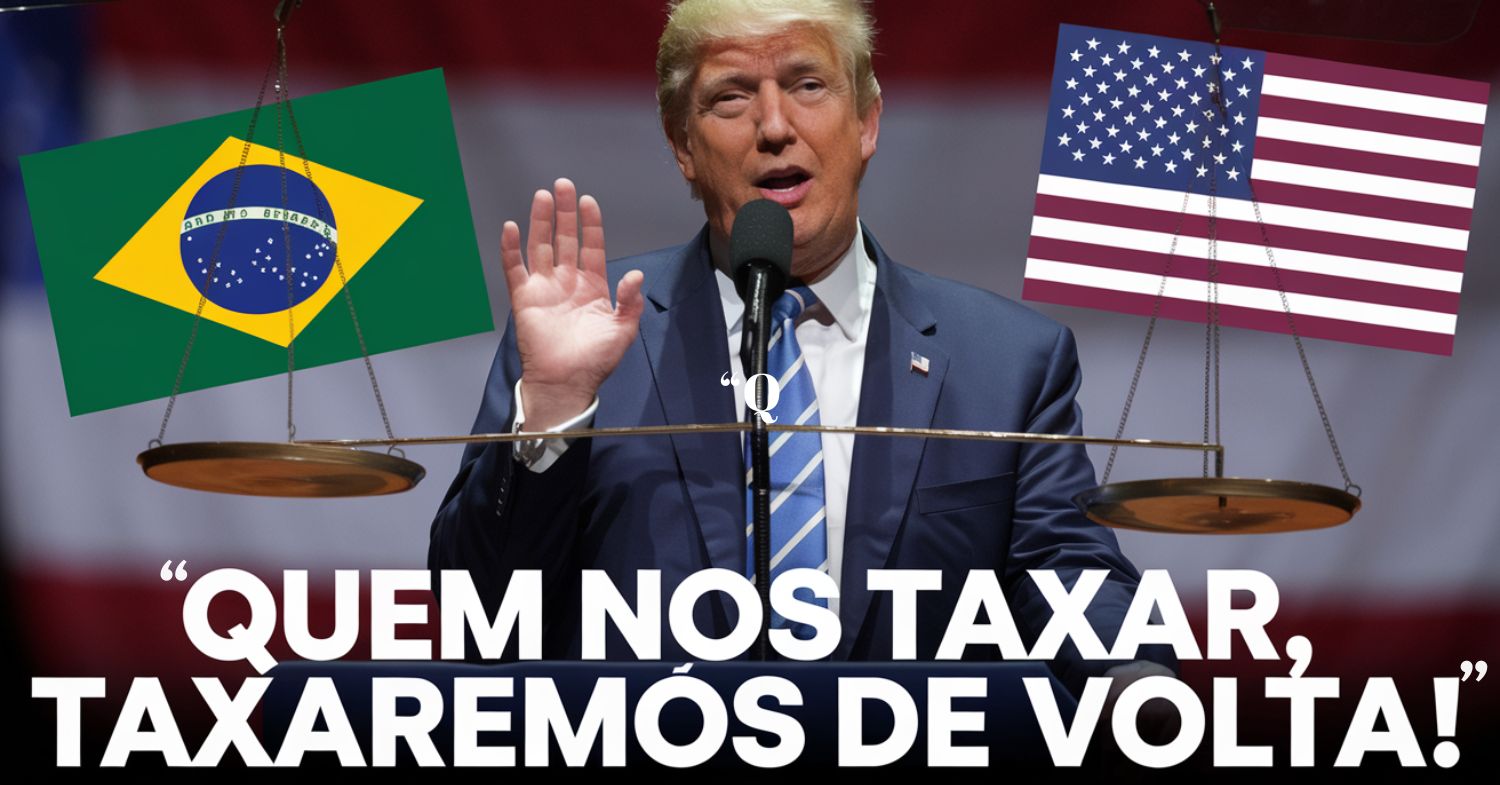
Donald Trump Threatens New Tariffs Against Brazil and Promises Retaliation Against Foreign Products! Elected President of the United States Reinforces Protectionist Policy with the Slogan: “Whoever Taxes Us, We Will Tax Back!”
Does Trump want to tax Brazil? The elected President of the United States, Donald Trump, has stirred up controversy again by announcing his intention to impose new tariffs on foreign products, including those coming from Brazil. During a press conference in Mar-a-Lago, Florida, Trump reaffirmed his stance in favor of protectionist measures, highlighting that his tariff strategy is a direct response to countries that impose taxes on American exports.
“Whoever taxes us, we will tax back. Tariffs will make our country rich,” said Trump. The statement puts Brazil at the center of the Republican’s trade radar, raising concerns about the possible impacts on economic relations between the two countries.
Why Does Donald Trump Want to Tax Brazil?
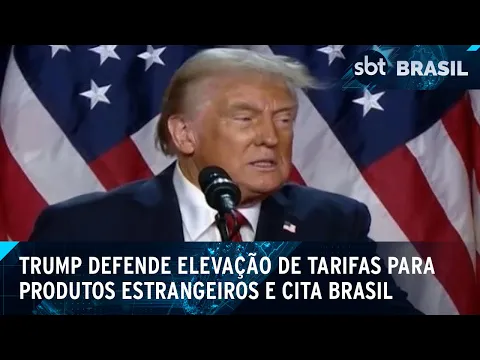

Brazil was mentioned by Trump as one of the countries that have considered high tariffs on American products. His statement reignited discussions about trade protectionism and its impact on Brazilian exports, especially in the agricultural and industrial sectors, which have a strong presence in the U.S. market.
-
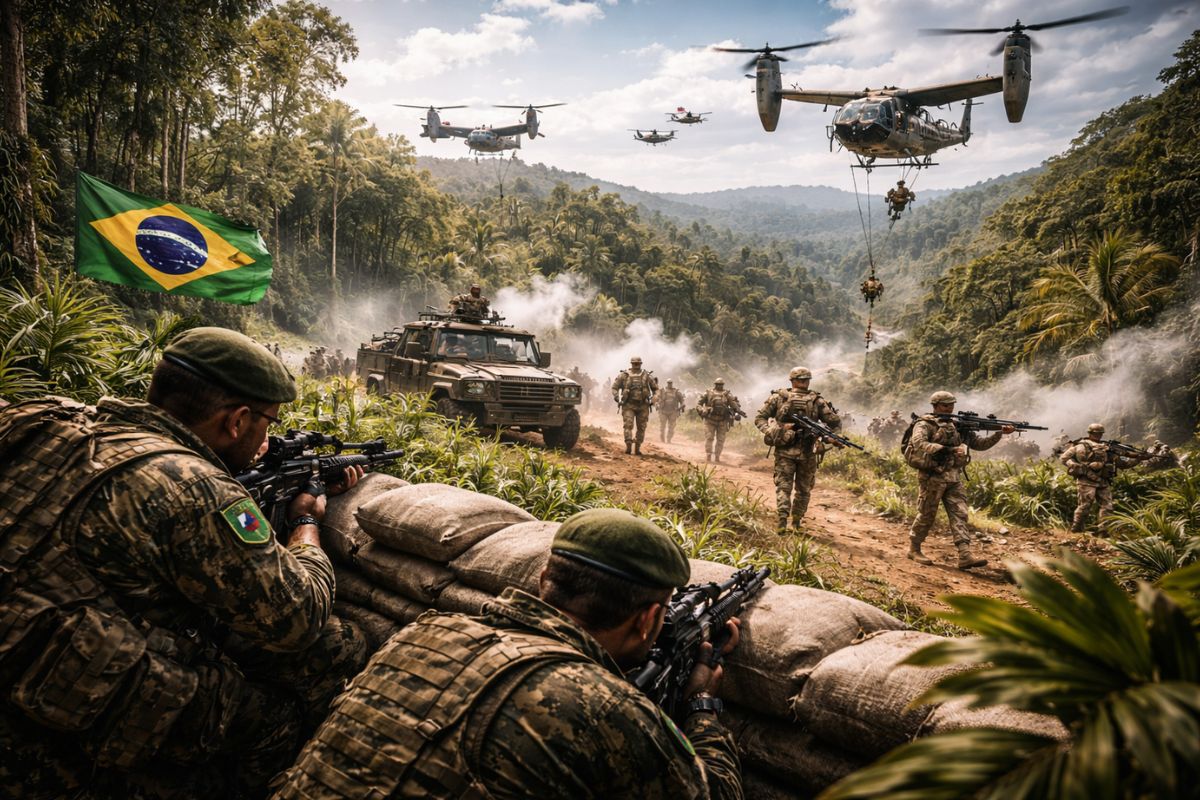
If the USA were to go to war with Brazil, Washington’s greatest fear would not be the attack itself, but facing a vast territory, prolonged resistance, and a costly, chaotic, and unpredictable occupation.
-
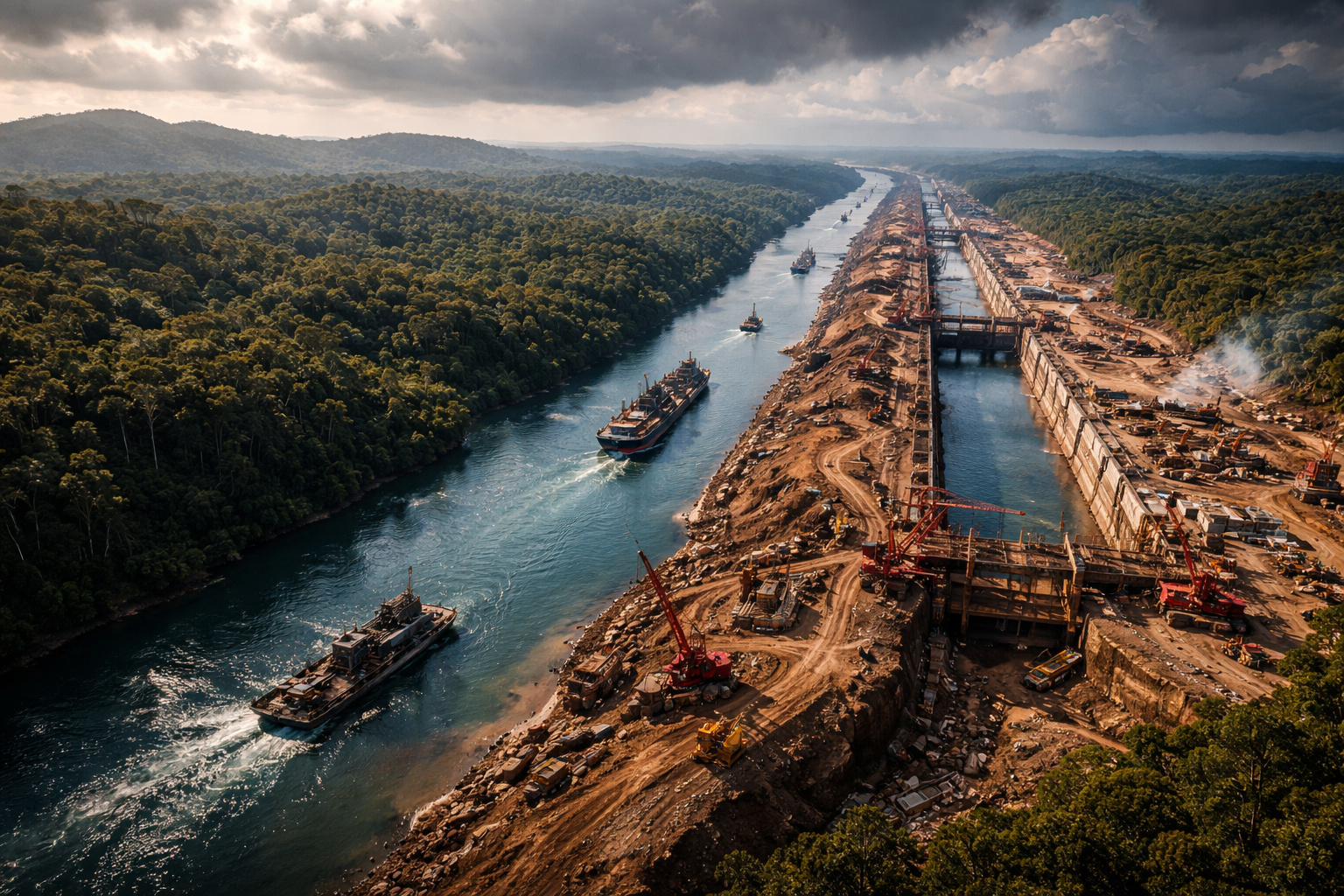
In 2013, Nicaragua sold the concession for a canal to rival Panama to a Chinese billionaire who lost 85% of his fortune, disappeared, and was declared bankrupt. Now the project resurfaces with a new route, a new Chinese partner, and a cost of $64.5 billion.
-
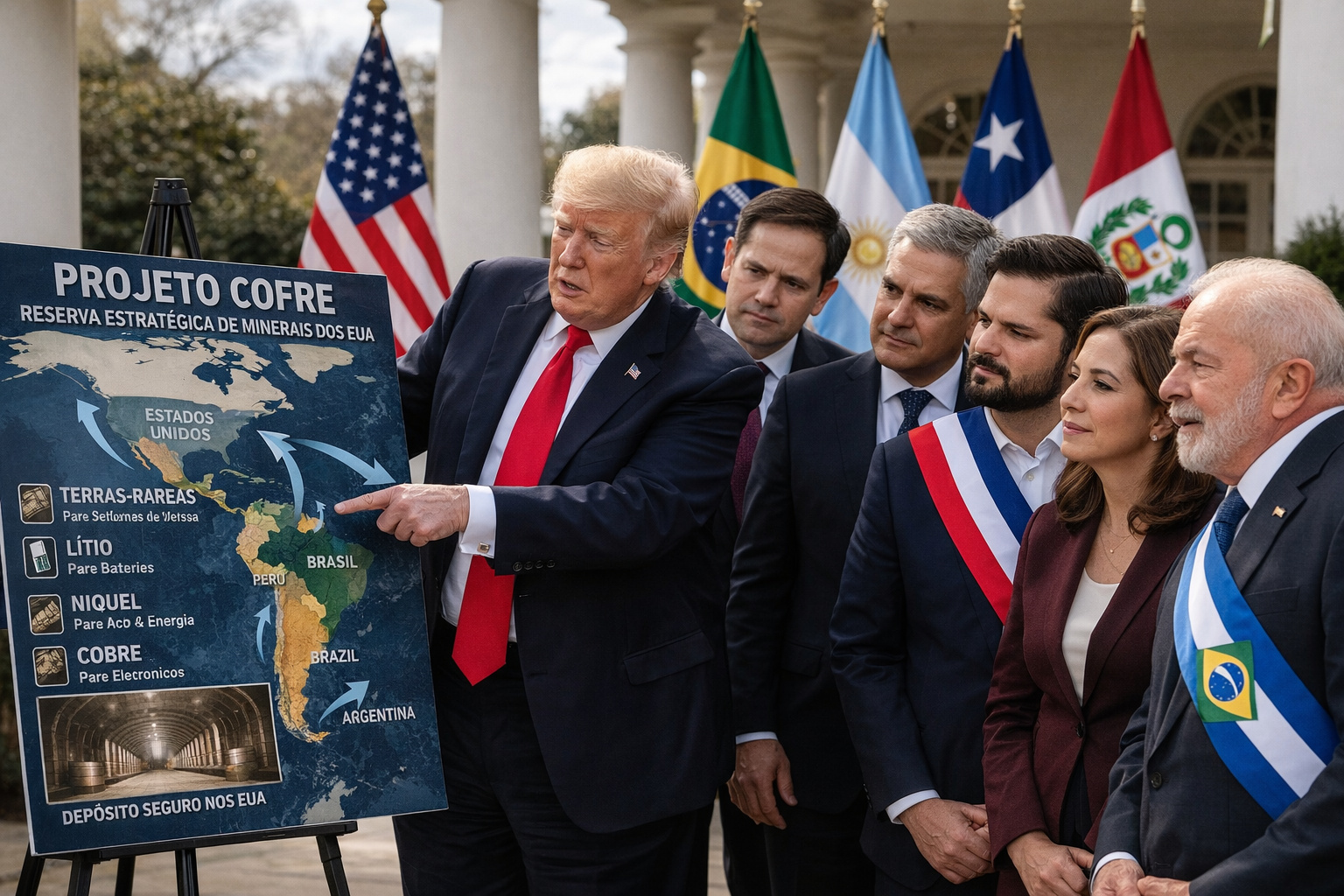
The USA announces a mysterious billion-dollar vault project to store critical minerals, but what intrigues experts is not just the plan itself, but why Latin America, including Brazil, has entered the center of this global dispute against China.
-
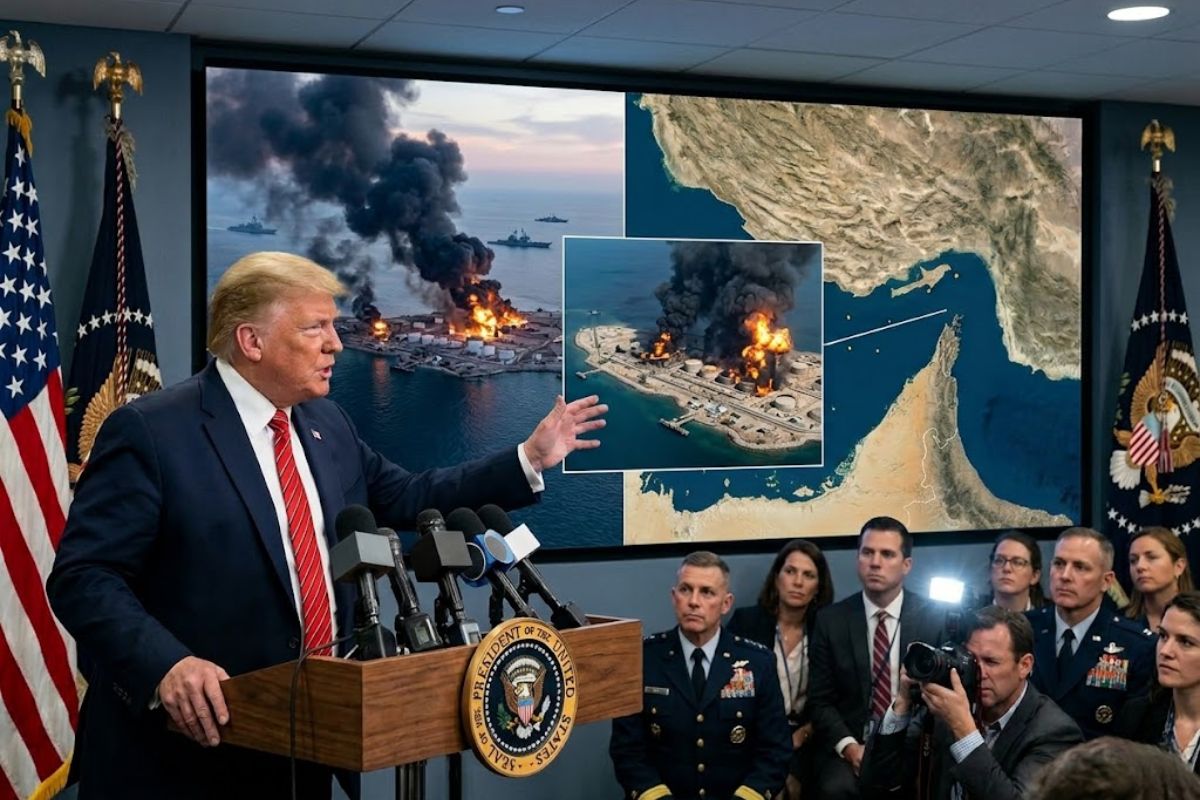
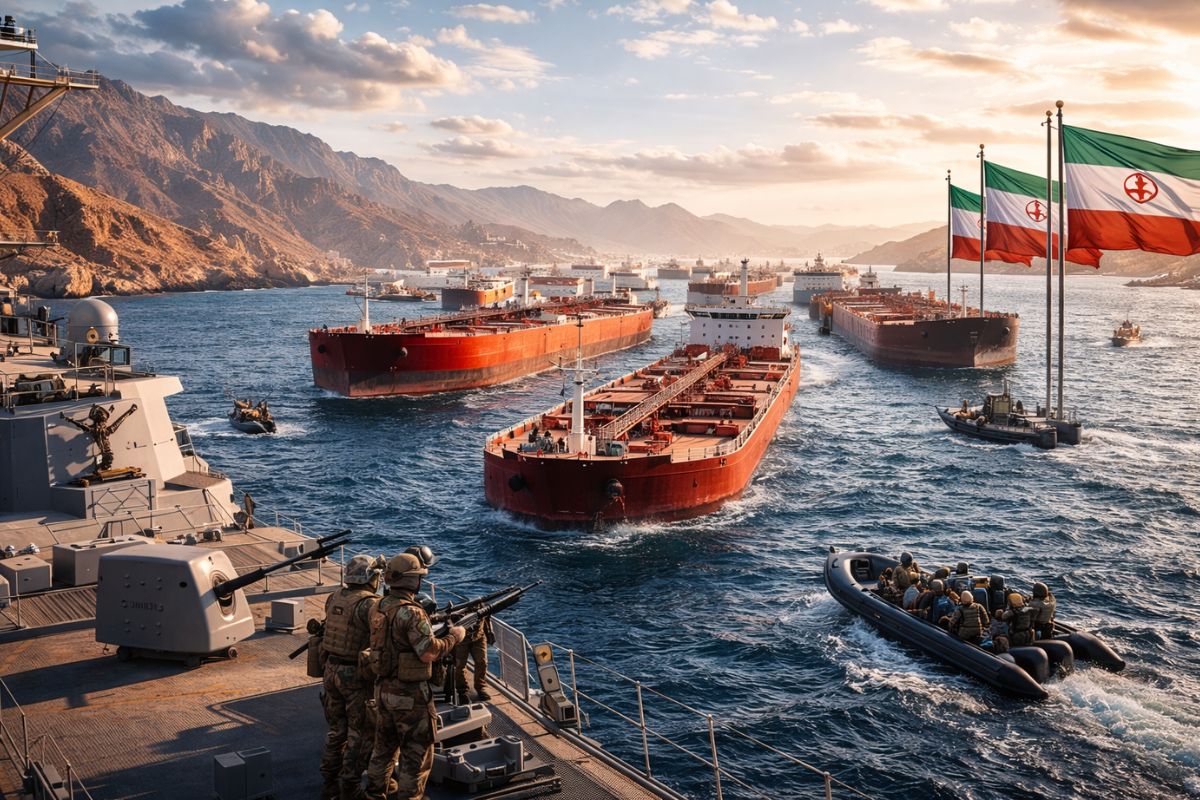
Trump Announces Bombing of U.S. Military Targets on Iranian Island Responsible for About 90% of Iran’s Oil Exports, Warns of Further Attacks if Navigation in Strategic Strait of Hormuz Is Threatened

Historically, tariffs imposed by Brazil on imported products are viewed as a way to protect the domestic industry.
Trump, however, made it clear that he wants to retaliate against any country that taxes the United States, including Brazil. This “eye for an eye” policy had been implemented during his first term and promises to return with full force in his new administration.
The Impact of Tariffs on Brazil by Donald Trump
Trump argued that increasing tariffs does not produce negative impacts, such as inflation or price increases, citing examples from his first term. He reinforced that tariffs are a way to strengthen the American economy and encourage domestic production.
If the new tariffs are implemented, Brazilian exports could be directly affected. Products such as steel, aluminum, meat, and soy, which have a strong market in the United States, could become less competitive due to increased costs.
Brazil, in turn, may seek to diversify its trade partners, strengthening relationships with other powers such as China and the European Union, to minimize the impacts of a possible trade war with the United States.
Friendship and Tension in the Relationship with China
Interestingly, while he toughened his tone with countries like Brazil, Donald Trump adopted a softer rhetoric towards China. He praised Chinese leader Xi Jinping and highlighted the importance of the relationship between the two countries. “China and the U.S. can solve all the world’s problems,” said Trump, emphasizing the need for cooperation.
This contrast between his posture toward Brazil and China raises questions about the strategic priorities of the new administration. While seeking to maintain a friendly relationship with Beijing, Trump seems inclined to pressure countries like Brazil in trade negotiations.
Investments and Energy in the United States
Trump also took the opportunity during the press conference to highlight his economic plans, including a billion-dollar investment from SoftBank in the United States. According to him, the Japanese group will allocate US$ 100 billion to the country over the next four years, focusing on artificial intelligence and innovative industries. To attract more investors, Trump promised to streamline federal licenses, including environmental ones, for projects that exceed the mark of US$ 1 billion.
The Republican also advocated for an increase in hydrocarbon exploration, reinforcing that the United States has sufficient energy resources to reduce the dependence on imports from countries like Venezuela.
And the War in Ukraine?
Another point addressed by Trump was the war between Russia and Ukraine. He acknowledged that the conflict is a complex issue and more difficult to resolve than the conflicts in the Middle East. Despite this, Trump promised to talk to Vladimir Putin and Volodymyr Zelensky to seek a peaceful solution.
This statement reflects Trump’s direct diplomatic style but also highlights the challenges he will face when attempting to mediate global conflicts while implementing protectionist policies at home.
What to Expect from Trump’s New Term?
Trump’s stance towards Brazil and other countries demonstrates that protectionism will be a hallmark of his administration. The proposal for new tariffs reflects an effort to strengthen the American economy, but it also carries risks of trade tensions and negative impacts on partners like Brazil.
However, the announcement of massive investments and the focus on technological innovation show that Trump is also keeping an eye on the future, seeking to balance protectionism with measures that attract foreign capital.
Brazil, for its part, will have to deal with these diplomatic and trade challenges, seeking strategies to maintain the competitiveness of its products and diversify markets. Meanwhile, the world will be watching the developments of American trade policy and the impact it will have on the global landscape.
The phrase “whoever taxes us, we will tax back” makes it clear that the game of international trade will be intense in the coming years. It remains to be seen how Brazil and other countries will respond to the strategies of the President of the United States, Donald Trump.









-

-

2 pessoas reagiram a isso.