





 Portuguese
  English
  Spanish
  3 min of reading
  0 comments


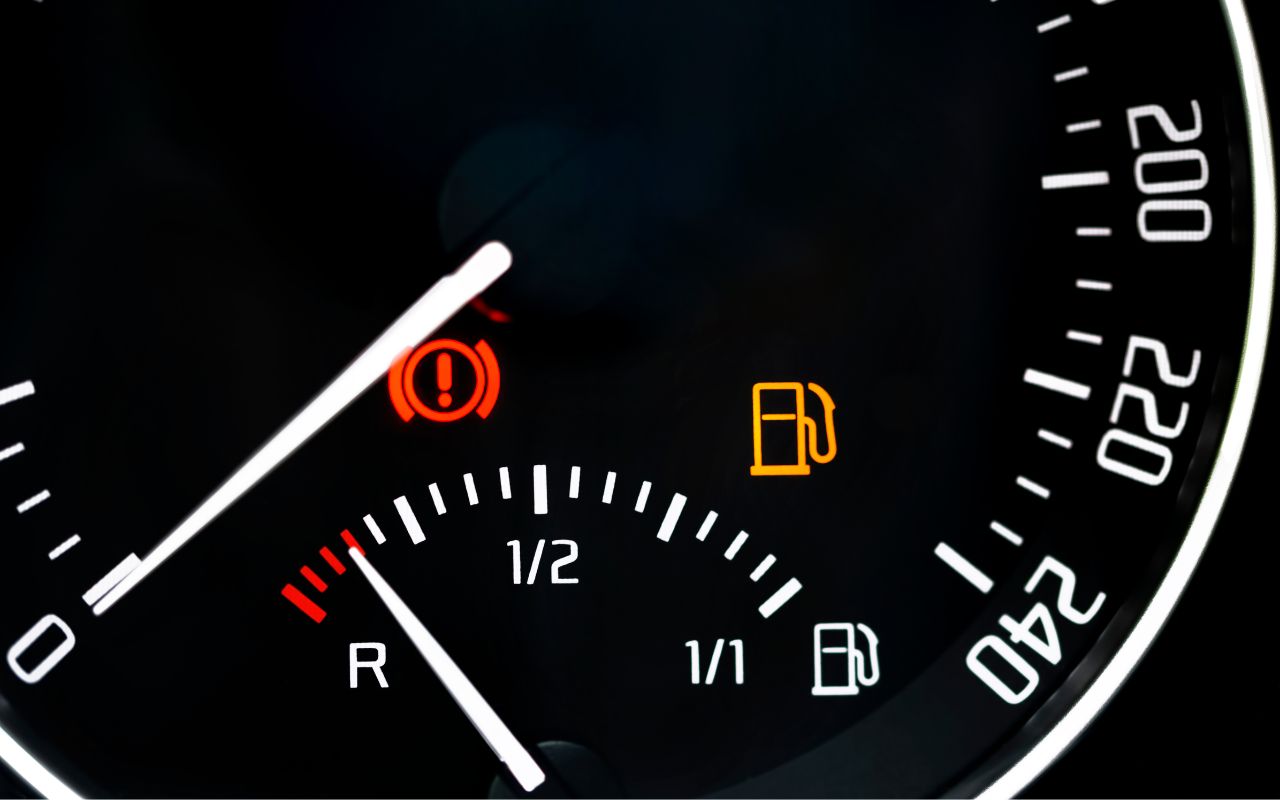
Driving With the Car on Empty Can Be Expensive. See What Happens, The Estimated Range After The Alert, and The Damages That The Habit Can Cause.
The car dashboard gathers several important alerts, but few catch the attention like the fuel gauge. This indicator directly tracks the vehicle’s range and influences the driver’s routine decisions.
When the tank is full, driving is smooth. With half a tank, there’s still a comfortable margin for daily commitments. However, one moment of inattention can quickly change that reality.
The Empty Indicator Does Not Mean The Same Thing In All Cars
There is no universal answer regarding how many kilometers the car can travel after reaching empty. The range depends on variables such as model, fuel efficiency, speed, and road conditions.
-
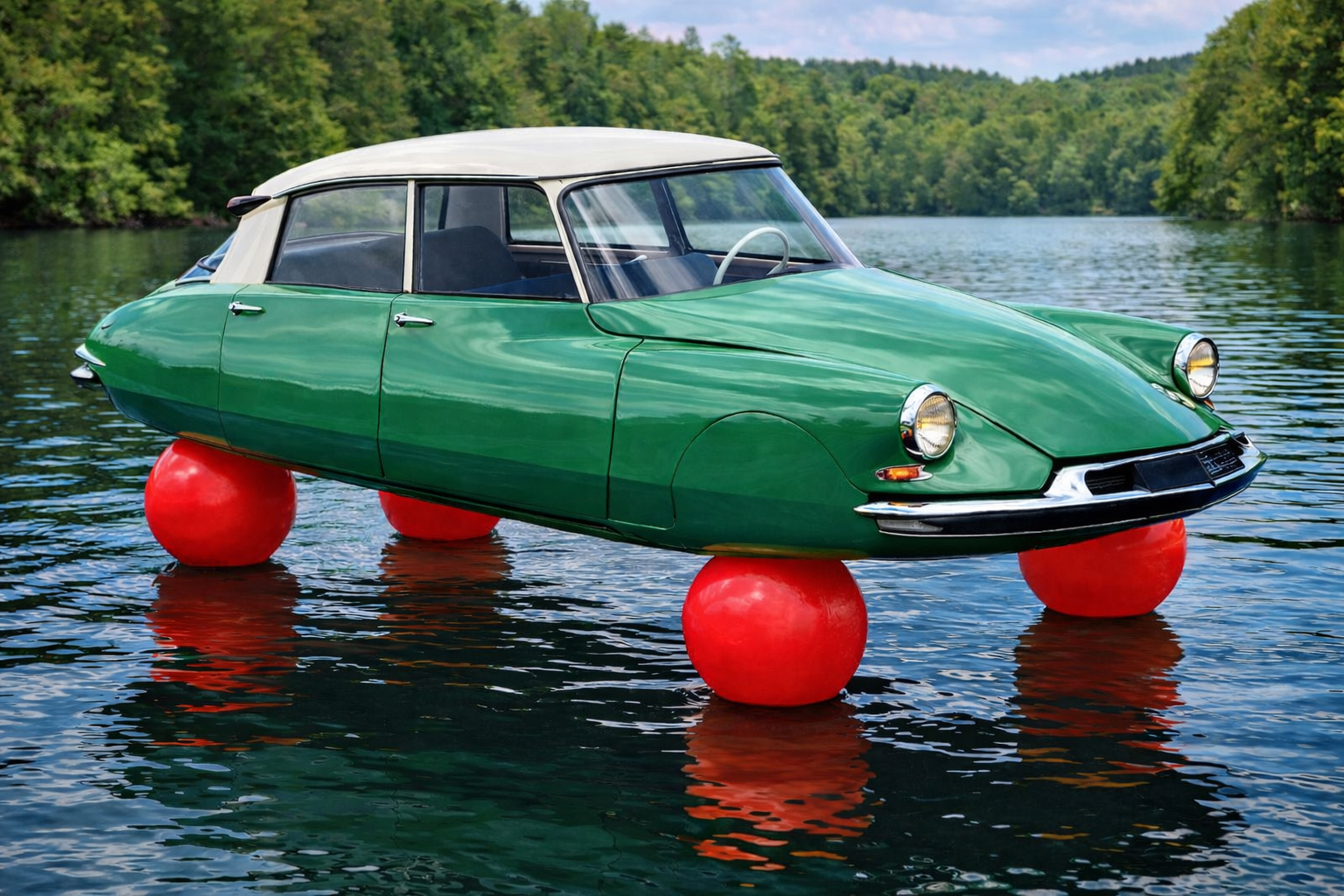
A French brand placed a car on four huge red balloons to prove that its suspension made the vehicle “float,” and the surreal scene became one of the most iconic and unusual images in automotive history.
-
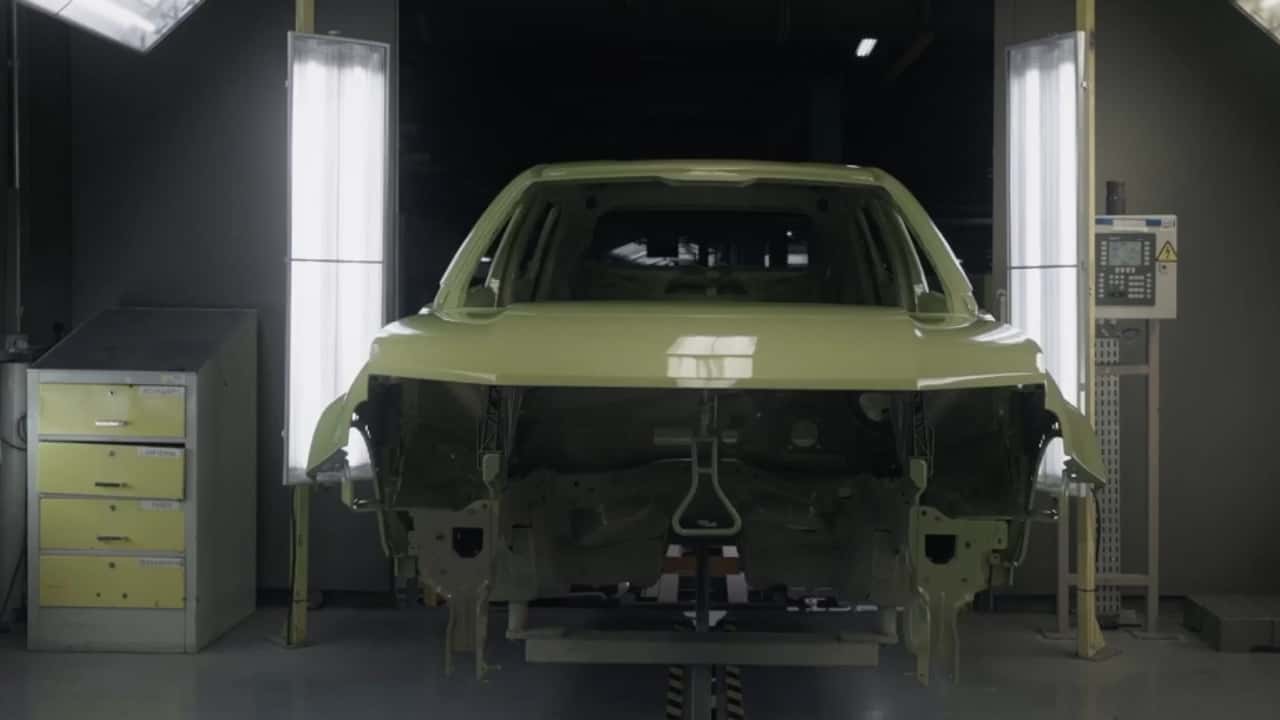
Jeep Avenger begins production in Brazil, debuting as the brand’s new entry-level SUV and inaugurating an unprecedented phase by becoming the first national Jeep manufactured outside of Goiana, as part of a R$ 3 billion plan.
-
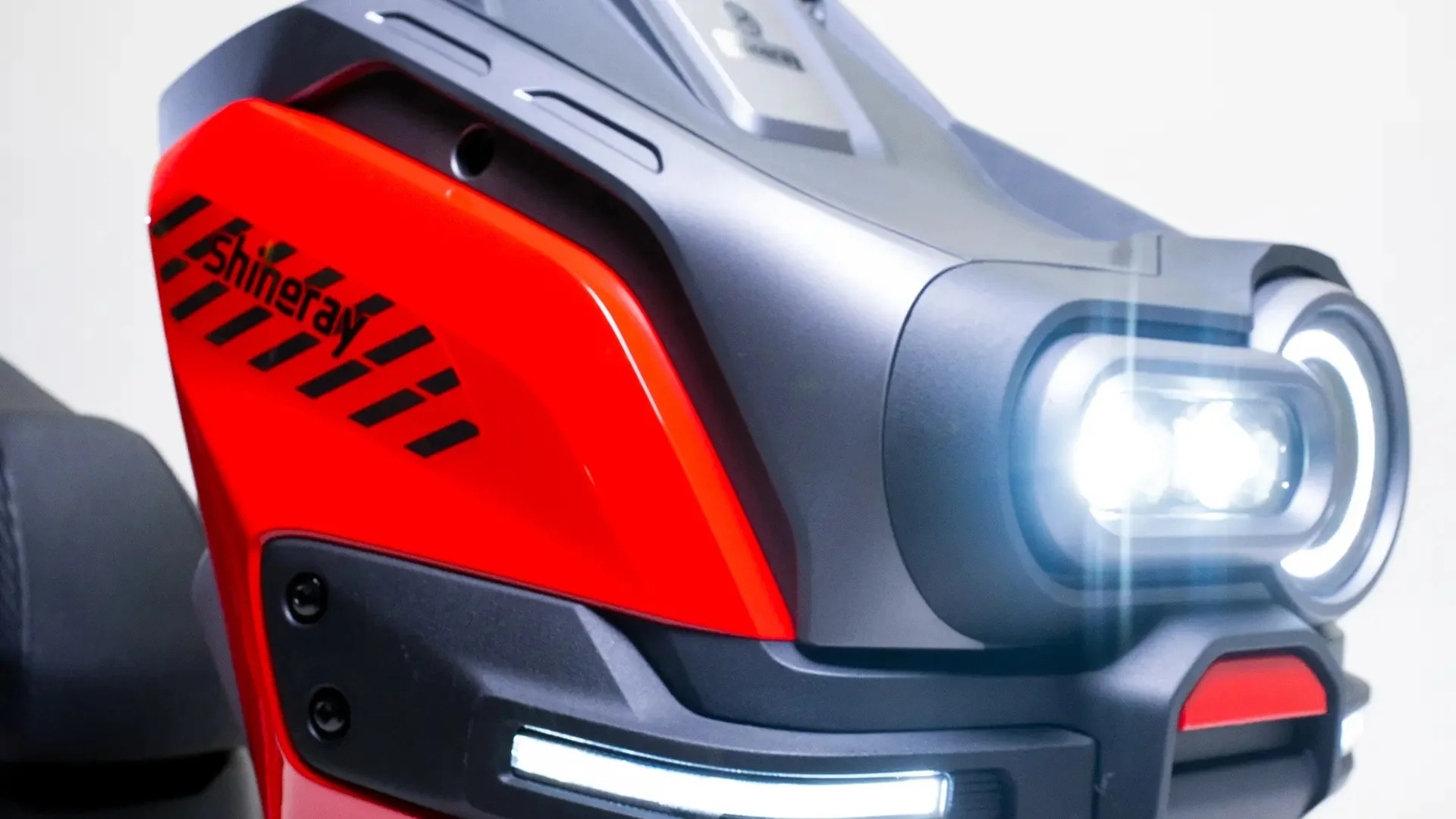
Costing R$ 12,490, the new Shineray Urban Lite 150 “cheap one” arrives in Brazil with a CVT transmission, digital dashboard, and LED lights, making it more affordable than the Biz and targeting those who want to abandon the bus.
-
Ducati brings to Brazil the Superleggera V4 Centenario: 228 hp that become 247 with a track kit, carbon fiber and carbon-ceramic brakes, estimated price between R$ 1.5 and 2 million, deliveries only in 2027.

Generally, the alert appears when there are about 10% to 15% of the tank’s capacity left. This volume can represent between one and four gallons of fuel.
In practice, this translates to something between 32 km and 48 km. In larger vehicles, the distance can approach 80 km. Still, these numbers are just estimates.
Driving behavior directly influences consumption. A smoother driving style allows the car to make better use of the fuel available in the reserve.
High speeds and sudden accelerations, on the other hand, increase fuel consumption. Consequently, the range decreases rapidly.
Another relevant factor involves the use of accessories. Systems like air conditioning require more energy, raising consumption in critical moments.
Driving With Low Fuel Can Cause Damage
Although the margin may seem reasonable, ignoring the alert can lead to mechanical damage. The fuel pump is one of the most sensitive components in this situation.
This part relies on fuel for cooling and lubrication. When the fuel level is too low, the system can overheat, reducing its lifespan.
Additionally, debris accumulated at the bottom of the tank poses another risk.
With low fuel, these impurities can be sucked in, affecting filters and the injection system.
Running Out Of Fuel Causes Inconvenience And Fines
Running out of fuel is not just an inconvenience. The phenomenon known as “running out of gas” is considered a traffic violation.
Currently, the penalty includes a fine of R$ 130.16 and four points on the National Driver’s License (CNH). Therefore, the impact goes beyond just a scare.
Leaving the car parked for weeks with low fuel is also not advisable. Low levels encourage moisture formation inside the tank.
This process can compromise the fuel system. Keeping the tank filled reduces evaporation, oxidation, and the formation of harmful residues.
With less space for air, the fuel maintains its properties better over time.
Empty Tank Is An Emergency Resource
The reserve was created as a safety margin, not as a regular practice. Occasionally entering this condition does not cause immediate damage.
However, repeating this behavior frequently increases mechanical and operational risks.
When noticing the alert, the recommendation is clear: refuel as soon as possible.
If there is no gas station nearby, adopting an economical driving style can help. Reducing speed and avoiding unnecessary accelerations extends the range.
Creating the habit of refueling before the level reaches the reserve is the most effective way to avoid problems. Keeping the tank above a quarter of its capacity provides greater peace of mind.
Moreover, it protects important components of the car and reduces the chance of unforeseen events.
With information from Mega Curioso








-

-

2 pessoas reagiram a isso.