





 Portuguese
  English
  Spanish
  4 min of reading
  1 comment


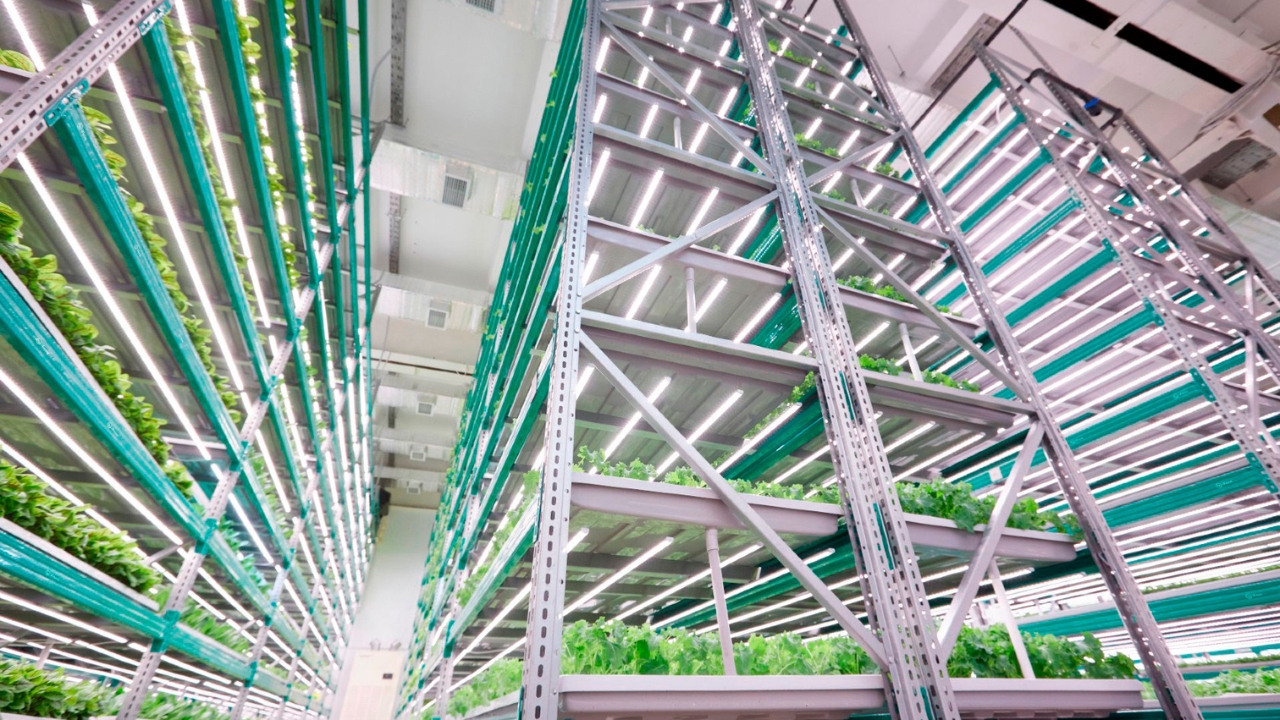


In The Heart Of The Desert, Dubai Builds The Largest Vertical Farm In The World, Capable Of Producing Millions Of Pounds Of Food Per Year With Hydroponic Systems, LED Lights, And Artificial Intelligence That Saves 95% Of Water
In one of the driest places on the planet, where temperatures easily exceed 50 °C, a metal structure illuminated by LED lights defies logic: the largest vertical farm in the world. Located in Dubai, United Arab Emirates, it promises to produce tons of food with 95% less water than traditional agriculture, according to data released by the website Interesting Engineering.
Layered Agriculture: The UAE’s Bet
Conventional agriculture has always been a challenge for the United Arab Emirates. Only 0.5% of the territory is arable, and the country has historically relied on imports of fruits, vegetables, and grains. To reverse this dependence and ensure national food security, the government has invested in controlled environment agriculture (CEA) technologies and structures known as vertical farms.
These farms utilize hydroponic and aeroponic systems that do not require soil, feeding the plants with nutrient solutions recycled in a closed loop. This way, water consumption is drastically reduced, while productivity increases by up to 300% per square meter. According to the Scottish company Intelligent Growth Solutions (IGS), which partnered with ReFarm Global to build a unit of 83,000 m² in Dubai, the annual production could exceed 3 million pounds of fresh food, enough to supply 20,000 people per year (Impact Alpha).
-
Son of a seamstress from the rural area of Ceará who did not speak English wins a scholarship of over 2 million reais at Williams College, one of the top 10 universities in the United States, covering everything including dormitory, meals, and annual trips to Brazil.

-
Bill Gates revealed that the true secret behind every great achievement is not a brilliant leap but rather small improvements repeated over the years, and the data from his own career and the fight against climate change prove that he is right.

-
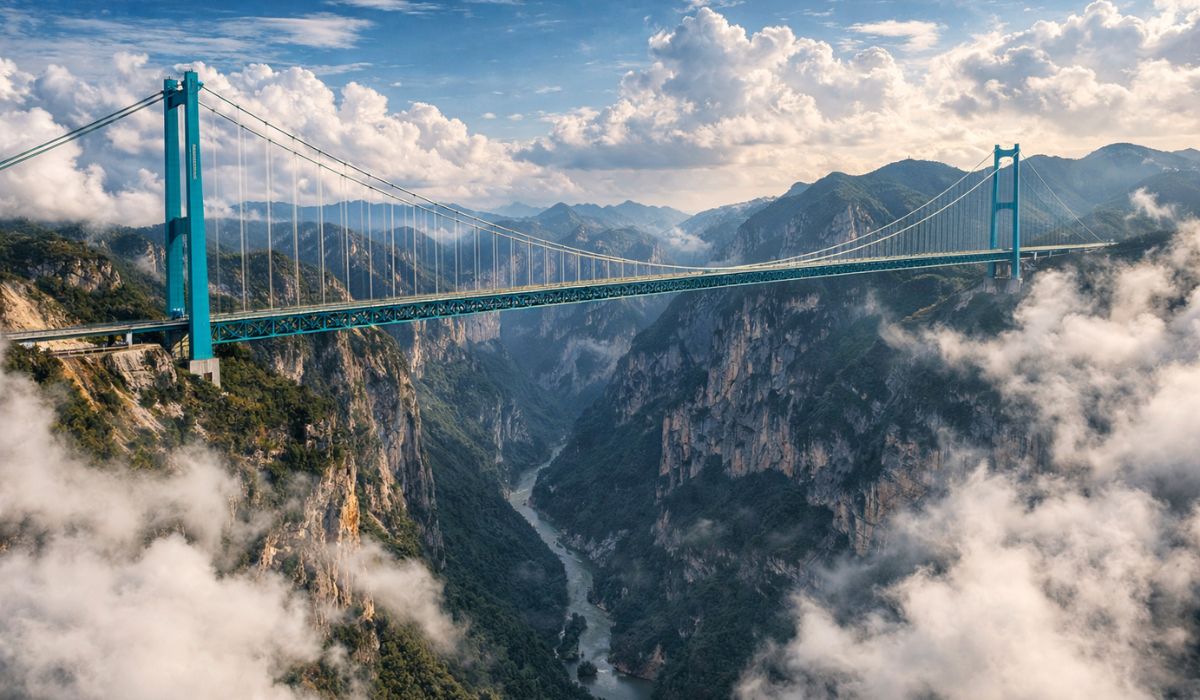
With 22 thousand tons of steel, a height nearly three times greater than the Eiffel Tower, and a cost of R$ 1.6 billion, China is building the highest bridge on the planet over a colossal canyon, reducing a crossing time of over 2 hours to just over 2 minutes.
-
With more than 635,000 doctors, Brazil sees competition increasing in large cities, and recent graduates are competing for shifts at an accelerated pace while the countryside still faces shortages.


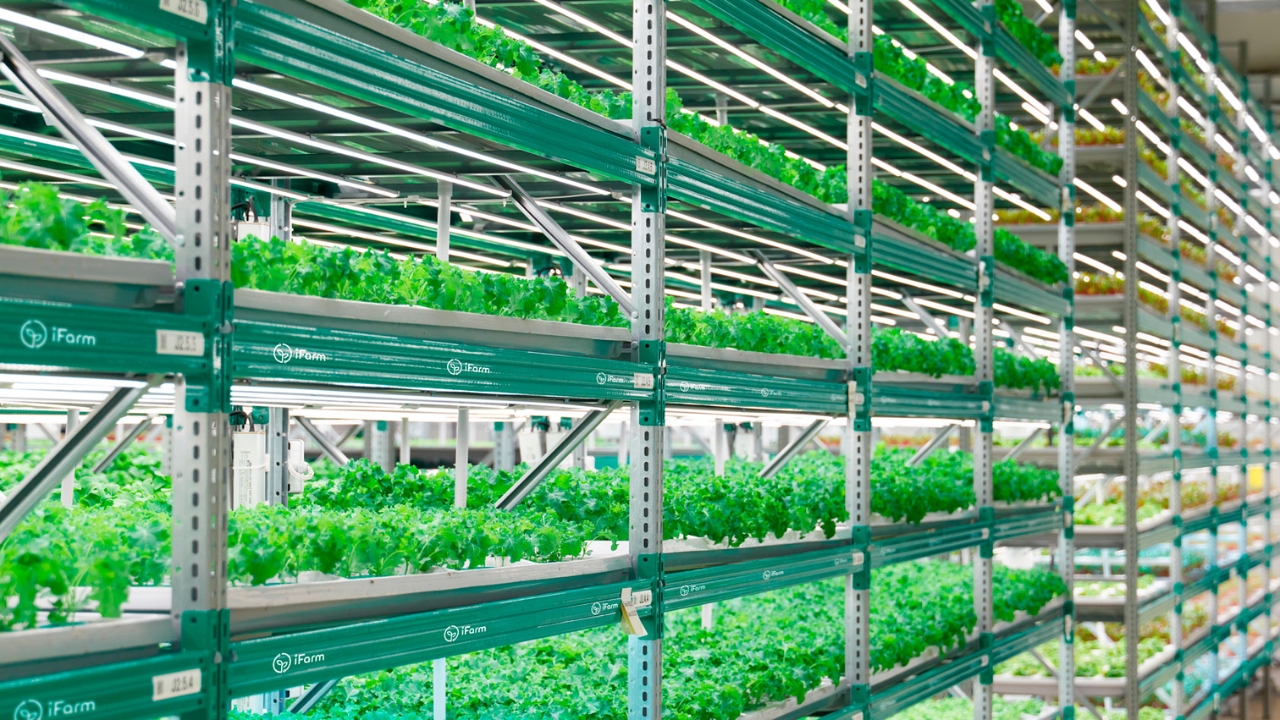
Sustainable Production In The Heart Of The Desert
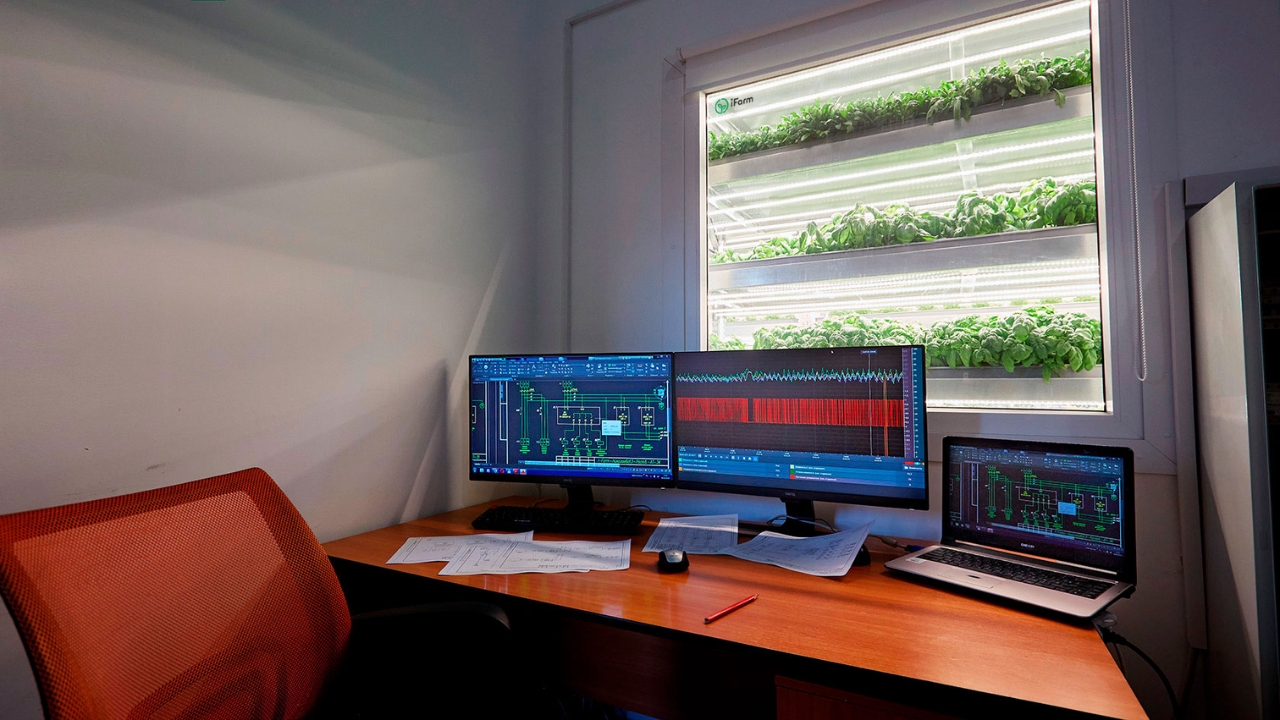
The facilities combine optimized spectrum LED lights, humidity and temperature sensors, agricultural robotics, and water recirculation systems. Everything is monitored in real-time by artificial intelligence, which automatically adjusts the light and nutrients according to the growth stage of each plant.
The Bustanica farm, inaugurated in partnership with Emirates Flight Catering, is one of the most well-known examples. The complex produces daily over a ton of leafy greens — lettuce, spinach, arugula, and cilantro — used on Emirates Airlines flights and sold in local supermarkets. The entire process takes place in a closed environment, without pesticides and without the need for traditional irrigation, which eliminates the waste of up to 250 million liters of water per year, according to data from the company itself.
Another highlight is the farm of the company Sokovo, located in Dubai Industrial City, with a capacity of 360 tons per year of microgreens and vegetables. The venture is part of the national strategy for food self-sufficiency, aiming to reduce vegetable imports by up to 50% by 2030 (Dubai Industrial City).
How Technology Transforms The Impossible Into Routine
The basis of the entire system is hydroponics, a method where the plant roots are suspended in nutrient-rich liquid solutions. In aeroponics, the roots receive mists of water and nutrients directly, without any substrate. This technique maximizes oxygenation and accelerates growth, allowing for harvesting of higher quality products in short cycles — sometimes in less than 30 days.
Each vertical module is controlled by IoT (Internet of Things) sensors that collect data on brightness, pH, temperature, and CO₂. This information feeds algorithms that automatically adjust parameters, ensuring consistency and constant productivity. Additionally, some of the energy used comes from solar panels installed on the roofs of the facilities, which reduces the carbon footprint of the system.
Benefits And Challenges Of The Dubai Model
The success of vertical farms in the UAE is not just about water efficiency. They bring a series of advantages that are transforming the way the country handles food supply:
- Year-Round Local Production: without relying on seasonal changes, the country can harvest fresh food even under extreme temperatures.
- Reduction In Imports: the goal is to replace part of the imported food, reducing logistics costs and carbon emissions.
- Less Waste And Greater Traceability: products are grown near consumers and reach shelves in just a few hours.
- Less Use Of Pesticides: controlled environments virtually eliminate pests, eliminating the need for chemical pesticides.
However, the model also faces challenges. The high initial cost of the facilities, the energy consumption, and the economic viability still limit large-scale expansion. According to the platform iGrow News, maintaining climate-controlled chambers in the desert requires powerful cooling systems, which increases energy expenditure. Moreover, production is still concentrated on leafy greens and herbs, fast-growing crops, while fruits and grains remain beyond the current technological reach.
The Future Of Agriculture In Extreme Environments
Despite the challenges, the advancement of vertical farms represents a milestone for arid and urbanized regions. The Atlantic Council points out that this technology will become a pillar of food security for Gulf countries, reducing vulnerabilities to global crises and strengthening resilience against climate change.
If the Dubai model thrives, it could be replicated in other parts of the world where arable land is scarce — such as North Africa, Chile, the semi-arid northeast of Brazil, and drought-affected areas of California. The desert, once a symbol of infertility, could become the new agricultural laboratory of the future.







I love the practical tips in this post. Can you recommend further reading?