





 Portuguese
  English
  Spanish
 6 min of reading
  0 comments


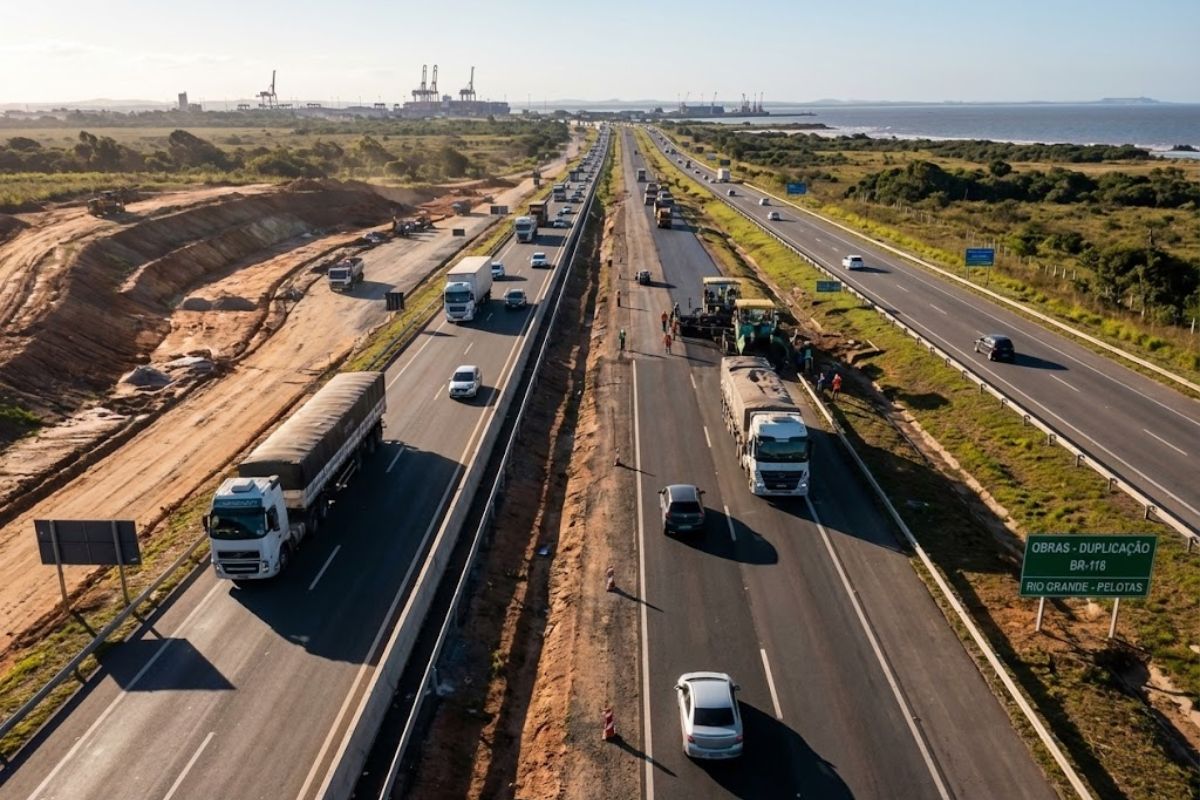
With 85.2 Percent Completion, The Duplication of BR-116 Between Guaíba and Pelotas Advances With Viaducts, Bridges, Side Streets, and Walkways, Promising to Reduce Serious Accidents, Eliminate Dangerous Overtaking, and Ensure Faster Freight Flow Toward The Ports of Rio Grande and Pelotas by 2026 in Southern Rio Grande do Sul
Announced by DNIT with 85.2 percent of the works completed, the duplication of BR-116 in the stretch between Guaíba and Pelotas, in BR-116 RS, has already delivered about 180 of the 211.2 kilometers planned, changing the profile of one of the main road axes in Rio Grande do Sul. The increase in capacity and the separation of flows are starting to change the routine of those who depend daily on the highway, especially long-haul truck drivers and workers commuting between neighboring municipalities.
With total completion estimated between 2026 and 2027 within the New PAC, the dual carriageway is expected to establish a continuous logistics corridor for trucks between the Porto Alegre Metropolitan Region and the ports of Rio Grande and Pelotas, reducing head-on collisions and deadly overtaking in previously critical stretches. The federal government expects that the duplication of BR-116 will definitively transform the Guaíba–Pelotas axis into the main road corridor of southern Rio Grande do Sul, ensuring more regularity in freight operations and greater safety for urban and intermunicipal users.
The Duplication Work of BR-116 Enters The Final Stretch in Rio Grande do Sul

Responsible for connecting the Porto Alegre Metropolitan Region to southern Rio Grande do Sul, the duplication of BR-116 in Rio Grande do Sul has already reached 85.2 percent physical completion, according to DNIT.
-
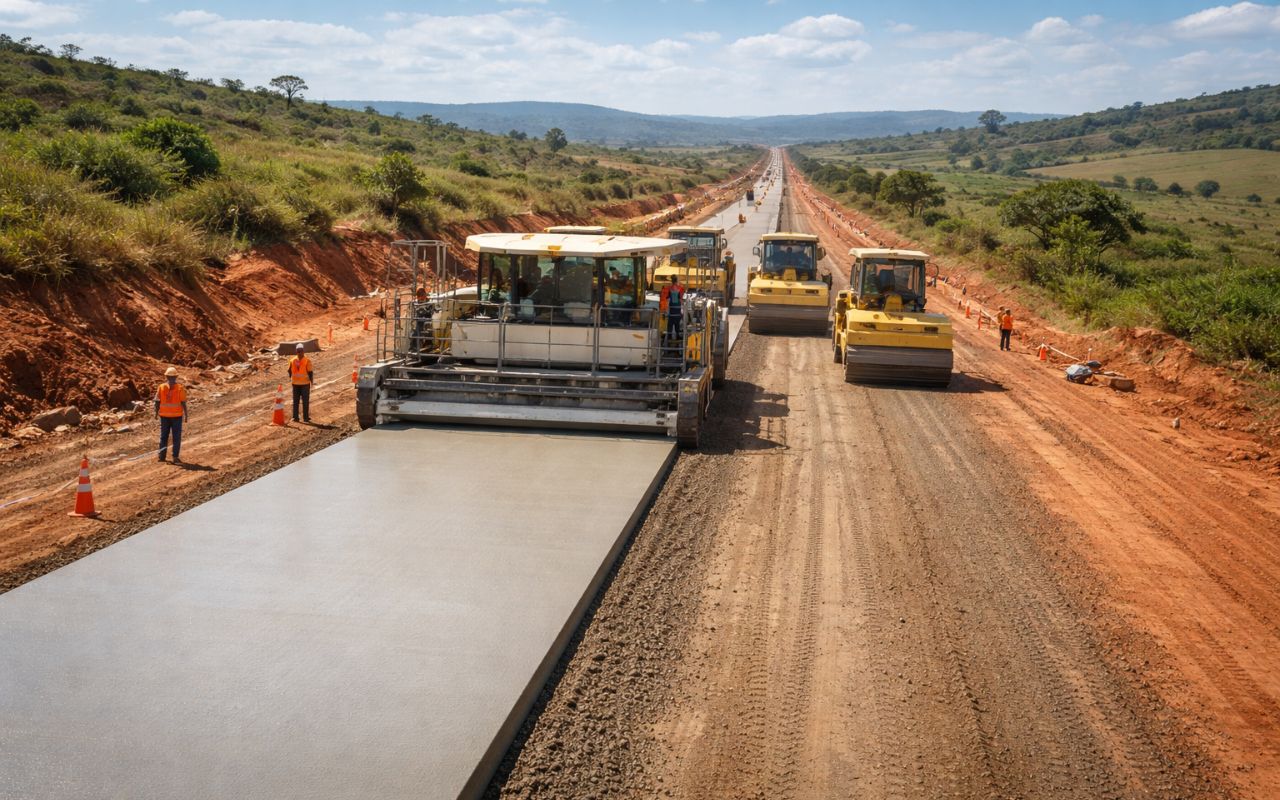
New CCR concrete paving technology promises roads up to 3x more durable, less maintenance, and cost reduction in Brazil.
-
Made from recycled plastic, plastic wood is gaining space in the construction industry because it does not rot, resists moisture, and reduces maintenance costs over the years.

-
Florianópolis will receive a million-dollar BRT that will begin construction in 2026 with nearly 400 million in funding from the federal government and the Inter-American Development Bank, and the map already shows the routes for the exclusive bus corridors.

-
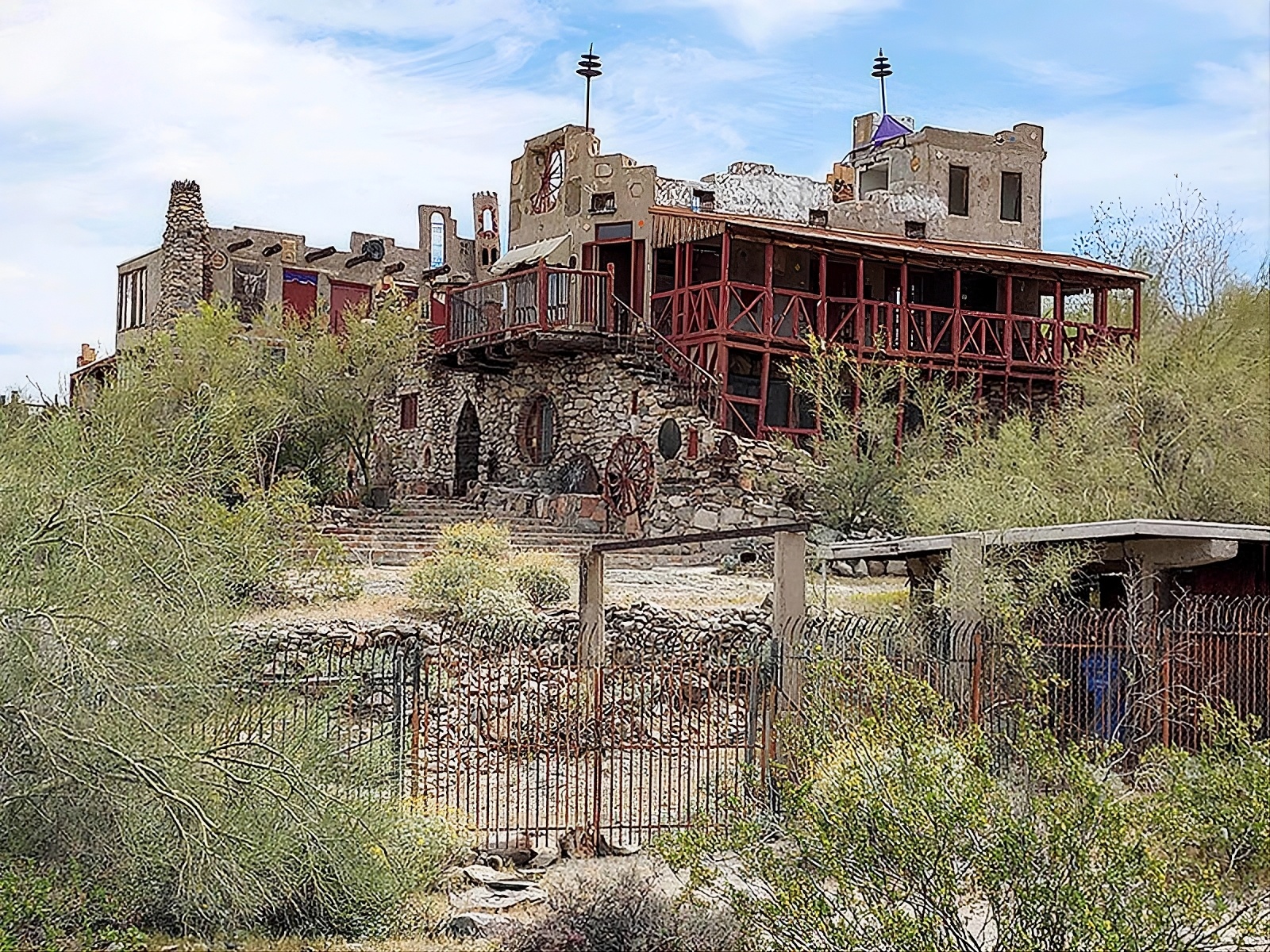
Without a blueprint, without an engineer, and using scrap from the dump, a father spends 15 years building an 18-room castle for his daughter, featuring tram tracks, 13 fireplaces, and over 700 m², which may now be demolished.

Of the total 211.2 kilometers planned between Guaíba and Pelotas, approximately 180 kilometers of duplicated lanes are already open to traffic, while just over 31 kilometers are still under construction, concentrated in urban areas and those of greater technical complexity.
Included in the New PAC as a strategic axis, BR-116 RS will progressively operate as a high-capacity logistics corridor for trucks serving the ports of Rio Grande and Pelotas and supplying cities along the route.
The duplication of BR-116 also reorganizes local access points, with devices designed to reduce conflicts between through traffic and urban circulation.
Logistics Corridor Between Guaíba and Pelotas Reinforces Connection With The Ports of Rio Grande and Pelotas
The project to duplicate BR-116 RS is part of a package of works financed by the New PAC aimed at transforming the stretch into a permanent logistics corridor for freight flow.
According to DNIT, about 3,800 cargo trucks and more than 2,200 passenger vehicles use this segment daily, connecting production centers from the interior to the ports of Rio Grande and Pelotas.
With additional lanes, marginal roads, new operational returns, and access devices, the duplication of BR-116 reorganizes heavy flow and reduces conflicts with local traffic.
The new configuration shortens travel time to the ports of Rio Grande and Pelotas, increases the predictability of boarding windows, and forms a more stable logistics corridor for export contracts and cold chain of perishable goods.
Camaquã and Cristal Concentrate Work Fronts on Viaducts, Bridges, and Side Streets
At the level of Camaquã, the duplication of BR-116 advances with the construction of viaducts at the main urban access points, located approximately at kilometers 397.9 and 400.7, in addition to the second phase of an underpass at kilometer 399.7.
This structure will connect Banhado do Colégio to the Getúlio Vargas neighborhood more safely, eliminating at-grade crossings and reducing risk situations for drivers and pedestrians.
Two bridges already completed, over the streams Duro and Passinho, enhance the flow of truck traffic and reduce bottlenecks caused by temporary interventions.
In Cristal, between kilometers 422.4 and 427, teams are working on side streets that will absorb local traffic and feed access to the new bridge over the Rio Camaquã, nearly finished and vital for regional traffic.
The duplication of BR-116 in these urban stretches is considered crucial to reduce historically congested points and accidents.
São Lourenço do Sul, Turuçu, and Pelotas Receive Pavement and Drainage Enhancements
Between kilometers 455 and 456.1, in the municipality of São Lourenço do Sul, teams are working on base reinforcement and adaptation of the duplicated lanes, preparing the pavement for the intense flow of trucks using the duplication of BR-116 toward the port terminals.
The goal is to ensure that the new lane can support increasing volumes of cargo without rapid loss of structural performance.
In Turuçu, between kilometers 487.6 and 488.4, and in Pelotas, between kilometers 509.4 and 511.1, work focuses on pavement and drainage systems, essential for preventing water accumulation, reducing aquaplaning, and maintaining the highway’s operational conditions even during heavy rain periods.
The standardization of BR-116 RS into a dual carriageway, with special art works, marginal roads, and better-distributed returns, is central to consolidating the logistics corridor that will sustain the growth of freight transport to the ports of Rio Grande and Pelotas in the coming years.
Economic Impacts of The Duplication of BR-116 for Southern Rio Grande do Sul
The duplication of BR-116 is pointed out by the federal government and logistics experts as one of the most relevant projects for the flow of agricultural and industrial production from the southern half of the state.
By reducing travel time and increasing the capacity of BR-116 RS, the logistics corridor between Guaíba and Pelotas is likely to lower freight costs, enhance the competitiveness of grains, meats, and manufactured products, and facilitate access to external markets through the ports of Rio Grande and Pelotas.
The work directly benefits 12 municipalities in Rio Grande do Sul along the route, improving access to services, urban centers, and industrial areas and encouraging new private investments that depend on reliable road infrastructure.
For exporting companies, the duplication of BR-116 reduces uncertainties related to delays due to congestion and accidents, reinforcing the role of BR-116 RS as a central logistics corridor of the New PAC in southern Brazil.
Road Safety and Reduction of Deadly Overtaking Along BR-116
Historically marked by high rates of serious accidents and head-on collisions on a single lane, BR-116 RS is undergoing a structural reconfiguration aimed at eliminating deadly overtaking in critical stretches.
The duplication of BR-116, combined with the construction of side streets, viaducts, pedestrian walkways, and more organized returns, separates through traffic from urban and rural transit, reducing direct conflicts between heavy trucks, cars, and smaller vehicles.
With marginal roads and underpasses in urbanized areas, residents of cities crossed by the highway gain more predictable access to schools, health services, and commercial areas, which decreases their daily exposure to dangerous maneuvers.
The expectation is that the dual carriageway, combined with safety devices, will consistently reduce the number of fatal accidents and head-on collisions along the logistics corridor between Guaíba, Rio Grande, and Pelotas.
What Is Still Needed To Complete The Duplication of BR-116 by 2026
Despite the 85.2 percent progress, the duplication of BR-116 still depends on the completion of approximately 31 kilometers in specific stretches, especially in urban areas that require expropriations, special art works, and rearrangement of service networks.
In these fronts, DNIT is focusing efforts on releasing new segments in sequence, maintaining the operation of existing lanes and minimizing impacts for users.
The overall schedule worked by DNIT points to the delivery of the majority of work fronts by 2026, with eventual final adjustments extending to 2027, keeping BR-116 RS operating as a structuring logistics corridor of the New PAC and definitive link between Porto Alegre and the ports of Rio Grande and Pelotas.
The complete conclusion of the duplication of BR-116 is expected to consolidate the truck corridor to the maritime terminals in the region and redefine the circulation pattern in southern Rio Grande do Sul.
Do you believe that the duplication of BR-116 will meet the schedule and really transform this stretch into a safer logistics corridor by 2026 in the connection with the ports of Rio Grande and Pelotas?









-

-

-

7 pessoas reagiram a isso.