





 Portuguese
  English
  Spanish
 5 min of reading
  0 comments


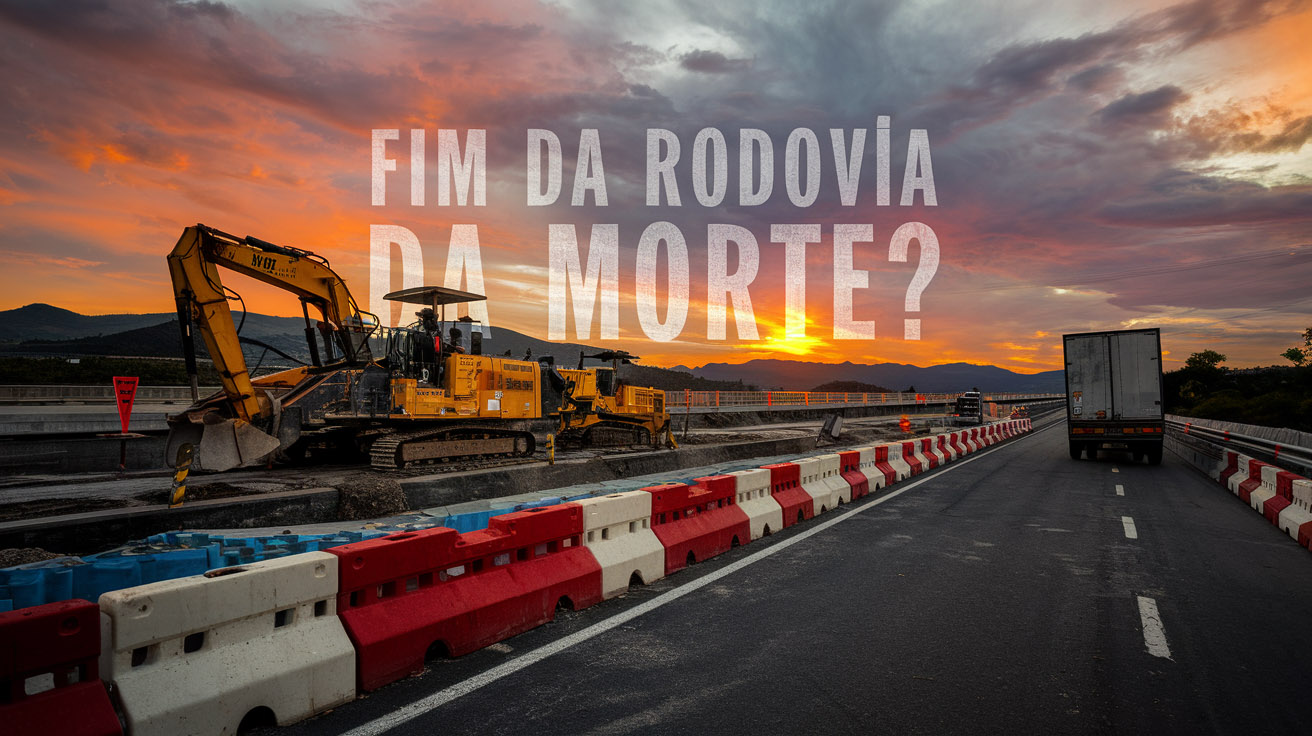
BR-381, Known As “The Highway of Death”, Will Go Through A Revolution. Duplication Works Promise To Save Lives, Generate Jobs And Impact The Regional Economy. With A Billion-Dollar Investment And New Safety Solutions, The Corridor May Become A Landmark. Will This Promise Be Fulfilled?
The impact of a billion-dollar investment is about to change the history of one of the most feared highways in Brazil.
BR-381, which connects Belo Horizonte to Governador Valadares, has been the scene of thousands of accidents, deaths, and logistical challenges that have affected drivers, companies, and the regional economy for decades.
Now, a historic concession promises to turn this dark page and transform the corridor into an example of efficiency and safety.
-
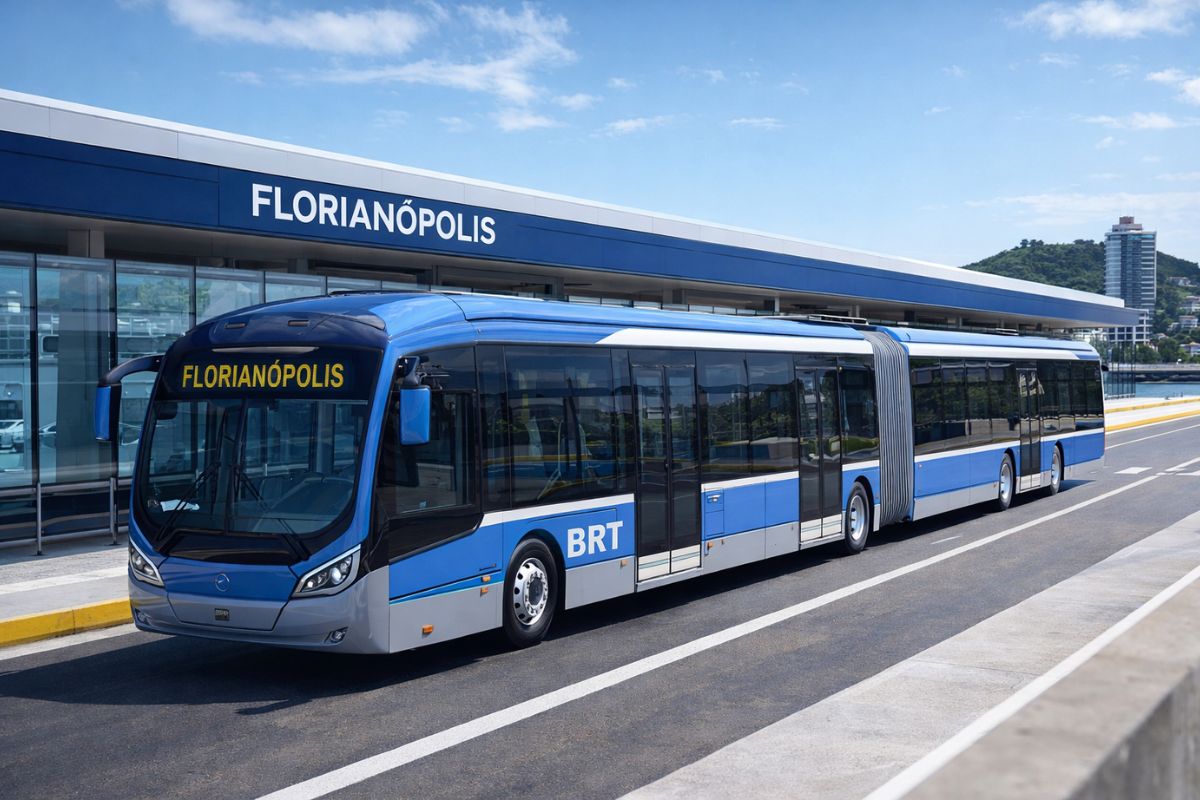
Florianópolis will receive a million-dollar BRT that will begin construction in 2026 with nearly 400 million in funding from the federal government and the Inter-American Development Bank, and the map already shows the routes for the exclusive bus corridors.
-
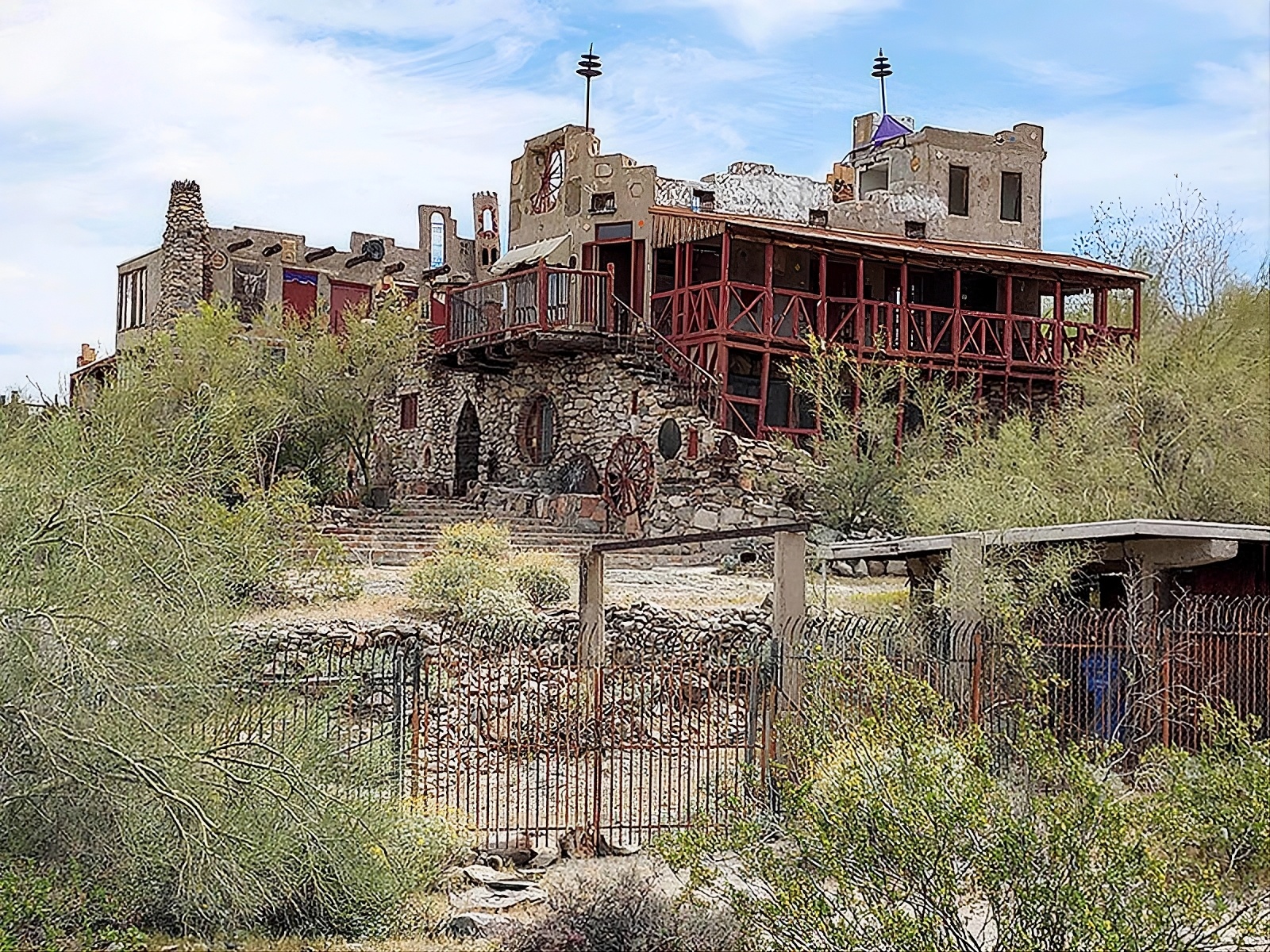
Without a blueprint, without an engineer, and using scrap from the dump, a father spends 15 years building an 18-room castle for his daughter, featuring tram tracks, 13 fireplaces, and over 700 m², which may now be demolished.
-
Larger than entire cities in Brazil: BYD is building a 4.6 km² complex in Bahia with a capacity for 600,000 vehicles per year, but the discovery of 163 workers in conditions analogous to slavery has shaken the entire project.

-
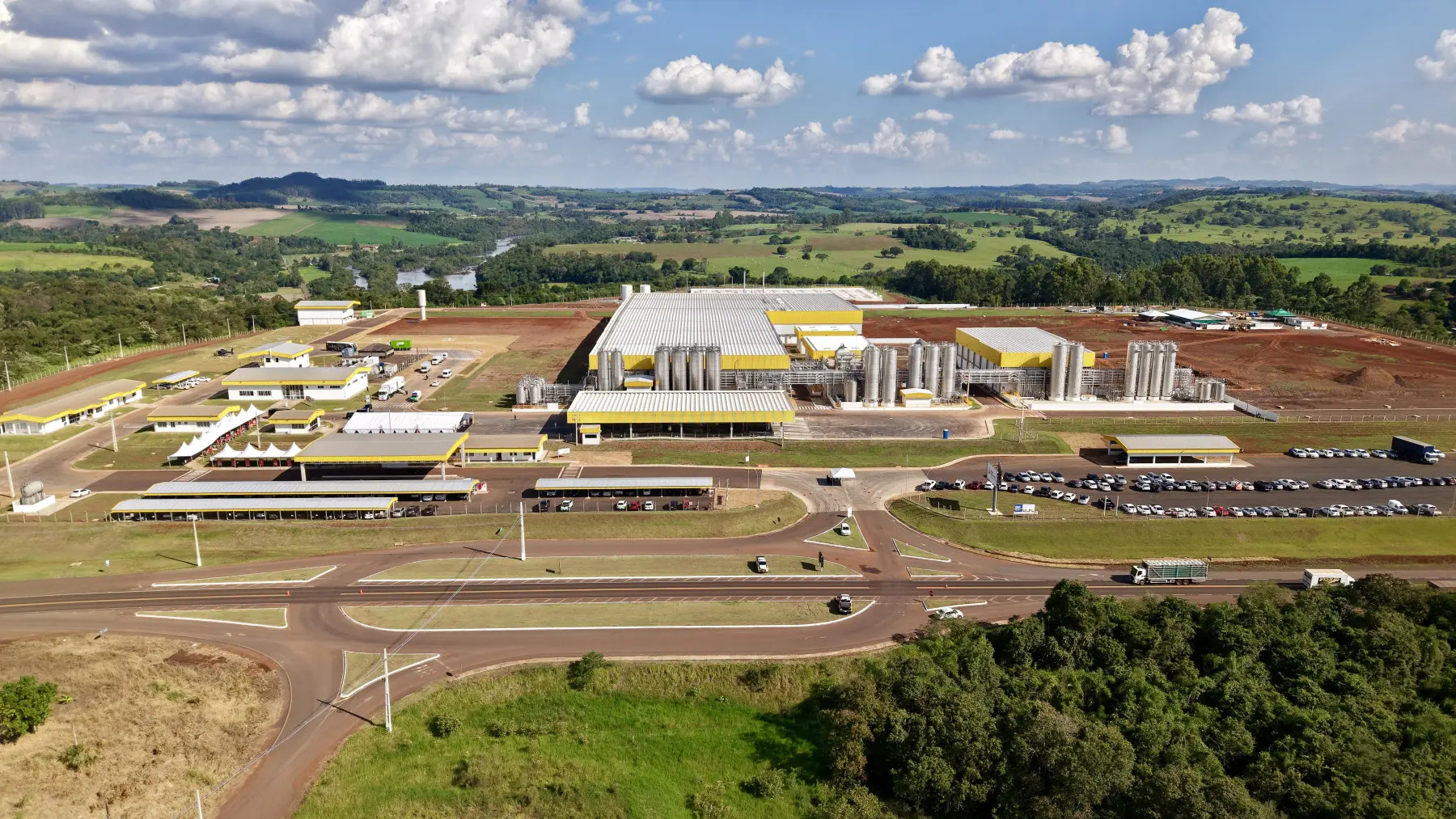
With an investment of R$ 612 million, a capacity to process 1.2 million liters of milk per day, Piracanjuba inaugurates a mega cheese factory that increases national production, reduces dependence on imports, and repositions Brazil on the global dairy map.

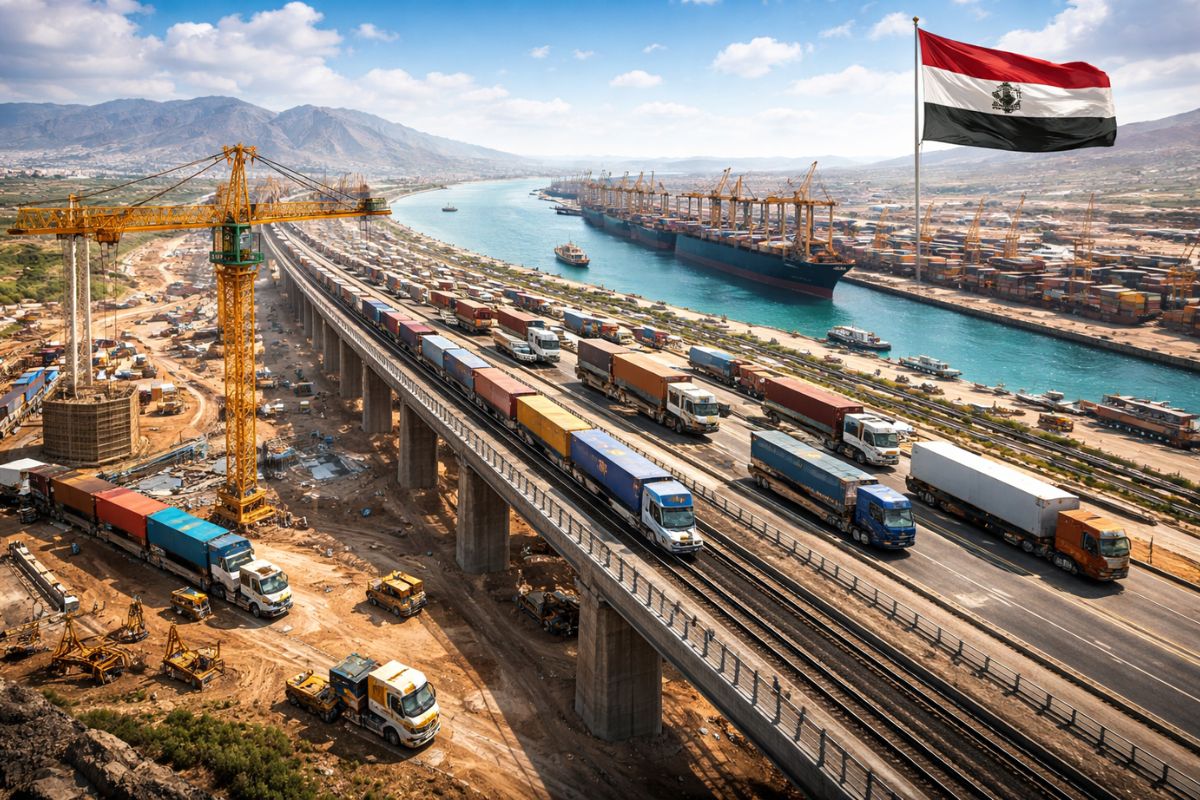
At the heart of this transformation is the duplication of the highway, which is part of a construction package valued at R$ 5.76 billion.
The project includes lane expansions, alignment corrections, urban crossing constructions, pedestrian bridge installations, and improvements to the shoulders.
More than just an infrastructure project, it is a strategic measure that promises profound social, economic, and environmental impacts.
The Weight of BR-381 on the Regional Economy
BR-381 plays a crucial role in the economy of Minas Gerais and Brazil, being one of the main routes for the transport of agricultural, industrial, and mineral products.
According to data from the National Department of Transport Infrastructure (DNIT), over 18,000 vehicles travel daily through the section in question, with about 65% of them being freight transport.
The current precariousness of the highway compromises the competitiveness of companies in the region, which face delays, high logistical costs, and risks of accidents during the transport of goods.
This situation, in addition to discouraging new investments, directly impacts the final price of products consumed by the population.
With the duplication and the expected improvements, the expectation is that travel time will be reduced by up to 40%, generating significant savings in transportation operating costs.
Moreover, the increased traffic flow is expected to attract new investments, fostering regional development and boosting job creation.
Tragedies That Mark the History of the Highway
Over the years, BR-381 has earned the tragic nickname of “the highway of death”. Just in 2023, the road recorded 2,641 accidents, involving more than 6,700 people and resulting in 171 deaths.
Many of these accidents could have been avoided with infrastructure improvements, such as lane duplications, installation of physical barriers, and expansion of signage.
The numbers reflect not only the lack of investments, but also the negligence towards the safety of millions of drivers who depend on the highway daily.
For the families of the victims, the duplication of BR-381 is a way to prevent others from facing the same suffering.
Accounts like that of João Carlos Freitas, who lost his brother in an accident on the section between João Monlevade and Ipatinga, illustrate the human impact of the road’s precariousness.
“He was going to work and died because the road is narrow and poorly signposted. It’s a pain that will never go away, but I hope no one else has to live this,” João lamented.
Solutions Promised by the Concession
The concession contract stipulates a series of improvements that promise to transform the reality of the highway.
In addition to the duplication of more than 300 kilometers, 51 alignment corrections will be made, 23 pedestrian bridges will be constructed, rest areas for truck drivers will be implemented, and physical barriers will be installed to prevent head-on collisions.
According to the Director-General of ANTT, Rafael Vitale, this is one of the most important actions to overcome the historical tragedies on the highway.
“We are rewriting the history of BR-381. The investment is not just financial, but in lives, in safety, and in the future of Minas Gerais,” he stated.
In addition to structural works, the concession includes advanced technology measures, such as the installation of monitoring cameras, traffic sensors, and real-time alert systems for drivers.
The integration of these resources with rescue teams will allow for a quicker response in case of accidents, increasing the chances of saving lives.


Positive Environmental Impact with the Works of BR-281
The transformation of BR-381 will also bring significant environmental benefits.
The improvement in traffic flow will reduce fossil fuel consumption and consequently greenhouse gas emissions.
According to ANTT, the duplication could cut more than 161,000 tons of carbon dioxide over the concession, equivalent to planting 1.1 million trees.
Another important point is the implementation of measures to mitigate the environmental impacts of the works, such as recovery programs for degraded areas, sustainable waste management, and the preservation of local fauna and flora.
Perspective of Social Development
The benefits of the duplication go beyond infrastructure and directly reach the population.
The generation of jobs during the execution of the works is one of the most highlighted factors, with the forecast of 601 direct vacancies at the peak of the interventions and an average of 534 jobs annually over the 30 years of the concession.
Furthermore, the increase in tax revenue, estimated at R$ 8 billion, will allow impacted municipalities to invest in priority areas such as health, education, and public safety.
For residents of cities like Coronel Fabriciano, Ipatinga, and Governador Valadares, which face difficulties with precarious access and unsafe transportation, the duplication represents a new opportunity for growth and quality of life.
A New Reality or More Promises?
The history of unfinished works and delayed projects generates skepticism among part of the population.
Many question whether the duplication will be completed on time and whether the promised benefits will truly be delivered.
For experts, the success of the project depends on strict oversight of the concession contract and the fulfillment of established goals.
If successful, the duplication of BR-381 will not only transform the infrastructure of Minas Gerais but will also serve as an example for other concession projects in Brazil.
The question remains: will this be the definitive solution to the problems of “the highway of death”?





Seja o primeiro a reagir!