





 Portuguese
  English
  Spanish
  3 min of reading


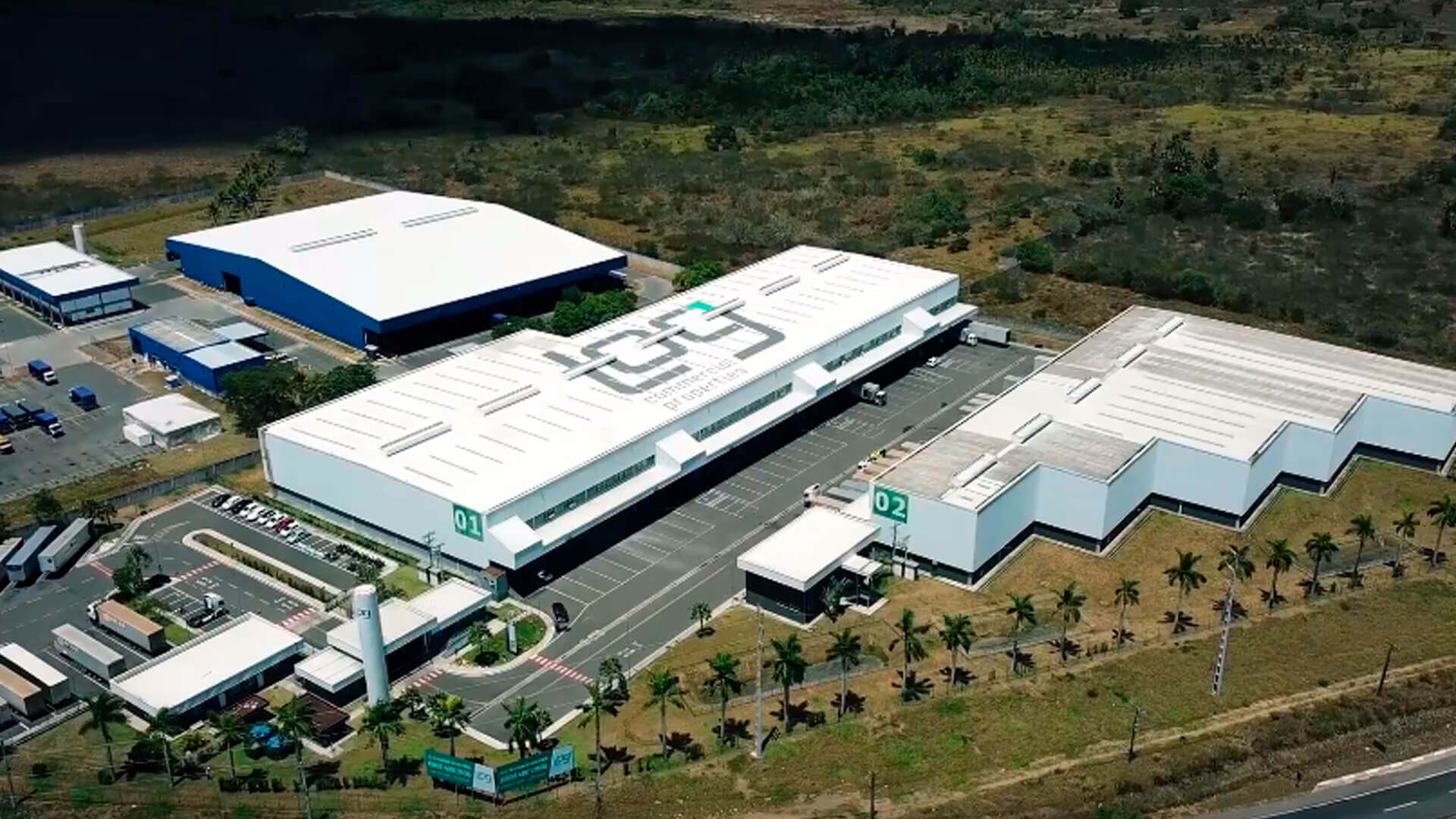
Warehouses Are Sought By E-Commerce Companies As They Provide Results For The Entire Supply Chain
After a significant increase over the past two pandemic years, e-commerce remains a trend in Brazil. According to data from Neotrust, from January to March 2022, e-commerce saw an increase of approximately 12.59%, following a 26.9% rise in 2021, boosting the demand for logistics warehouses with supply chain solutions (a system of organizations of people, activities, information, and resources involved in the activity of transporting goods or services from suppliers to customers).
This transformation in the purchasing practices of Brazilians directly affects another fundamental sphere for supplying the growing demand: logistics warehouses.
An analysis by SiiLA, a market research company, showed that 2021 had the lowest average vacancy rate in the last seven years, reaching 10.19%.
-
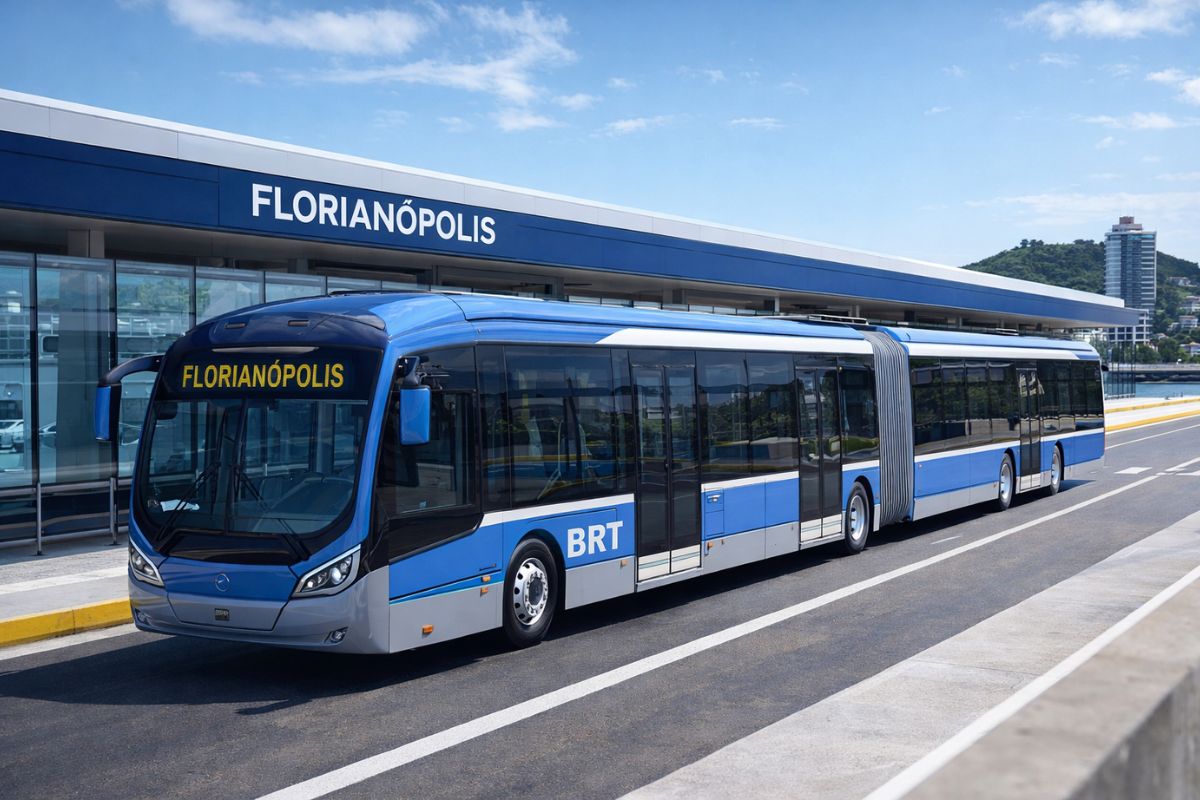
Florianópolis will receive a million-dollar BRT that will begin construction in 2026 with nearly 400 million in funding from the federal government and the Inter-American Development Bank, and the map already shows the routes for the exclusive bus corridors.
-
Without a blueprint, without an engineer, and using scrap from the dump, a father spends 15 years building an 18-room castle for his daughter, featuring tram tracks, 13 fireplaces, and over 700 m², which may now be demolished.

-
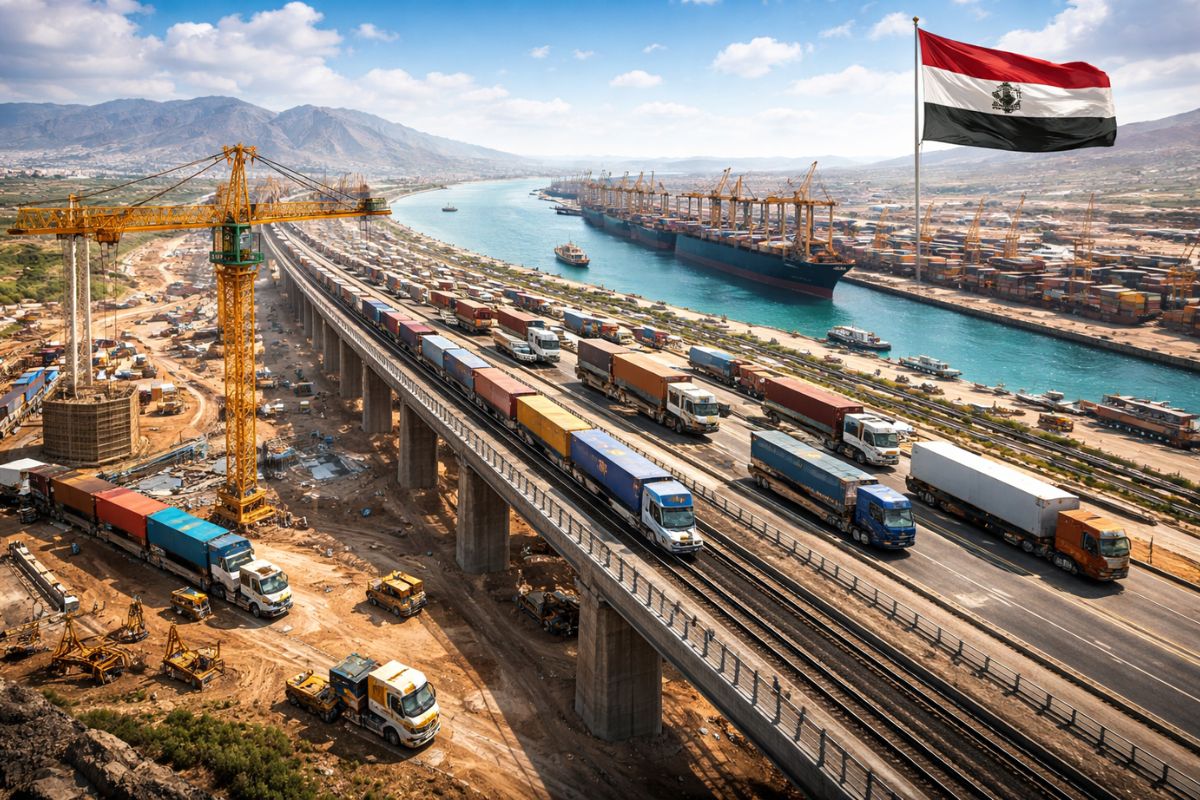
A megaproject worth R$ 89 billion is advancing in Iraq and promises to change the game in global trade by creating a new corridor between Asia and Europe, reducing traditional routes and repositioning the country as a logistics powerhouse.
-
Goodbye bedside table: floating shelves become a trend in 2026 by freeing up space in the bedroom, improving circulation, bringing visual lightness, and integrating technology without taking up floor space.


In some regions of the country, there is a shortage of logistics warehouses for e-commerce, hindering the functioning of the supply chain.
Logistics Warehouses Are Seen As An Investment By Other Companies
According to the CEO of Log, a developer of greenfield logistics assets and high-standard warehouse leasing, Sergio Fischer, the search for higher quality logistics warehouses is not only made by companies that have recently begun their delivery operations with this new wave of e-commerce consumption, but also by companies that were already operating in the area and started considering logistics warehouses, referred to as “Class A,” as an investment for their own business since the warehouses utilize the supply chain.
“Many companies have moved from lower quality warehouses to our complexes, which offer supply chain-type services. Although the cost per square meter is higher, the efficiency gained often makes it necessary to occupy a smaller space to meet needs,” reports Sergio.
Advantages Of Class A Logistics Warehouses
The main difference between a Class A logistics warehouse and others is the infrastructure that Class A offers. In addition to warehouses with higher ceilings, level floors that can support more tons of cargo per square meter, greater distance between pillars, among others, logistic condominiums also provide a secure and armed gatehouse, sustainability arrangements that reduce energy costs, and ensure the functioning of the supply chain.
Other advantages of logistics warehouses and condominiums for e-commerce include the presence of cafeterias, comfortable dormitories, and changing rooms for workers as well as ongoing investments in digital modifications to optimize and facilitate work.
Log
Focusing on this type of market, Log, founded in 2008, stands out as the only company specializing in logistic condominiums, where the supply chain operates, listed on the Brazilian Stock Exchange.
The company presented 230,000 m² in 2021 and is expected to reach a record in 2022, totaling 414,000 m² of new logistics warehouses for e-commerce delivered throughout Brazil.
A Market Of The Future
According to Fischer, companies have been seeking logistics warehouses for e-commerce closer to strategic delivery locations and signing longer contracts, already aiming for long-term growth.
With the demand for faster delivery from customers, companies supplying logistics warehouses for e-commerce, which utilize the supply chain, conduct mapping considering regions with poorly situated companies to decide where to invest.
Despite going through periods of crisis, the e-commerce sector is experiencing a good moment, and even though physical shopping has started to expand again, the CEO of Log does not believe in a potential decline in the online shopping sector or the supply chain. “The share of online retail has more than doubled in two years. Consumption today is different. We have studies showing that e-commerce will more than double by 2025, approaching 25%,” he concludes.









Seja o primeiro a reagir!