





 Portuguese
  English
  Spanish
  3 min of reading


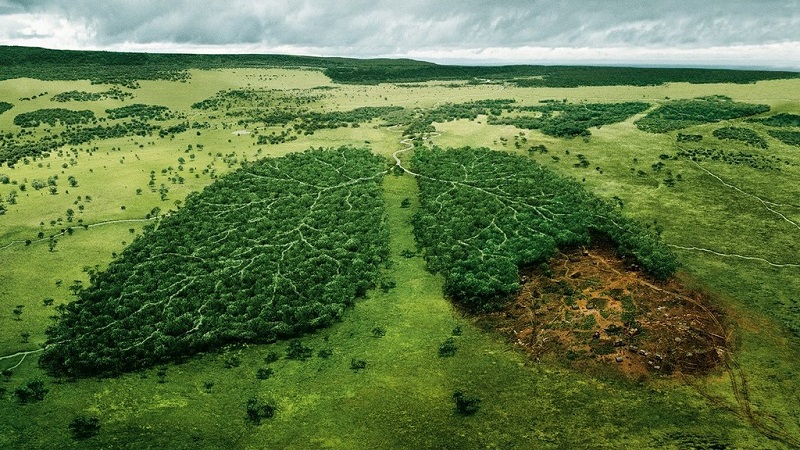
In the Master Talks held by FGV, experts discussed whether it would be possible to reconcile the economy with the Amazon.
The lecture involving the theme of the Amazon and the economy was delivered by Carlos Nobre, climatologist, senior researcher at the Institute of Advanced Studies at USP, member of the IPCC in 2007 who received the Nobel Peace Prize that year; and Denis Minev, CEO of Bemol and co-founder of PPA (Partnership for the Amazon). Márcio Holland, professor and coordinator of graduate studies in Finance and Economics, will be the moderator.
Read Also
- Atlântico Sul Shipyard Launches Campaign for Mediation of Labor Credits
- 1,500 Job Vacancies Will Be Generated by Volkswagen in São Paulo
- Brazil Remains Consistent and Closes April with Daily Production of 2.958 Million Barrels of Oil
- In FGV Webinar, Experts Say That Port Privatization is an Example to Be Followed for a Successful Market
Products from the Amazon Can Boost the Economy
According to Carlos Nobre, the Amazon is one of the main places where farmers have been able to closely monitor fruits that can only be harvested from that location. Fruits such as Buriti, Araçá-boi, Bacuripari, Inajá, Camu-camu, Uajuru, Tucumã, açaí, and many others can even be harvested for sale thanks to the Amazon rainforest.
Climatologist Carlos Nobre also discusses that the consumption of cocoa did not start in Mexico, but in the Amazon 1,500 years earlier, and cocoa can contribute to our current economy.
-
The government requests the Federal Revenue Service for a new system to automate the income tax declaration, reducing errors, time, and bureaucracy for millions of Brazilians.

-
Pix in installments, international Pix, and contactless payment without internet: the Central Bank revealed the new features coming to the tool that is already used by almost every adult in Brazil.

-
Mercado Livre has just started selling medications with delivery in up to three hours to your door, and this move could completely change the way Brazilians buy medicines on a daily basis.

-
In Dubai, rising tensions from the war in the Middle East are causing super-rich individuals to leave the Gulf and direct their fortunes to a new financial refuge in Asia.


Cocoa Can Help Boost Brazil’s Economy, According to Carlos Nobre
The national cocoa production generates R$ 14 billion per year. Brazil imports cocoa to meet what Brazilian plantations cannot deliver to satisfy the growing demand of the industry. In recent years, the sector has been significantly affected by the country’s economic crisis and the water crisis, which reduced harvests and imposed higher costs on the industry due to the need to import the product.
While Brazilian cocoa plantations do not return to sufficient productivity for internal supply, the sector imports cocoa beans from Ghana. The expectation is that the Brazilian government will again allow the import of cocoa from Côte d’Ivoire.
The entry of the product into Brazil was suspended due to a shipment with a type of pest typical of the African country that does not exist in Brazilian territory. To ensure sanitary safety and certify the country as eligible to export cocoa to Brazil again, the Ministry of Agriculture is reassessing the pest risk analysis of Côte d’Ivoire.
Illegality in the Amazon Does Not Allow Growth, According to Denis Minev
Denis Minev began his remarks at the FGV Master Talks by highlighting the prevailing informality in several regions of the Amazon. “There are sawmills, fishing, plantations of all types around, and especially furniture made of wood by local people, but none of this is done legally; Brazil has never chosen the Amazon as a priority,” says Denis Minev.
Carlos Nobre Concludes by Talking About the Amazon 4.0 Project
The aim of the initiative is to do business based on the biodiversity of the forest and invest in sustainable development and Creative Laboratories in the Amazon, which are units capable of incorporating the technologies of the 4th Industrial Revolution to enable the discovery and utilization of the biological and biomimetic assets of the Amazon.
They aim to be disruptive pilots that encourage the creation of biofactories in the region and mobilize the strengthening of an entrepreneurial ecosystem based on the bioeconomy agenda.









Seja o primeiro a reagir!