





 English
  Francês
  Alemão
  Italiano
  Japonês
  Norueguês
  Portuguese
  Spanish
  3 min of reading
  0 comments


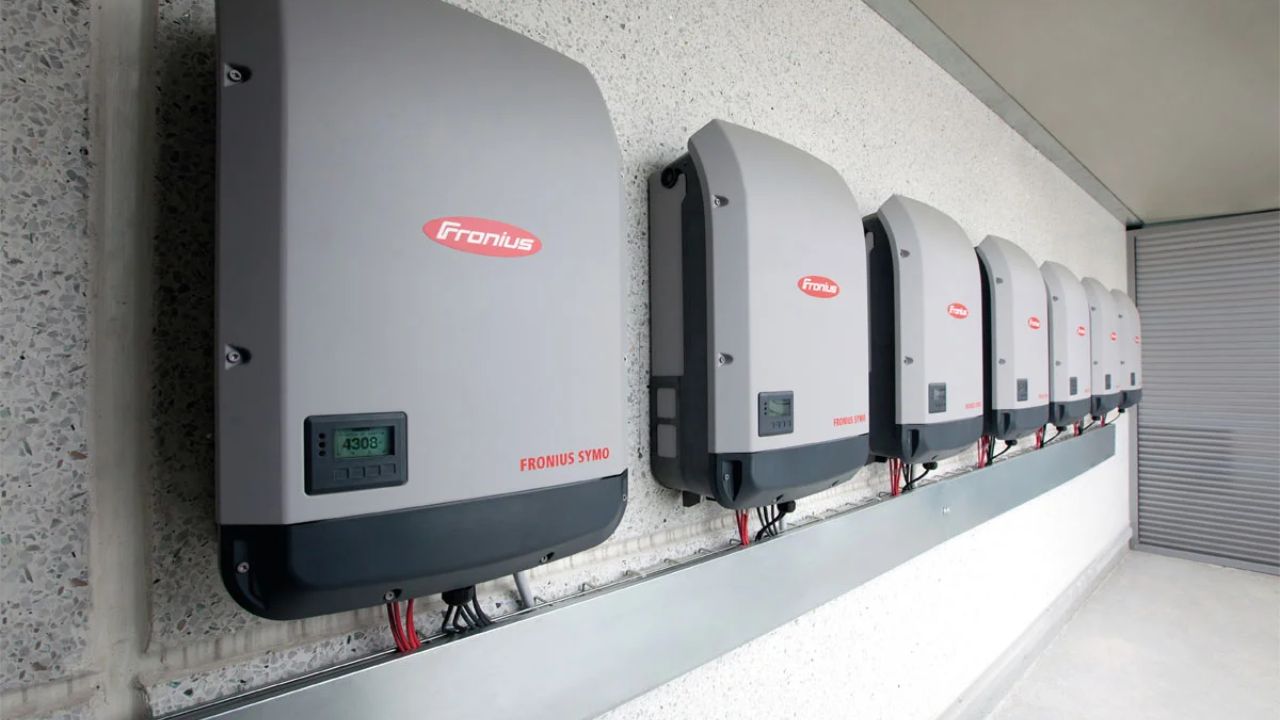
Your Inverter or Solar Panel Approved by the Utility Is Out of Stock? Find Out What ANEEL Says About Equipment Exchange and How to Proceed to Avoid Delaying or Compromising Your Solar Energy Project.
The approval of the solar energy project by the utility is a milestone, but what to do when the specified equipment, such as the inverter or solar panel, is no longer available in the distributor’s stock? Many integrators fear having to restart the entire process from scratch, risking a new review that could lead to the unwanted power flow reversal. This article clarifies ANEEL’s rules and the step-by-step process to exchange equipment without a headache.
The Fear of Power Flow Reversal When Restarting the Project
A common situation for solar energy integrators is having the project approved and then discovering that the specified equipment is no longer in stock. The real fear is the need to restart the process. A new submission of the project to the distributor creates a real risk for its progress. The budget that was initially approved may now return with a power flow reversal. What was a simple technical detail transforms into a huge headache. This can delay the delivery of the photovoltaic system to the client or even compromise the project.
What Does ANEEL Say About Solar Energy Equipment Exchange?
To clarify this issue, it is essential to consult what the National Electric Energy Agency (ANEEL) states. According to the agency’s official FAQ, the distributor must accept changes in the equipment. This applies to modules or inverters originally specified in the form. The condition is that these changes do not imply alterations in the service solution. They must also not result in significant impact or influence solutions for other users. ANEEL emphasizes that it is up to the distributor to evaluate the complexity of the change, requiring the restart of the process only when the changes are truly relevant.
-
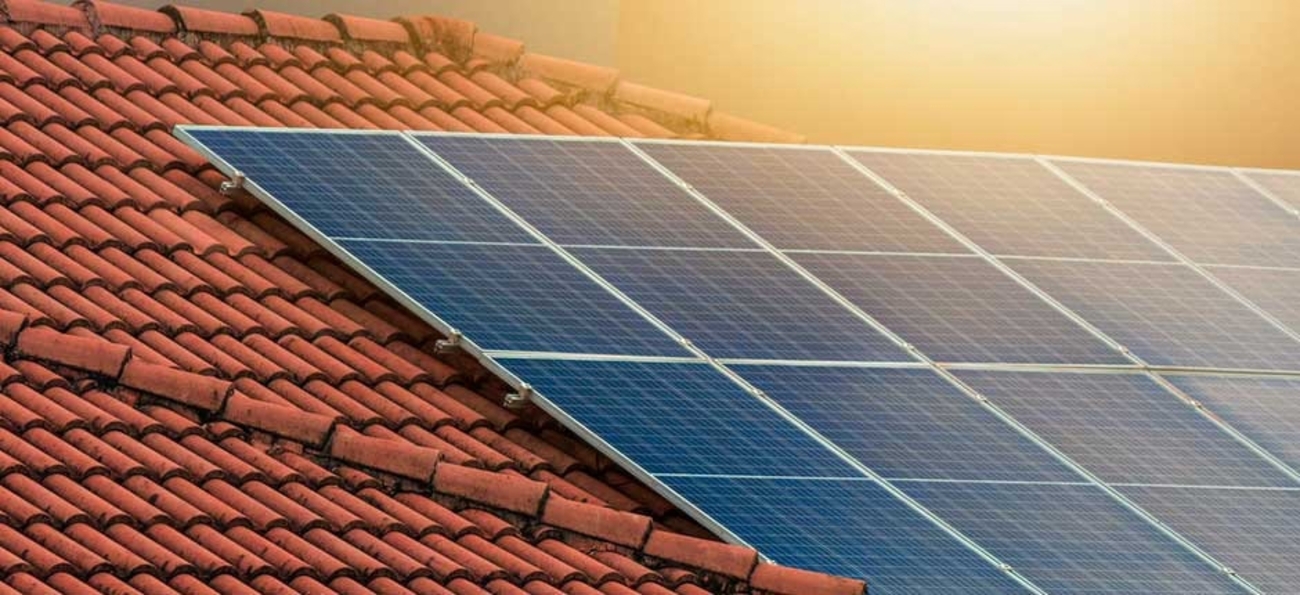
Roraima bets on the sun to escape high tariffs: Amid the energy crisis and price hikes, solar energy is growing in Roraima and transforming consumption in the North region.
-
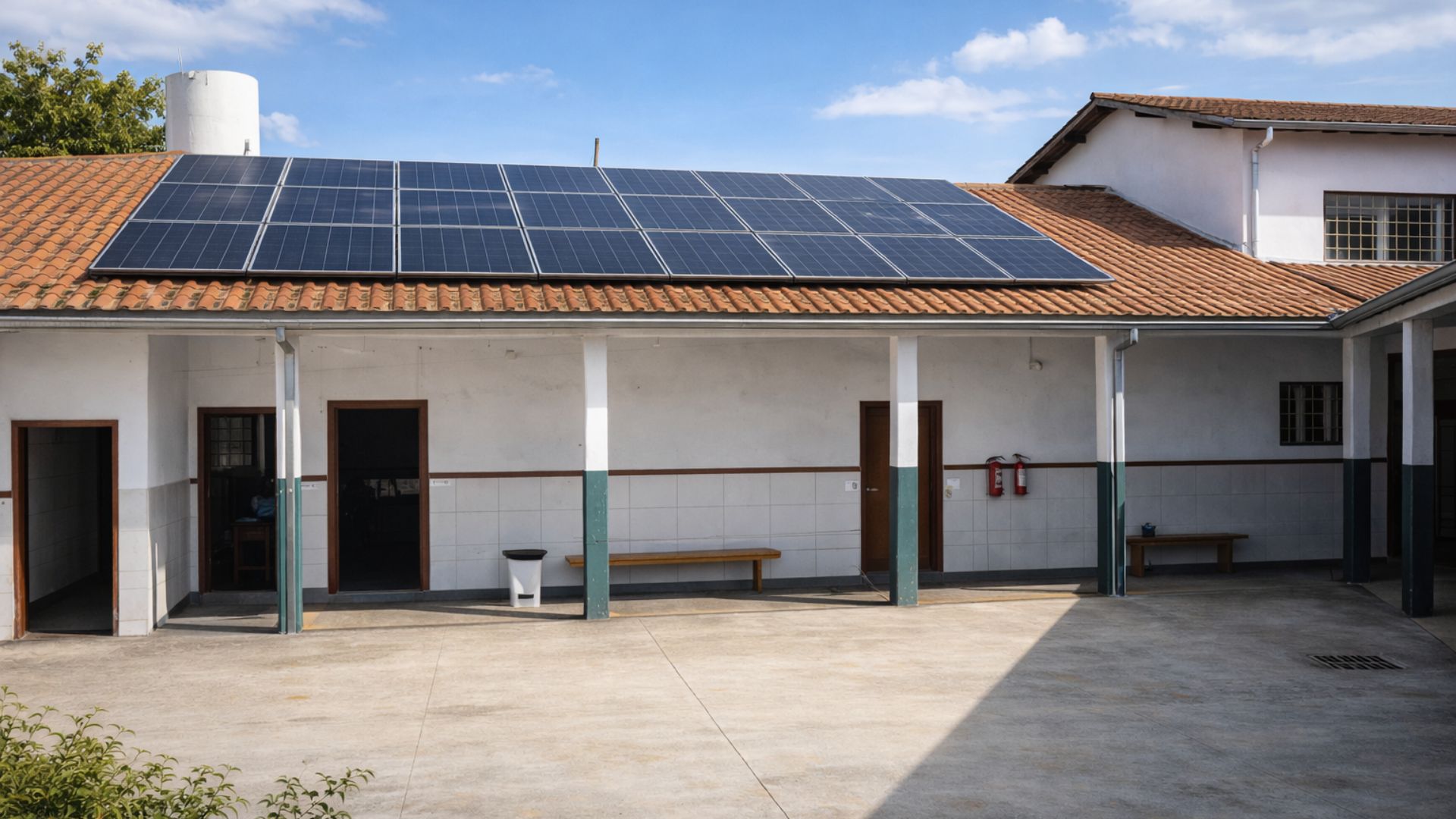
Copel boosts solar energy in Paraná and brings innovation to public schools, promoting savings on electricity bills, energy efficiency, and a direct impact on the quality of education.
-
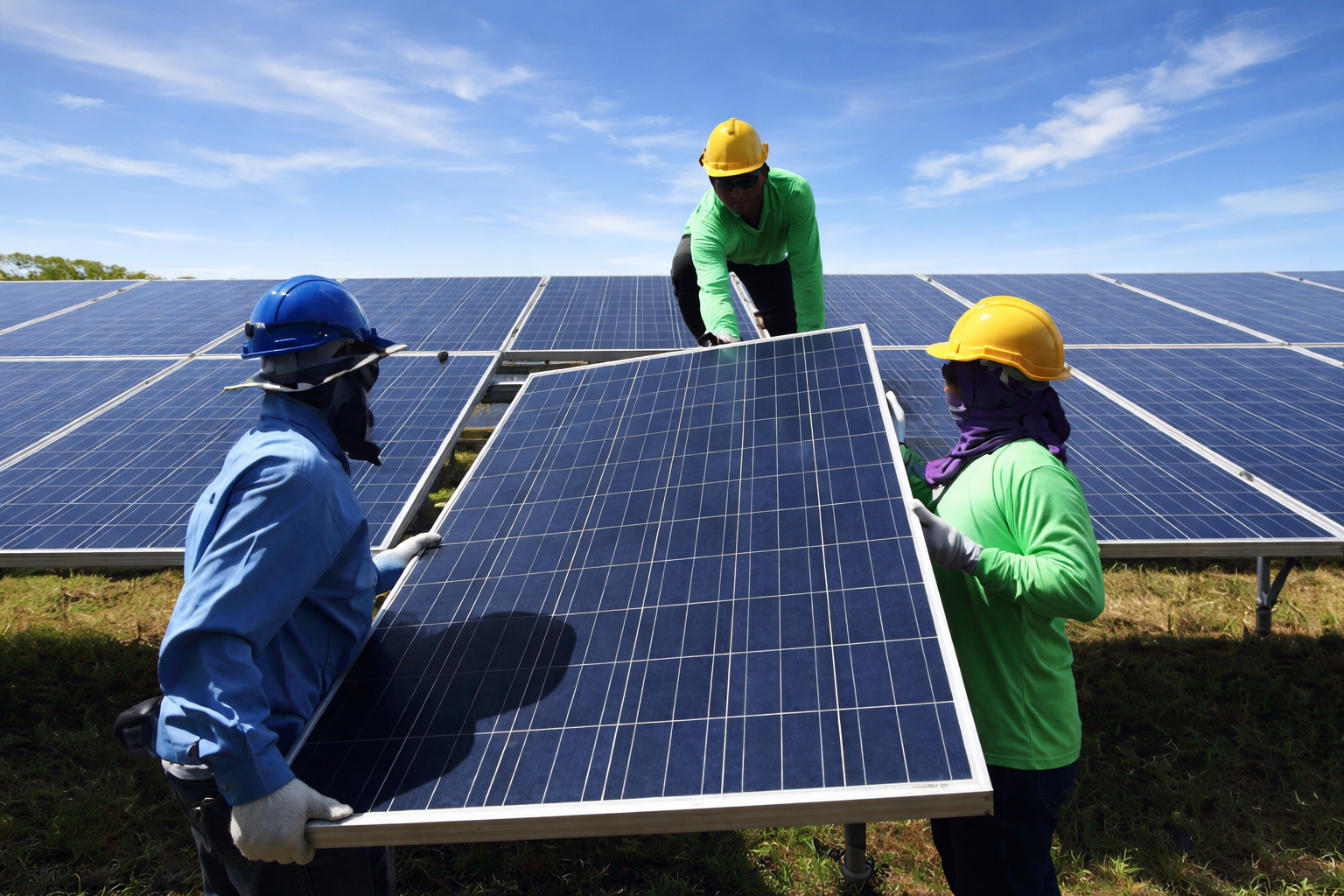
Brazil reaches historic milestone in solar energy: Sector surpasses 2 million accumulated green jobs and generates billions in the national economy even under market pressure.
-
Minas Gerais takes the lead in renewable energy: State surpasses historic mark of 14 GW in solar energy generation in MG and consolidates dominance in the Brazilian electric sector.

What Exchanges Are Allowed Without a New Solar Energy Project?
ANEEL does allow equipment exchanges without the need for a new request. However, the exchanges cannot alter the connection solution approved in the initial project. You can, for example, change the model and manufacturer of the inverter. The condition is that the new equipment has the same power and presents the concession registration number in Inmetro. In the case of photovoltaic modules, a slight change in power is permitted. The important thing is not to exceed the total nominal power that was presented in the approved connection budget.
When Is It Necessary to Restart the Process from Scratch?
There are situations where the exchange of solar energy equipment necessitates restarting the process. If the change involves alterations to the nominal power of the plant, the distributor may require a new request. The same occurs if there is a change in the type of generating source. In these cases, the alteration is no longer viewed as a simple equipment exchange. It directly impacts the connection analysis, justifying the need to restart the process with the utility.
How to Request Equipment Exchange from the Utility?
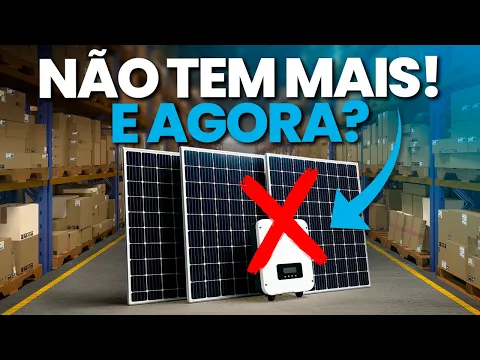

The process to request an exchange is not complicated, but it varies depending on the distributor. The first step is always to contact the utility. Ask for guidance on how to proceed with the equipment replacement. They will indicate the correct path, which may be via email or through the official project platform.
For example, at CEMIG in Minas Gerais, the request can be made directly through CEMIG Atende, in the distributed generation area. After the request, follow up on the timeline to ensure everything runs within schedule. Only after the utility’s approval should you make the inspection request.
A crucial point is to never attempt to exchange solar energy equipment without informing the utility. Making the exchange on your own, especially after connecting the plant, is a more serious issue, and the resolution involves penalties, as per Article 655-F. Following this step-by-step avoids headaches and the risk of having the project reanalyzed with power flow reversal.









Seja o primeiro a reagir!