





 Português
  Inglês
  Espanhol
  3 min de leitura
  0 comentários


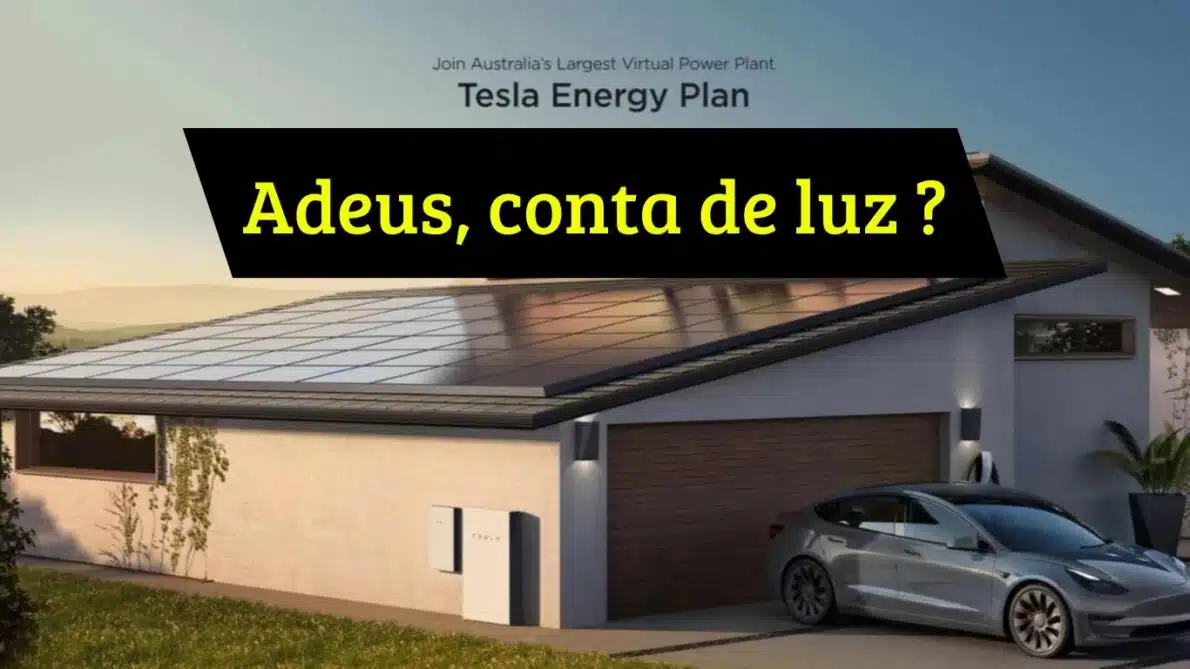
Innovative Project Led By Elon Musk Is Revolutionizing The Renewable Energy Market: It Will Be Possible To Generate And Sell Energy With Your Home!
Tesla, under the leadership of Elon Musk, is once again breaking barriers in the renewable energy sector. The bold project in South Australia is a clear example of this: a virtual power plant (VPP) that connects over 7,000 residential batteries to stabilize the power grid and optimize the use of solar energy. With a total capacity of 35 megawatts, this initiative not only meets peak demand but also provides crucial services to the local grid. Tesla is expanding this innovative project, seeking proposals to further increase its presence in the energy storage market.
Virtual Energy: A Domestic Revolution
But what is this so-called virtual energy? Imagine a “decentralized power plant” where, instead of one large power station, VPPs connect various residential batteries and solar systems installed in homes. Batteries, such as the Tesla Powerwalls, work together to provide electricity to the grid when needed and store excess energy when there is a surplus. Essentially, your home becomes part of an “energy club,” sharing the electricity generated with neighbors while keeping a reserve for personal use.
How Tesla Is Transforming Energy In Australia
The South Australia, where Tesla has chosen to implement this project, already uses about 75% of its energy from renewable sources such as solar and wind. The plan is to achieve 100% renewable energy by 2027, and energy storage capacity plays a vital role in this goal. The residential batteries connected to Tesla’s VPP are crucial in this scenario, allowing the system to store excess energy and share it as needed.
-
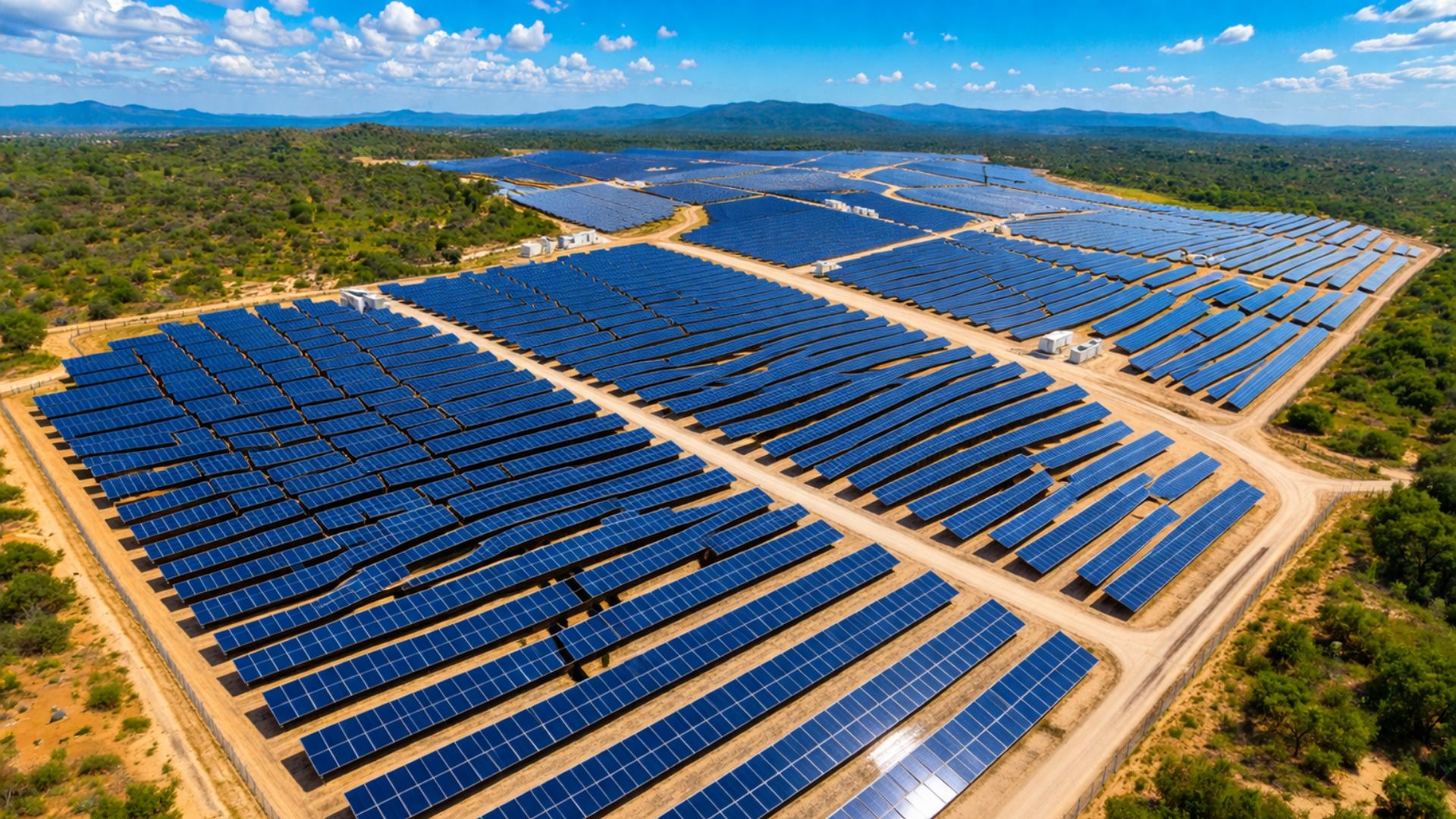
The Sol do Agreste Photovoltaic Complex begins operations in Pernambuco and accelerates the expansion of solar energy in Brazil, directly impacting the reduction of emissions and strengthening the sustainable energy matrix.
-
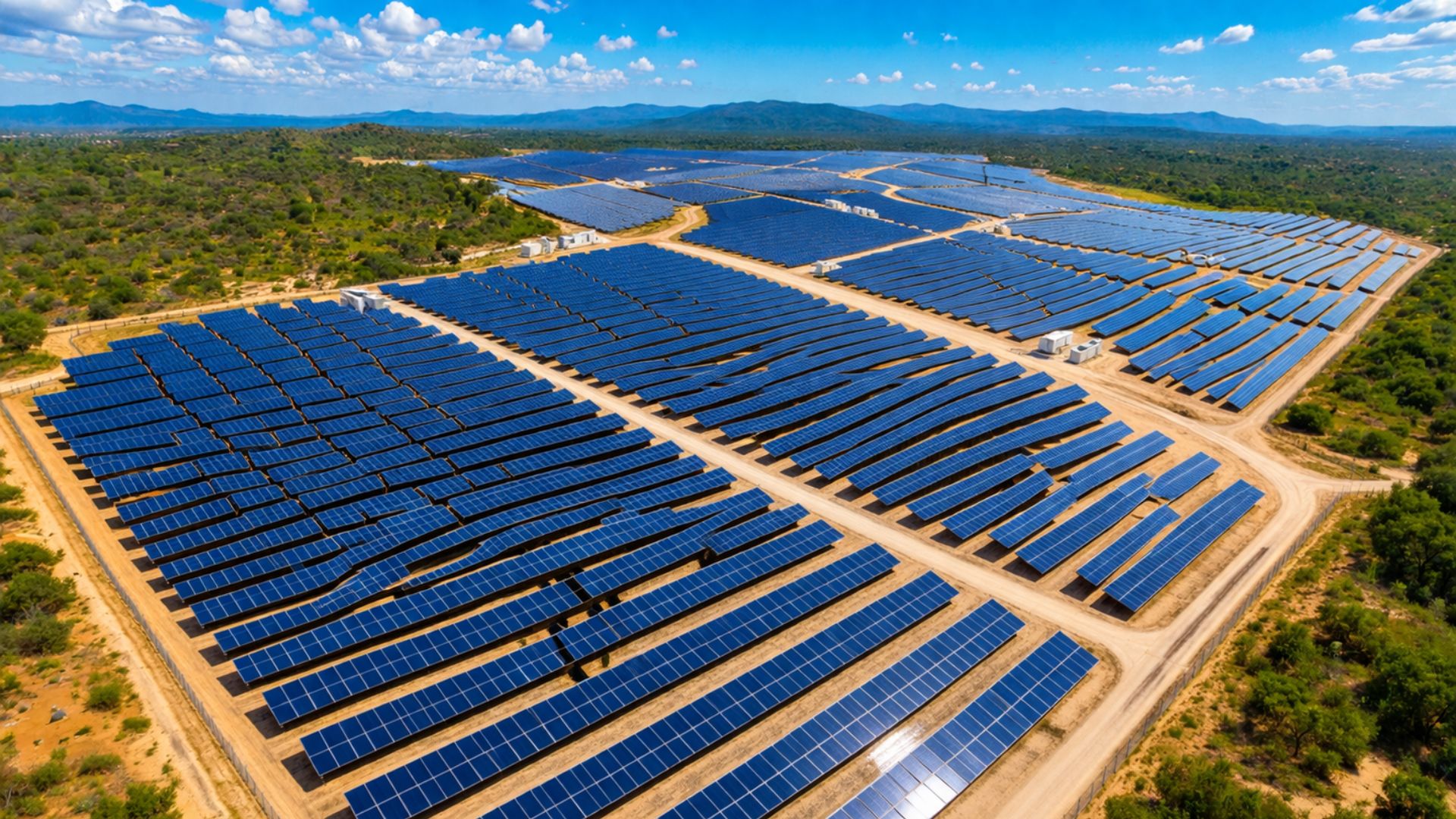
The Sol do Agreste Photovoltaic Complex begins operations in Pernambuco and accelerates the expansion of solar energy in Brazil, directly impacting the reduction of emissions and strengthening the sustainable energy matrix.
-
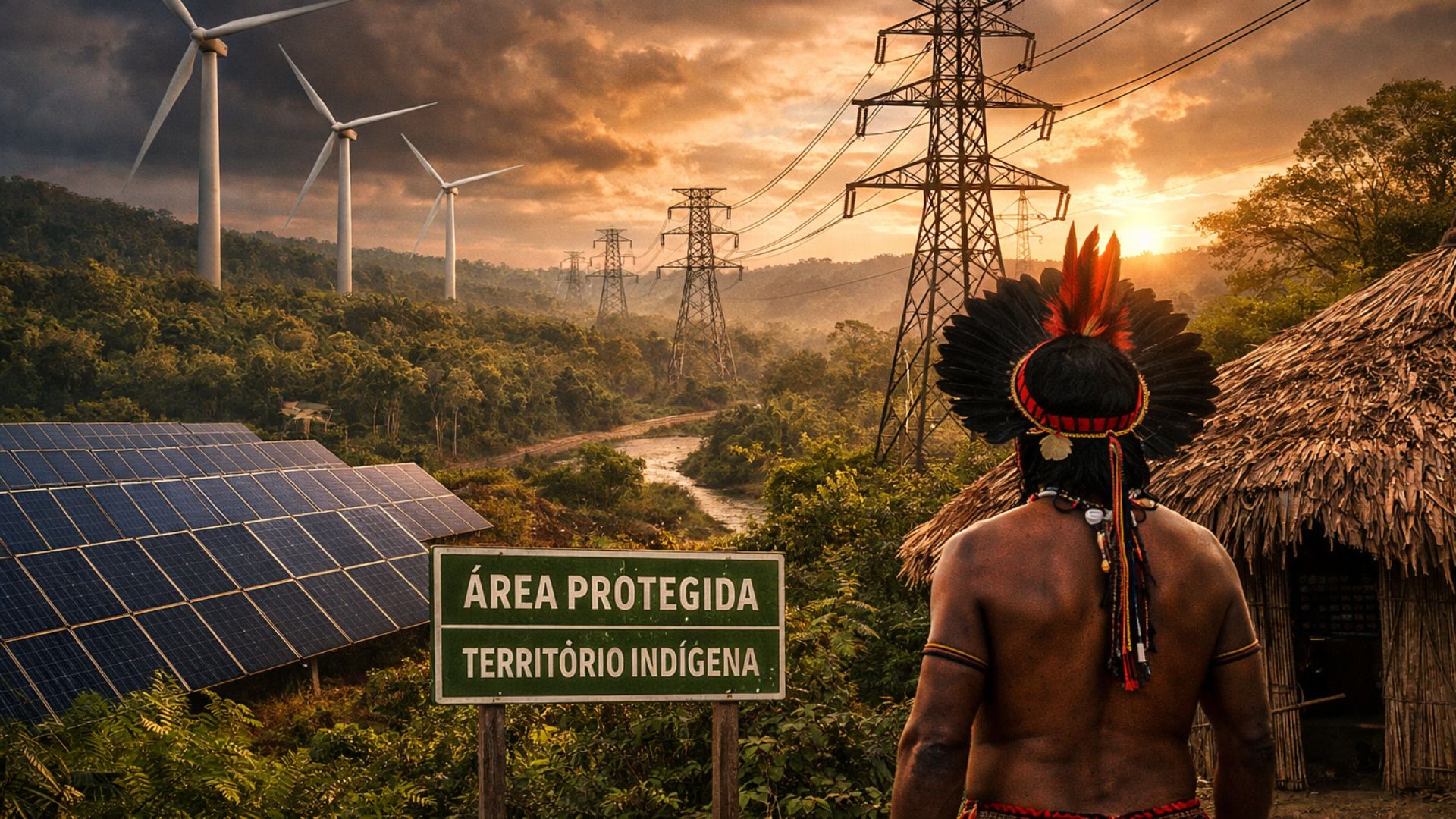
Renewable energy advances over protected areas in Brazil, and a survey by the Energy Transition Observatory reveals silent impacts that challenge environmental conservation and pressure sensitive traditional territories.
-
Rio Grande do Sul accelerates energy transition: State invests in renewable technologies and consolidates decarbonization strategies and pathways to attract billions in new industrial investments.

Economic And Environmental Benefits
The benefits of a virtual energy system are impressive. Economically, it reduces the need for large investments in traditional power plants and electrical infrastructure, focusing on decentralized and more affordable solutions. For consumers, the electricity bill may decrease, as stored energy can be used during peak price times. Environmentally, Tesla is promoting a future powered by solar energy and other renewable sources, helping to mitigate the intermittency of energy production and reducing carbon emissions, according to terrabrasilnotícias.
Tesla: Leader In Energy Transformation
The sale of the virtual power plant by Tesla marks a strategic move to consolidate the company as a global reference in renewable energy. Even with the sale, Tesla is not abandoning its plans in Australia. In fact, the company has already obtained a license to operate as an energy provider in the country and is actively investing in its own retail energy business.
With the solar energy market expanding and innovative technologies like VPPs gaining traction, it is clear that the future of energy is increasingly closer to our homes. Tesla, as always, continues to lead this transformation.









-

Uma pessoa reagiu a isso.