





 Portuguese
  English
  Spanish
  5 min of reading
  0 comments


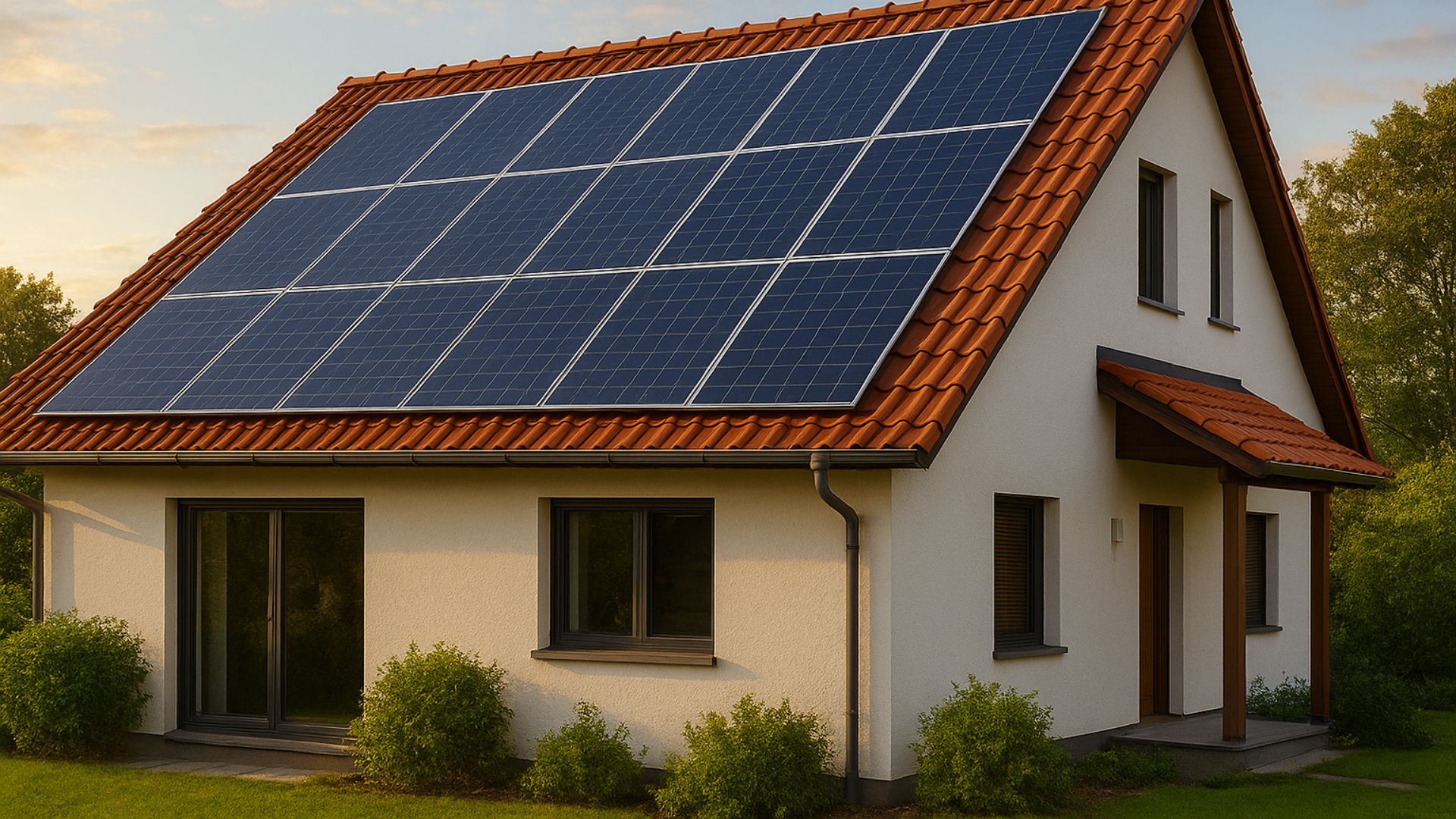
The Adoption of Solar Energy Is Increasing Property Values by Generating Immediate Savings, Accelerating Return on Investment, and Transforming Them into More Profitable and Sustainable Financial Assets
According to a report from Estado de Minas published this Monday (24), the rapid expansion of solar energy in Brazil is transforming properties into true financial assets, especially in a scenario of increasingly high energy tariffs. The article highlights that the return on investment in photovoltaic systems can occur within two to three years, when tariffs are high, making the technology a solid economic strategy for both residences and businesses.
Solar Energy as Quick Return and Immediate Savings
As emphasized in the report, the accumulated savings over the equipment’s lifespan — estimated at a minimum of 25 years — can exceed R$ 150 thousand in smaller systems and R$ 350 thousand in larger installations, amounts higher than the earnings from several traditional financial investments.
A drastic reduction in the electricity bill is the first and most obvious impact. Estado de Minas highlights that, in scenarios of high tariffs, photovoltaic systems installed in homes and businesses can pay for themselves in just two to three years. This result is exceptional compared to the average return of traditional investments, which generally require longer payback periods.
-
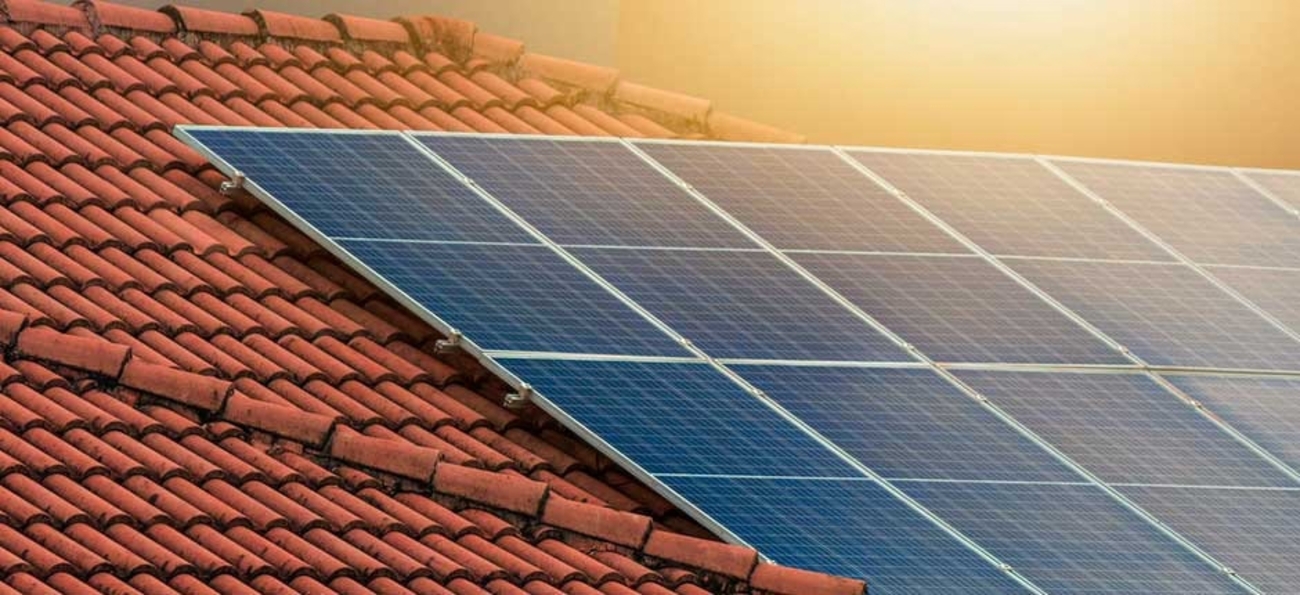
Roraima bets on the sun to escape high tariffs: Amid the energy crisis and price hikes, solar energy is growing in Roraima and transforming consumption in the North region.
-
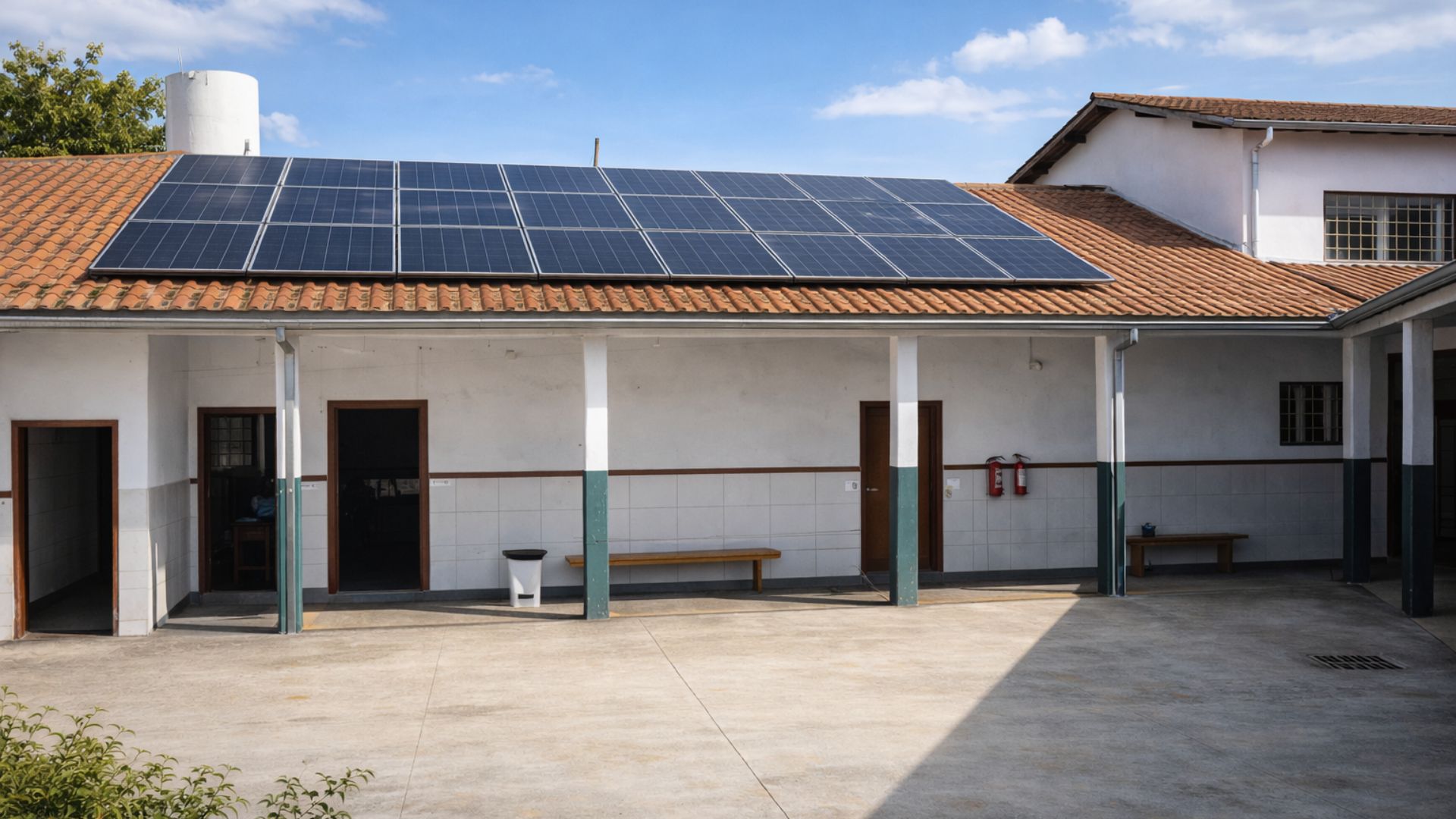
Copel boosts solar energy in Paraná and brings innovation to public schools, promoting savings on electricity bills, energy efficiency, and a direct impact on the quality of education.
-
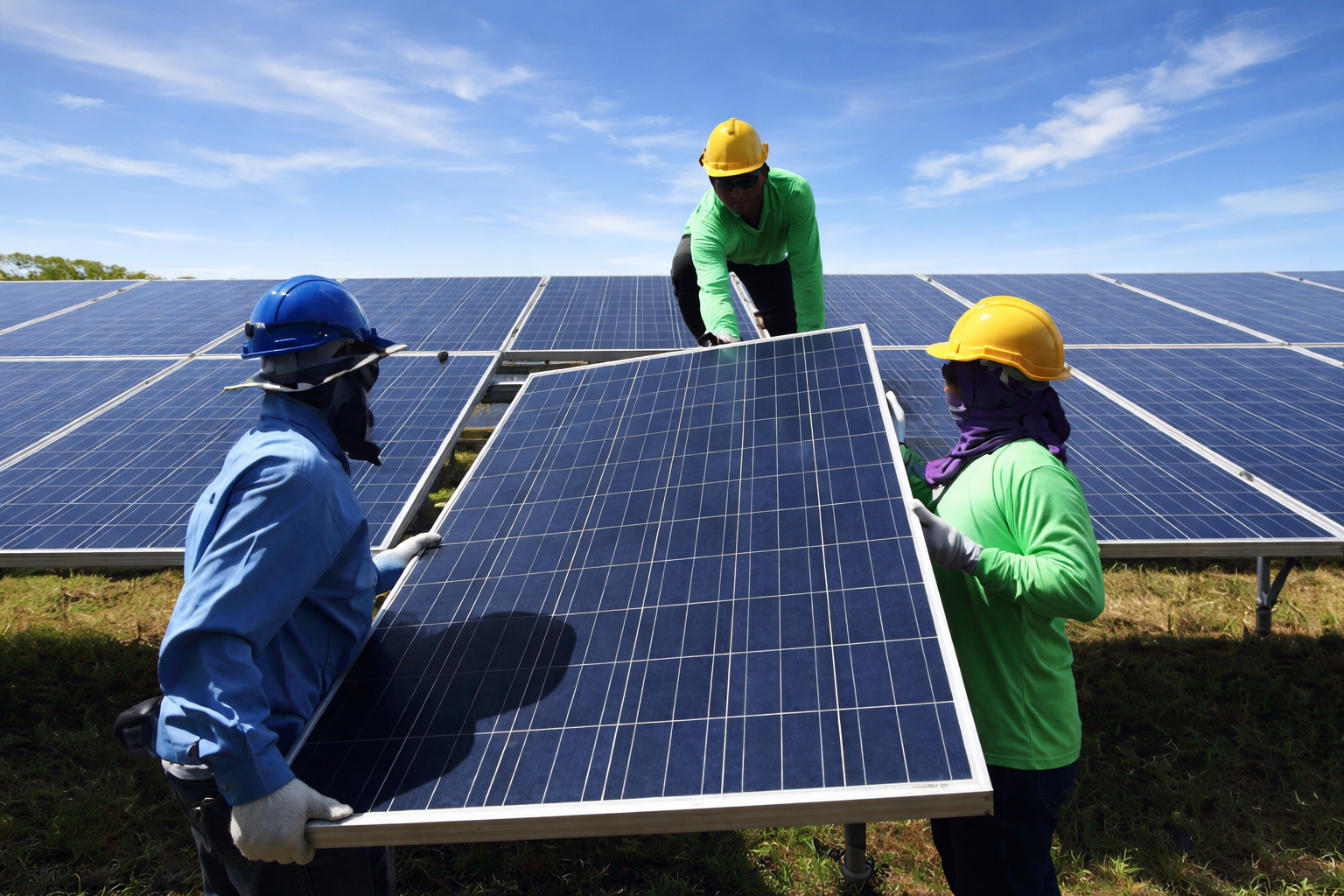
Brazil reaches historic milestone in solar energy: Sector surpasses 2 million accumulated green jobs and generates billions in the national economy even under market pressure.
-
Minas Gerais takes the lead in renewable energy: State surpasses historic mark of 14 GW in solar energy generation in MG and consolidates dominance in the Brazilian electric sector.
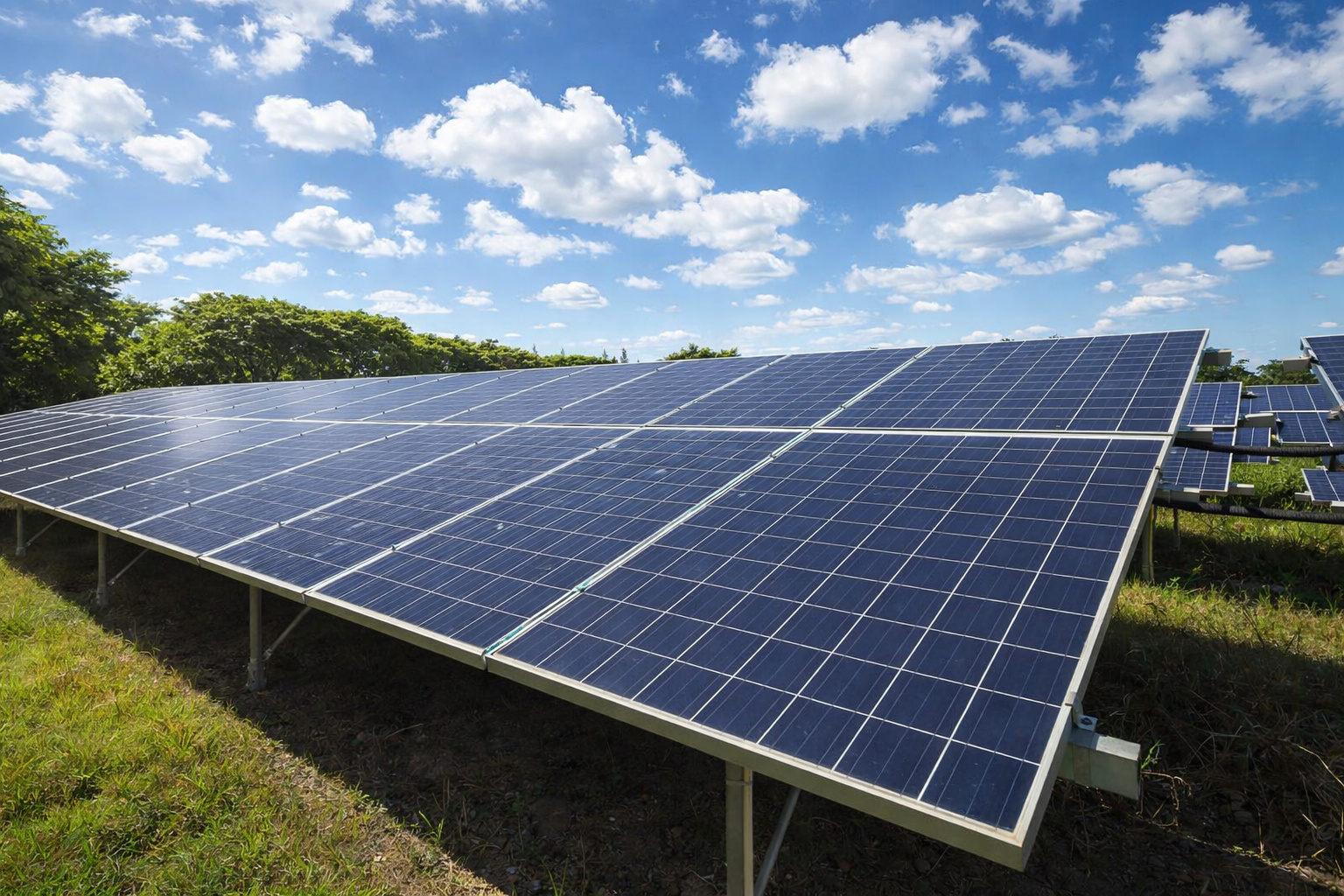
However, the advantage is not limited to payback. Over a horizon of 20 to 25 years, the owner accumulates savings that, in many cases, exceed the values of low-risk financial investments. The technology thus consolidates as an economic shielding tool against energy inflation — a trend reinforced by various sector studies.
According to research from Portal Solar, the higher the tariffs, the greater the economic benefit for those who produce their own energy. This explains the accelerated increase in the adoption of the system even during periods of financial uncertainty. Thus, the property begins to act as an energy producer, reducing fixed expenses and generating an indirect income flow through monthly savings.
Properties as Valued Financial Assets
Transforming properties into financial assets is already a consolidated reality in Brazil. The report from Estado de Minas highlights that the property ceases to be just a consumption center and starts to integrate the client’s financial strategy.
This concept is confirmed by market data: properties equipped with solar energy tend to appreciate by up to 10% more than traditional properties, according to surveys by Absolar. The reason is simple: the new owner takes over an asset with drastically reduced operational costs, making it more attractive and competitive.
Furthermore, the solar-powered property stands out on rental platforms, as it offers an immediate advantage to tenants looking to reduce monthly expenses — something increasingly sought after in the real estate market. Properties with solar energy are already perceived as assets of increased value, with continuous returns, guaranteed savings, and reduced environmental impact.
Integrated Investment and Sustainability
The search for a more sustainable future is directly linked to the economic performance of properties. Solar energy represents a model that combines profitability and environmental responsibility — a fundamental combination for more aware consumers committed to low-impact practices.
The technology contributes to a significant reduction in the use of polluting sources, promoting decreased gas emissions and greater environmental awareness. The positive impact extends to companies, which gain competitiveness by reducing costs and improving public perception of their brand.
Additionally, innovations such as storage batteries are rapidly advancing and making the system even more advantageous. By storing energy generated during the day, the consumer can use it at night, increasing autonomy and further reducing dependence on the distributor. Experts mentioned in the report emphasize that batteries represent “a point of no return,” especially as they enhance the financial exploitation of energy.
Therefore, investing in solar energy means aligning financial gain, autonomy, and environmental responsibility in a single movement — something essential in a world that demands more balanced practices.
Factors Influencing the Return on Investment in Solar Energy
Although the technology is highly advantageous, various elements influence the final performance of the installed system:
Energy Tariff and Consumption
The higher the tariff charged by the distributor, the faster the return occurs. Consumers with high bills are the biggest beneficiaries, as they replace part or almost all of the energy purchased from the grid with the energy produced directly on their roof.
System Size
Larger systems can generate even more savings, especially in commercial and industrial settings. However, it is essential to conduct a proper sizing to ensure that production meets — but does not exceed — actual consumption.
Useful Life and Maintenance
The panels have an average useful life of over 25 years, with minimal maintenance required. This contributes to extremely low costs over time, reinforcing the security of the investment.
Solar Irradiation of the Region
As Brazil has high levels of sunshine, the country stands out on the world stage. Even less sunny regions, such as parts of the South, have sufficient levels for excellent generation.
Solar Energy as a Competitive Differentiator in the Real Estate Market
The impact of solar energy on the market value of a property is increasingly evident. For buyers, the prospect of living or working in a building with reduced operational costs is a powerful attraction. For investors, the property becomes a strategic tool for generating indirect income, as well as being easier to sell or rent.
Companies that use solar energy also communicate their sustainable values better, adding competitiveness and reducing fixed costs — a factor that directly influences the final price of products and services.
Similarly, commercial properties equipped with the technology stand out on corporate rental platforms, precisely because they offer significant reductions in monthly expenses.
Why Solar Energy Has Become a Smart Decision for Those Wanting to Invest Better
Solar energy has ceased to be just a green alternative and has become a long-term economic strategy. With quick returns, accumulated savings surpassing those of traditional investments, and increasing property appreciation, the technology has solidified as one of the most reliable paths for those looking to safely expand their assets.
Regulatory advancements, the decreasing prices of equipment, and Brazil’s ample sunshine create the ideal scenario for the continuous expansion of the technology. At the same time, consumers and companies are increasingly aware of the need to align profitability with social and environmental responsibility.








Seja o primeiro a reagir!