





 English
  Francês
  Alemão
  Italiano
  Japonês
  Norueguês
  Portuguese
  Spanish
  3 min of reading



Expansion Surpasses Analysts’ Expectations and Boosts Hope for Cyclical Recovery of the Brazilian Economy
The Brazilian economy grew by 0.6% in the third quarter, exceeding analysts’ expectations and reinforcing hopes for a cyclical recovery in the largest country in Latin America. The quarterly result, released on Tuesday, is likely to galvanize Brazil’s key policymakers, including Economy Minister Paulo Guedes, who is trying to revitalize growth through a broad deregulation and privatization program.
See Also
- Job Openings for High School and Higher Education to Work on Industrial Projects and Plants Today, December 4
- Atlas Professionals Wins Contract from Prosafe to Provide Offshore Labor in Brazil
- In Macaé and Region, Mechanical Technician is In Demand by Sparrows BSM Today, December 3
“We are seeing a cyclical recovery,” said Sergio Vale, chief economist at MB Associados. “From now on, we can see a faster recovery. The industry still suffers from international headwinds, but there are some segments that are doing very well, such as agribusiness and real estate.”
Compared to the same quarter last year, the economy grew by 1.2%, above analysts’ expectations of 0.9%.
-
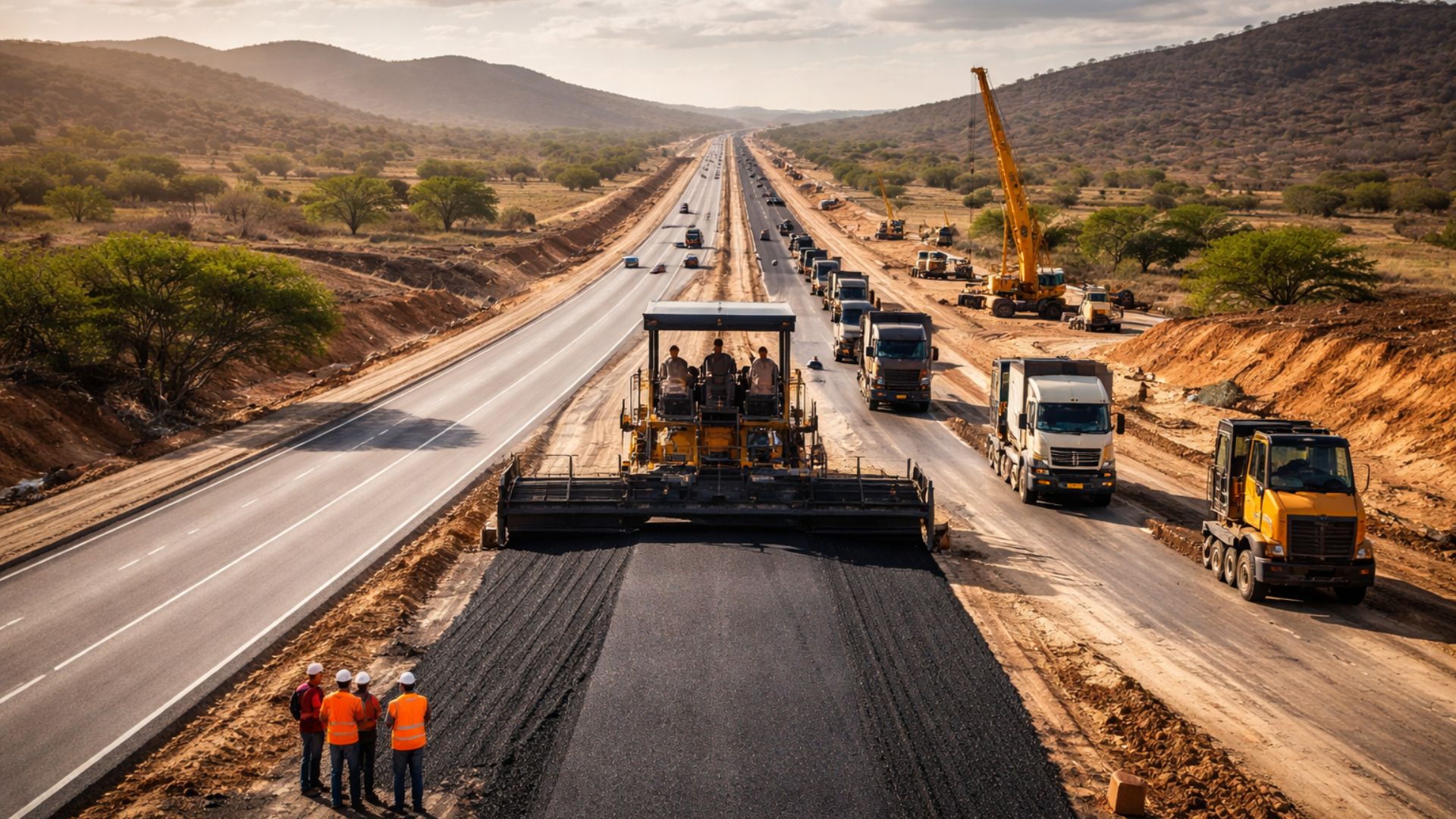
Government unlocks R$ 554 million for a highway that has been requested for decades and accelerates the duplication of BR.
-
Without bricks, without cement, and without endless construction: the cardboard house that is assembled in modules and can be moved.

-
Billions of barrels on the equatorial margin could lead Amapá to double its oil production in Brazil — the state aims to enter the route of companies in the Campos Basin, attract investments, and boost jobs and businesses in the oil and gas sector.
-
Without bricks, without cement, and without endless construction: the cardboard house that is assembled in modules and can be moved.

“The growth is still gradual because the Brazilian economy is still recovering after a very severe recession,” said Luana Miranda, a researcher at the Brazilian Institute of Economics, pointing to an economic crisis lasting from 2014 to 2016.
“In the second quarter, Brazil hadn’t recovered even half of the GDP lost during the recession. We still have a very high unemployment rate, while business and consumer confidence remains very low. But things are happening. Families are consuming, investments are coming in, but everything is slow and gradual.”
Unemployment in Brazil remains high at 11.6%. Growth is now expected to be around 1% for 2019, rising to above 2.2% next year.
The focus is likely to shift to the Brazilian central bank and whether it will lower interest rates to reach low levels next week.
The real, Brazil’s currency, fell last week to record lows against the dollar, which analysts attributed in part to falling interest rates. The weakened currency led U.S. President Donald Trump to impose tariffs on Brazilian steel on Monday after accusing the South American country of devaluing its currency.
“Given the weak pace of recovery, the central bank will almost certainly – despite the recent currency drop and likely inflation – reduce the Selic rate to 4.5%,” said William Jackson, chief emerging markets economist at Capital Economics.
In the long term, policymakers in Brazil are betting on a series of economic reforms to drive growth. In October, lawmakers approved a pension reform aimed at restoring confidence in the country’s fiscal position.
Now, Guedes is shifting focus to revising the Byzantine tax system and cutting the bureaucracy that has hampered investment for decades.
“Without a doubt, these reforms will have a positive impact, but their concrete effects will only occur in the long term. They are structural reforms, so they need some time to mature,” said Miranda.
Analysts, however, warned that Brazil will continue to be affected next year by international headwinds, including a slowdown in the U.S. and the ongoing crisis in neighboring Argentina.
“Our exports are weak due to domestic and external reasons – there is a trade war, a slowdown in economies, and a crisis in Argentina,” said Thiago Xavier, an economist at the consultancy Tendências.









Seja o primeiro a reagir!