





 Portuguese
  English
  Spanish
  4 min of reading
  0 comments


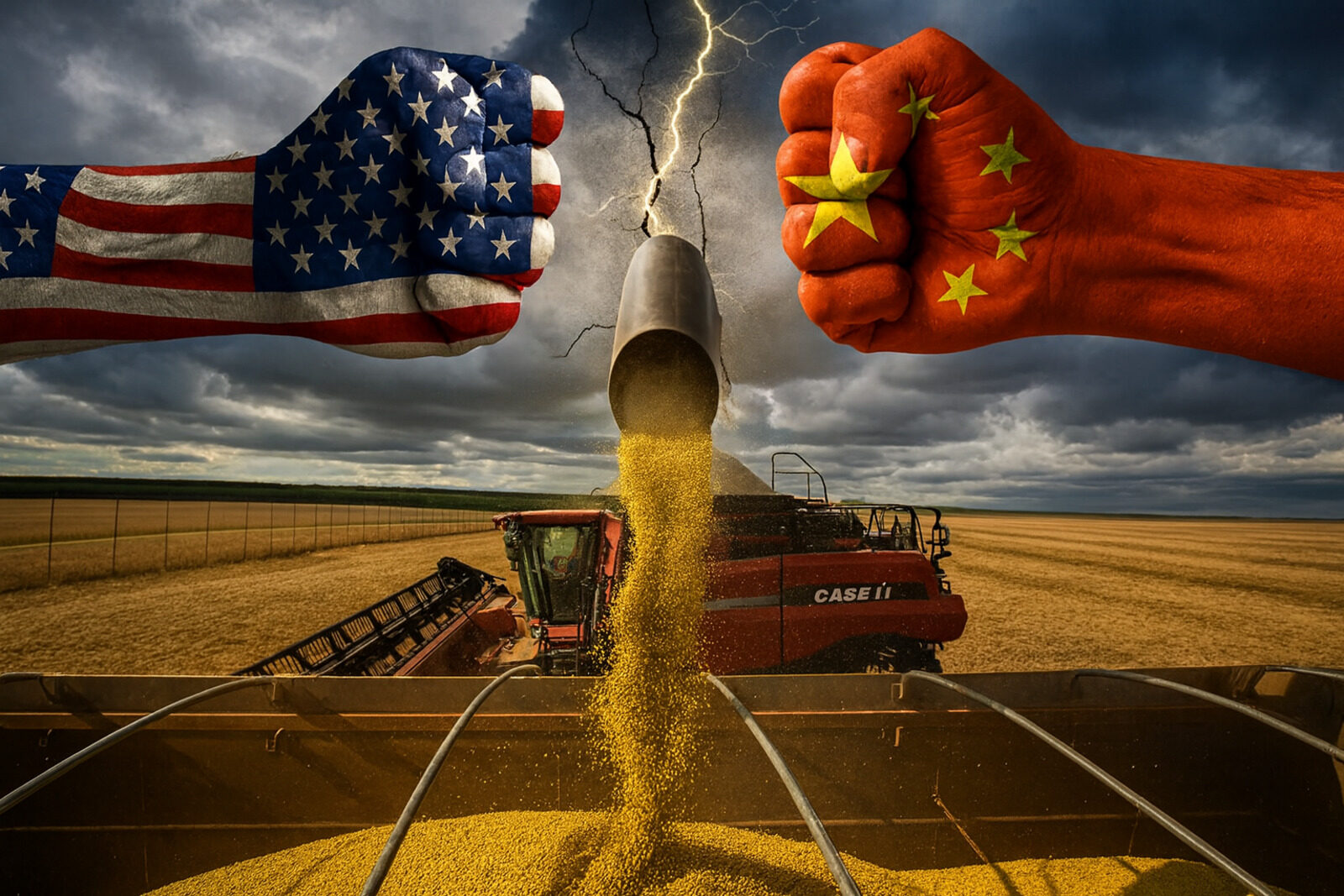
American Farmers Face 2019 Repeats: Promising Crop, but Trade War with China Keeps Soy Prices at Historic Lows
For farmers traveling through the Heartland, the central region of the U.S.nids, the feeling is one of déjà vu. The year 2019 seems to have returned. This is because Donald Trump has returned to power, the trade war with China has gained momentum again, and soybean prices remain near the lowest levels in years. Additionally, the prospect of larger harvests contributes to an even more challenging environment.
This scenario became evident at the Pro Farmer Crop Tour, which began on Monday and will travel through seven states until it reaches Minnesota on Thursday.
More than 40 producers, analysts, and journalists participate in the journey. Many remember that, in 2019, they encountered very similar conditions.
-
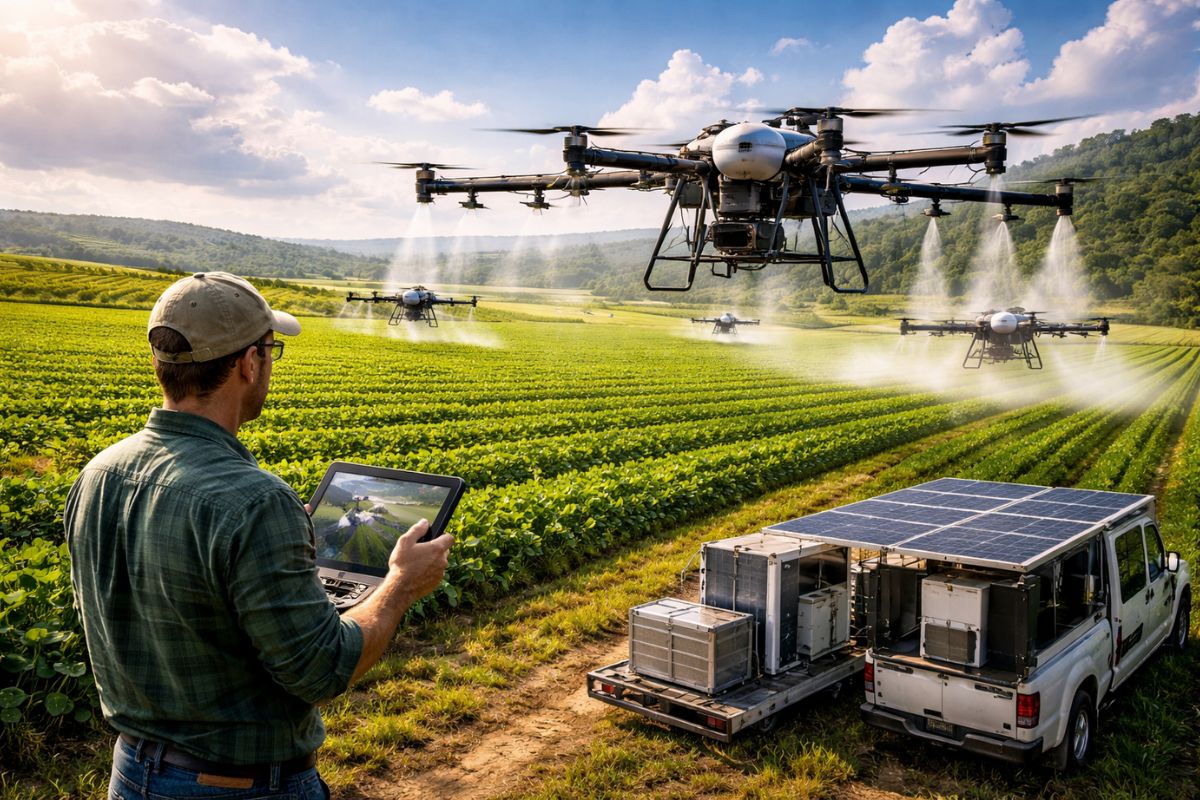
Alone, the producer applies 7,400 hectares with the T100 drone in an optimized structure, replaces the generator with a silent battery, and demonstrates how technology reduces costs, increases productivity, and even challenges the uniport in the field.
-
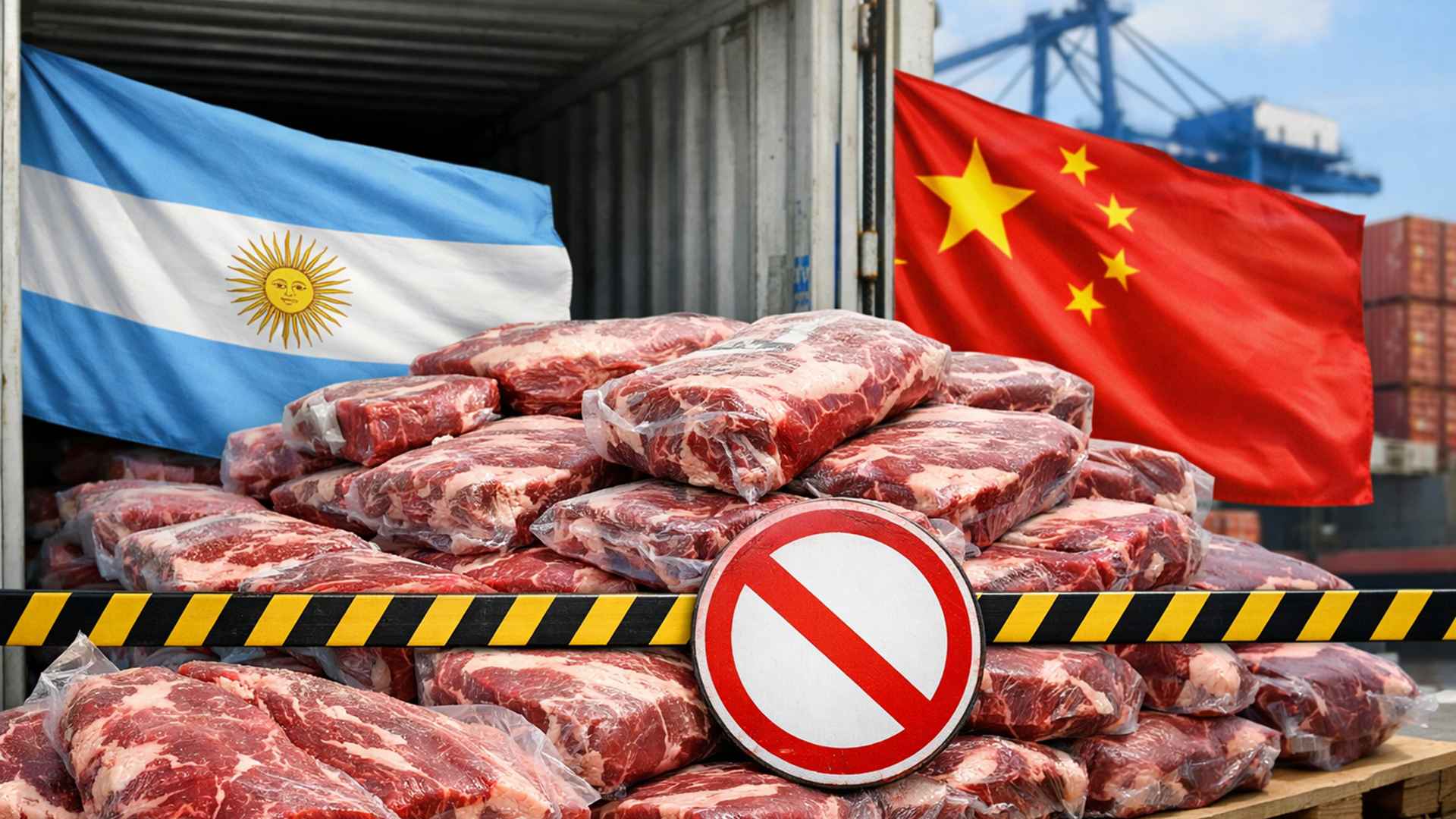
China banned the export of 22 tons of meat from Argentina.
-
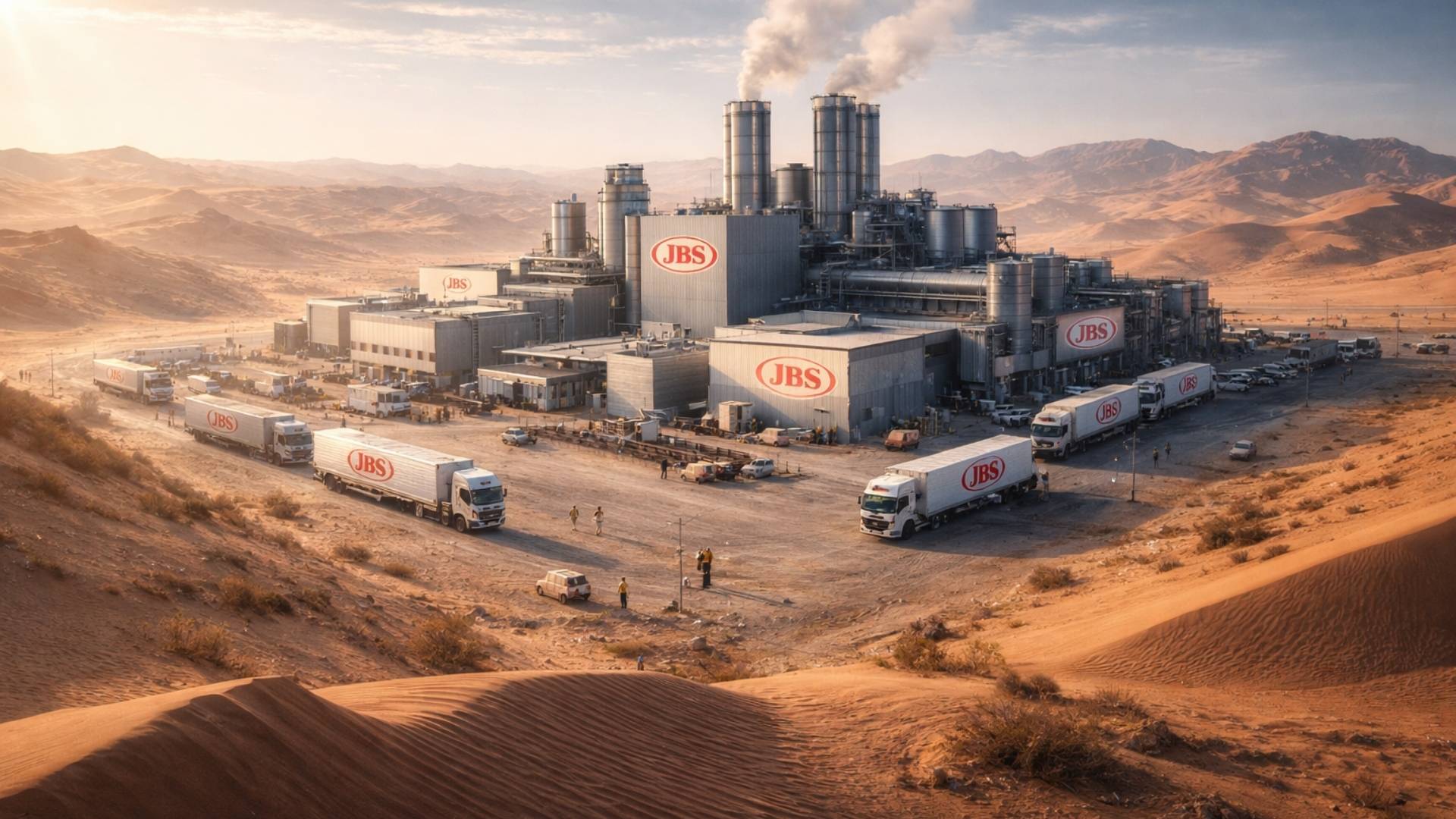
JBS, founded by the Batista brothers, continues to conquer the world: entrepreneurs built a ‘factory in the desert’ creating 3,000 jobs.
-
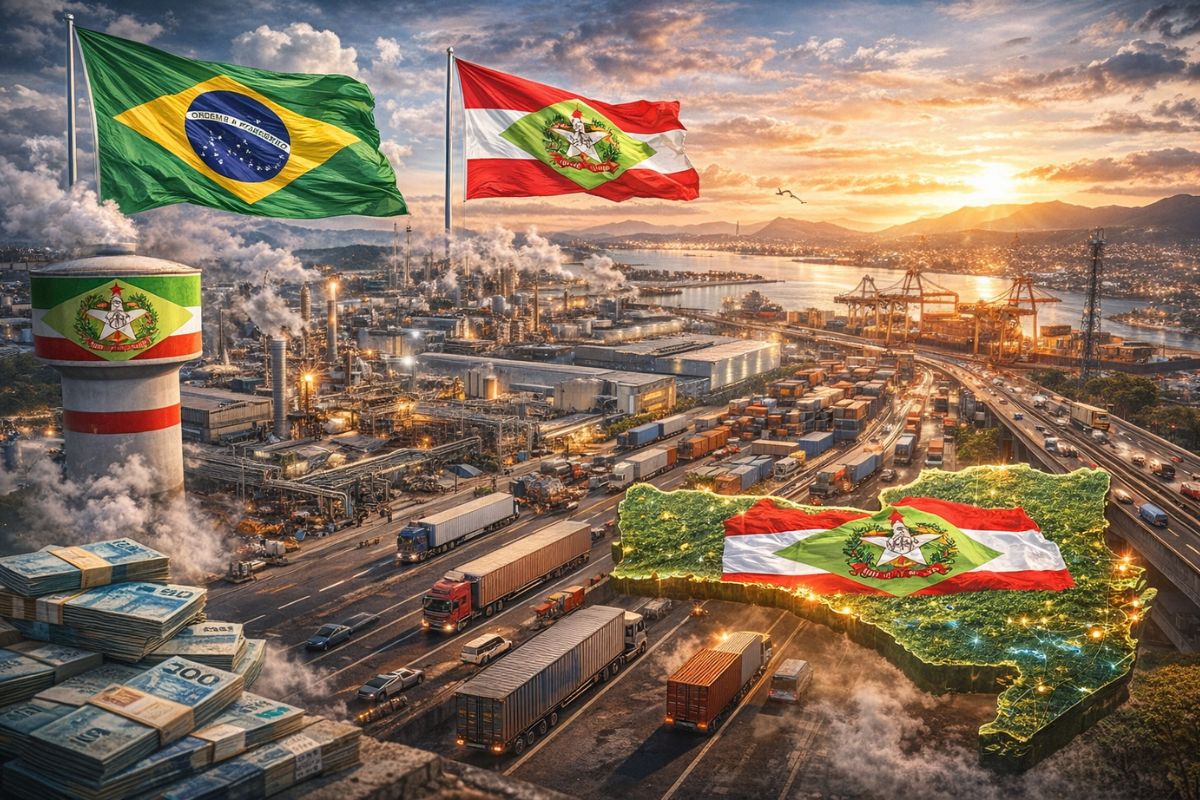
With only 1% of Brazil’s territory, Santa Catarina has built one of the most competitive industrial parks in the country, with 64,000 companies, nearly 1 million jobs, and a growth rate of 5.3% while the national industry is practically stagnant.

That year, tensions were so high that even a U.S. Department of Agriculture official received threats.
Today the environment is calmer, but anxiety is growing. Most importantly, the U.S. has not sold even one load of soy from the harvest that will be collected starting next month.
Voices from the Field
“I just wish they would start buying again, ” said Bill Timblin, a Nebraska farmer participating in the tour.
This statement encapsulates the concern of producers who form an electoral bloc significant to Trump and now face uncertainties at harvest time.
Caleb Ragland, president of the American Soybean Association, sent a letter to the president. In it, he warned that producers are nearing a “commercial and financial cliff” and would not withstand a prolonged war against China.
He called for an agreement to eliminate tariffs. “Soybean producers are under extreme financial stress,” he wrote. Input and equipment costs are rising, while prices continue to fall.
A grain price index monitored by Bloomberg reached its lowest level this month since the pandemic of 2020, signaling additional difficulties.
Tour Results
The first estimates from the Pro Farmer Crop Tour indicate larger corn harvests in all states, with the exception of Illinois. Regarding soy, only Indiana reported numbers below those of last year.
So far, participants have visited Ohio, South Dakota, Indiana, Nebraska, Illinois, Iowa, and Minnesota. The final result will be announced on Friday.
The USDA projects a record corn harvest starting in September. Although producers have reduced soybean planting, yields are expected to hit records.
Therefore, even with a smaller production than last year, the harvest is likely to be robust.
Under normal conditions, China buys, on average, 14% of its soy from the U.S. even before the harvest begins in September.
This year, that did not happen. This absence weighs heavily from Chicago to the Pacific Northwest ports, the main export corridors to Asia.
Trade Outlook
Steve Swanhorst, a South Dakota farmer, said he was not surprised. For him, Trump has always made his plans clear, including regarding tariffs and immigration.
“We had to know that things were going to get tough,” he commented. Still, he acknowledged that the president is not afraid to take risks. “You have to give some credit to Trump because he is not afraid to think outside the box.”
Chip Flory, the host of the tour since 1988, remained optimistic. “China needs soy, ” he said. “There will come a time when they will have to book grains.”
In Washington, the tone was similar. Jim Sutter, executive director of the U.S. Soybean Export Council, expressed confidence that some kind of agreement will be reached soon. “We don’t know exactly when, ” he said.
New Markets
American officials also highlight alternatives outside China. Luke Lindberg, USDA Undersecretary for Trade, explained that the government has created real opportunities to open new markets.
According to him, sales to other countries are already increasing. “The harvesters are running, and we need to sell this soybean harvest worldwide,” he declared. “There are agreements on the horizon that will have a significant impact on the American farmer.”
Despite the positive tone, the atmosphere of uncertainty remains strong. The Chinese absence in purchases raises concerns at a time of expectations for large harvests. This reinforces the fear of an even greater drop in prices.
Recent Memories
At the Iowa State Fair, the mood was one of alert. Aaron Lehman, president of the Iowa Farmers Union, recalled that during Trump’s first trade war, China sought soy from South America.
“The last time we went through this, we lost a lot of customers overseas and they didn’t return,” he said. He grows corn, soy, and hay in Polk County.
The leader emphasized that trade is the main concern today. “We know there are things we need to do to achieve fair trade for farmers, but we are not getting any closer to that with this approach.”
Therefore, as the machines prepare to start harvesting, farmers face a dilemma. On one side, a promising harvest.
On the other, uncertainty about the largest buyer. The memory of 2019, now replayed, reinforces the feeling that history may repeat itself — with even greater risks for American agriculture.
With information from Bloomberg Línea.







-

-

-

-

-

16 pessoas reagiram a isso.