





 Portuguese
  English
  Spanish
  5 min of reading
  0 comments


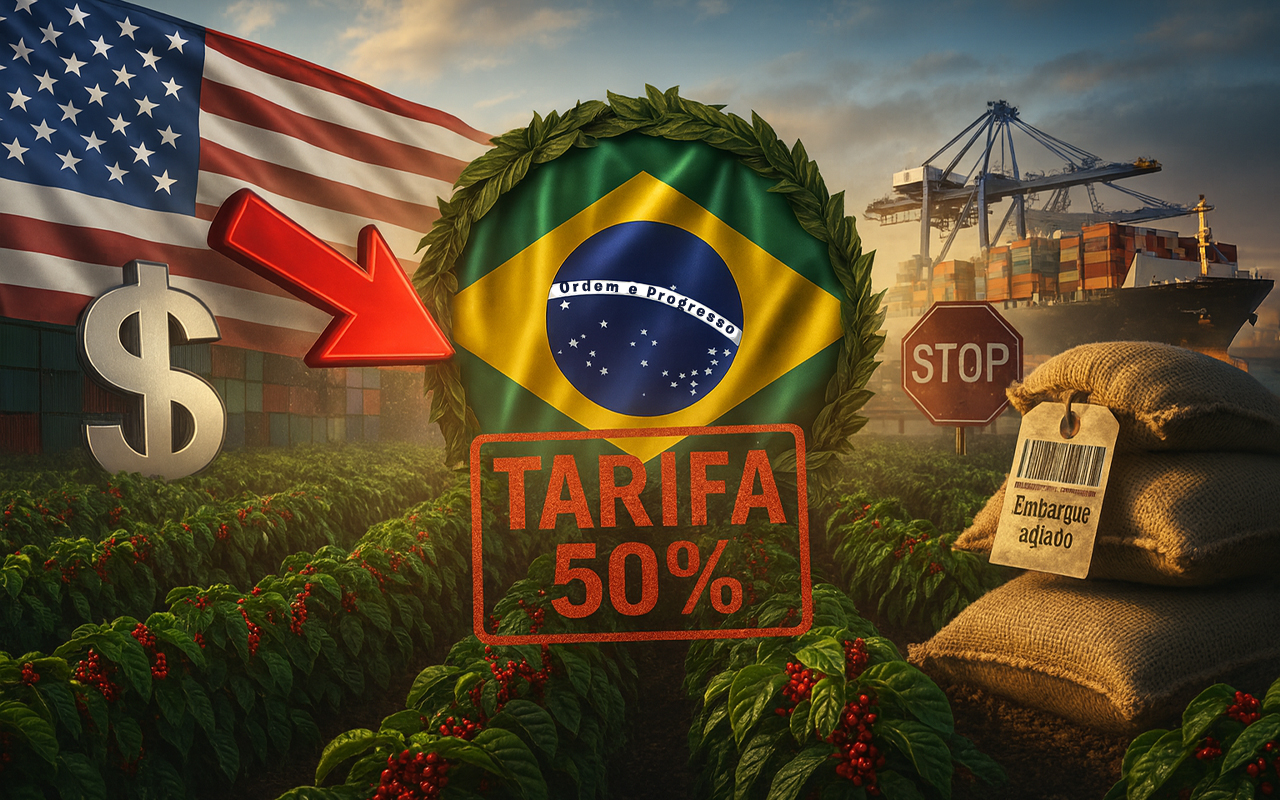
The 50% Tariff by the U.S. on Brazilian Coffee Has Already Reached the Interior, and Small Producers and Cooperatives Feel the Pinch in the Cash Flow, with American Buyers Delaying Shipments and Reducing Contracts, the Price to the Producer Falls, and the Deadlines Get Longer.
The 50% tariff imposed by the United States on Brazilian coffee is not a distant noise in the international market. It has already appeared in the conversations of cooperatives, in the cost accounting, and in the uncertainty of those who depend on the harvest to pay salaries and keep the crops alive. The hardest impact tends to fall on small producers, who have less financial cushion and greater difficulty negotiating terms and prices.
Since the beginning of August, American buyers have slowed the pace of new contracts with Brazil and have started to postpone shipments, awaiting diplomatic developments and assessing short-term stocks. The delay, for those selling, means locked cash flow, higher financial costs, and risks of price loss.
At the same time, the possibility of trade diversion is gaining strength. Part of the volume historically destined for the U.S. may shift to China and Europe, a movement that doesn’t happen overnight and requires logistical and commercial adaptation.
-
Unemployment rises again to 5.8% at the beginning of 2026, raising alarms about the end of temporary positions and its impact on the Brazilian job market.

-
Document organization can cut invisible costs in small businesses, a simple step that prevents waste, rework, and losses in daily operations.

-
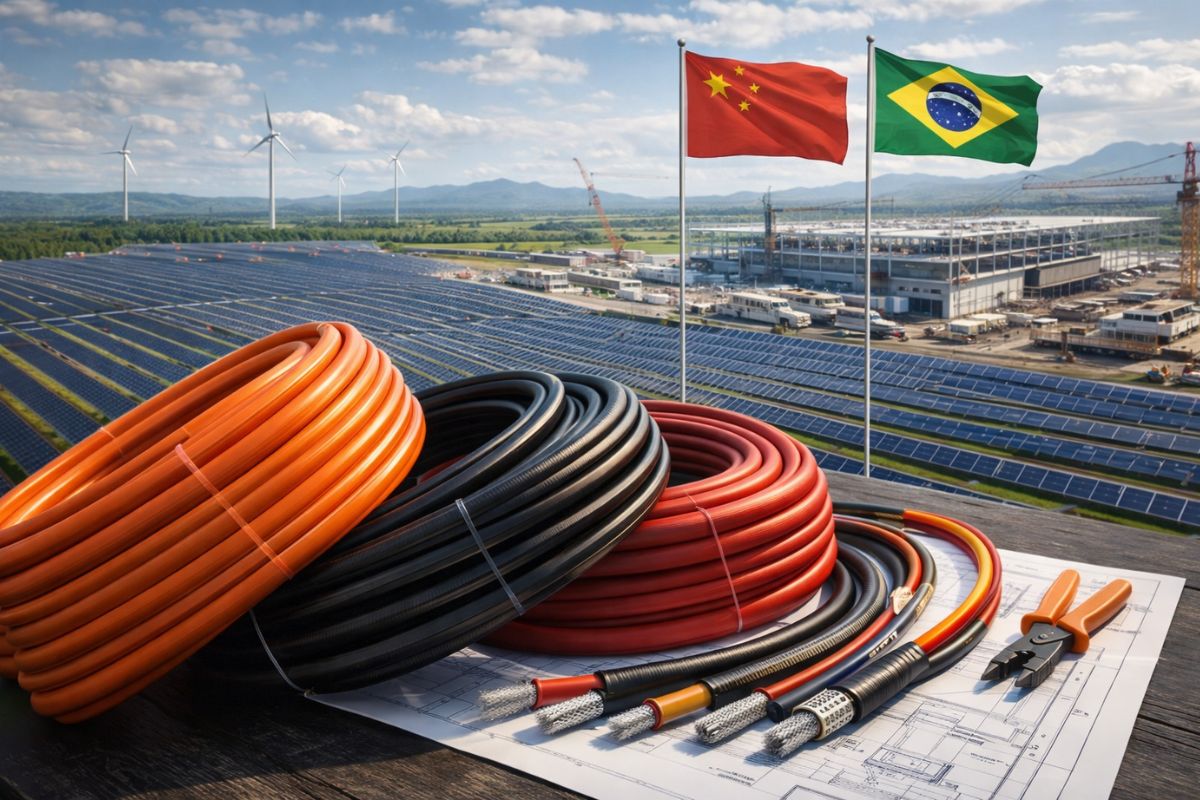
Chinese giant worth nearly R$ 4 billion that manufactures cables for electric cars, solar energy, and robotics wants to open a factory in SC.
-
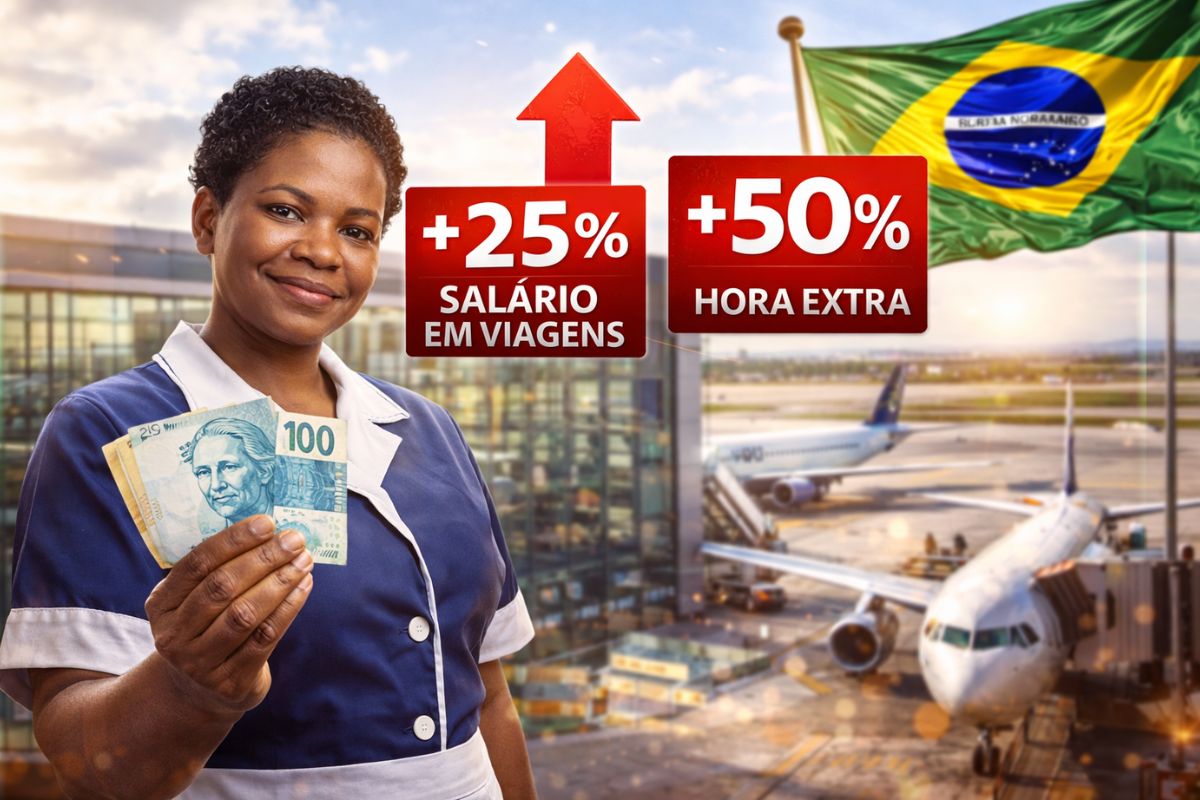
Many employers do not know, but the law guarantees domestic workers a 25% increase in salary during trips, 50% for overtime, 20% for night shifts, and 17 additional benefits that can lead to labor lawsuits if not paid.

While the legal dispute unfolds in international organizations, life in the countryside continues. And it is precisely there that the social and economic impact can be most visible, especially in regions where coffee growing structures income and employment.
What Changes with the 50% Tariff by the U.S. on Brazilian Coffee
The measure came into effect at the beginning of August and reshaped the relative cost of Brazilian coffee in the world’s largest consumer market. The U.S. government classifies the tariff as a matter of “national security”, which complicates an immediate reversal. Brazil requested consultations in the WTO, and the U.S. agreed to open this stage on August 19, 2025.
The consultations inaugurate a formal negotiation channel, but do not automatically suspend the tariffs. Meanwhile, cafes and roasters in the U.S. report cost pressure and the risk of passing costs to consumers, a scenario that increases uncertainty about demand for Brazilian origin coffee in the upcoming months.
For Brazil, the shock comes at a significant harvest time. Conab projects 55.7 million sacks in 2025, an increase of 2.7%. Under normal conditions, a significant portion of this volume finds its way to American buyers. With the tariff, the equation changes, and the question becomes: who will absorb the coffee that will no longer go to the U.S. and under what price conditions?
Who Are the Small Coffee Producers and Why Are They More Vulnerable
The foundation of Brazilian coffee farming is made up of thousands of family-owned properties spread across MG, ES, SP, BA, RO, and other states. This universe of small and medium producers is vital to the local economic fabric, driving commerce, services, and rural jobs. When the price at the farm gate falls or is delayed, the impact propagates throughout the entire city.
Small producers often have less working capital, greater dependence on production credit, and less bargaining power. Therefore, external shocks that hinder sales flow or raise financing costs hit this group harder.
The cooperatives help to cushion the blow with joint marketing, technical assistance, and quality. Still, when buyers delay shipments or avoid closing new lots, the pressure reaches the producer in the form of lower prices and longer payment terms.
Besides income, there is a risk of temporary abandonment of areas or cuts in cultural practices, which compromises future productivity. In prolonged scenarios, there could be dismobilization of labor, affecting jobs in the countryside and the city. These are the effects that most concern mayors, cooperatives, and agricultural entities.
Domino Effect in the Field: Price to the Producer, Credit, and Cooperatives
Since the turn of August, the signals coming from the trade are clear: shipments from Brazil are being postponed and new contracts with Brazilian origin are being reduced, in expectation of a political solution. For exporters and cooperatives, this means stocks sitting and higher financial costs, because financing for exports, such as ACCs, becomes more expensive when shipments are delayed. In inverted futures markets, pushing a September lot to December can even generate losses due to month differences, eroding already tight margins.
This equation inevitably impacts the price to the producer. If the cooperative has its treasury under pressure, the tendency is to accelerate internal sales with discounts, extend terms, or hold off on receivables. For the small producer, the sum of input costs, interest, and lower prices creates a squeeze that threatens investment in pruning, fertilization, and subsequent harvests. When this cycle sets in, quality also suffers, and the coffee loses added value, creating a difficult-to-break cycle.
Trade Diversion and New Destinations: China and Europe on the Radar
With the increased cost of Brazilian products entering the U.S., the search for new destinations is growing. China has authorized 183 Brazilian companies to export coffee for five years, effective from July 30. In practice, this opens a door to reallocating some of the volumes that lost competitiveness in the American market.
Europe also tends to absorb a share, while the United States increases purchases from Colombia and Vietnam. However, the diversion requires logistical adjustments, contract negotiations, and, in many cases, blend adjustments in roasting at the destination. In other words, it helps but does not eliminate the short-term shock in rural income.
To mitigate losses, cooperatives with a track record in specialty coffees and certifications can accelerate direct channels to markets that pay premiums for quality and origin. Post-harvest quality and traceability programs tend to be differentiators for recovering unit price when volume is under pressure.










-

-

-

-

-

-

50 pessoas reagiram a isso.