





 Portuguese
  English
  Spanish
  3 min of reading
  2 comments


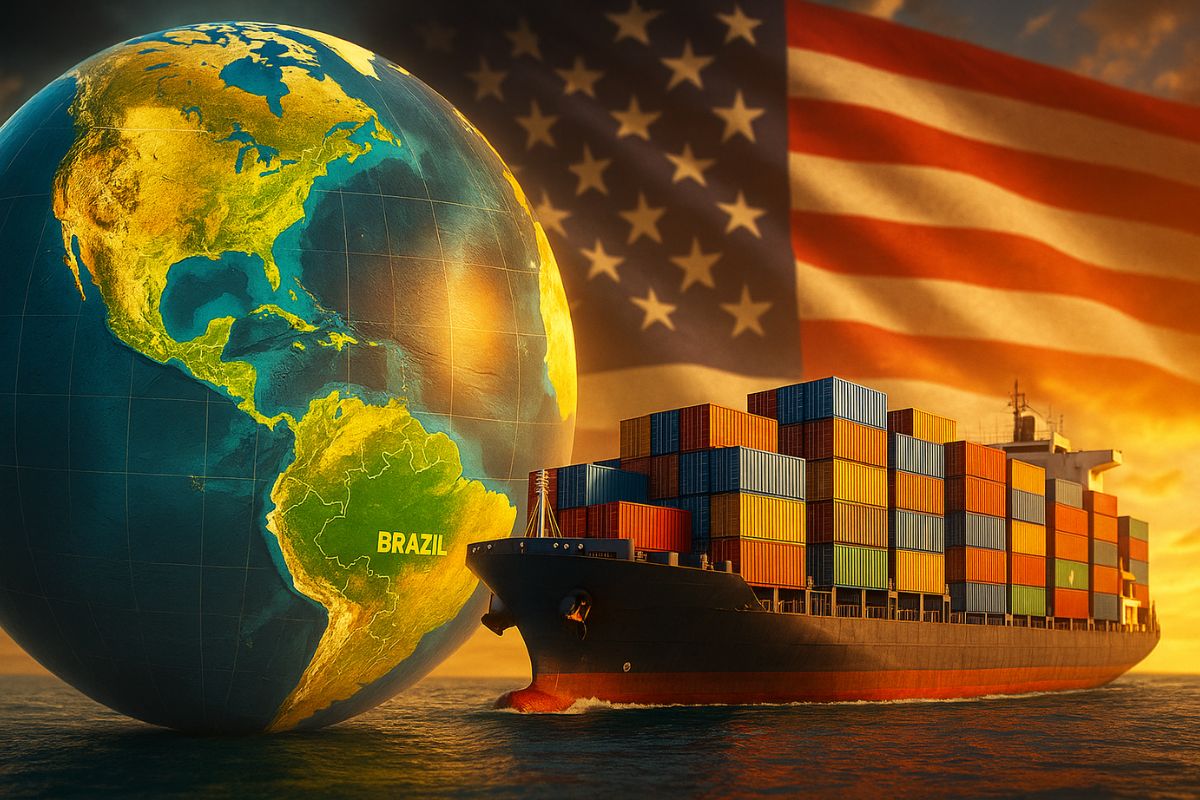


Trump Effect: Founding Members of Brics Seek New Global Alliances. Thailand Eyes Brazil with Business Round and South Africa Strengthens Ties with India to Bypass Tariffs Imposed by the United States.
The impact of U.S. trade policy is beginning to reorganize trade routes on a global scale. The founding members of Brics, hit by tariffs imposed by Donald Trump, are seeking new strategic partners to reduce dependence on the North American market and explore emerging alternatives.
In Brazil, Thailand brings a delegation of 40 exporting companies to an event in São Paulo, betting on sectors such as food, beverages, and auto parts. Meanwhile, South Africa strengthens its approach to India, in a move that signals the growing relevance of South-South trade amid international tensions.
Who Participates in This Trade Realignment
The business round organized by Thailand in São Paulo will feature 40 exporting companies, covering high-potential consumer segments in Brazil. The event, scheduled for August 28 at the Tivoli Mofarrej Hotel, aims to create direct bridges between Thai suppliers and Brazilian importers.
-
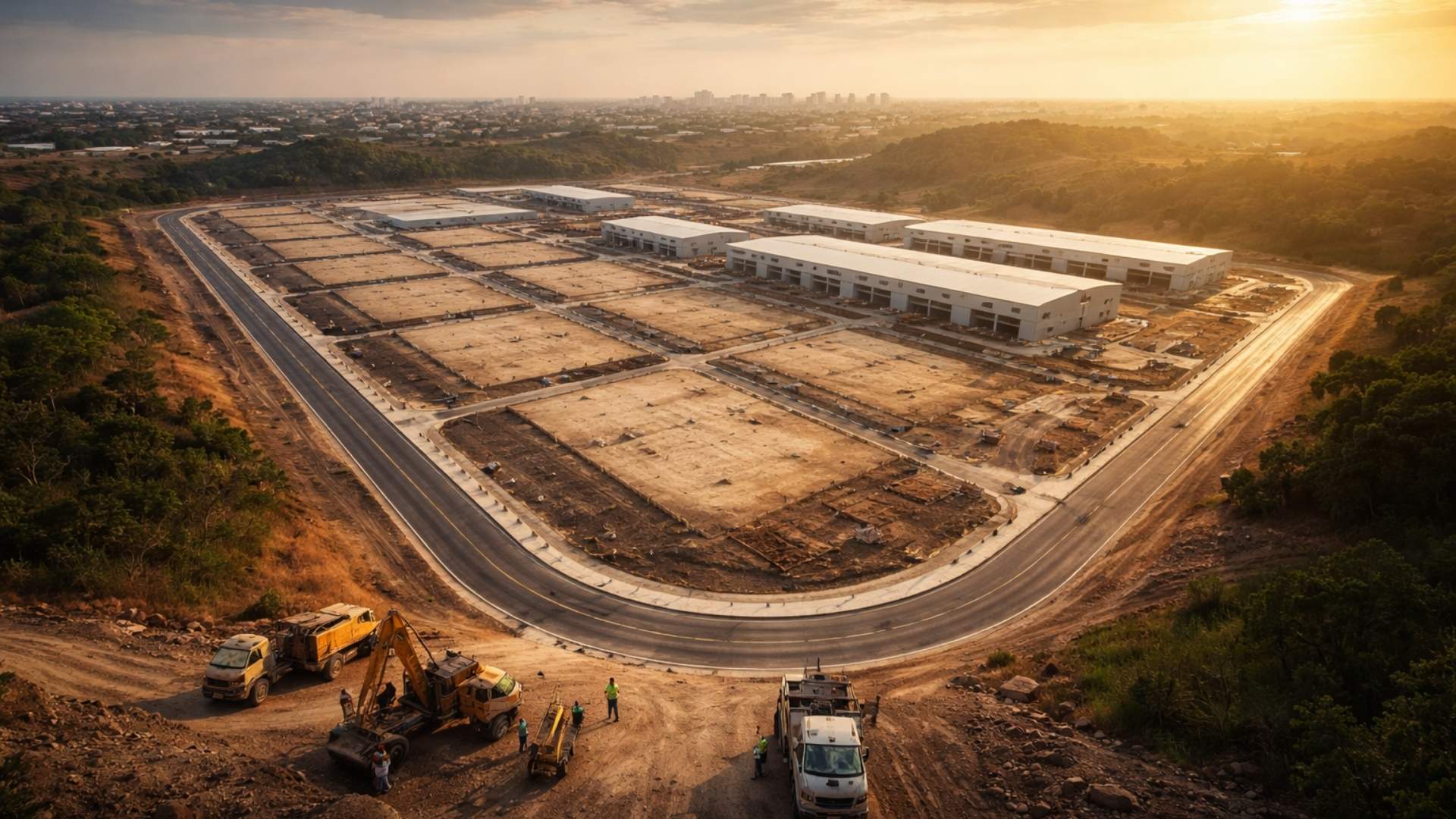
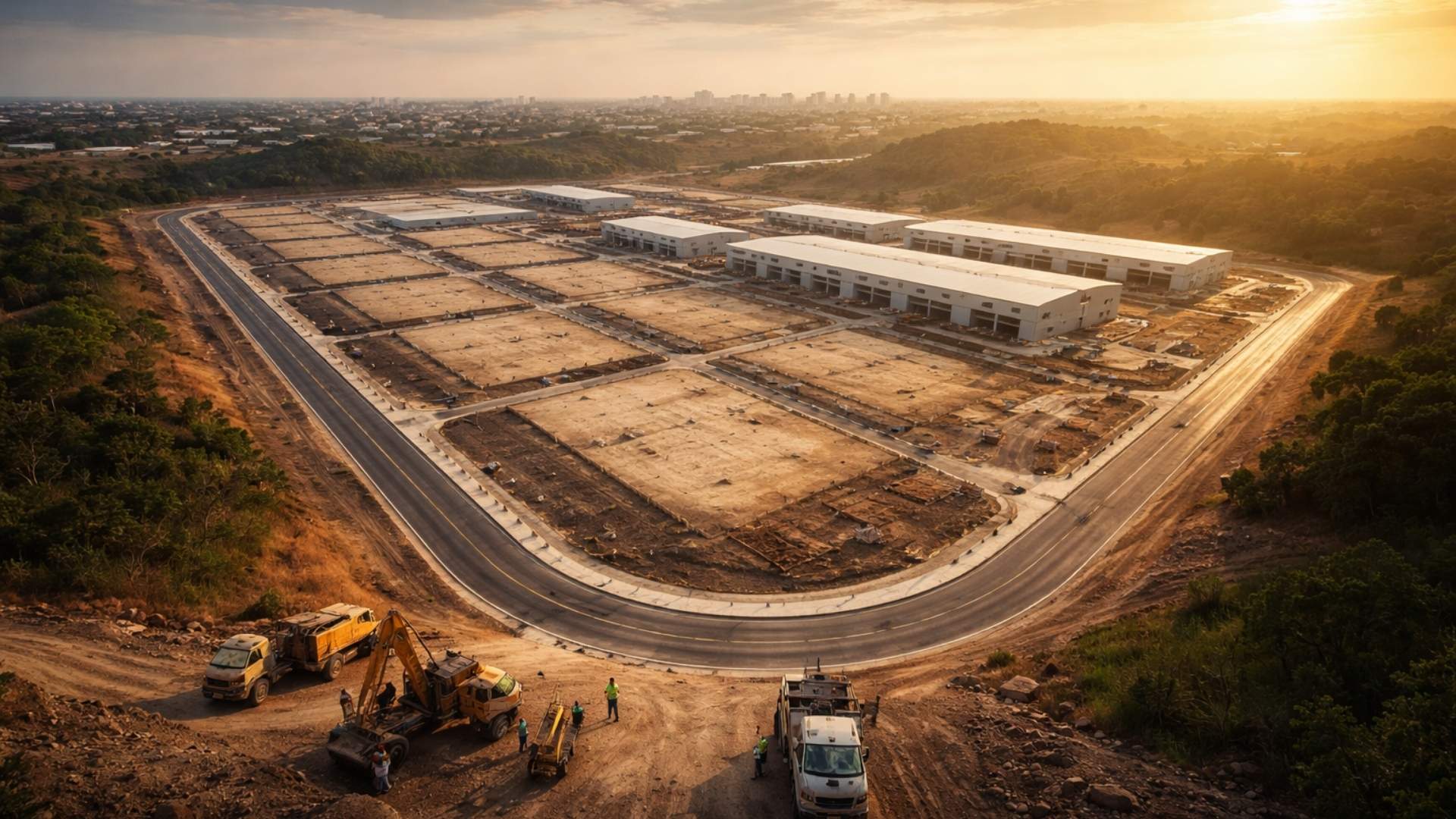
Brazilian city gains industrial hub for 85 companies that is equivalent to 55 football fields.
-
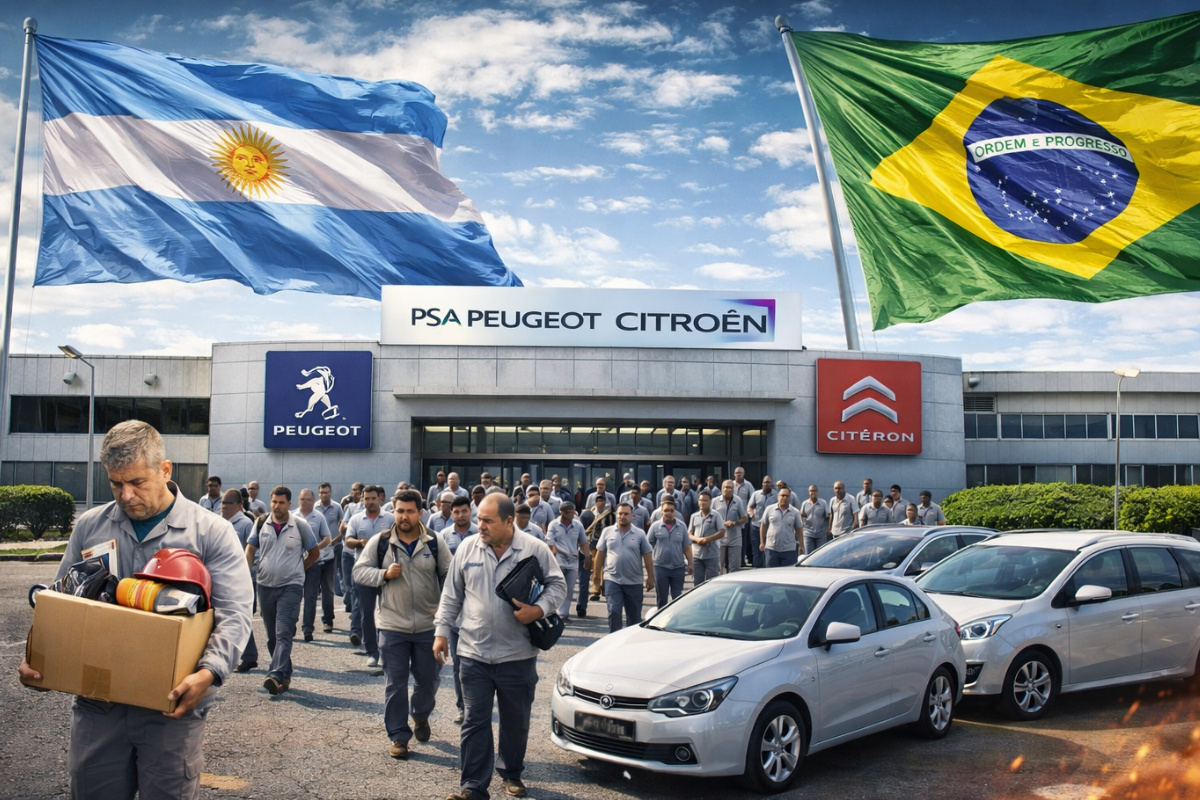
Peugeot and Citroën factory in Argentina cuts production by half and opens a layoff program for more than 2,000 employees after Brazil drastically reduced purchases of Argentine vehicles.
-
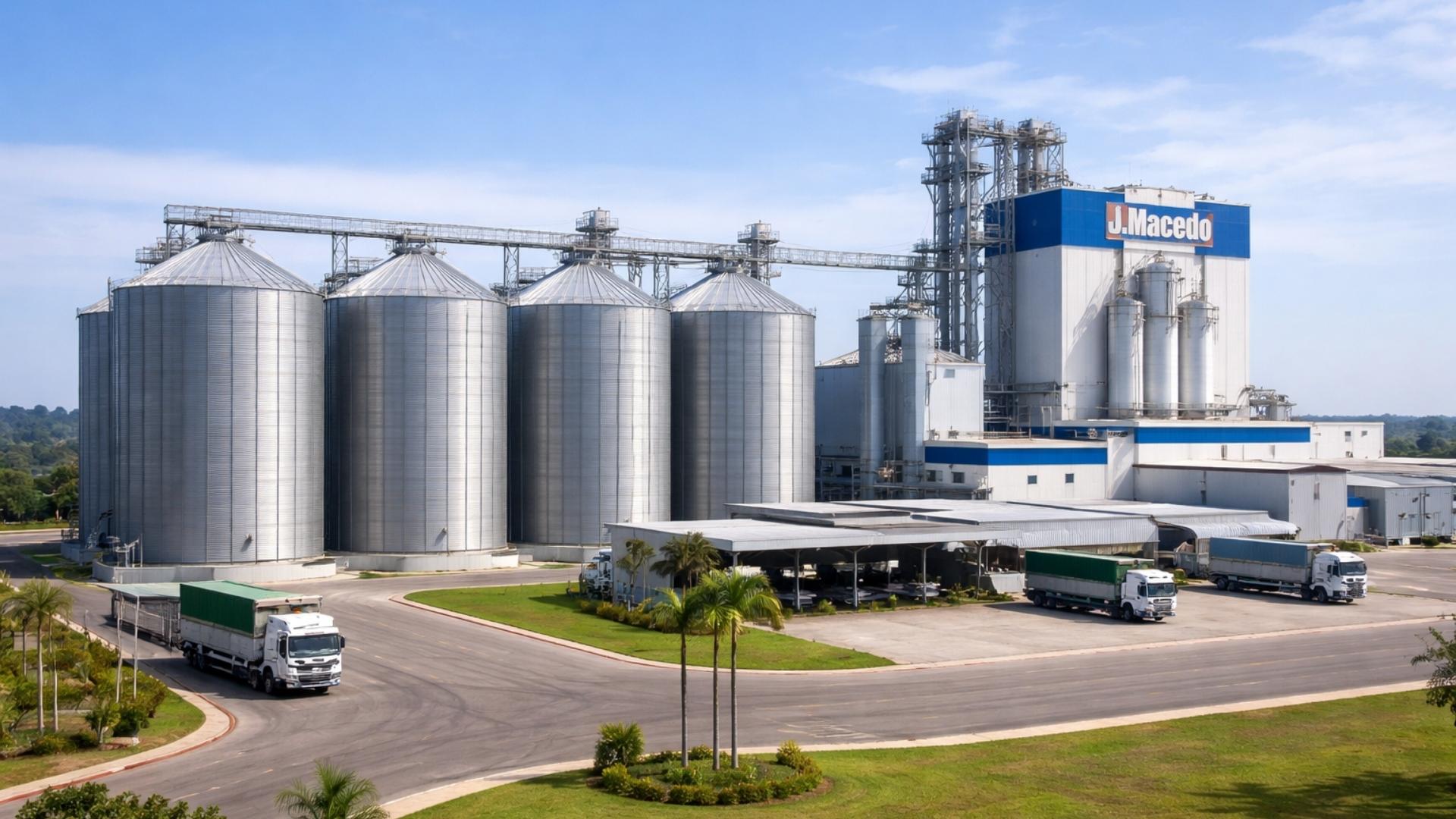
A Brazilian city gains a factory worth R$ 300 million with the capacity to process 200 thousand tons of wheat per year, a mill of 660 tons/day, silos for 42 thousand tons, and an industrial area of 276 thousand m².
-
Havan will leave the shopping mall in Blumenau to inaugurate something that the chain has never done before: a megastore in half-timbered style in the Historic Center of the city, which is expected to be completed in May and change the landscape of local retail.


Meanwhile, South Africa, also among the founding members of Brics, is sending its Minister of Trade, Parks Tau, to Mumbai and Delhi. There, the country participates in the 20th India-Africa Conclave, reinforcing ties with a partner that is expected to become the second-largest global consumer market by 2030.
What Is the Value of This Movement in the Global Scenario
The tariffs imposed by Trump are hefty: 36% on Thai exports to the U.S., later reduced to 19%, 50% against India, and 30% against South Africa. These figures explain the urgent need to reposition trade chains.
India already represents the fourth-largest consumer market for South Africa, with forecasts for accelerated growth. Strengthening this partnership could expand South Africa’s presence in sectors such as mining, automotive, and pharmaceuticals, considered strategic for both countries.
Where Are the New Strategic Agreements Happening
The epicenter of negotiations is divided between São Paulo, Brazil, and Mumbai and Delhi, India. These meetings are not just one-off events: they represent an attempt to change the geography of international trade, opening space for alliances that escape the traditional U.S.-Europe axis.
Brazil, by hosting the Thai round, reinforces its position as an attractive and diverse consumer market. Meanwhile, India, by tightening ties with South Africa, consolidates its role as a pillar of growth within Brics.
Why the Founding Members of Brics Are in Focus
The group formed by Brazil, Russia, India, China, and South Africa is facing a moment of global repositioning. The tariffs imposed by Trump directly impact India and South Africa, but the repercussions reach the entire bloc. The search for alternatives strengthens the South-South cooperation logic, one of the historical banners of Brics.
This repositioning is not just reactive but strategic: by diversifying markets, the founding members of Brics seek to reduce external vulnerabilities and gain greater economic autonomy.
Is It Worth Betting on These New Partnerships?
Experts assess that these movements may generate long-term benefits, enhancing economic resilience and strengthening internal production chains. However, there are also risks: the adaptation costs, bureaucracy in new markets, and regulatory differences may hinder immediate results.
Still, the outlook is that both Thailand and South Africa will gain ground in markets that were previously off the radar, signaling a new cycle of global trade alliances.
Do you believe that the founding members of Brics will be able to transform these initiatives into concrete gains? Or will the Trump effect merely be a temporary obstacle? Share your opinion in the comments and join the debate.








Creio que tanto os BRICs assim como principalmente o Brasil tem o dever de se defender e de se proteger através dessa aliança estratégica contra a truculência e as brutais sansões americanas!!!
A cara de **** e o cinismo chegam ao ponto de abrirem uma investigação sobre o PIX sob alegação de que fere os Interesses americanos!!!
Os Brics vieram pra ficar