





 Portuguese
  English
  Spanish
  3 min of reading


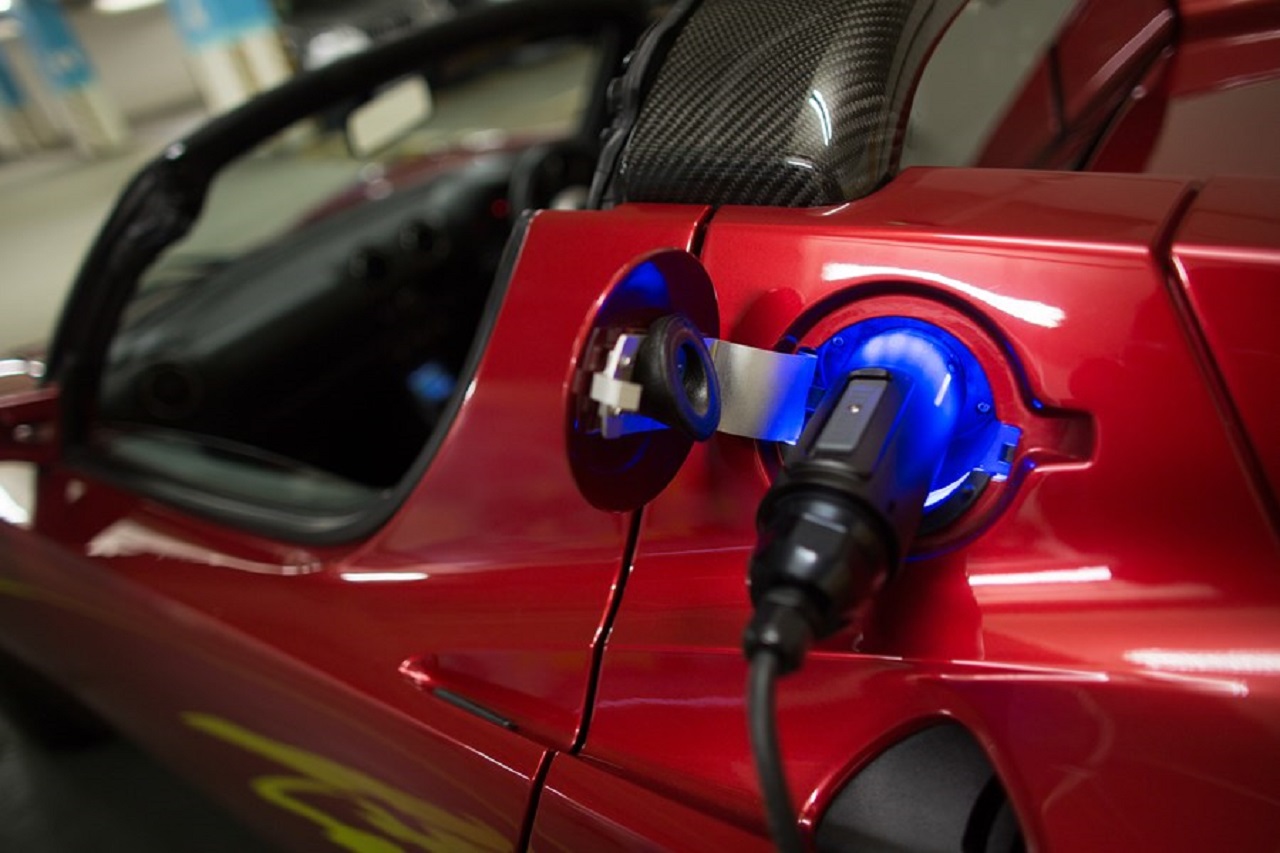
With improvements in the electric grid of Brazil and investment in renewable energy sources, electric cars perform better and are more efficient when recharged on Brazilian soil. According to research, the same model of electric car does not have the same efficiency when recharged in European countries due to the less clean electric grid
Both in Brazil and around the world, it is already anticipated that fossil fuel engines are counting down their days, as several countries already have medium and long-term projects where they organize solutions to partially and/or completely ban gasoline and diesel. This is due to the high emission of gases that has arduously affected the environment, in addition to bringing numerous consequences for the planet and also for human and animal health. For this reason, several companies, dealerships, and vehicle manufacturers have been increasingly developing models of electric or biofuel-powered vehicles (ethanol or green hydrogen) in recent years.
Read Other Related News
- Danish multinational Vestas wins maintenance and operation contract for 155 wind turbines in Bahia
- ABSOLAR projects even greater expansion of solar energy after approval of the self-generation bill
- Brazil, USA, and Mexico are leaders in the Americas in wind energy production
- Federal Government approves pilot project for oil and natural gas exploration and production in unconventional reservoirs
- Diesel price ends 2021 at Brazilian fuel stations more expensive! Ticket Log indicates that the fuel will close the year 46.1% more expensive than in 2020.
ARTICLE CONTINUES BELOWSee also
-
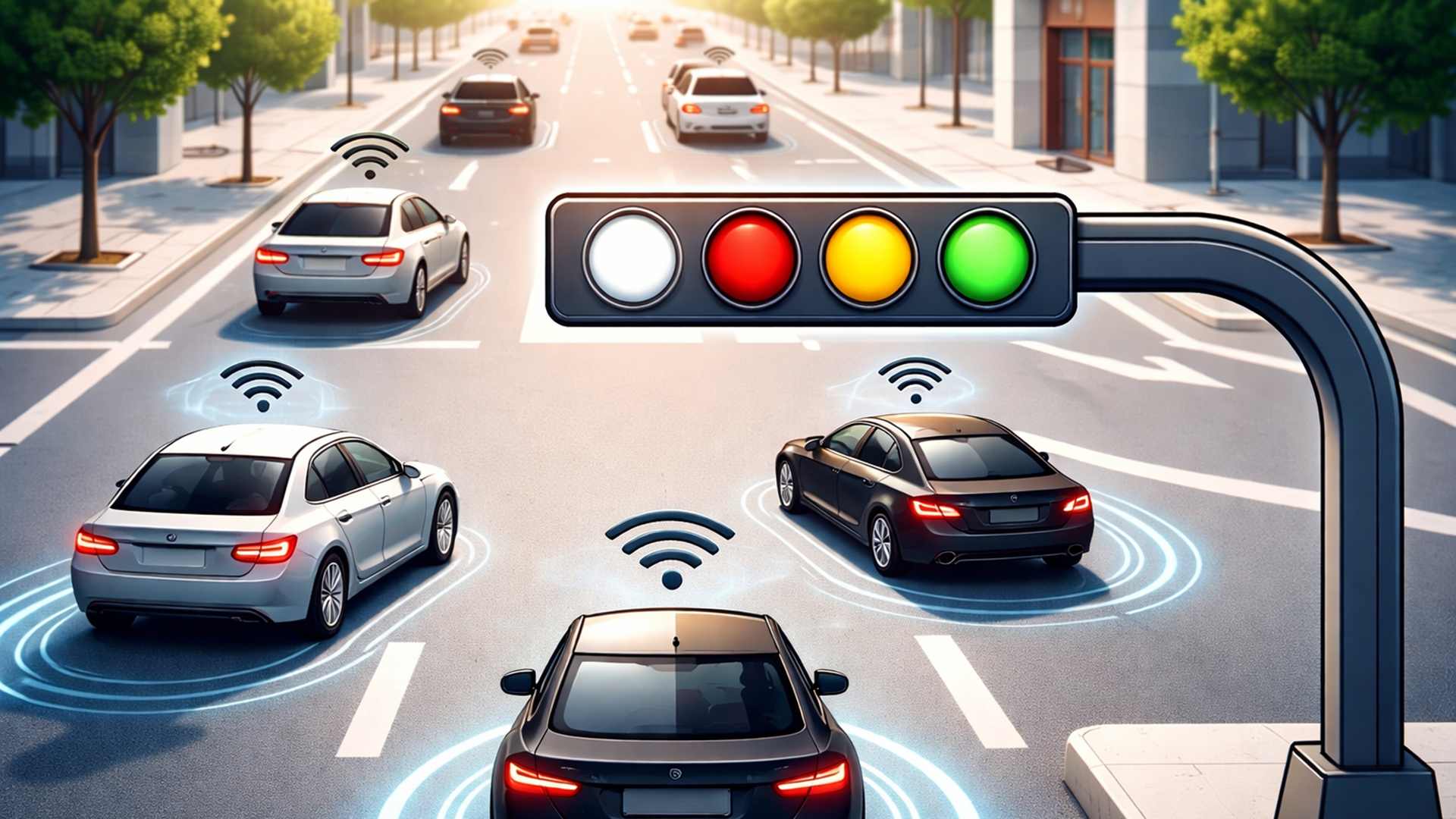
Engineers propose a fourth traffic light for intersections – the change promises to affect crossings, queues, and waiting times.
-
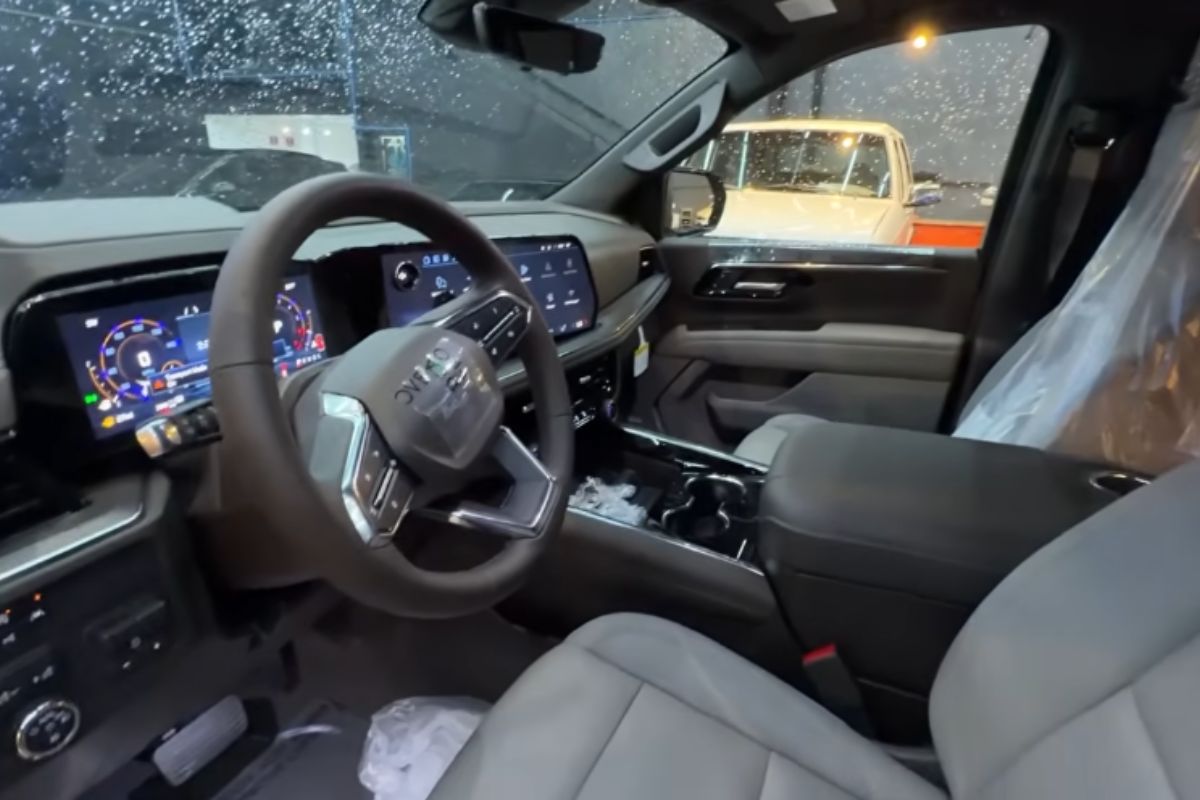
Chevrolet Suburban Z71 lands in Brazil with a V8 engine, off-road design, air suspension, seven seats, and colossal size, a rare version imported for around R$ 1.3 million with luxury and exclusivity.
-
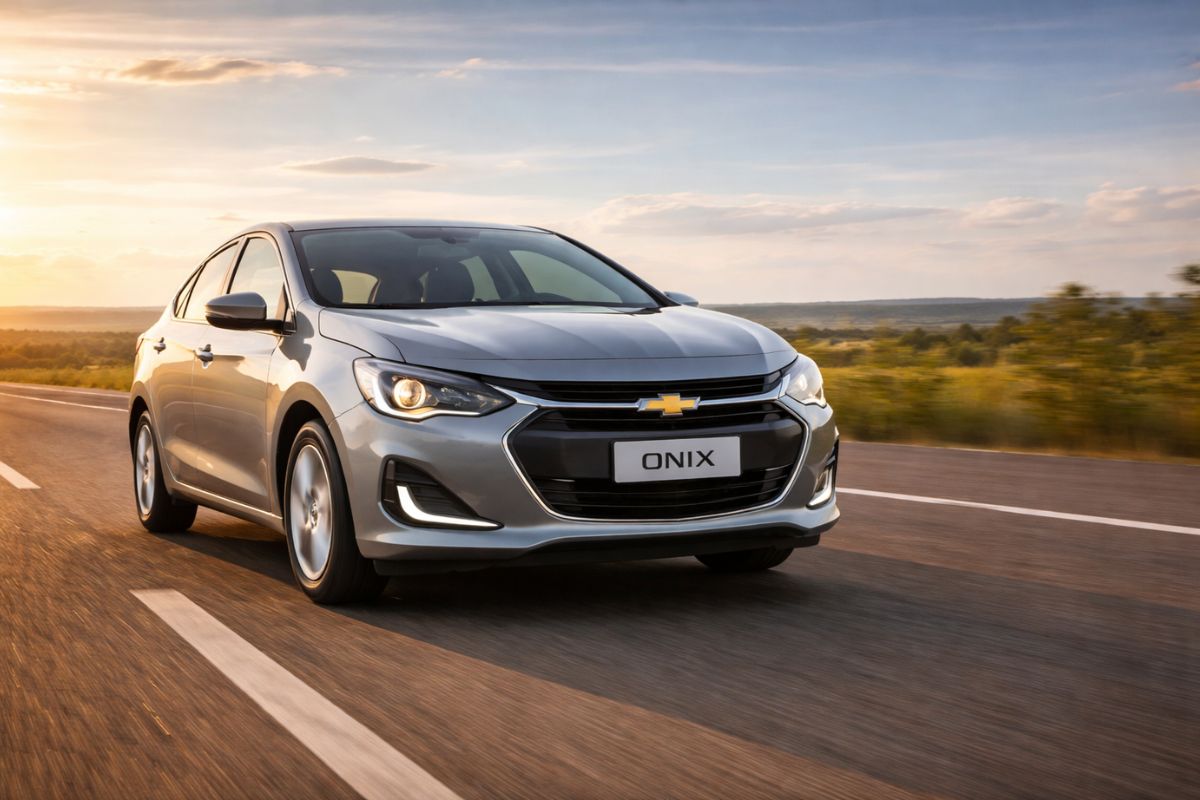
The Chevrolet Onix 1.0 turbo achieves 17.7 km per liter on the highway and ranks among the three most economical cars in Brazil in 2026, alongside two more expensive Toyota hybrids available at dealerships.
-
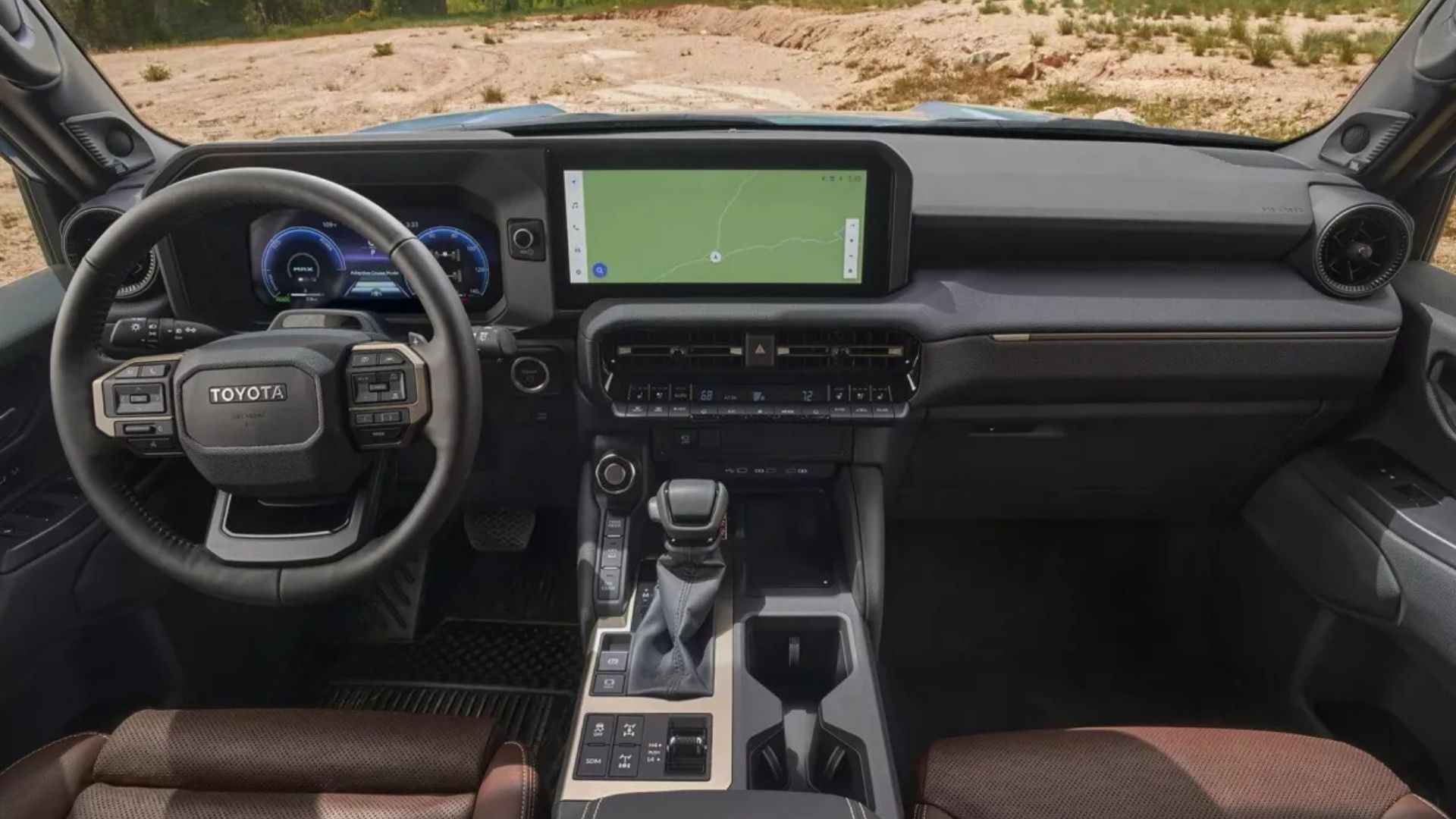
Little sister of the Hilux: Toyota launches Land Cruiser FJ with 4 radical versions, 2.7 engine with 166 hp and 4×4 traction with locking.
-
Indeed, the time has come for consumers to gain a deeper understanding of the world of electric cars. However, it is necessary that, besides knowing the charms of electric vehicles, consumers also check their manufacturers, as not all factories develop vehicles that are powered by renewable energy sources. Therefore, it is good to know and be attentive to the guidelines of manufacturers to have more certainty if the car model offered is one of those that support sustainability.
Cemig Contributes to a More Sustainable Future and Greater Utilization of Electric Cars
According to Reynaldo Passanezi, president of the Companhia Energética de Minas Gerais, Cemig, currently about 100% of the electricity generated by the company comes from clean and renewable sources, making the purpose of reducing greenhouse gas emissions truly concrete, in addition to helping control climate change.

Cemig is contributing to make the electric grid of Brazil cleaner and much less polluting every day. Passanezi stated that the company is planning to increase the dependence of its renewable energy generation park in the coming years.
Differences Between Various Types of Energy and Fuels
Research indicates that, currently, a large part of land, maritime, or air transport uses engines or turbines powered by fossil fuels. However, there is the flex engine, powered by ethanol, which is less harmful to the environment as it uses ethanol in a low-efficiency combustion engine.
In terms of effectiveness and proper operation of an engine, diesel performs 40% better than gasoline, which ranges between 30% and 35%. The engine of an electric car – powered by renewable sources – does not pollute the environment, ensuring more than 90% efficiency.
For combustion engines to be definitively replaced by electric ones, there needs to be a 100% guarantee of the sustainability of the energy source used in the vehicle’s recharging process.
Reference in Generation and Distribution of Renewable Sources
Cemig is currently the only electric company in all of Latin America that is on the most important Sustainability Index in the world, the Dow Jones Sustainability Index, as it produces and distributes only energy from renewable sources.
While Cemig generates and distributes energy from hydropower plants, photovoltaic, or wind sources, many other companies around the world use thermal power plants (gas or diesel) or coal.
Therefore, when it comes to sustainability and environmental preservation, when choosing an electric car, make sure it is recharged through clean energy sources, thus ensuring the realization of the phrase ‘zero emissions.’









Seja o primeiro a reagir!