





 Portuguese
  English
  Spanish
 3 min of reading
  0 comments


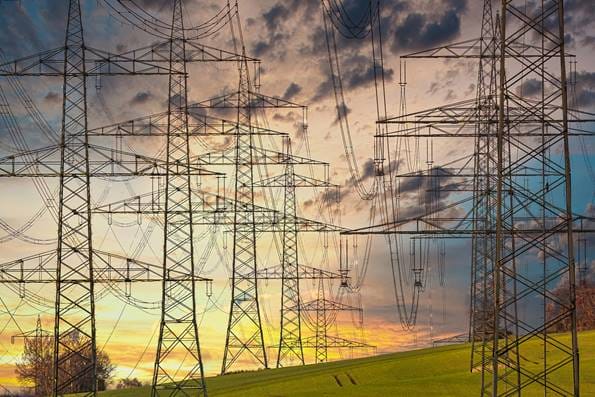
The Rise of Energy Management in Brazil
In the current economic landscape of Brazil, energy efficiency management has become a crucial strategic challenge across various sectors, including industry. According to the Federation of Industries of the State of Rio de Janeiro (Firjan), industries can allocate more than 40% of their operational costs solely to electricity.
Small businesses, according to data from SEBRAE, also face similar challenges, spending up to 20% of their total costs on energy. This scenario extends to other segments such as retail, education, health, call centers, and data centers, where electricity constitutes a substantial part of operational expenses.
Vital Importance of Energy Management
With energy costs being significant and subject to regulatory variations, energy efficiency management has emerged as an essential trend for companies’ financial departments. The goal is to reduce expenses without affecting productivity.
-
Historic bankruptcy of Centauro shocks the market, and the century-old company puts more than 500,000 products, machines, and complete infrastructure up for online auction.

-
New shoe factory in Ceará is expected to create 400 jobs and strengthen the local economy.

-
No one imagined it, but a mixture of sawdust with a mineral that fights fires surprises scientists with a result that changes the course of fire-resistant construction.

-
From empty land to a high-end house, wooden construction uses a lightweight system, metal structure for the foundation, ventilated ceramic cladding, and special windows to create an efficient and comfortable living space throughout the year.


This management involves meticulous budget control, encompassing components such as demand, consumption, taxes, among others, providing a detailed understanding of each element and effective cost control.
If management is not effective, companies may end up paying more than necessary. Proper management allows for detailed invoice analyses, bringing valuable insights for financial planning and more accurate forecasts.
The Impact of the Free Energy Market
The Free Energy Market (ACL – Ambiente de Contratação Livre) plays a crucial role in reducing electricity expenses for large industries, which often consume energy equivalent to an entire city.
Unlike the regulated market (ACR), where energy is purchased through distributors, in ACL, the purchase is made directly with traders. This modality offers greater transparency in costs, an attractive factor for many companies. Currently, about 33,000 consumer units are part of ACL, with a projection to add nearly 170,000 new units starting in January 2024.
Technology as an Ally in Energy Management
Technology is a fundamental tool in adapting to energy market trends. It can automate invoice collection and data capture, forming a robust information database.
This enables the application of advanced cost intelligence techniques to audit invoices, identify errors, and provide insights on cost and consumption optimization. Additionally, technology assists in studying the migration to the Free Energy Market, balancing the benefits and challenges of this transition.
Technological solutions allow for more efficient control over migration, payments, consumption, and organization of the buying and selling of energy surpluses.
Technology also optimizes the work of spending control teams, providing a broader view of trends and external factors influencing companies’ performance. A successful energy efficiency management requires a deep understanding of the sector and weather conditions, something that technology significantly facilitates.
Therefore, it is clear that energy management can both drive growth and compromise companies’ performance if not executed effectively. Investing in solutions that add value and promote efficient management is a crucial trend for companies in 2024, aiming to ensure financial health, strengthen operational efficiency, and establish a strategic energy management focused on the future.
Source: Marcelo Almeida.










Seja o primeiro a reagir!