





 Portuguese
  English
  Spanish
 6 min of reading
  3 comments


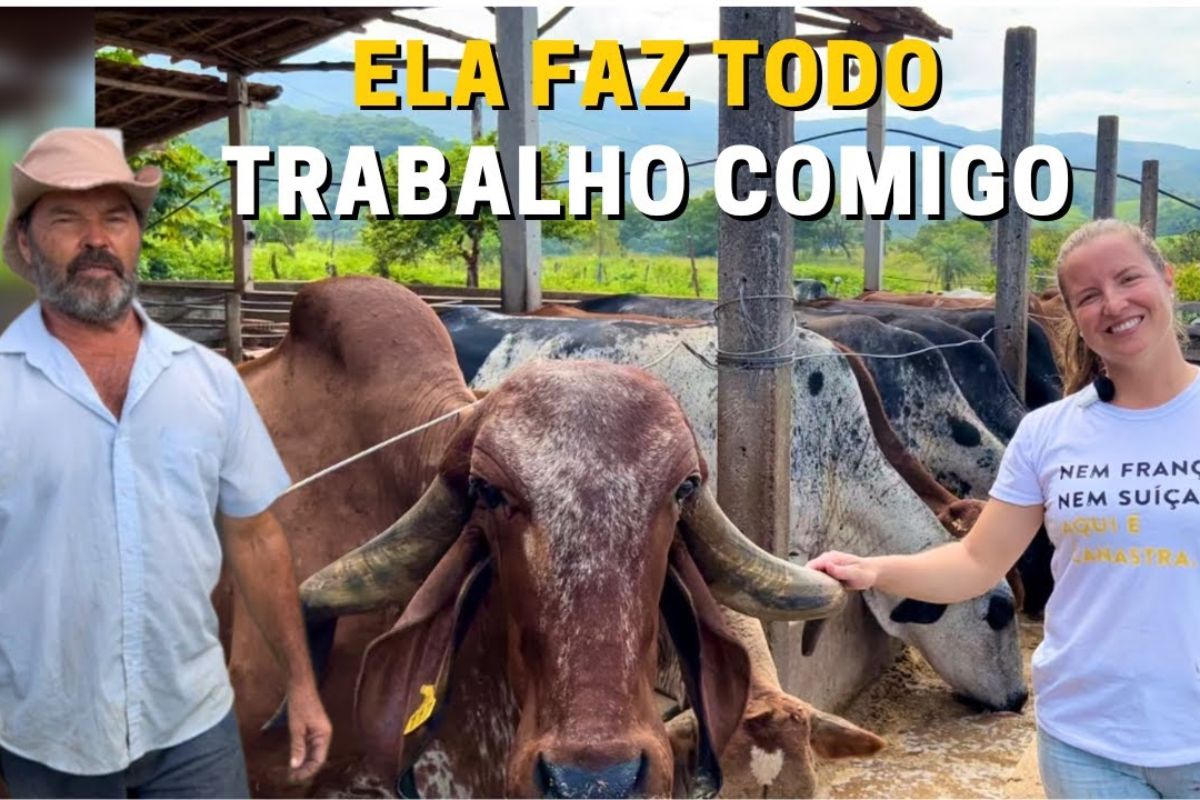


Graduated in Business Administration and Former Real Estate Business Manager, Laí Returned to Her Family Farm in São João Batista do Glória to Professionalize Her Parents’ Cheese Production, Care for the Cattle, Assist with Deliveries, Organize the Farm, and Independently Manage the Online Sales of Artisan Canastra Cheese Across Brazil
After completing her degree in Business Administration and spending time in the real estate market, Laís decided to return to her family’s farm in São João Batista do Glória, in the interior of Minas Gerais, changing the direction of her career and her parents’ rural business, Ebenezer and Luciana, a traditional cheese-making family in the region. It was from this choice that the small herd, the artisan cheese production, and the brand’s digital presence began to move forward together under professional planning.
Today, during milking mornings and farming afternoons, daily life on the family farm combines manual tasks, management decisions, and online business strategy. Among the cattle in rotational pastures, the Canastra cheese in various stages of maturation, and sales organized through Instagram and WhatsApp, the property has transformed rural routine into an organized operation of family agriculture.
From Urban Office to Family Farm

Laís graduated in Business Administration and made her thesis a business plan for the family farm’s cheese-making operation, assessing the technical and economic viability of Canastra cheese production.
-
Alone, the producer applies 7,400 hectares with the T100 drone in an optimized structure, replaces the generator with a silent battery, and demonstrates how technology reduces costs, increases productivity, and even challenges the uniport in the field.

-
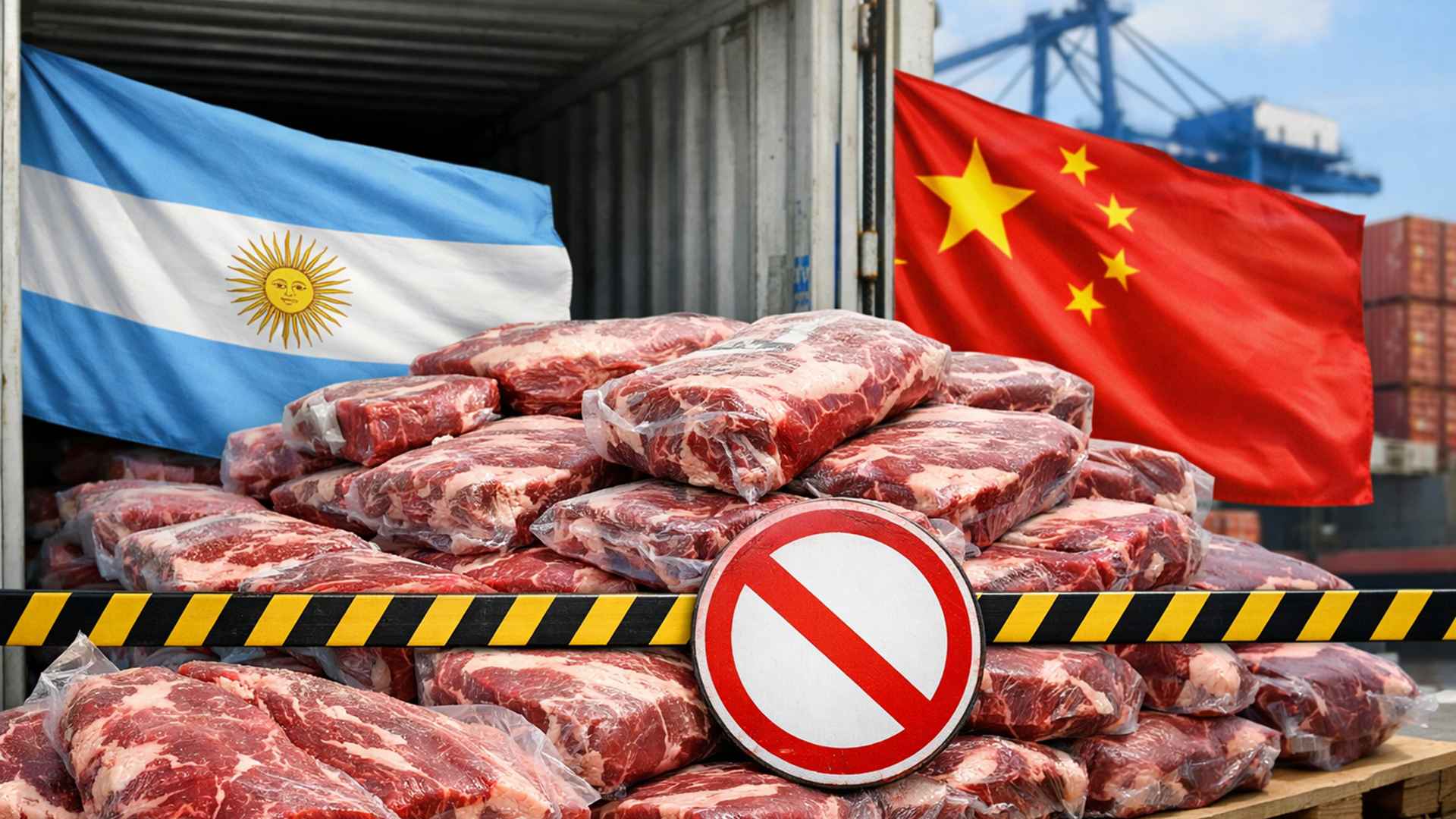
China banned the export of 22 tons of meat from Argentina.
-
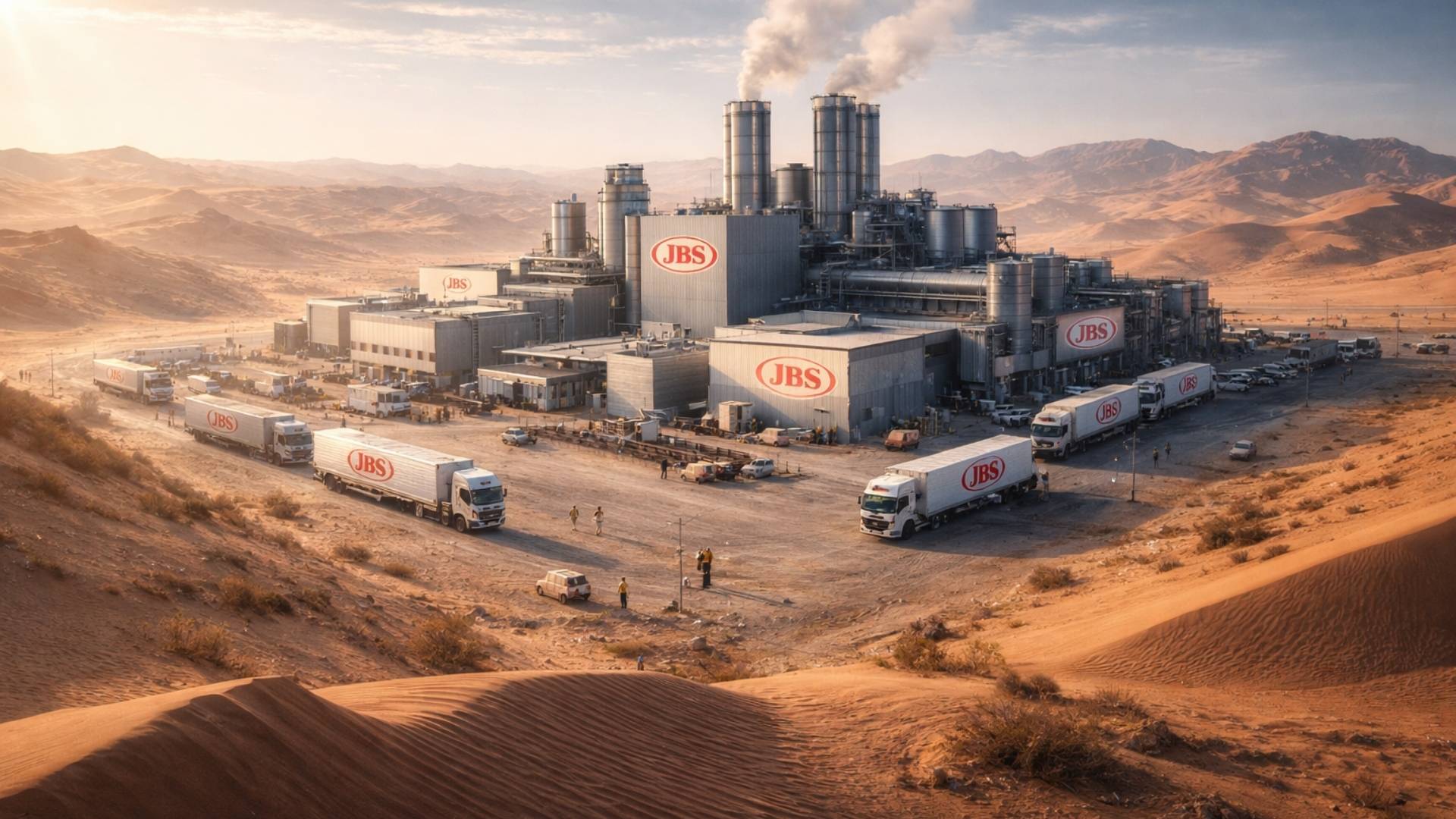
JBS, founded by the Batista brothers, continues to conquer the world: entrepreneurs built a ‘factory in the desert’ creating 3,000 jobs.
-
With only 1% of Brazil’s territory, Santa Catarina has built one of the most competitive industrial parks in the country, with 64,000 companies, nearly 1 million jobs, and a growth rate of 5.3% while the national industry is practically stagnant.


After college, she joined the real estate business administration, but the urban experience ended up serving as a transitional step.
Over time, the priority shifted from the office to returning to the family farm, where her management knowledge could be applied directly to rural activities.
The decision to leave real estate to return to dairy farming and artisan cheese united academic training, rural roots, and the desire to strengthen her parents’ work.
This change marked the beginning of a more professional management of production, without breaking the family character of the farm.
São João Batista do Glória, Fumal, and the Canastra Cheese Routine

The family farm is located in the rural area of São João Batista do Glória, in the Fumal region, approximately 20 kilometers from the town center.
There, the scenery of mountains, pastures, and preserved forest coexists with an organized milking parlor, a licensed cheese-making facility, and a maturation chamber designed to monitor each batch.
In the cheese-making facility, the family produces Canastra cheese with a minimum maturation period of 15 days for commercialization, as well as pieces aged around 40 days, which are denser and more intense, and cheeses aged for 80 days, which are closer in flavor to Parmesan.
All start from the same base of raw milk, varying only by time and curing management.
Each day, around ten to twelve cheeses are produced, which progress in rows through the maturation room, marked with dates for strict control.
Rustic Cattle, Monitored Deliveries, and Natural Management

At the family farm, the dairy herd consists of rustic breeds such as Gir, Girolando, Caracu, and other combinations geared toward pasture production.
Her father, Ebenezer, oversees the livestock daily, but Laís is actively involved in tasks such as separating cattle, vaccinations, deworming, and monitoring deliveries.
During the routine, she observes the cows in the pasture and identifies signs of impending labor, monitoring the progress from a distance to respect the animal’s space and avoid stress.
Direct intervention only occurs when there is a real need, with veterinary support in surgical cases, reinforcing the choice for the most natural management possible.
The cattle are maintained without routine medication use, focusing on health, deworming, vaccinations, and good management practices, which directly impacts the quality of the milk used for Canastra cheese.
Rotational Grazing and Fertilization Guided by Technical Assistance
The productive area of the family farm totals about 50 hectares, but the part actually used by the dairy cattle is just under 20 hectares, distributed across 16 paddocks.
The milking cows rotate through these paddocks in a rotational system, entering pastures at their peak and exiting before excessive degradation, preserving vigor and regrowth capacity.
The management was structured with technical support from Senar and Emater of São João Batista do Glória, which guided the appropriate use of fertilization based on the farm’s reality.
Instead of completely replacing the grass, the family began to fertilize the paddocks in a planned manner, increasing green mass production, pasture quality, and milk volume per cow.
The result was a significant increase in production just by improving management, without expanding the area.
Pre-Seeded Hay, Goodbye to Corn Silage and Winter Oats
Another important change in the family’s routine was the substitution of traditional corn silage with pre-dried hay in briquettes, a compact product that is hydrated on the farm.
Each kilogram of dry matter is expanded with water until it reaches around six kilograms in the trough, forming a kind of “soup” mixed with a non-urea feed.
This model reduced losses, facilitated storage in a smaller space, and eliminated reliance on third-party silage services, which previously resulted in uneven quality silage.
Simultaneously, an old area of corn silage has been revamped with winter oats planting, a crop that allows for maintaining forage supply when the grass goes dormant.
Thus, the dairy herd alternates between paddocks of fertilized grass and areas of oats, always supplemented with pre-dried hay in the trough.
Cheese-Making, Sweets, Liqueurs, and Organizing Online Business
Within the cheese-making facility, Laís’ mother, Luciana, is responsible for much of the production, especially the more refined culinary aspects.
In addition to Canastra cheese, she prepares dulce de leche, fruit jams from their own farm, coconut sweets, cakes, and liqueurs, including a dulce de leche liqueur aged in regional cachaça.
The organization of orders, deliveries, and the digital presence of the family farm is coordinated by Laís. Through the brand’s Instagram and messaging apps, she receives orders, advises on cheese preservation, and selects drier pieces for long-distance shipping.
Products are shipped to various regions in Brazil via carriers and the Postal Service, with weekly deliveries to nearby cities like São João Batista do Glória and Passos.
All while maintaining the artisanal nature of production and direct contact between the producer and the final consumer.
Family Agriculture, Public Schools, and Local Impact
The family farm is formally classified as family agriculture and participates in food supply programs for public schools through initiatives like the National School Feeding Program.
Cheeses from the property are included in students’ meals in the region, bringing rural production closer to the local community.
This connection with schools reinforces the importance of maintaining strict standards of animal health, milking hygiene, and cheese maturation control.
For the family, each piece sent to schools or final customers represents not only a source of income but also the outcome of a production model that combines tradition, technical assistance, and professional management.
Life on the Family Farm and Future in the Countryside
Laís sees the decision to stay on the family farm alongside her parents as a life project. Her siblings pursued other careers in larger cities, but she chose to manage the cattle, care for the “boys and girls” of the herd, assist with deliveries, plan fertilization for the paddocks, supervise the pre-dried hay, and organize the sales of Canastra cheese and its derivatives.
In practice, the family farm has transformed into an organized rural business, where academic training, technical knowledge, traditional cheese-making, and simple management technology meet daily.
Amidst milking, monitored deliveries, cheese maturation, and customer messages, the farm consolidates a tangible case of returning to the countryside with a professional outlook and a strong emotional bond to the land and the animals.
And you, would you leave the city to return to your family farm and take on an intense routine of cattle, Canastra cheese, and family agriculture in the interior of Brazil?








Eu também larguei tudo para cuidar da pousada da minha família que era do meu pai que contrue a muito tempo atrás
Sim, com certeza eu largaria tudo para ir para o Interior,onde se eu tivesse meus pais estaria com eles.
Com certeza. Estar perto da natureza é sinônimo de uma vida saudável! Excelente reportagem. A sucessão familiar na propriedade é importante, assim como proporcionar terra a quem nela quiser trabalhar. Existem muitos jovens hoje que gostariam de ter esta oportunidade, mas nem sempre a família tem terras. Ou às vezes, a terra já está tão dividida que não supre a manutenção de uma família.