





 Portuguese
  English
  Spanish
  3 min of reading
  3 comments


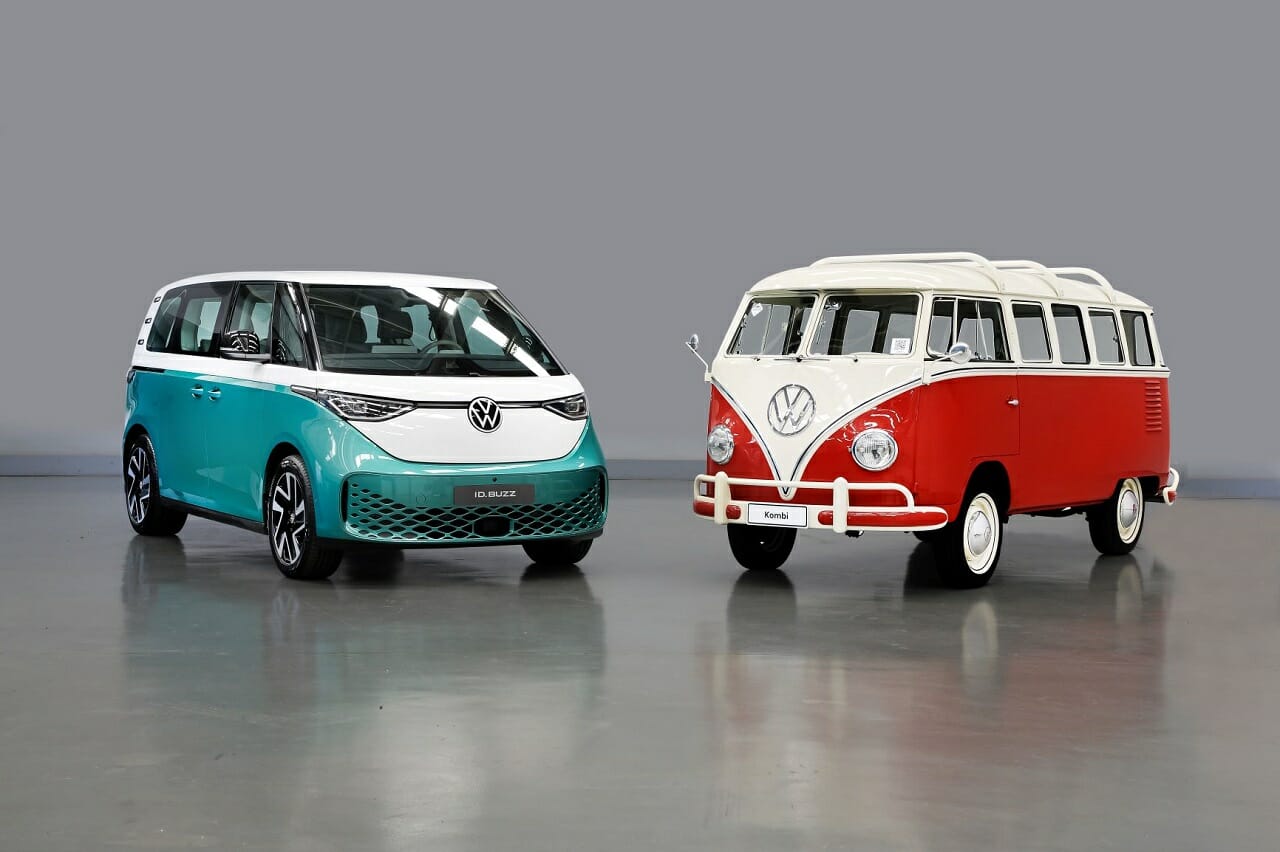

ID. Buzz GTX Model of Kombi is the Most Powerful Model in Volkswagen History, with All-Wheel Drive and Exclusive Design
Volkswagen is about to revolutionize the electric vehicle market with the launch of the new version of Kombi, the ID. Buzz GTX. Fully electric and equipped with 340 horsepower, this version of the electric Kombi promises to combine high-level performance, cutting-edge technology, and innovative design. Aimed at those seeking efficiency and sustainability, this electric van from Volkswagen represents a significant advancement for the German brand, which is heavily investing in the global automotive segment, according to the website Mobiauto.
New Volkswagen Kombi: Powerful and Sustainable Performance
The ID. Buzz GTX impresses, first and foremost, with its robust performance. The model is equipped with two electric motors, one on each axle, resulting in 340 hp of power and the 4MOTION all-wheel drive system. This way, the vehicle ensures greater stability on various terrain types. Moreover, the model goes from 0 to 100 km/h in just 6.5 seconds, standing out as one of the fastest vans in its category. Another relevant point is the 91 kWh (gross) battery, which provides a range of up to 400 km. Thus, the vehicle becomes ideal for both long trips and for those looking to reduce frequent charging stops.
Special Freestyle Version “Pé de Boi” in Europe
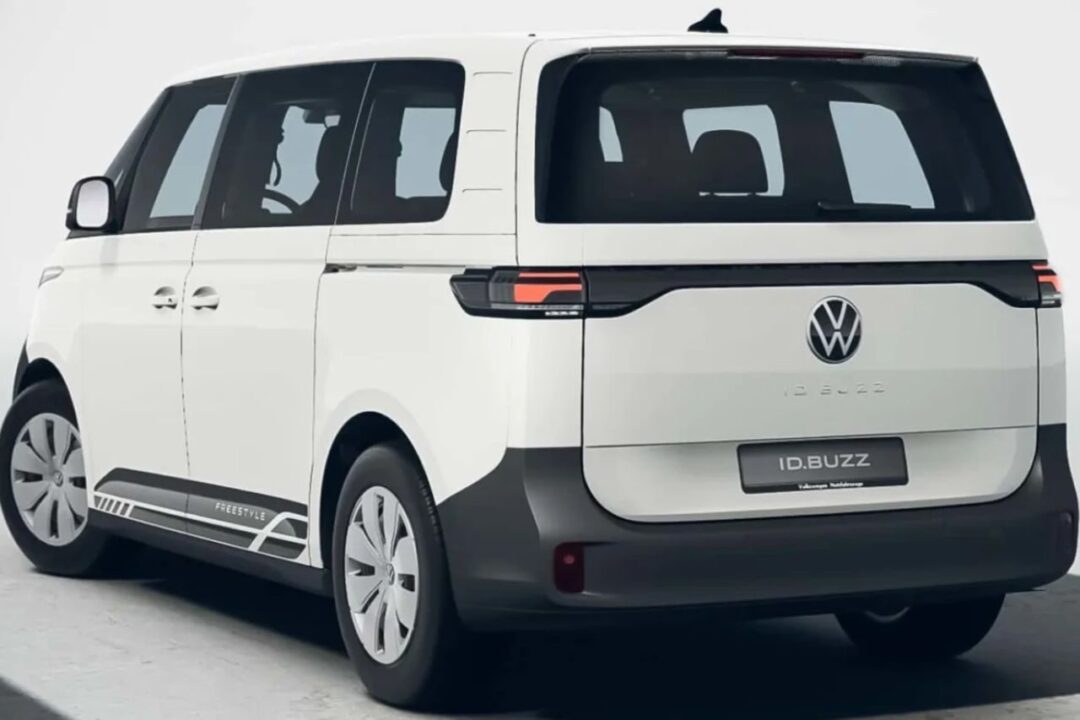
Additionally, Volkswagen launched a special version of the electric Kombi in Europe called Freestyle, also known as “Pé de Boi”. This configuration is aimed at consumers seeking more simplicity without compromising quality. In this sense, the model features characteristics such as steel wheels and plastic bumper trim. The interior of the electric Kombi follows a minimalist line, with shades of gray and black, while the 12.9-inch multimedia center remains a highlight. Despite its simplicity, the model costs around € 49,997 (approximately R$ 300,000), reinforcing the high cost of electric vehicles in the European market.
-
OMODA & JAECOO grows in Europe in 2026 with an integrated strategy of sales, innovation, local production, and technological advancement in the United Kingdom, Italy, and Spain.

-
OMODA & JAECOO expands after-sales service in Brazil with competitive maintenance, a 7-year warranty, and high availability of parts for technological SUVs.

-
OMODA & JAECOO appoints Alessandra Souza as executive marketing director in Brazil and accelerates brand expansion with a focus on innovation, networking, and hybrid portfolio.

-
Jaecoo 7 with super hybrid SHS system exceeds 1,200 km of combined range with a 1.5 turbo engine, high-density battery, and intelligent energy management.

Modern and Functional Design of ID. Buzz GTX
In terms of design, the new electric Kombi from Volkswagen stands out for its modern and futuristic lines. The model is offered in two wheelbase options, a standard version and an extended one, providing versatility for different needs. The exterior of the electric Kombi attracts attention with its Cherry Red paint, which can be combined with silver, creating an elegant two-tone finish. The 19-inch alloy wheels come standard, but those seeking an even more imposing look can opt for the 21-inch wheels.
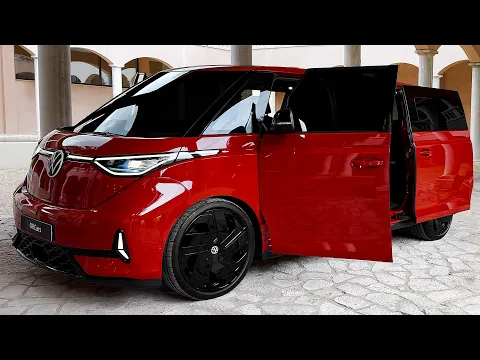

Inside, the ID. Buzz GTX offers a sophisticated and comfortable environment. The sports seats are covered with “ArtVelours Eco” microfiber in black, with red details, giving a stylish touch. Moreover, the 12.9-inch multimedia center, touch-sensitive, ensures total connectivity with Apple CarPlay and Android Auto. To make the experience even more intuitive, the illuminated control bar allows for quick adjustments of temperature and volume.








Vamos la: lançada em março de 1950 (1957 no Brasil) a kombi saiu com o anêmico motor de 1200 cc e 36 cavalos do fusca. Levava 9 pessoas mais bagagem. Foi fabricada no Brasil até dezembro de 2013, com últimos modelos depois de junho sendo modelos 2014 com zero modificações. Teve as motorizações de 1500 cc em 1967 e 44 cavalos (depois colocada nos fuscas) , 1600 cc de 50 cvs em 1976 (último motor a ar que foi até 2006 e que chegou até 65 cvs com dupla carburação ou 60 cvs com carburação simples), 1981 motor diesel 1600 com 51 cvs,opcional até 1986 e , por fim, motor a água de 1400 cc, o mais potente desde o lançamento, com 78 e 80 cvs respectivamente gasolina e alcool(flex).
Até hoje não existe no mercado nada que substitua a kombi. Único veículo que para em vaga normal, leva 9 pessoas e mais 500 kg de carga.
A VW jamais foi a mesma sem a kombi. É um veículo arcaico, desconfortável, mal acabado mas insubstituível. Se não correr com ela vc faz tudo.
Infelizmente não pensaram na utilidade da Kombi. Não pesquisaram em quem e porque preferem a Kombi. E uma parcela muito grande dos consumidores deste veículo são os pequenos empreendedores…Pensaram em tecnologia, inovação; no entanto todos esses atributos não são necessários para a maioria dos consumidores.
Esqueceram de dizer p a VW q a Kombi é uma ferramenta de trabalho, não um veículo, tanto que quem era proprietário eram empreendedores. Essa versão não tem o espírito da Kombi, é apenas um conjunto de melhorias elétricas/eletrônicas reunidas para um carro do futuro. Talvez funcione na Europa, mas no Brasil nunca dará certo, principalmente pelo preço. A não ser que se considere como um sucesso a venda de alguns exemplares para colecionadores.