





 Portuguese
  English
  Spanish
  4 min of reading
  0 comments


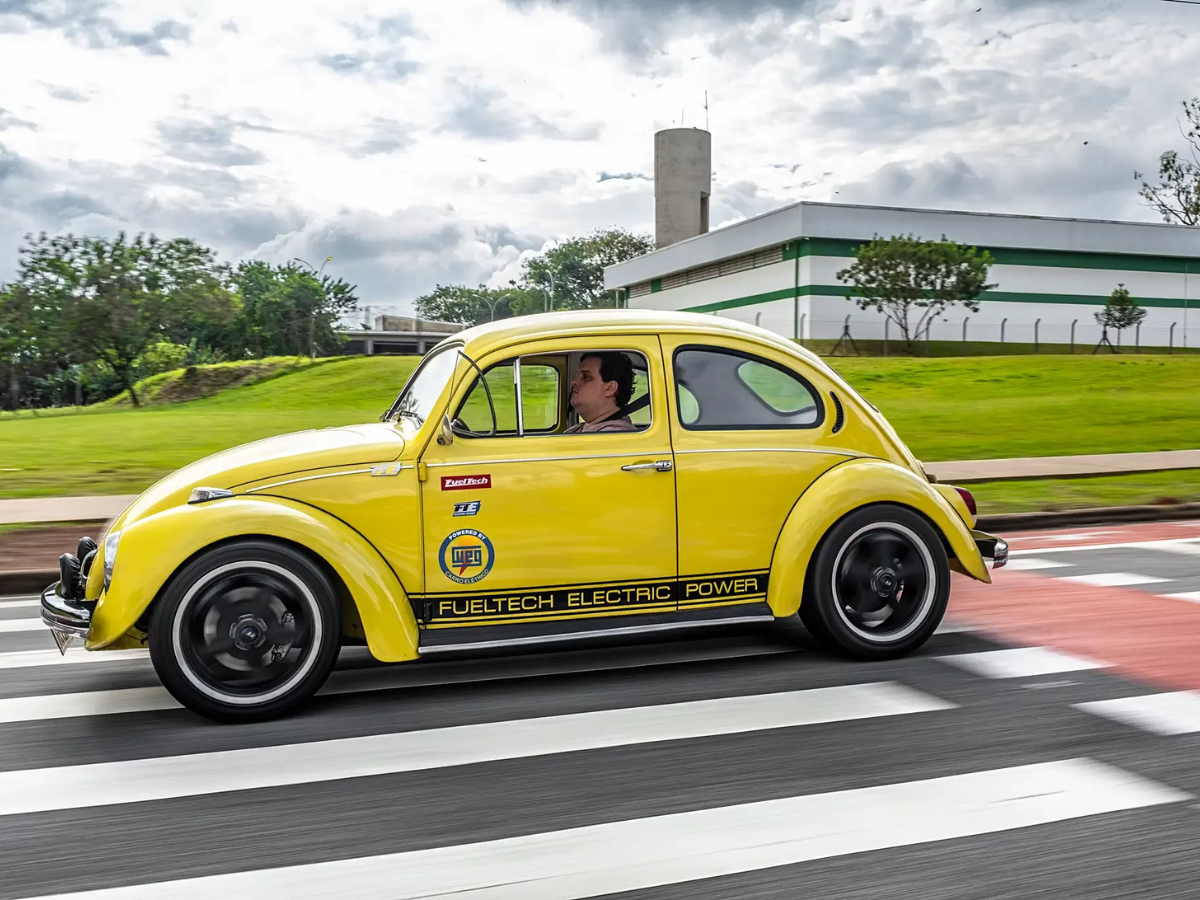
The Passion for the Beetle Meets the Promise of Electric Economy. We Investigate the Feasibility of Converting an Old Beetle into Electric with High Autonomy and Low Recharge Cost in Brazil.
The idea of transforming an old Beetle into electric has gained traction among enthusiasts, uniting the nostalgia of the classic with the pursuit of sustainability and savings. The promise of traveling 150 km with a recharge cost of less than R$10 is particularly attractive. But is this combination of low cost and high autonomy feasible in the current Brazilian scenario?
Understand in depth the conversion of Beetles to electric, analyzing the real recharge costs, notable projects, the components involved, and the technical and legal challenges of this endeavor.
The Appeal of the Old Beetle in Electric, Autonomy, and Economy Under Investigation
The claim of an old Beetle in electric running 150 km with less than R$10 in recharge needs to be analyzed based on energy consumption, recharge efficiency, and electricity cost. A well-designed electric Beetle, like the one from FuelTech, uses a 25 kWh battery for 150 km, consuming about 0.167 kWh/km. Considering the recharge efficiency of a home charger (about 90%), approximately 27.78 kWh from the electrical grid would be required.
-
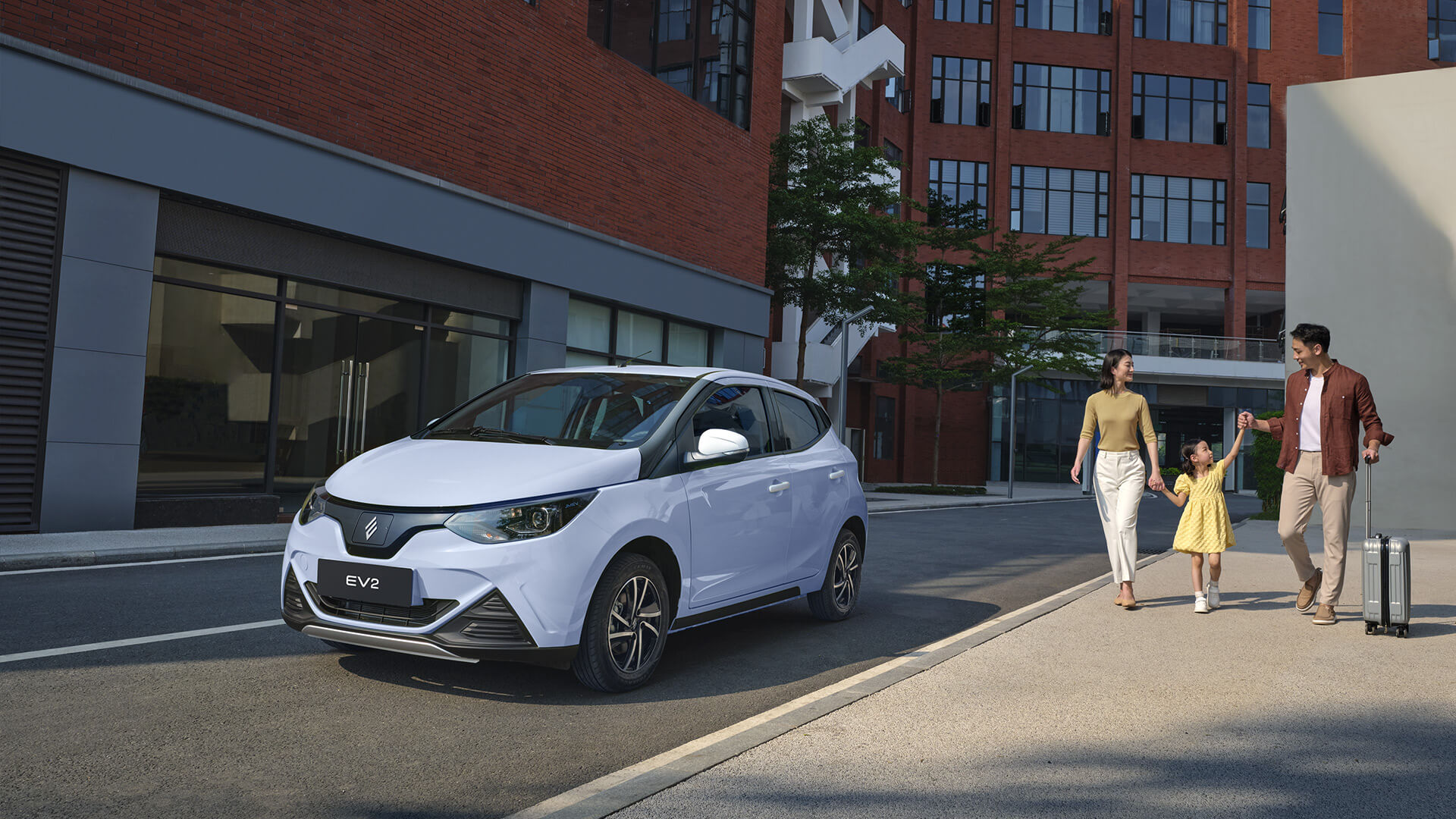
Goodbye expensive popular car: electric vehicle for less than R$ 70,000 starts being sold in Brazil with a range of 200 km and targets those looking to escape gasoline.
-
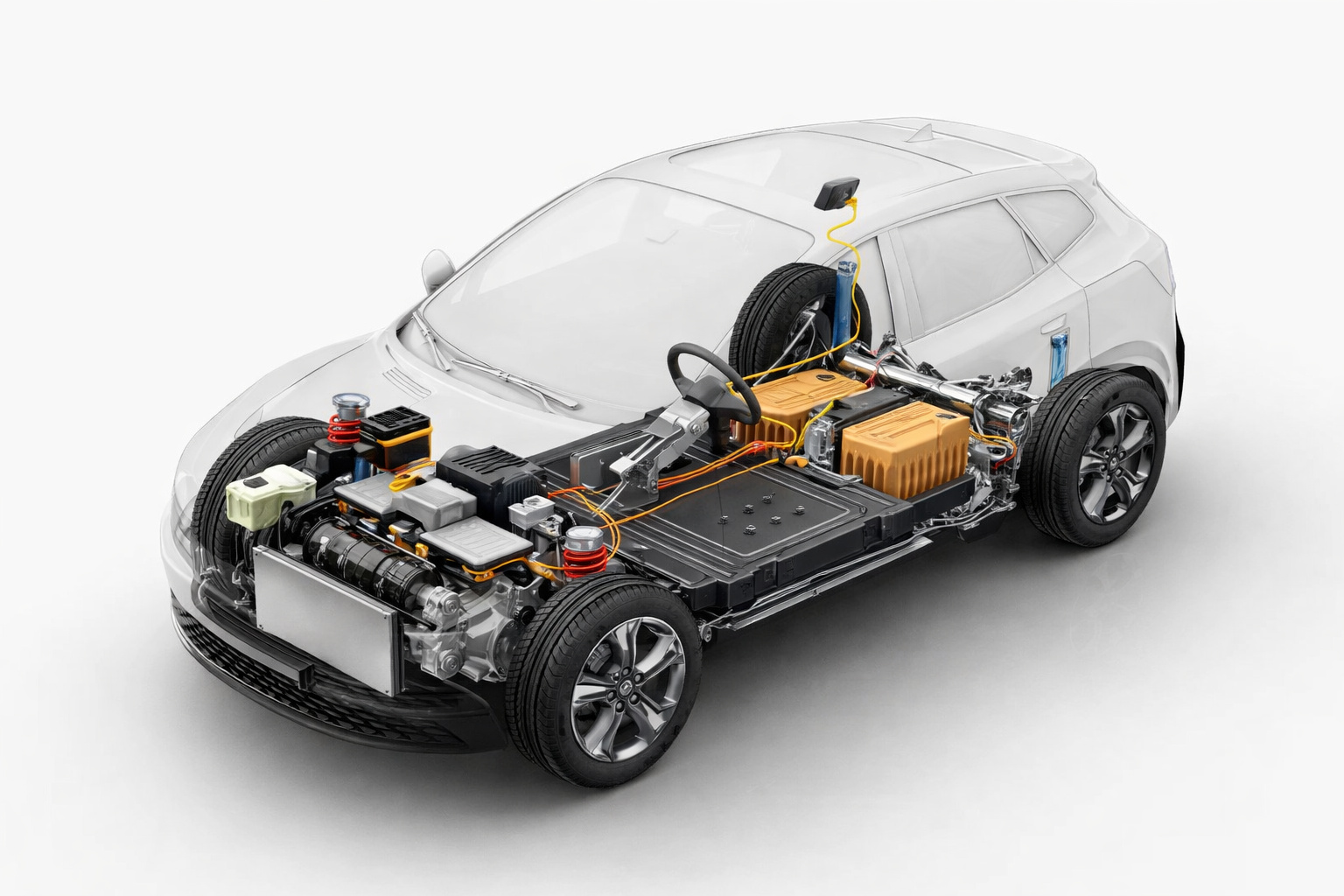
China Surprises Automotive Industry With Battery That Promises Electric Car Able to Run Up to 1,000 km Without Recharge
-
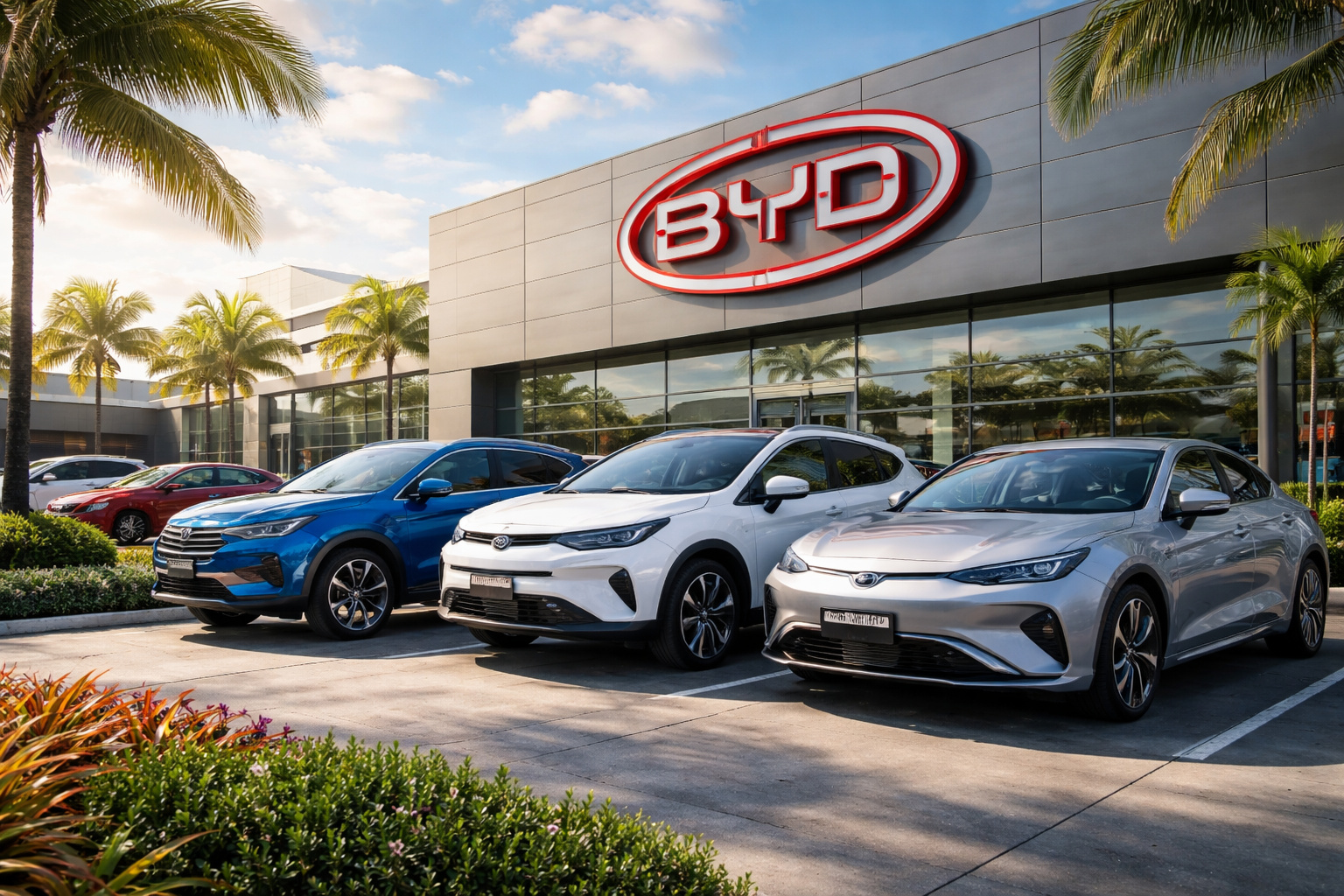
Why BYD Grew So Fast in Brazil and How Blade Batteries, Electric Cars, and Industrial Incentives Shaped This Expansion in the National Automotive Sector
-
Electric Cars Make Progress in Brazil in 2026 and Promise to Reduce Drivers’ Costs with Cheaper Energy, While Infrastructure Grows Slowly Across the Country
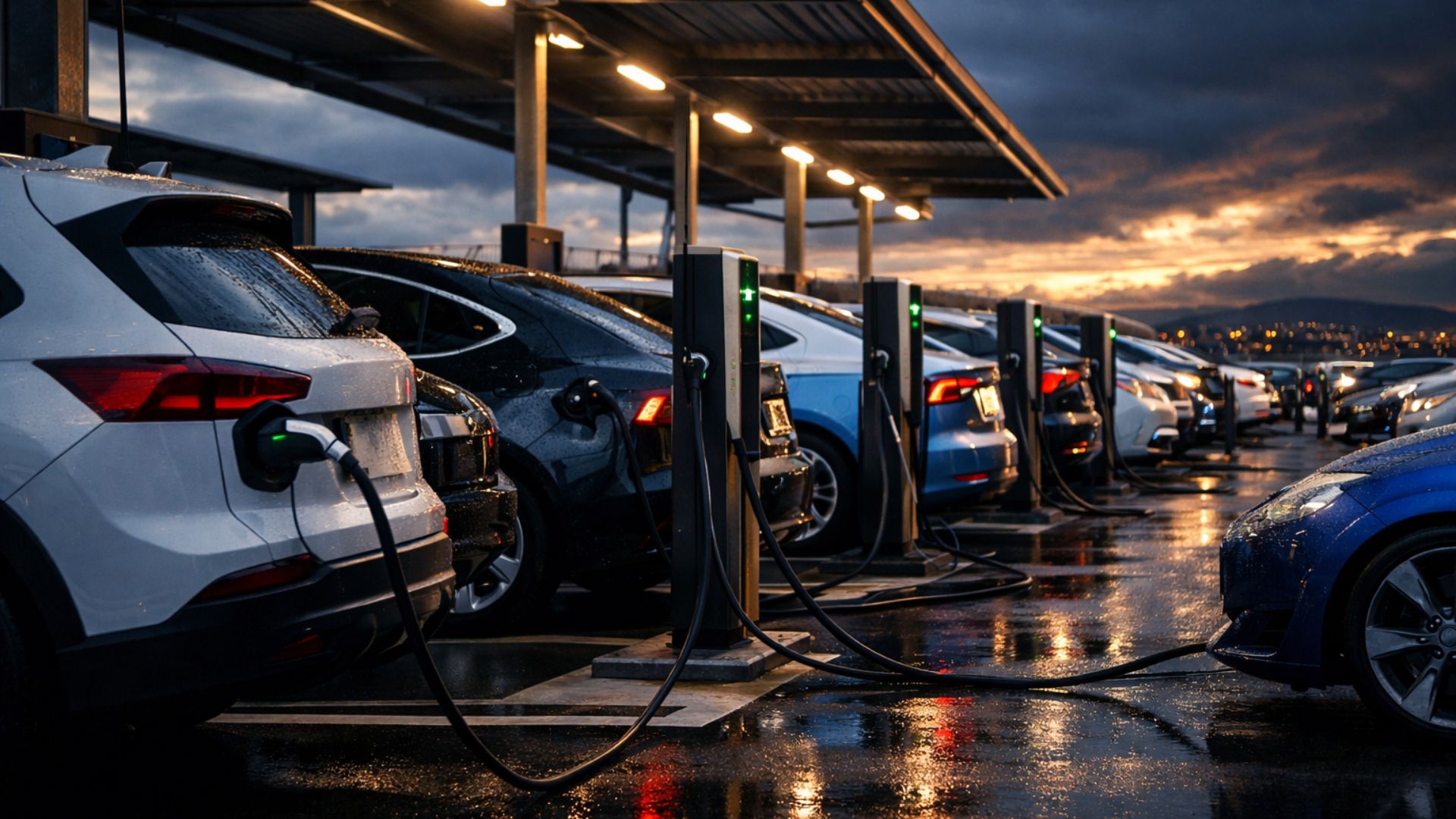
The cost of residential kWh in Brazil varies, including tariffs, taxes (PIS, COFINS, ICMS), and tariff flags. In São Paulo, for June 2025, with the Red Flag Level 1, the estimated cost per kWh would be approximately R$1.11. Thus, a complete recharge for 150 km would cost around **R$30.94 (27.78 kWh * R$1.11363/kWh)**. Therefore, the promise of less than R$10 for 150 km seems highly unlikely under normal tariff conditions for 2025.
Conversion Projects of Old Beetles into Electric
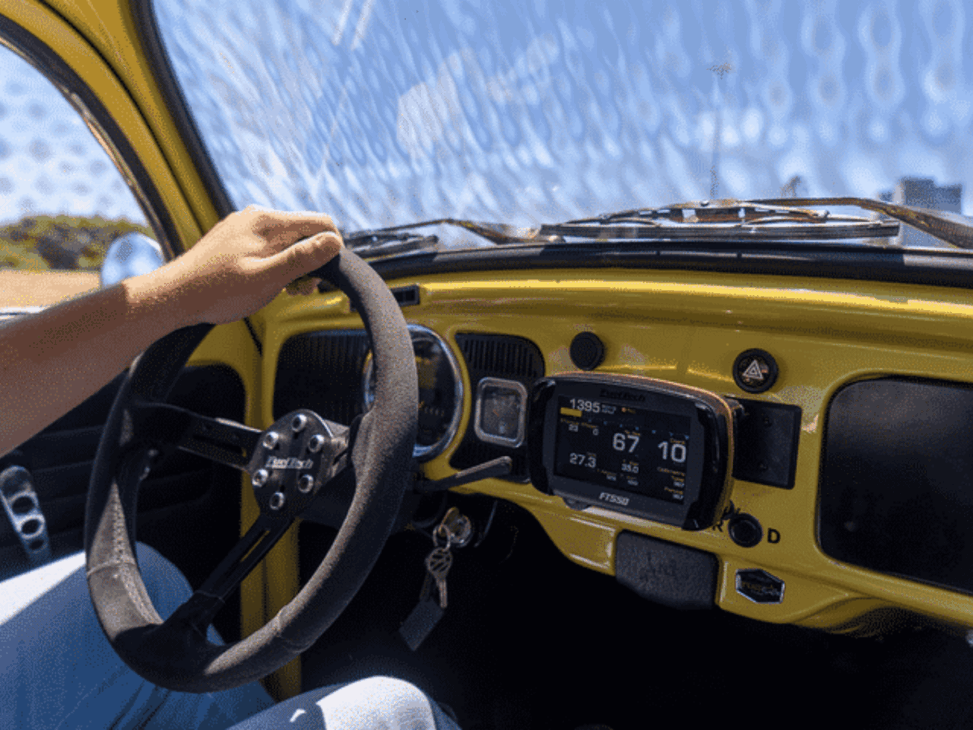
Various projects illustrate the possibilities and challenges of converting an old Beetle into electric:
FuelTech FTe: A Beetle converted by FuelTech with a 67 hp WEG motor, lithium batteries of 25 kWh, achieves 150 km of autonomy and 140 km/h. The total conversion cost was approximately R$100,000.
Mario Vernazza’s Project (Paraguay, 2014): A 1985 Beetle converted with lead-acid batteries, achieving 100 km of autonomy with a declared recharge cost of R$3.50 (2014 values).
Denis Vaneti’s Project (Brazil, 2021): A 1972 Beetle converted with a forklift motor and lead batteries, with an autonomy of 70 km and an investment of R$13,000. Faced significant challenges with regulation.
The key components of the conversion include:
Electric Motors: Can be AC (more efficient, used by FuelTech with WEG motor) or DC (simpler, like those from forklifts).
Batteries: Lithium (lithium-ion, LiFePO4) batteries offer higher energy density and life cycle, but are expensive (R$40,000−R$45,000 for 100-150 km of autonomy). Lead-acid batteries are cheaper but heavier with shorter durability. A Battery Management System (BMS) is crucial for lithium batteries.
Controllers (Inverters/VCUs): Manage the flow of energy. FuelTech offers advanced VCUs.
Chargers (OBC): Convert AC from the grid to DC to charge the batteries.
The costs of a DIY project range from R$13,000−R$20,000 (basic, low autonomy) to R$80,000−R$120,000+ (advanced, high performance).
Online Communities and Resources for Those Dreaming of an Old Beetle in Electric
For those venturing into the conversion of an old Beetle into electric, online communities are essential. The ForumVE (www.forumve.com.br) is the main Brazilian forum for electric vehicles, with a section dedicated to Beetle conversions. Groups on social media (Facebook, WhatsApp) and YouTube channels also offer tutorials, project stories, and tips.
Companies like FuelTech (with its FT Education division) and Electro (specializing in conversions and homologation in Minas Gerais) can be sources of technical information. WEG and Valeo are suppliers of components that provide catalogs and support.
Challenges and Perspectives for the Old Beetle in Electric in 2025
The conversion of an old Beetle into electric is a growing trend. By 2025, continuous evolution in batteries (cost reduction, increased energy density) is expected, with the potential use of second-life batteries (from totaled EVs). Motors and controllers are also expected to become more efficient and integrated.
The legal scenario is crucial. The regulation of modified vehicles in Brazil is complex. The CONTRAN Resolution No. 749/2018 establishes strict requirements for electrical and functional safety. Obtaining the Vehicle Security Certificate (CSV) is a significant challenge for DIY projects. The Bill 305/2025, which aims to allow those qualified in Category B to drive heavier EVs, may influence future regulatory discussions.
Comparing costs, an old Beetle in electric has a significantly lower cost per kilometer traveled (about R$0.206/km in the example from SP) than a gasoline Beetle (about R$0.775/km). The maintenance of the electric powertrain is also simpler. However, the high upfront cost of conversion requires careful analysis of the return on investment.
Is the Old Beetle in Electric a Viable Passion? Tips for the Enthusiast


Converting an old Beetle into electric is a project that combines nostalgia and sustainability. The pros include low operational cost and less local environmental impact. The cons are the high initial cost, technical challenges, and complex regulation.
For those considering the project, it is essential to:
Define realistic priorities (budget, autonomy, usage).
Research extensively and continuously learn.
Prioritize safety at all stages.
Plan for regulation from the start, consulting DETRAN and engineers.
The electric Beetle is more than a car; it is a form of automotive art and a statement of values. With planning and knowledge, the dream of driving a electrified classic can become a rewarding and innovative reality.







Seja o primeiro a reagir!