





 Portuguese
  English
  Spanish
  5 min of reading
  0 comments



He Was Born to Be Cheap, but Today Costs the Price of a Mid-Sized Sedan. Understand Why the Concept of Popular Car Changed So Much in the Last Decade in Brazil, Using the Hyundai HB20 as a Clear Example of This Transformation.
Do you remember the time when a brand new popular car, like the Volkswagen Gol 1000 or the Fiat Uno Mille, was synonymous with easy access to the first vehicle? That image seems increasingly distant from the current Brazilian reality. Today, the so-called “entry-level cars” have reached price levels that used to buy coveted mid-sized sedans.
Using the Hyundai HB20 as a representative case study, we will investigate the multiple factors that led to the incredible price surge of the popular car in the last decade and what this means for the Brazilian consumer in 2025.
Hyundai HB20: The Thermometer of the Change from an Affordable Popular to an Expensive Compact
The price trajectory of the Hyundai HB20 illustrates this change well. In 2015, its entry-level version, the Comfort 1.0, was launched for R$ 35,760. This price placed it as a modern and affordable “popular”. Moving to 2025, the entry-level Sense Plus 1.0 MT model of the HB20 has a price announced starting in July 2024 of R$ 88,990. This represents a nominal increase of around 148.8% over ten years.
-
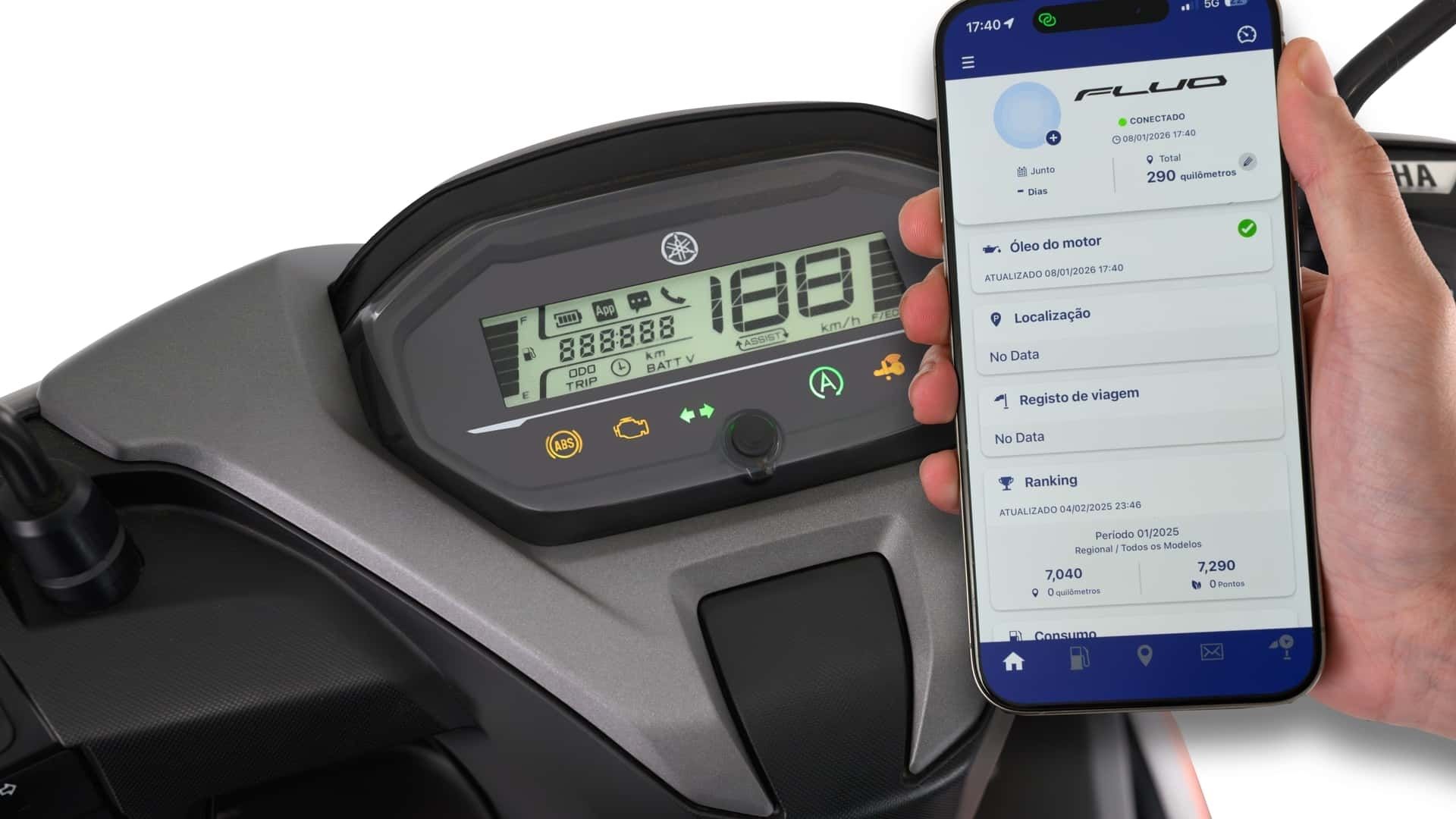
Costing R$ 16,000, the new Yamaha features a 125 cc hybrid engine with electric assistance, delivers 8.3 hp, includes ABS, optimized fuel consumption, Y-Connect connectivity, 25 liters of storage space, and a surprising 4-year warranty in the urban segment.
-
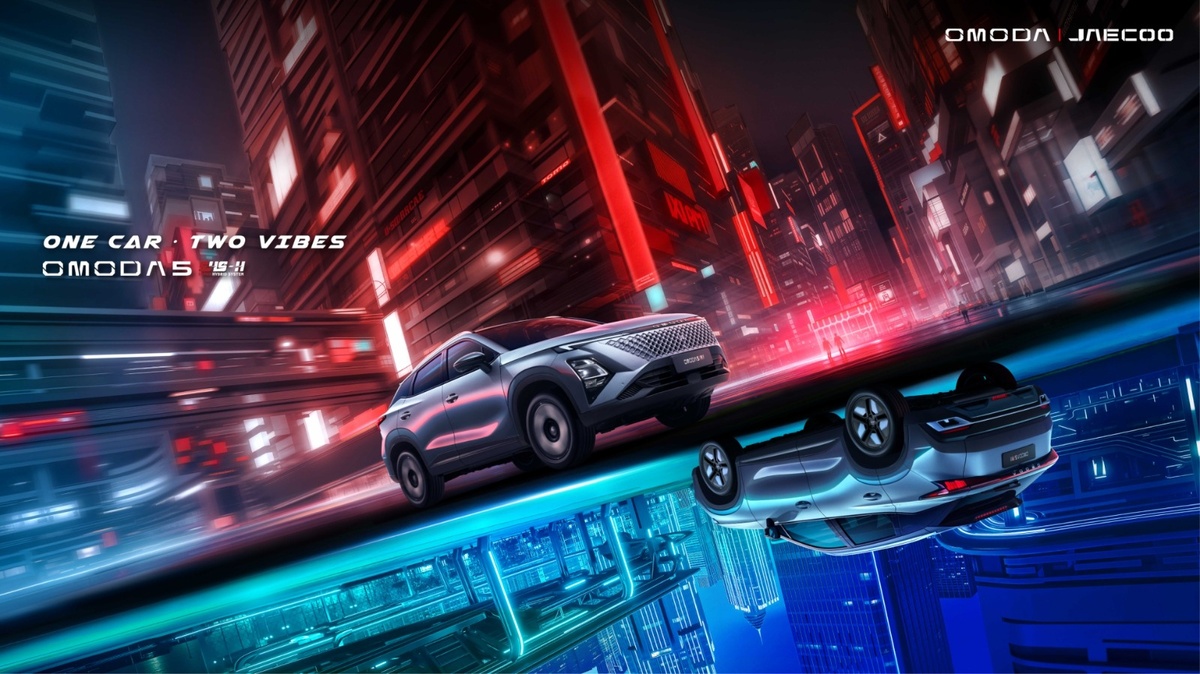
OMODA & JAECOO grows in Europe in 2026 with an integrated strategy of sales, innovation, local production, and technological advancement in the United Kingdom, Italy, and Spain.
-
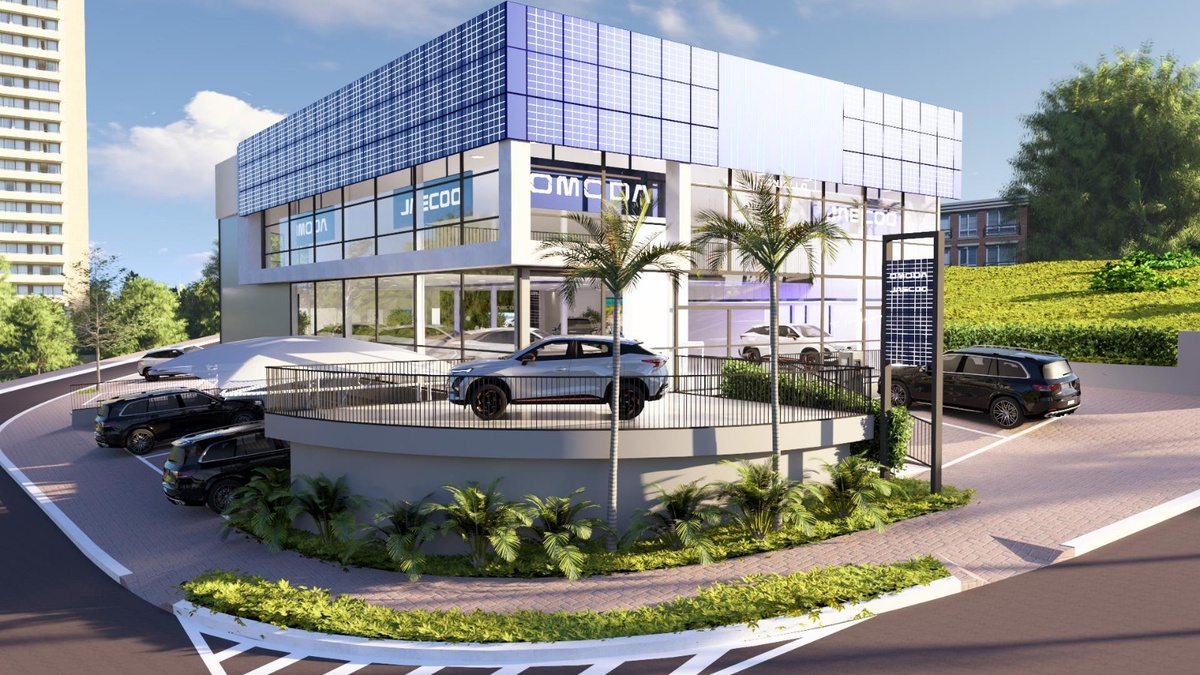
OMODA & JAECOO expands after-sales service in Brazil with competitive maintenance, a 7-year warranty, and high availability of parts for technological SUVs.
-
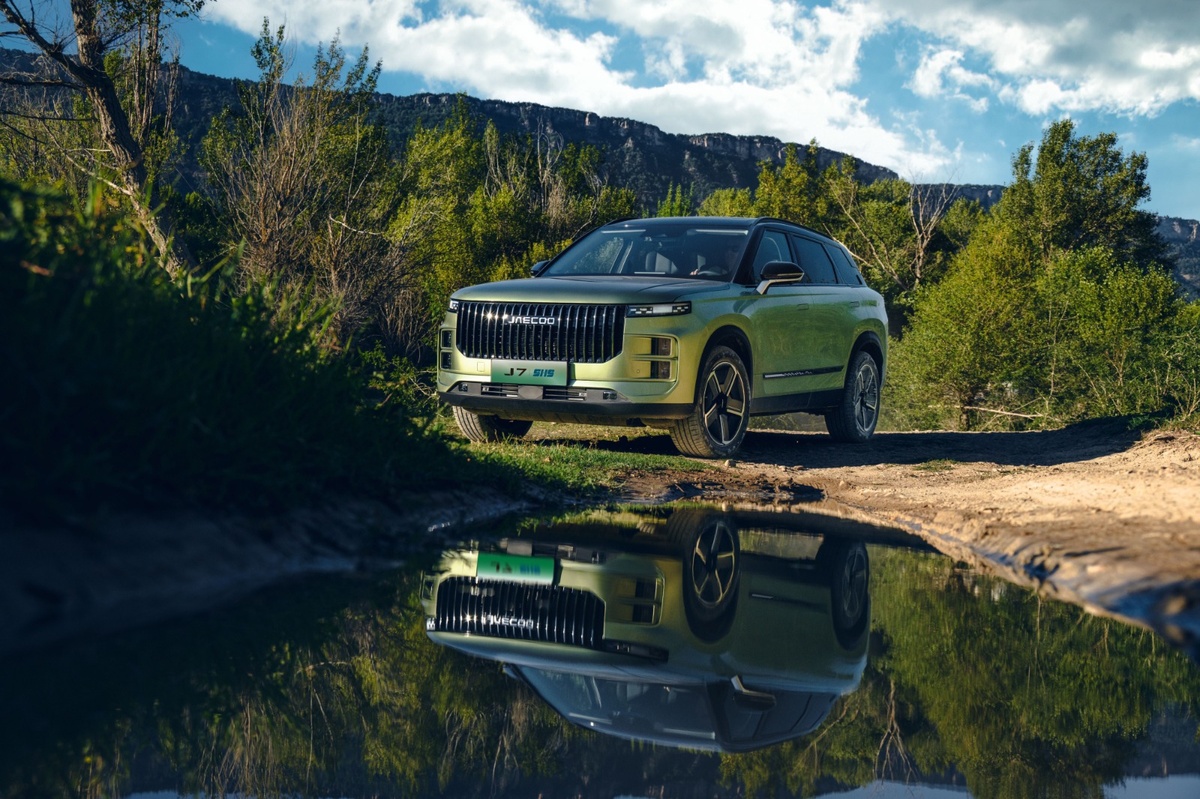
OMODA & JAECOO appoints Alessandra Souza as executive marketing director in Brazil and accelerates brand expansion with a focus on innovation, networking, and hybrid portfolio.

The comparison is revealing: the price of a basic HB20 in 2025 greatly exceeds what was necessary to acquire a renowned mid-sized sedan like the Honda Civic LXS 1.8 (R$ 68,400) or the Toyota Corolla GLi 1.8 (R$ 69,690) in 2015. The financial threshold for the entry-level car has risen drastically.
Mandatory Safety and Technology: The Cost of Inevitable Progress in the Popular Car

One of the main reasons for the increase in the price of the popular car is the incorporation of more safety and technology features, many of which are mandated by law. In 2014, dual front airbags and ABS brakes became mandatory. Since then, other requirements have been added. Electronic Stability Control (ESC) is now mandatory for all new cars starting in 2024. Three-point seat belts and headrests for all occupants became mandatory in 2020, and daytime running lights (DRL) have been required for all vehicles in production since 2023.
Features like multiple airbags, which previously belonged to higher categories, now equip entry-level versions, such as the six airbags in the HB20 Sense Plus 2025. Each of these components adds direct and indirect costs to the vehicle.
Comfort Is No Longer a Luxury: The New Baseline for Entry-Level Cars
The standard of comfort for entry-level cars has also risen. Features like air conditioning and power steering (which evolved from hydraulic to progressive electric, more efficient) have become practically standard. Power windows, at least in the front, are also common.
Multimedia centers with Bluetooth® connectivity have replaced the old CD player radios, and conveniences like cruise control with speed limiter have started to appear in entry-level models. This rise in the minimum standard of the popular car reflects new consumer expectations and automakers’ quest for competitiveness but impacts the final price.
Cleaner Engines, Yet More Complex and Expensive
The engines have also evolved, primarily to meet strict environmental laws. The impact of new phases of the Vehicle Emission Control Program (PROCONVE), such as L7 (since 2022) and L8 (starting in 2025), on the sophistication and production cost of engines, especially 1.0, is significant.
Even though the announced power has not drastically increased in some cases, the embedded technology to reduce emissions has made the engines more complex. This includes more precise fuel injection systems, more efficient catalysts, and electronic recalibrations, representing additional production costs.
The Weight of the “Brazil Cost” and the Volatility of the Dollar on the Price Tag
External factors also pressure prices. The high tax burden in Brazil (IPI, ICMS, PIS/COFINS) can account for, according to some analyses, 30% to 50% of the final car value. Other components of the so-called “Brazil Cost” include high labor costs, poor logistical infrastructure (with a predominance of expensive road transport), and the strong dependence on the industry for imported components or those with costs tied to the dollar, making the sector vulnerable to the depreciation of the Real. Currency instability complicates cost planning and encourages the rapid passing of increases to the consumer.
Industry Strategy: The Goodbye to the “Basic Car” and the New Focus of Automakers
Faced with rising costs and a more demanding consumer, automakers have adjusted their strategies. They have begun to prioritize more equipped models, with higher added value and, consequently, greater profit potential. This has resulted in the gradual disappearance of ultra-basic versions, the “basic cars”, which had minimal or unviable profit margins in the new scenario. Current safety and emissions requirements also hinder the production of cars as simplified as the popular ones from the 1990s.
Did the Popular Car Die? The New and Challenging Reality of Access to New Cars in Brazil 2025
The current entry-level car in Brazil is, objectively, a superior product to that of a decade ago: safer, more technological, and equipped. However, its cost has made it financially inaccessible for a large portion of the population that previously saw the popular car as the main gateway to motorization.
We live in a paradox: the development and improvement of the product have come accompanied by a distancing from the original proposal of “popularizing” access to the automobile. The future of individual mobility for the lower-income groups will increasingly depend on a robust used vehicle market and possibly new public policies that seek to reconcile the necessary technological and safety advancements with the imperative of social inclusion in access to transportation.








Seja o primeiro a reagir!